Brigitte Bardot underwent two surgical procedures to treat cancer before her death last month, her husband has revealed.
Bernard d’Ormale, who was married to the French screen icon for more than three decades, said she responded well to both operations as she battled the illness. He shared the details in an interview with Paris Match published in the days leading up to her funeral.
Bardot died aged 91 on December 28th 2025 at her home in Saint-Tropez, where she had lived privately since stepping away from cinema in the early 1970s. Until now, no details about the cause of her death had been made public.
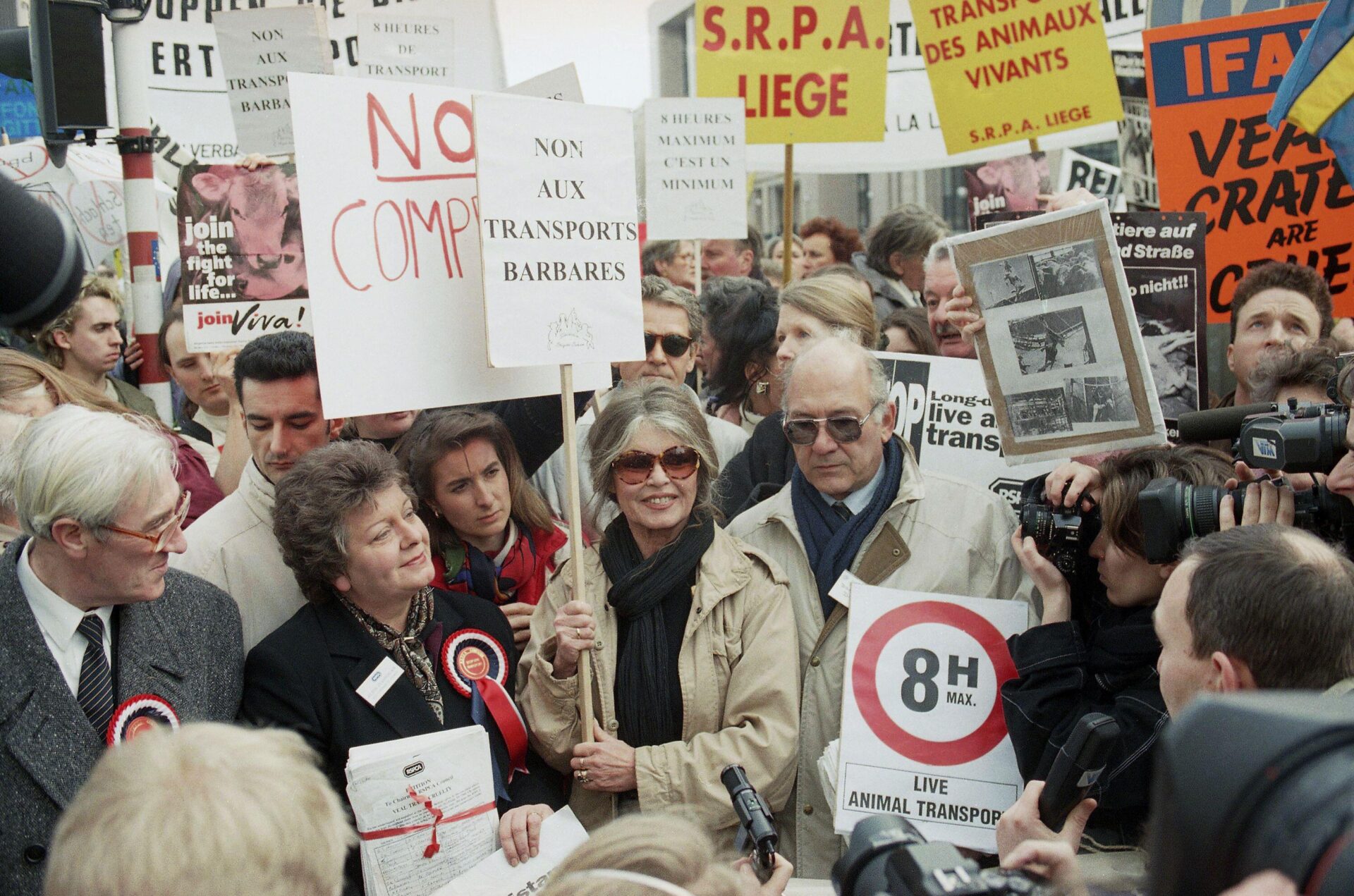
After leaving the film industry, Bardot devoted the remainder of her life to animal welfare, becoming one of France’s most prominent and outspoken advocates for animal rights.
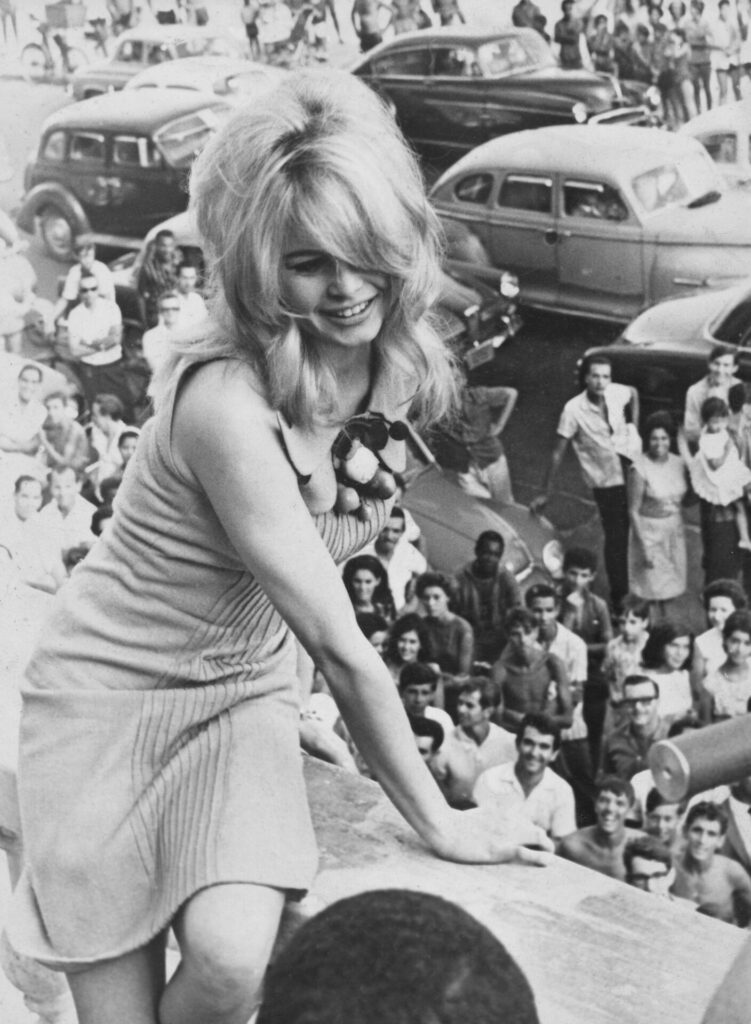
‘Without animals, I would have committed suicide,’ she told French magazine Le Monde in January 2018, after she had published ‘Larmes de combat’ (‘Tears of Battle: An Animal Rights Memoir’), a book sharing her support for animal rights.
Bardot’s death was confirmed by the foundation she established, which supports animal shelters and rescue initiatives. In a statement shared with Agence France-Presse, the organisation expressed deep sorrow at the loss of its founder, though it did not disclose further details at the time.
A Life Redirected Towards Animal Welfare
The foundation described Bardot as an internationally celebrated actress and singer who made the rare decision to step away from a high-profile career in order to dedicate her life to animal welfare.
After leaving the film industry, she channelled both her public influence and personal wealth into campaigns aimed at protecting animals.
‘Without animals, I would have committed suicide’
Brigitte Bardot, in Le Monde 2018
Her activism began with efforts to improve slaughter conditions for cattle and continued for decades. One of her final contributions was a €350,000 donation from the foundation in 2018 to help fund a retirement sanctuary for former circus elephants in France.
Bardot’s departure from cinema was decisive. During the filming of her final movie in 1973, L’Histoire très bonne et très joyeuse de Colinot Trousse Chemise, she announced that she was done with acting. The closing image of the film shows her holding a dove — a moment that came to symbolise her transition from screen icon to full-time animal rights advocate.
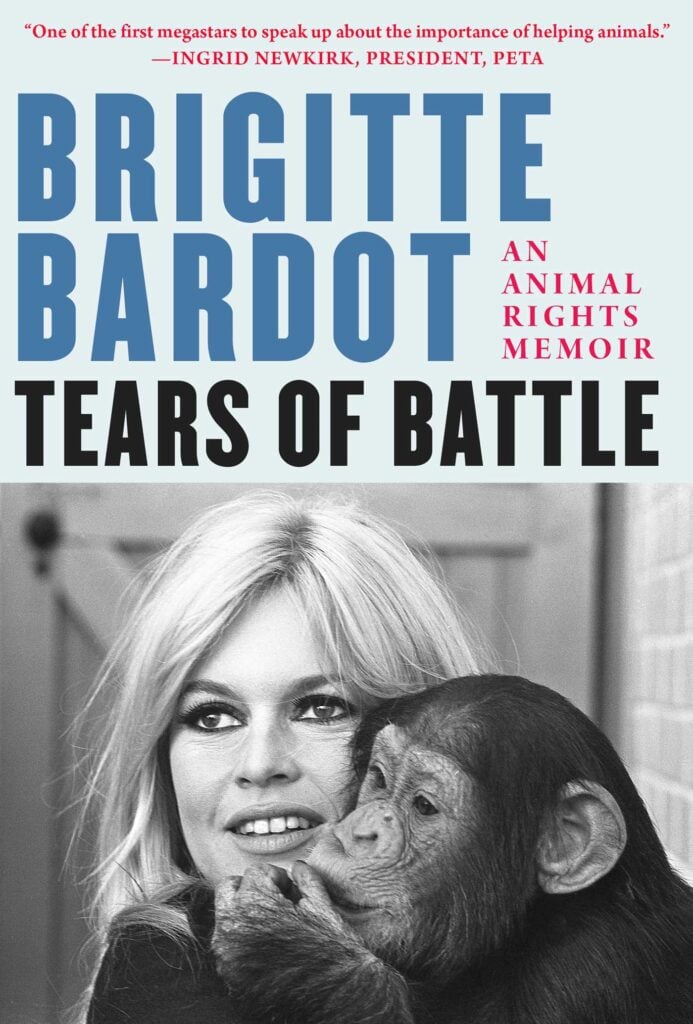
Bardot’s commitment to animal welfare became as well known as her film career, even as her political views later in life proved more divisive. What remained constant was her unwavering focus on defending animals.
In 1986, she founded the Brigitte Bardot Foundation for the Welfare and Protection of Animals, formalising her activism and funding its work through personal means, including the auction of her own belongings. The foundation went on to support shelters, rescues and campaigns across the globe.
‘I gave my beauty and my youth to men. I am going to give my wisdom and experience to animals’
Brigitte Bardot
Bardot backed high-profile activists such as anti-whaling campaigner Paul Watson and was never shy about confrontation. She repeatedly challenged governments over animal cruelty, writing directly to world leaders about issues ranging from dog culls in Romania and dolphin hunts in the Faroe Islands to the slaughter of cats in Australia. She also travelled to the Arctic to highlight the killing of seal pups.
Largely withdrawn from public life, Bardot spent her later years in Saint-Tropez, living behind high walls with her cats, dogs and horses. She often spoke of animals as a source of comfort after difficult relationships. “I gave my beauty and my youth to men,” she once said. “I am going to give my wisdom and experience to animals.”
Following her death, French President Emmanuel Macron paid tribute, saying she embodied a life of freedom. “We mourn a legend of the century,” he wrote.