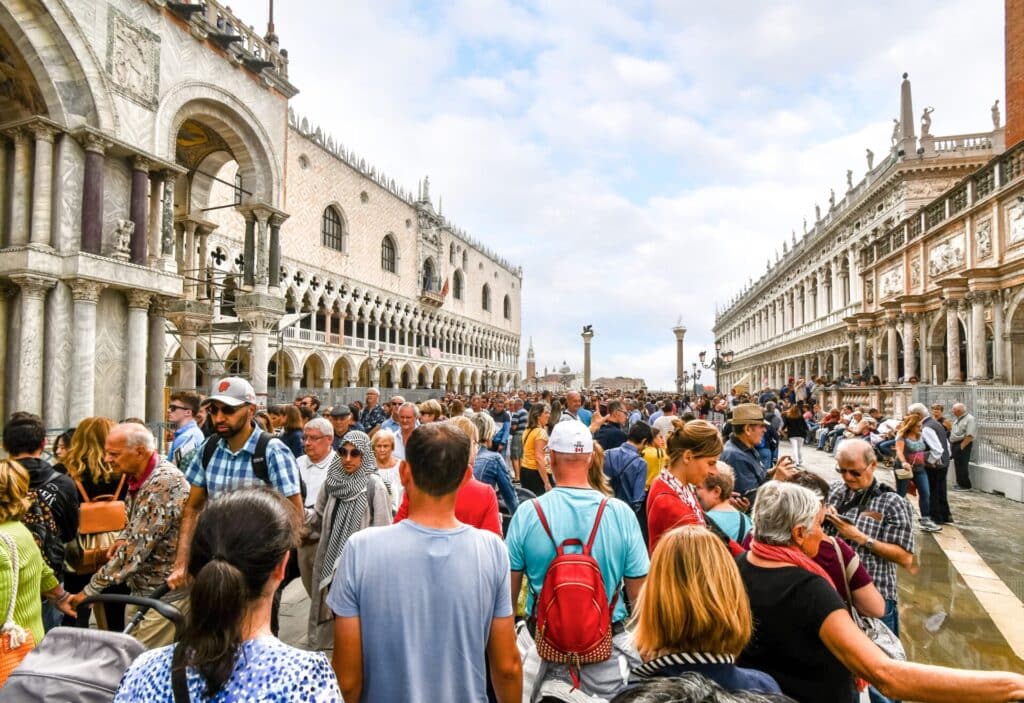
For an industry that brings so much joy, tourism has a lot to answer for – from communities overrun by visitors to ecosystems under stress from pollution created by overdevelopment. Sometimes tourists are more like a plague of locusts, swarming through destinations and stripping them of the very things that made them enticing in the first place. One need only look to destinations like Benidorm in Spain or Cancun in Mexico to see what unchecked travel can unleash on a location.
And that’s not even considering the global environmental damage that tourism causes. According to one 2024 study, global tourism emissions grew 3.5 per cent a year between 2009-2019, double that of the worldwide economy. The same study, Drivers of global tourism carbon emissions, published in the journal Nature Communications, stated that the sector was responsible for 8.8 per cent of total global greenhouse gas emissions in 2019?.
Sometimes tourists are more like a plague of locusts swarming through destinations and stripping them of the very things that made them enticing in the first place
The reason for this emissions growth, according to the research, is twofold: One is rising demand. The other is a failure to adopt technology efficiency gains.
From a consumer perspective, the will to adopt sustainable practices is there and has been growing for many years, according to surveys. However, intentions do not always translate into action. The demand for flying recently passed pre-pandemic levels and is projected to keep growing for years to come, even though aviation, particularly long-haul, is the single biggest contributor to a holiday’s carbon footprint. A return flight from London to New York, for example, emits around 1.6 tonnes of CO₂ per passenger, roughly the same as the annual footprint of someone living in Ghana.
Every time we step on a plane, check into a hotel, or order a cocktail with a plastic straw, we face the same nagging question: Can travel ever be truly sustainable?
Pioneering Sustainable Tourism
Megan Epler Wood is Managing Director of the Sustainable Tourism Asset Management Program at the Centre for Sustainable Enterprise at the SC Johnson College of Business, Cornell University in Ithaca, New York. In addition to that very long title, she is a world expert in sustainable tourism, having worked in the field for over 30 years. She founded the first NGO in the world dedicated to sustainable tourism and has continued to innovate across a wide range of institutional settings, including Harvard University, the World Bank, and the Inter-American Bank, developing planning and research instruments to improve sustainable destination management worldwide.
She explains that the answer to the travel question is complex and depends not just on consumers but also on tourism companies and the organisations and governments responsible for managing tourism assets.
Every time we step on a plane, check into a hotel, or order a cocktail with a plastic straw, we face the same nagging question: Can travel ever be truly sustainable?
‘For any tourist who considers sustainability, there are many important questions to ask,’ she explains. ‘Is the business provider benefiting local communities and local economies; are they enhancing the opportunities for local people? How much are they seeking to protect the environment? How much does the business they travel with work to protect local culture? It’s very difficult to assess these things accurately.’

The desire to be sustainable is often in direct contradiction to the main factors tourists consider when looking to travel… where they want to go and what they want to do while they’re there, which may not always be to the benefit of local people or the environment. They also frequently consider the price of the trip and the convenience first and foremost.
The Hidden Cost of Cruising
‘Suppose you really want to go on a cruise,’ Megan says. ‘Overall, the cruise product isn’t very sustainable and can cause great strain on both the environment and communities, especially in port where the number of visitors can overwhelm locals without spending much locally. Few would realise that there are no restrictions from dumping waste and refuse directly into the open ocean from these massive ships.
‘Under international maritime law, cruise ships and all maritime ships can dump wastewater and solid waste into non-territorial waters. There is no sign of that law changing. Even the Caribbean Sea has non-territorial waters, with the heaviest cruise traffic in the world, leading to wastewater and solid waste dumping in this fragile sea, which is legal. The same can be said for cruise ships going to Alaska in the famous Inside passage. The last study showed extensive impacts from cruise waste dumping in this beautiful wildlife rich area with many marine mammals and whales, done by WWF Canada.
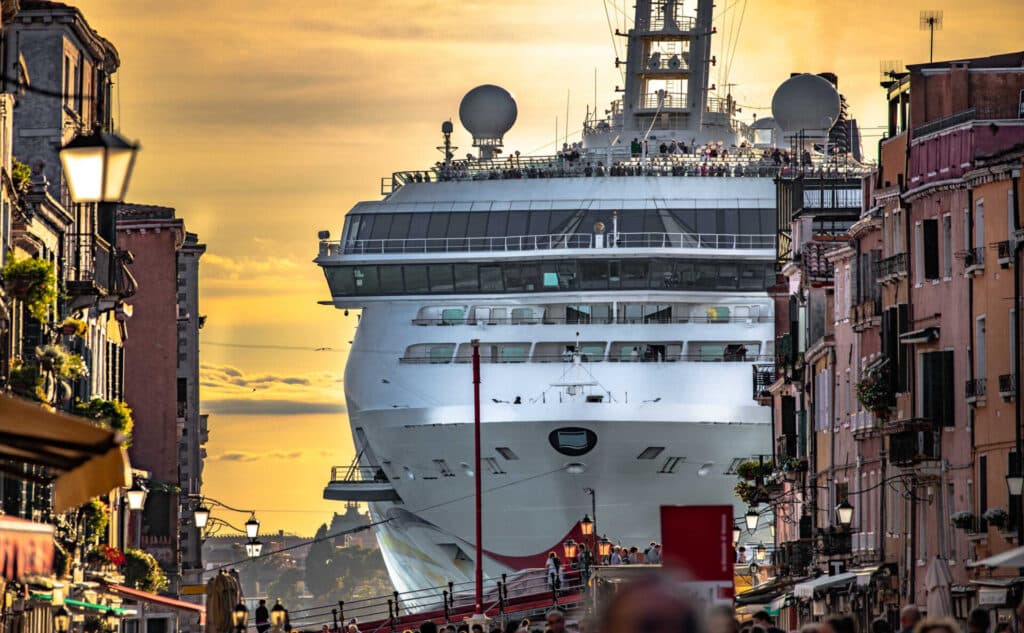
‘So, if you decide to take a large scale cruise, it’s likely not to be very sustainable, no matter how much value you place on sustainability.’
The Tools for Better Travel
There are tools you can use to monitor the impact of your travel. Sustainabletravel.org, and carbonfootprint.com have easy-to-use carbon footprint calculators while greentripper.org offers free downloadable guides on environmentally friendly travel.
You can also check the green credentials of the companies you use by checking for any certification. For example, accommodation providers with Green Key certification have committed to adhering to the strict criteria set by the Foundation for Environmental Education. Google Flights also allows you to estimate the carbon footprint of flights you book. Other credible certification systems to look for include the Global Sustainable Tourism Council (GSTC), which is the international baseline.
The Long Run’s Global Ecosphere Retreat (GER) status is a prestigious sustainability certification awarded to nature-based tourism businesses that meet rigorous standards. Beyond Green is a curated list of inspected properties. And CarbonNeutral certification is an independent verification given to net-zero operations.

In September 2023, Japan Airlines (JAL) became the world’s first airline group to join the GSTC. Its membership and commitment to GSTC’s philosophy and network do not mean that JAL itself is GSTC-certified; rather, they position the company to promote sustainable tourism and support partners seeking certification. Guldsmeden Hotels, a boutique chain based in Copenhagen, holds both Green Globe and Green Key certifications. These certifications are recognised by GSTC, essentially indicating alignment with GSTC’s standards.
While these are a start, a recent survey by Booking.com highlighted that the confidence in the certifications is dropping.
‘There are a lot of reasons for that,’ explains Megan. ‘Mostly I think it is because it is difficult to evaluate their effectiveness, and your average consumer would have trouble knowing exactly which ones are accurately reporting their data if it does not rely on third party evaluation.’
In aviation, for example, sustainable aviation fuels (SAFs) from plant-based matter, which are environmentally better than traditional jet fuel, still account for less than five per cent of airline fuel globally.
There are, of course, operators that seek to reduce their impact and help create a better situation for local people. In terms of the actual share of businesses in the global tourism economy, they remain a minority, at around 10 to 20 per cent of total businesses. However, the trajectory is rising, and Megan estimates it has more than doubled over the past 25 years.
There is plenty of room for improvement. Technology could be used better. In aviation, for example, sustainable aviation fuels (SAFs) from plant-based matter, which are environmentally better than traditional jet fuel, still account for less than five per cent of airline fuel globally.
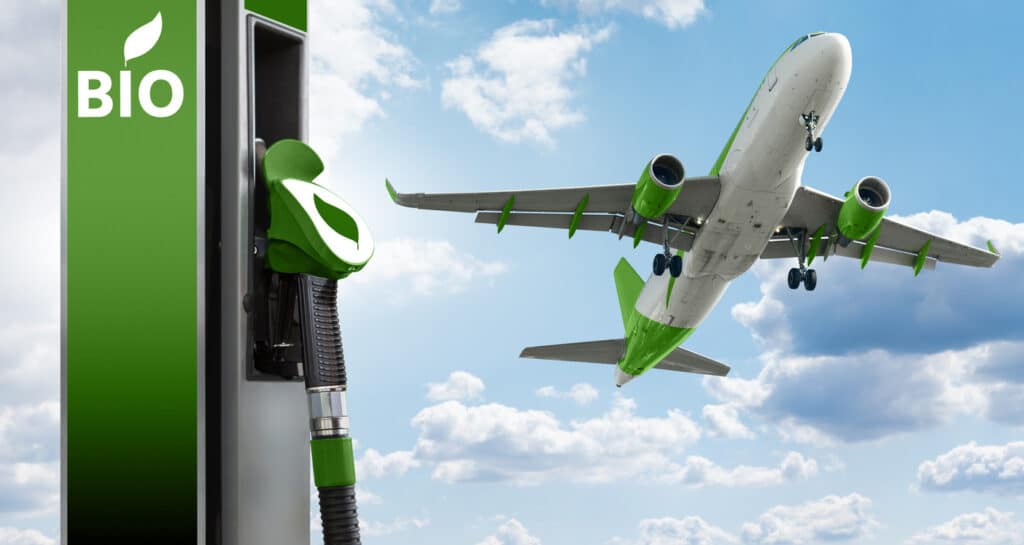
These biofuels are made from a range of sources including used cooking oil, and sugarcane, corn, or cellulosic biomass fermented into ethanol or isobutanol, then upgraded into jet fuel. United Airlines operated the world’s first commercial flight using algae-derived biofuel in 2011. JetBlue is committed to using 1.5 million gallons of blended SAF annually and Emirates is now supplied with SAF at multiple global hubs, including Paris, London, Singapore, Amsterdam, and Dubai.
And one of the often overlooked but important aspects of sustainable tourism is the role of those tasked with managing an asset, be that a government, a local authority or an international body, and the strategies they can adopt to boost sustainability and protect the environment.
Protecting the Places We Love
‘Tourism entities promoting tourism look at the positive economic impacts, but what they are not even remotely discussing is the cost of managing incredibly important assets around the world,’ says Megan. ‘For tourism to really become more sustainable, we need to look at how much it costs to manage tourism and start to adjust so that we’re investing in that part of the equation.
As an example, she cites the current debate over how much the Dutch government should contribute to the renovation costs of the Van Gogh Museum in Amsterdam. The museum says it may close due to a funding dispute with the Dutch Ministry of Culture. It is asking for an increase of €2.5m in its annual government subsidy of €8.5m to fund required major refurbishments.
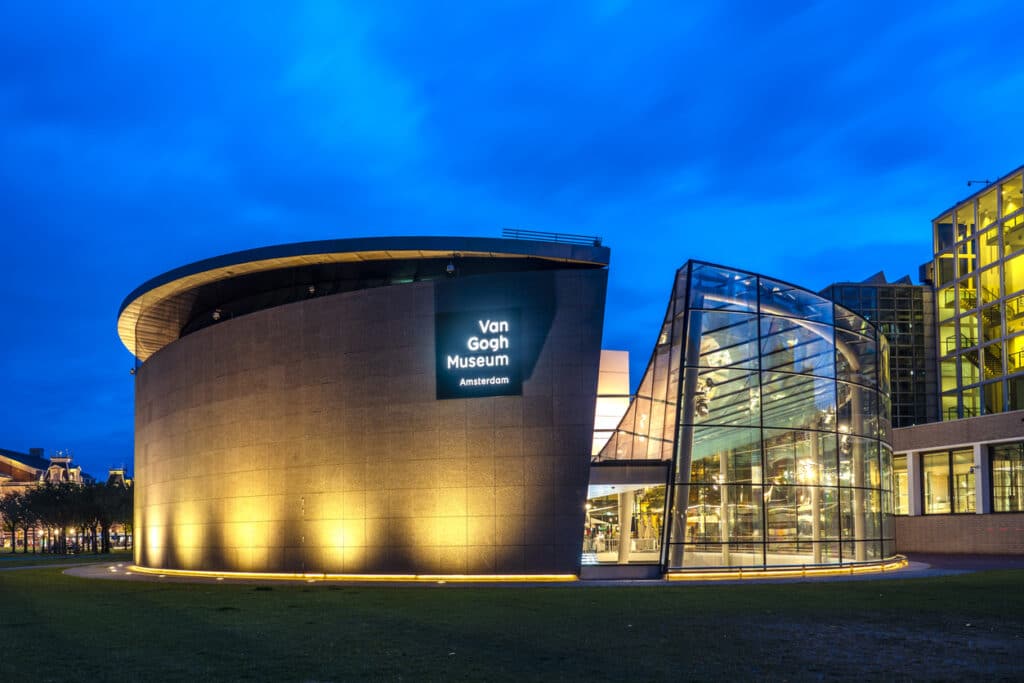
It has blazed a trail for sustainability, becoming the first museum in the world to obtain BREEAM rating, a benchmark for sustainable buildings. It turns its used coffee cups into toilet paper and discarded coffee grounds into soap. The museum is on a mission to bring all museums into the world of sustainability, across both facility and property management. In this respect, it could be argued that its value as a national asset extends far beyond its primary role as an exhibitor of world-class art.
‘They’re a non-profit museum, and the government has told them we don’t owe you any more than the original agreement provides for,’ Megan explains. ‘If they looked at the value of the museum for all of tourism in Amsterdam and Netherlands in general, I would think that they might be able to consider it an additional capital asset investment in their prime artistic heritage jewel which many tourists seek to visit.’
Megan’s department at Cornell is currently working with El Yunque National Forest in Puerto Rico, which gets more than a million tourists a year, to determine how to generate more revenue without damaging the park, which can then be used to protect this vital place.
‘Entry fees are a small part of their equation,’ says Megan. ‘We are proposing something called a sustainable destination management programme that could be funded in part by tourism revenue and will be a very integrated way of protecting this conservation gem, while at the same time benefiting local people.’

One of the best examples of how policy can protect a tourism asset is the Balearic Islands in the Mediterranean, a region where there are currently demonstrations and protests against over-tourism. In 2016, the islands introduced a tourist tax, a charge collected from tourists for overnight stays in tourist accommodations. The tax helps fund environmental projects, promotes responsible tourism, and supports the conservation of the islands’ natural and cultural heritage to offset the impacts of tourism.
The tax was initially unpopular among tourism businesses, which fought against it, but it has proven successful. It raised approximately €94.5 million in 2023 and there are proposals to increase it by as much as 200 per cent. But in terms of costs to the individual, it is tiny compared with overall holiday spend, costing around $2.75 per tourist per night.
When the Costa Rican government decided to make entry charges to their national parks the same for foreign visitors as for Costa Ricans, travellers worldwide petitioned to pay more. The campaign worked.
The system is also transparent. The money is used to restore and protect parks and native wildlife. It is also used to promote off-season and lower-impact tourism, including the restoration of walking and cycling routes and infrastructure, as well as historical buildings and archaeological sites. It also funds vocational training for locals to help boost employment in the low season.
A similar system is also used in Belize, where levies raised are used to protect the natural environment.
Indeed, when polled, tourists are happy to pay extra if they can be confident that the surcharges are being used to effectively mitigate the impacts of their visits. When the Costa Rican government decided to make entry charges to their national parks the same for foreign visitors as for Costa Ricans, travellers worldwide petitioned to pay more. The campaign worked.
Individually, there are simple things everyone can do.
‘If you can, research and directly book locally-owned hotels. This can be more beneficial for the local people,’ says Megan ‘And then, when you get there, look for community-based tourism, which is a very interesting and wonderful way to learn more about local people. Buy local, try to lower your greenhouse gas emissions and use search engines and online tools that tell you how to lower your footprint as much as possible.’
Eco-halos
In Raja Ampat, Indonesia, Misool Eco Resort sits in waters that, just two decades ago, were scarred by dynamite fishing and shark finning. Today, thanks to the creation of a 300,000-acre No-Take Zone funded by the resort’s foundation reef sharks have returned in numbers not seen in living memory. The foundation employs local rangers and runs community health and education programmes which are funded by a range of sources including grants, donations from resort visitors and resort CSR funding.
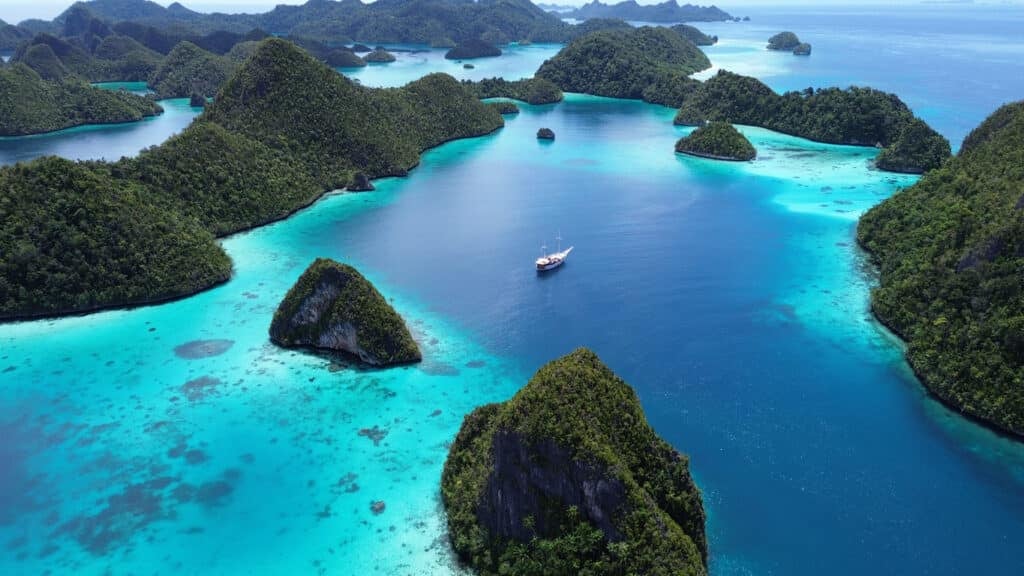
Chumbe Island Coral Park off the coast of Zanzibar is a privately managed marine protected area. Managed by a not-for-profit organisation (CHICOP), each visitor to this wilderness retreat directly supports the Island’s conservation and education programmes. Funds are raised from fees charged to tourists for nature experiences, such as guided snorkelling along marine trails in the forest sanctuary, guided walks in the intertidal zone, mangrove cave and forest trails and accommodation in ‘eco-bungalows’ that demonstrate state-of-the-art technologies of water and waste management and energy provision.
In 2019, Six Senses Laamu and Blue Marine Foundation (BLUE) launched the #ProtectMaldivesSeagrass campaign, which convinced more than 25 per cent of the country’s high-end resorts to protect their seagrass meadows. These undersea pastures store carbon, shelter baby sharks and turtles, and act as natural filters. Guests are invited to join research dives and see manta rays gliding over the beds. It’s a reminder that sometimes the best luxury is leaving things exactly as they are.
On Fogo Island in Newfoundland, the striking, stilt-legged Fogo Island Inn is owned by the Shorefast Foundation. Every surplus dollar is reinvested in cultural projects, from boatbuilding to marine research. Staying here means keeping a remote island economy alive.
In British Columbia, the Klahoose Wilderness Resort is Indigenous-owned, offering guests the chance to watch grizzly bears in traditional territory while directly supporting stewardship and local jobs.
In New Haven, Connecticut, Hotel Marcel has become the US’s first all-electric, Passive House, LEED Platinum hotel, powered almost entirely by rooftop solar.
In Europe, night trains are enjoying a renaissance. The European Sleeper connects Brussels, Berlin and Prague, while Austria’s ÖBB Nightjet now runs direct from Paris to Berlin. In the UK, Lumo’s 100 per cent electric trains between London and Edinburgh are cheaper than flights and emit a fraction of the carbon per passenger.