I’ve never climbed a rock. So, naturally, clinging to the side of a granite cliff face in Oman, with only a canyon floor metres below, feels like a bold choice. Bold, or some may say, completely unhinged. I’m halfway around the Via Ferrata at eco-luxe resort Alila Jabal Akhdar, an intermediate rock-climbing route that’s best described as, well, heart-racing.
At this stage of the adventure, with a sheer drop below and my fear of heights kicking in faster than you can say ‘whose idea was this?’ I freeze, clinging to the steel cable I’m clipped to, that stands between me and a free fall. There’s no going back, and no clear way forward, as far as I can tell, anyway. Just the realisation that I might actually cry. I’m trembling, sweating, and muttering to myself that of all the places to have a panic attack, this isn’t ideal.
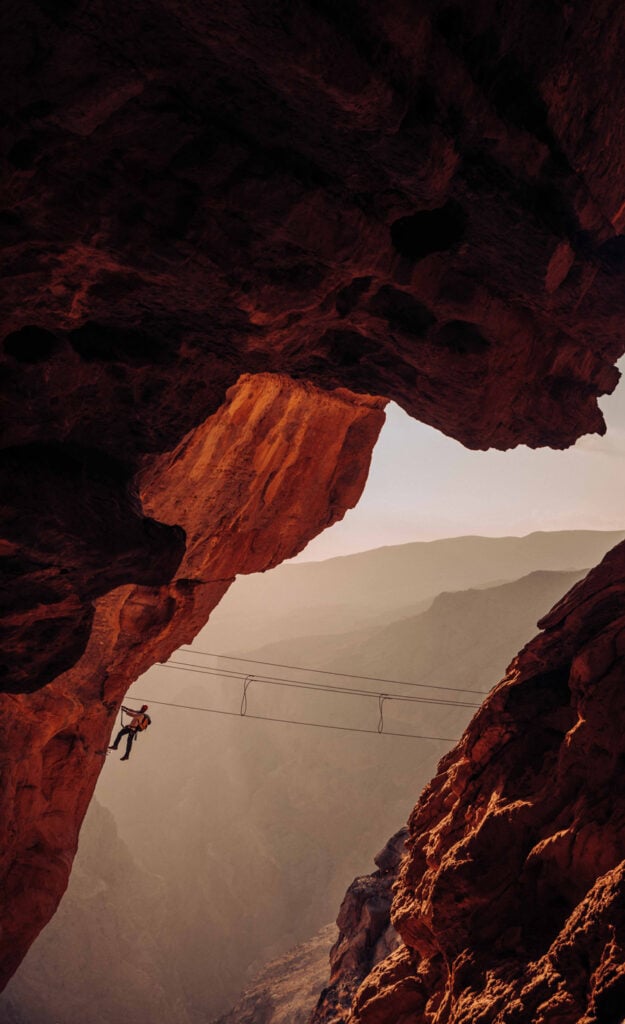
Enter Adil, my wonderfully calm and experienced guide, who manages to coax me forward inch by inch with confidence-saving jokes and compliments about courage, bless him. Somehow, I make it to the steel bridge finale with my dignity (mostly) intact. But this isn’t a ‘bridge’ in the wide and wooden sense of the word. Think more tightrope, with a safety harness clipped to the steel line above and a steel banister below. Perfectly safe assuming you can walk in a straight line with the focus of someone who hasn’t just considered writing their will. Meanwhile, Adil effortlessly walks backwards in front of me for comfort, chatting away like we’re just out for a stroll in the park.
I pass flashes of flaming-orange pomegranate blossoms and a few of the resort’s 240 beehives. Most paths weave between native trees planted with pollinators in mind, and sections of garden exist just for the apiary.
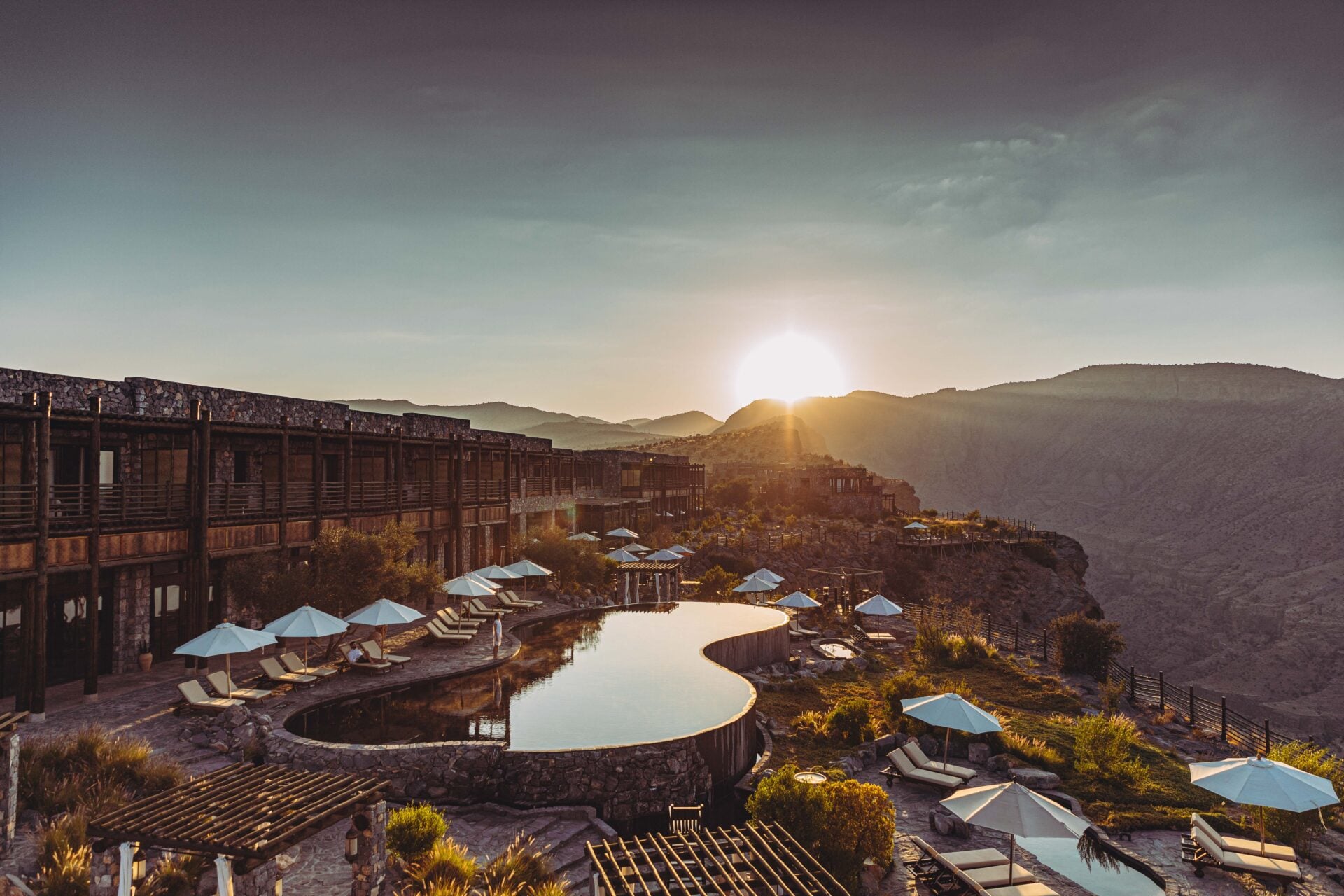
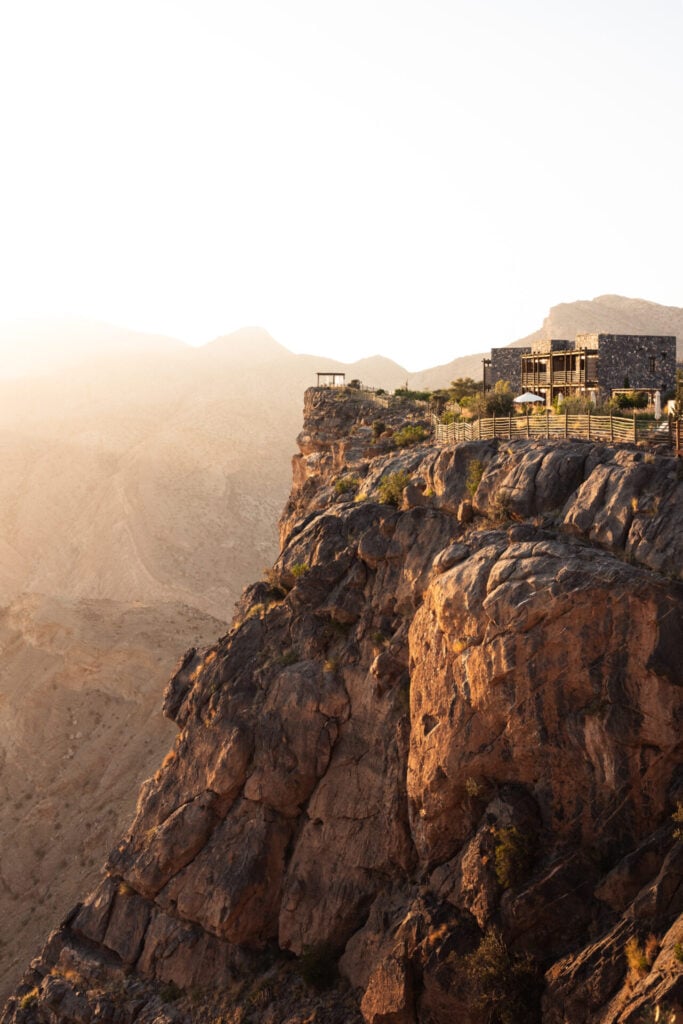
It’s a fitting introduction to Alila Jabal Akhdar, a jaw-droppingly beautiful resort that sits 2,000 metres above sea level, where the temperature drops by a staggering ten degrees from beachfront heat. The scenic journey from the capital Muscat takes around two and a half hours, including hairpin mountain roads with dramatic views. When Alila Jabal Akhdar appears, build from local stone and nestled within the Saiq Plateau, it feels more like a mountain village than a hotel. The path to reception winds past fig and apricot trees, and even a rescued 200-year-old olive tree relocated here a week earlier.
Ample Activities
After a quick change in my duplex loft suite with views across the rugged mountains, I spend the first part of the day discovering the resort. Orchard trees line the mountain bike trails, part of an ambitious initiative to plant over 5,000 fruit and olive trees by 2028. I pass flashes of flaming-orange pomegranate blossoms and a few of the resort’s 240 beehives. Most paths weave between native trees planted with pollinators in mind, and sections of garden exist just for the apiary.
While the children are happily occupied with bubble art, crafts, butterfly walks, and face painting at the hotel’s fantastic kids’ club, I join the sustainability tour. Open to guests, it includes a refreshingly rare ‘access-all-areas’ walk through the back-of-house operations: the glass water bottling station, food waste composting machine, and the clever upcycling workshop where old towels become beautiful beach bags for the resort, and old pillowcases are sewn into ‘giving bags’ where you can leave any clothes you no longer want for local communities in need. I even learn that the hotel’s 2.5-metre Christmas tree is made entirely from discarded bed linen!
While the temperature in the valleys below may be searing, the climate here is perfect, and with the singing bowl carrying gently on the breeze, it’s a perfect way to bring in dusk
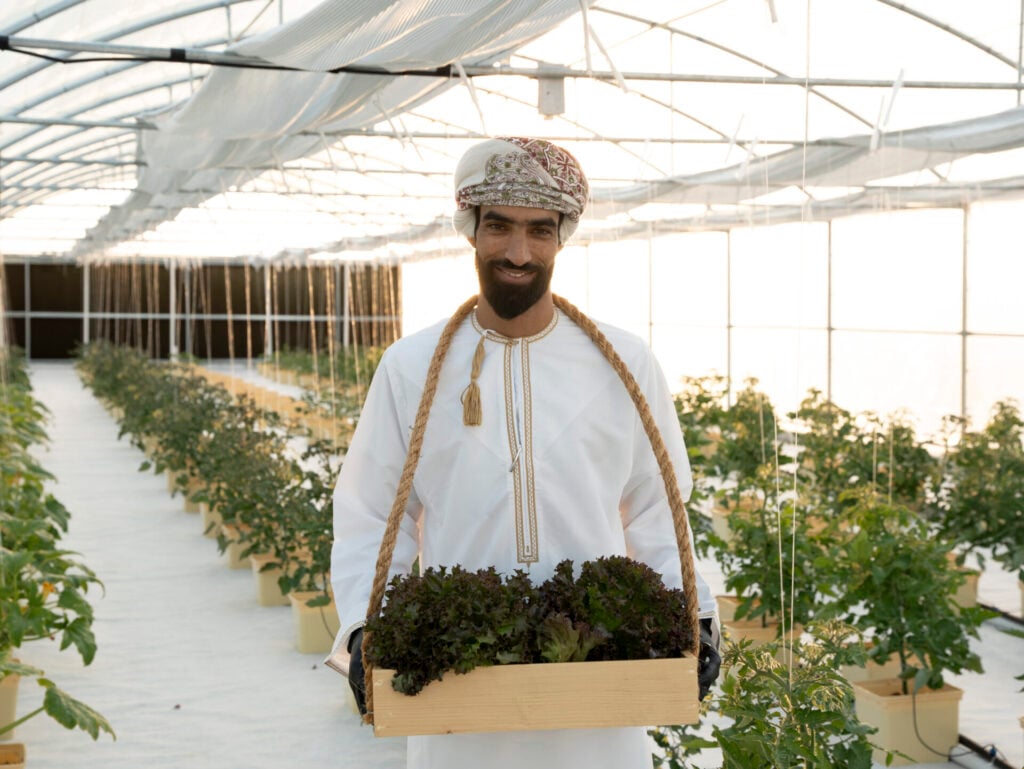
Next, I join the chef for a tour of the hydroponic farm, a small but successful setup growing heirloom tomatoes, cucumbers, strawberries, zucchini and peppers, all harvested with minimal water use. Though it was only created two years ago, the farm is already producing enough to meet the entire resort’s demands.
It’s powered by an eco-friendly cooling system of water and fans, with plans underway to transition fully to solar power in the near future. Outside, we pass herbs and vegetables destined for spa treatments and seasonal menus. There’s also a new ‘harvest and dine’ experience available for guests, where you can pick your produce and have it cooked on the spot in the open-air kitchen.
In the afternoons, guests can enjoy the swimming pool that blends perfectly into the 360-degree mountain views, its granite floor mirroring the rugged landscape. The water is heated by energy-efficient pumps that adjust to outdoor conditions so there’s no wasted energy. There are also two outdoor whirlpool tubs, a small indoor pool, and a fitness centre on offer.
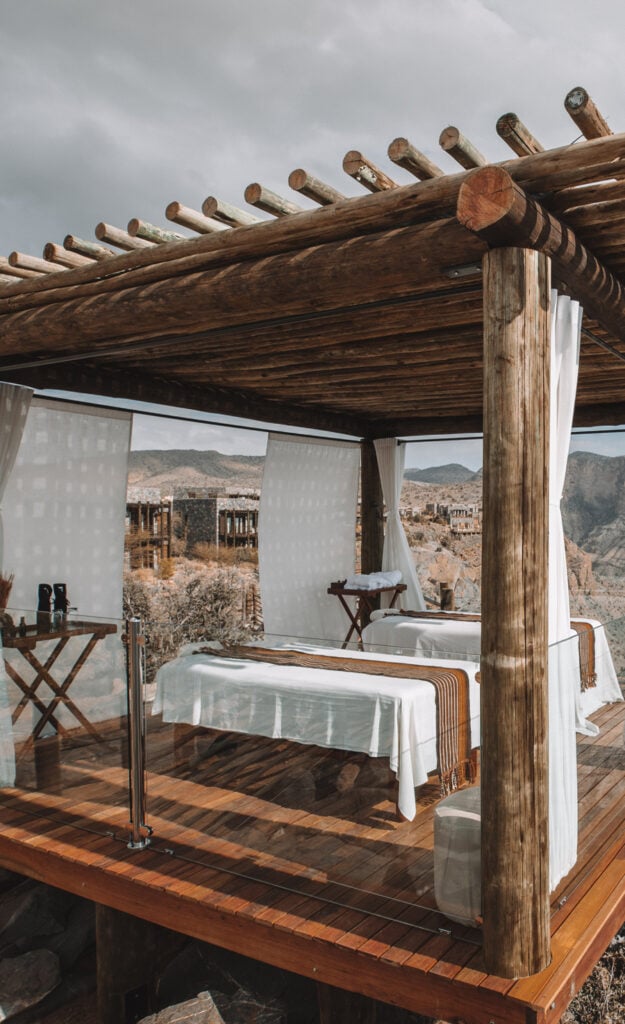
Activities range from archery and mountain biking to lost village hikes and a host of therapies at the spa. After an afternoon keeping up with the kids as they splash and shriek their way around the pool, I gratefully drop them at Play Alila kids’ club and opt for a much-needed sound healing session. Lying under the shade of a plum tree, with the soft trickling of an outdoor fountain nearby, my Balinese therapist expertly eases my tension away. While the temperature in the valleys below may be searing, the climate here is perfect, and with the singing bowl carrying gently on the breeze, it’s a perfect way to bring in dusk.
From Garden to Table
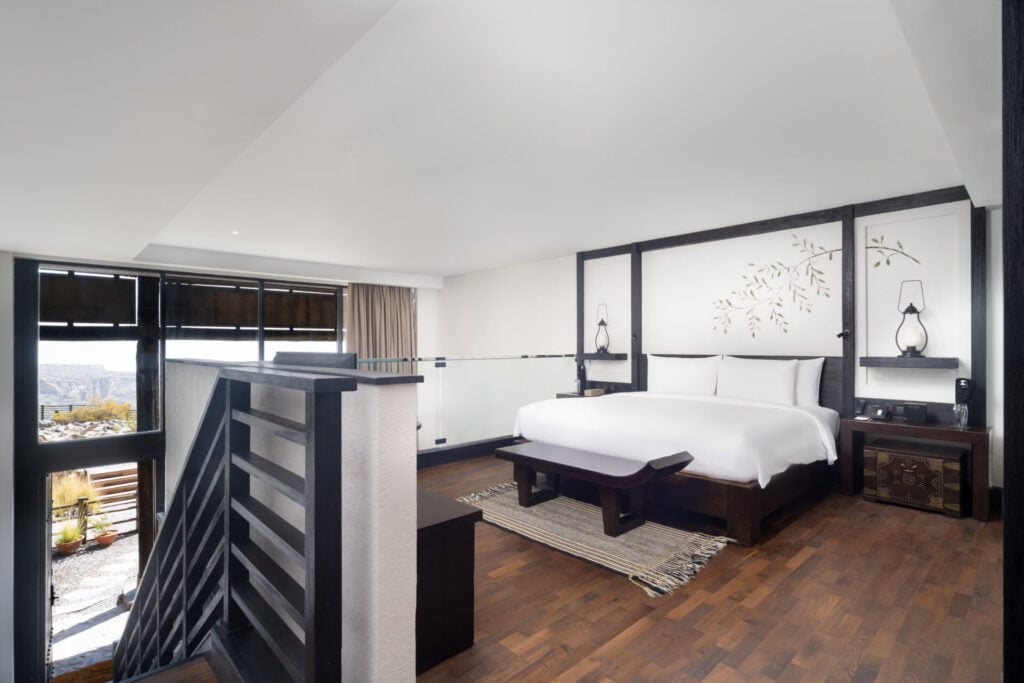
Before dinner, I retreat to my room. The Loft Suites, like all the 86 rooms at the property, are built from local stone, staying cool by day and warm by night. Inside the upstairs mezzanine bedroom looks straight out onto the cliffs, and below, floor to ceiling windows that give onto a terrace that I will learn catches the first light of dawn.
Nothing in the room is disposable. Hand-stitched linen covers slip over reusable glass water bottles, laundry baskets are made on-site from upcycled upholstery, and all the containers, from bath products to room essential, are ceramic, refillable, and plastic-free. Across the resort, this ethos extends to housekeeping too, with staff using three-wheeled bicycles rather than motorised carts to get around.
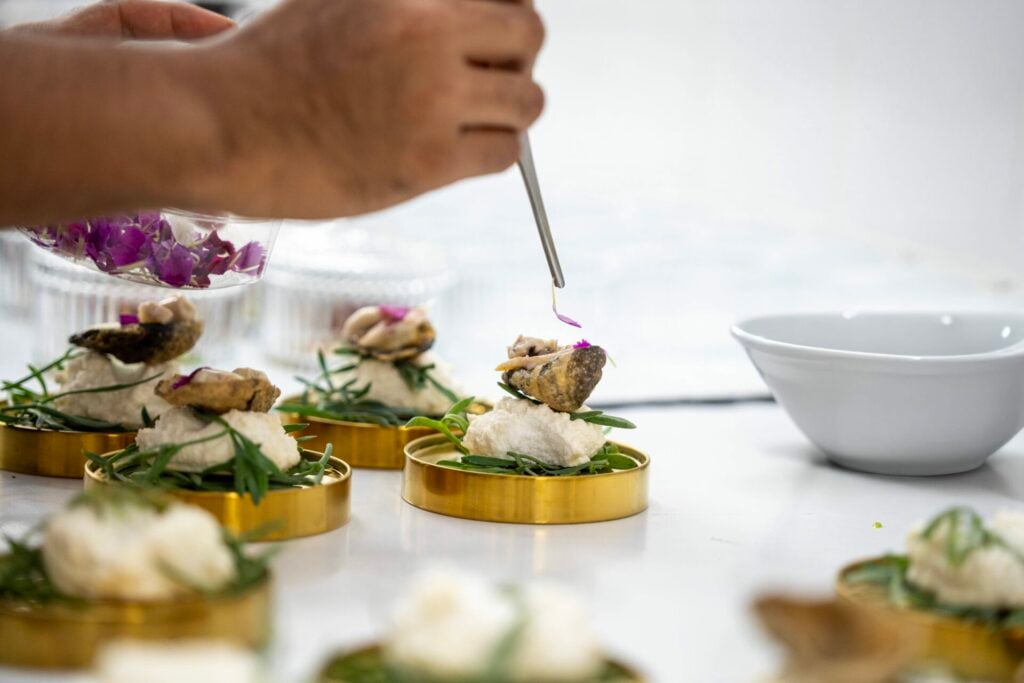
By the time dinner time calls, it feels only right to swap glass bottles for a glass in my hand. I head along the dimly lit walkway to the Rose Lounge Bar and sip an aperitif at as the sky turns lavender. Dinner is at the award-winning on-site restaurant, Juniper, and is served al fresco. I start with a za’atar garden salad sourced from the hydroponic farm, followed by a comforting spinach, cauliflower and pea curry. The lighting is kept low so guests can enjoy the stunning night sky.
In the evenings, guests, including kids, can join stargazing sessions under a sky so clear that the Milky Way feels within reach. You’re almost guaranteed a shooting star, making it a popular activity for the little ones.
In March and April, visitors can join the celebrated rose harvest. May brings plums and pomegranates, and in June it’s time to gather honey from the hives.
In the mornings Alila Jabal Akhdar doesn’t do buffets. Instead, breakfast is served à la carte at the table, a welcome change that encourages a less-is-more approach. A plate of fresh fruit, including locally grown mulberries, plums and blackberries arrive first, followed by any dish you request from the menu.
After breakfast it’s time for a spa cooking series to whip up natural beauty treatments with produce grown on-site. Dewa, my therapist expertly shows me how to make cucumber and rose water eye patches, an aloe and olive oil cleanser, and a frankincense and rosewater mist. She makes it seem so easy.
Talking of roses. Alila Jabal Akhdar is the perfect escape for seasonal harvesting. In March and April, visitors can join the celebrated rose harvest and experience rose water distillation – 150kg of damask roses were gathered last year alone. May brings plums and pomegranates, and in June it’s time to gather honey from the hives. Each harvest has become a guest activity that raises awareness about biodiversity and sustainable farming in the region.
These harvests are just one thread in a much larger tapestry at Alila Jabal Akhdar. In the last few years, the resort has transformed into an example of what regenerative tourism can look like. From rescuing ancient trees to sourcing ingredients from neighbouring farms rather than growing everything in-house, every decision considers the guest experience and those who call this mountain home. And while my trip may have started clinging to a cliff face questioning all my life choices, I left both a little calmer, and definitely a little braver.
Getting There
Flights from Dubai to Muscat take just over an hour, with fares starting from around AED 320 on Oman Air.
From Muscat International Airport, Alila Jabal Akhdar is a two-and-a-half-hour drive. Transfers can be arranged through the resort or via third-party providers, with prices starting at USD 150 for a private 4×4. Rooms at Alila Jabal Akhdar start from AED 1,800 per night.
The Via Ferrata costs AED 620++ for one guest for 2-hours. To book or learn more, visit hyatt.com.