Lush is one of the few global beauty brands that never tried to be quiet. Long before sustainability became a marketing term, it was making naked products, putting names on labels, and taking public positions that many businesses still avoid.
At the centre of that story is Helen Ambrosen — co-founder, product inventor, and one of the creative forces who shaped Lush into what it is today, following the collapse of its short-lived predecessor, Cosmetics To Go, an early handmade cosmetics business that helped lay the foundations for what would come next.
Ambrosen’s relationship with beauty has never been about polish or perfection; it’s been about problem-solving: how to make products without packaging, how to work directly with growers, how to scale without losing humanity, and how to run a business that acknowledges its dependence on nature. That mindset has defined Lush’s approach for decades, from its earliest kitchen experiments to its most controversial decisions.
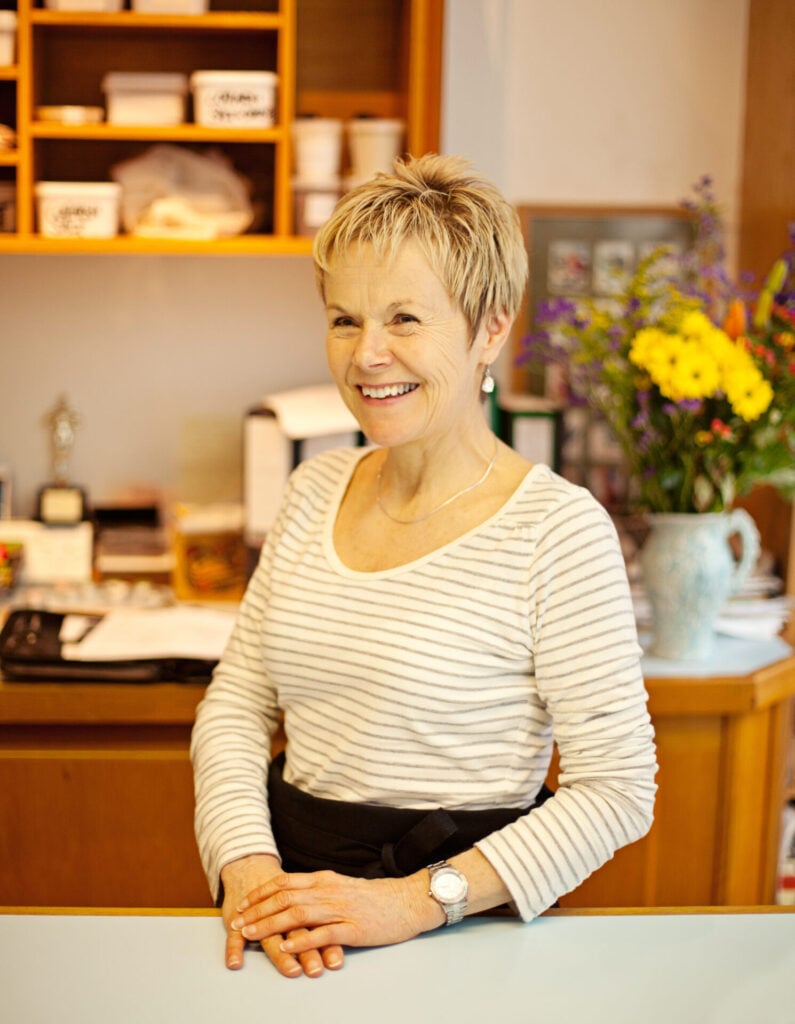
Speaking from a career that spans more than 40 years of inventing, testing and challenging industry norms, Ambrosen remains very hands-on and is still driven by curiosity, creativity and a refusal to accept ‘that’s just how things are done.
In this conversation with The Ethicalist, Helen reflects on constraint as a catalyst for innovation, why transparency matters more than ever, and what continues to excite her in a business that has never stood still.
TE: Lush has grown from a small, hands-on operation into a global business with a very loud conscience. How does it feel to look back at what started as an experiment at home and see what it’s become today?

Helen Abrosen: We were a small, hands-on operation but now we are a large hands-on operation. We’ve always had a loud conscience. When Cosmetics To Go ended, like many of the other Co-Founders I applied for a job elsewhere and started to move on with my life. But, like my fellow Co-Founders, I found the alternative just so uninspiring. I announced I was going back into our premises and starting inventing again and they joined me.
We are just as hands-on now as we were back then, and we are still full of creativity and passion for what we do. I am proud of what we have achieved, but we never rest on our laurels; there is much still to come.
TE: You’ve spoken about how early lack of money led you to experiment with solid products. Did necessity end up being a driver of some of Lush’s most innovative ideas?
HA: Making solid, naked products certainly was a result of us being innovative and creative with very little at the start of Lush. And then, of course, these had the added benefit of not requiring packaging to be recycled or discarded.
As an example, right at the very beginning of Lush, we were making things we needed for ourselves, and we came to deodorant. The natural deodorants around were stick deodorants, and we didn’t have any packaging or money, so we couldn’t do that. So I made a tray of deodorant filled with sunflowers, like a Van Gogh painting. That was the start of Aromaco – a deodorant we still sell today!
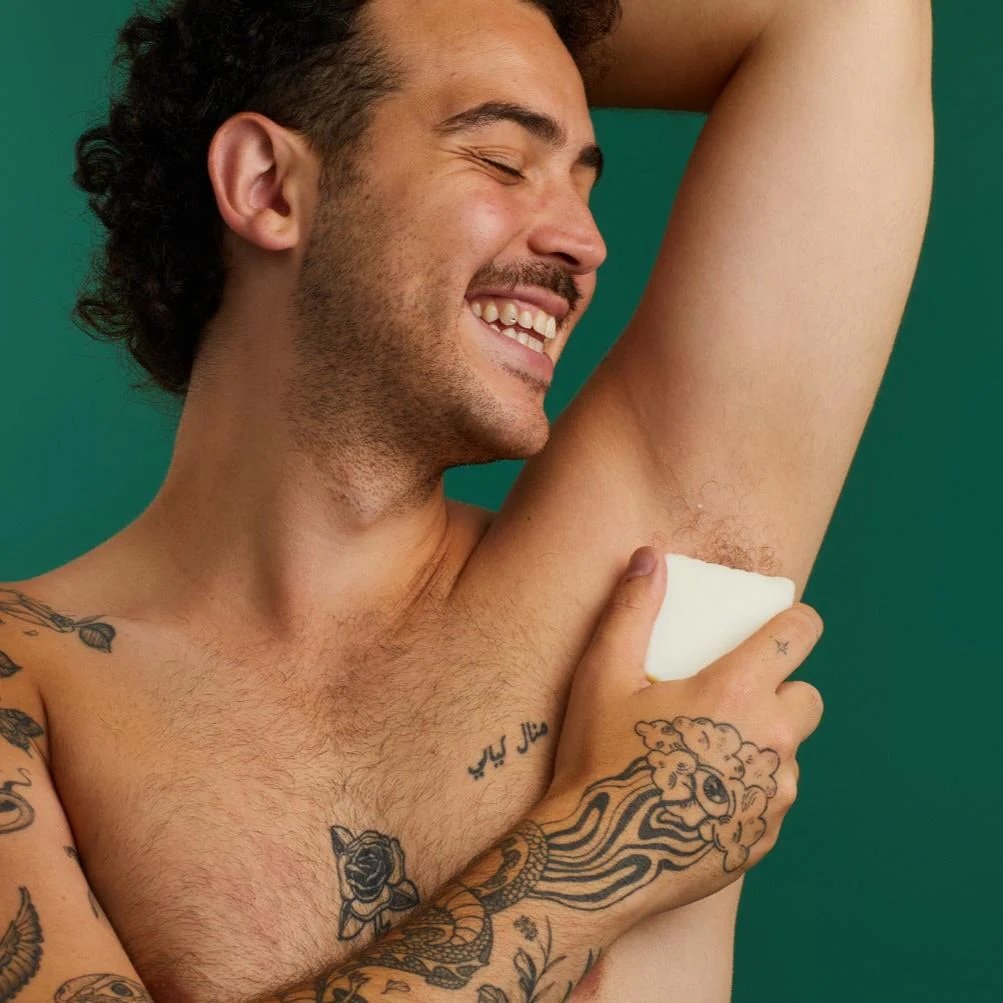
I always had this thing about making deodorants beautiful rather than just utilitarian. Aromaco used essential oils that would stick to and perfume the skin, which is why it’s patchouli-based. This was followed by Lush deodorant T’eo, which had a very benign baking-powder base that I realised could be deodorising for the skin. Like Aromaco, it’s unboxed, and you can add lovely essential oils to it to control microorganisms under the arms.
TE: Environmental responsibility has always felt personal at Lush. Where does that connection come from, and why has it been so important to protect nature as the business has grown?
HA: So many of the ingredients we use do good on the ground. We have a Buying Team that works with conscientious suppliers (and directly with growers and farmers where they can) to source high-quality ingredients, promote regenerative practices, and minimise waste.
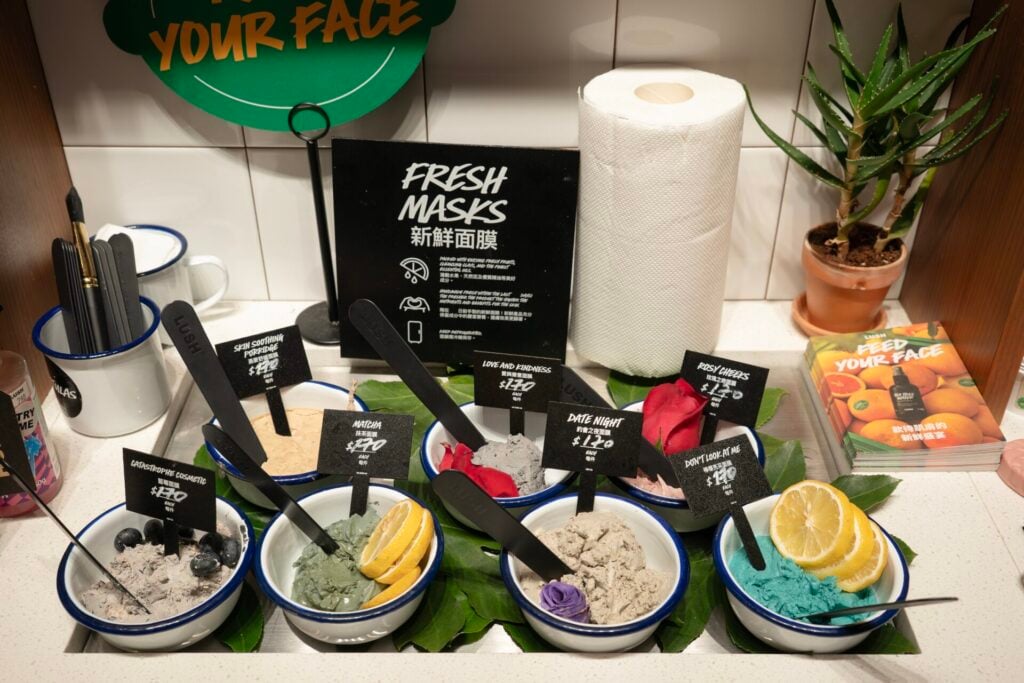
At Lush we are heavily dependent on nature, as we use hundreds of natural ingredients sourced from around the world. The climate crisis and extreme weather events can threaten the availability of these materials, and impact the communities that produce them. This makes our efforts to promote more resilient and regenerative practices ever more pertinent. For our business operations to continue, we need the landscapes and ecosystems we source from to thrive.
We also have a long history of activism and of using our platform to bring issues to public attention that we strongly believe in. This can be divisive, but we are proud to stand up for what we believe in, so customers know what we stand for when they shop with us.
TE: Lush has never been shy about taking a stand, including coming off social media and creating the watermelon soap in support of Palestine. Why is it important for the brand to act on its values, even when that means making uncomfortable or costly decisions?
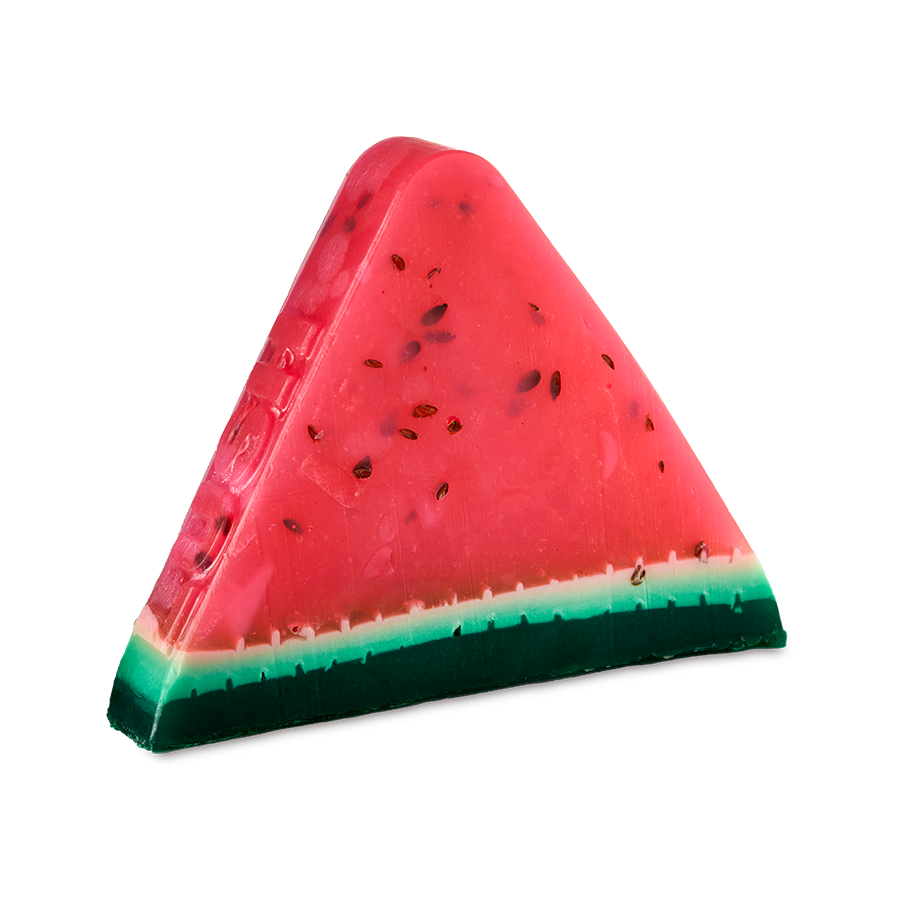
HA: We have always believed that capitalism can have a conscience and we want to be a force for good in the industry. The Lush Co-Founders came together because we were united by a cause and a passion for what we do. We are fortunate to be a global company of passionate people who share causes close to their hearts and have the opportunity to suggest and help develop Giving products that support them.
We also have a long history of activism and of using our platform to bring issues to public attention that we strongly believe in. This can be divisive, but we are proud to stand up for what we believe in, so customers know what we stand for when they shop with us.
TE: From clear sell-by dates to stickers showing who made each product, Lush does things very differently. Why was it important to bring transparency and humanity into beauty products?
HA: The way we operate is very different to other companies in the industry. We applied learnings and principles from our earlier businesses, Constantine & Weir and Cosmetics To Go, to build a global infrastructure that enables us to produce and deliver small batches of fresh cosmetics in a way no business at our scale can.
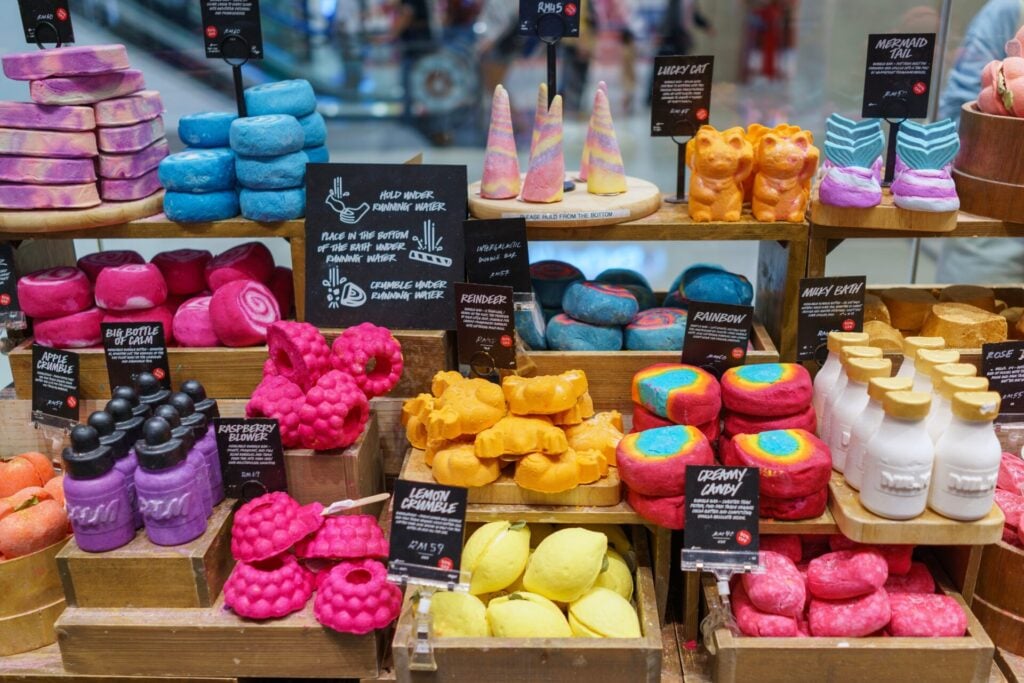
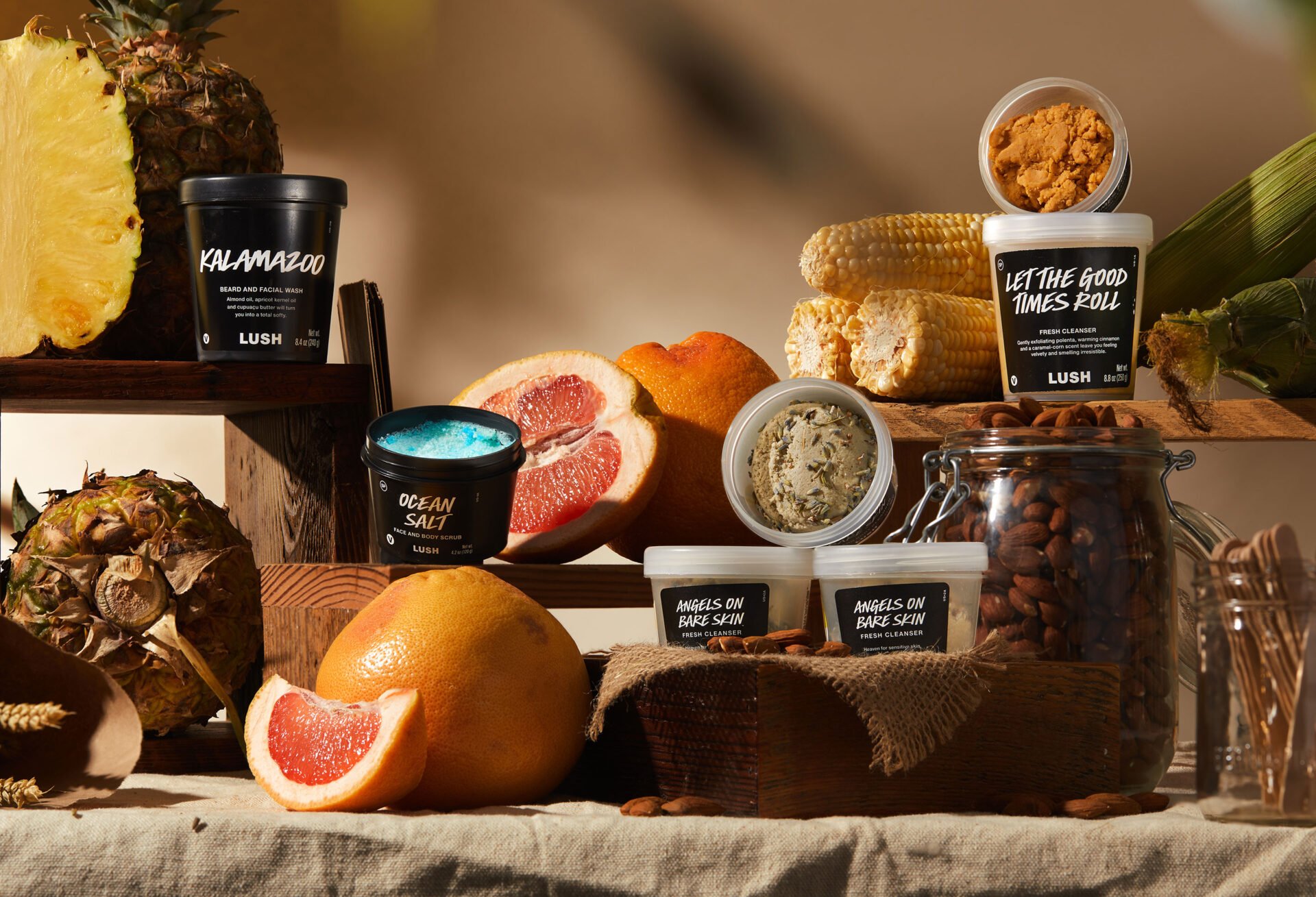
We’re able to offer products this fresh because we create our own formulas (right down to the perfume), source our own ingredients directly with growers or trusted suppliers, make them ourselves by hand in our factories and sell them ourselves in our shops. It enables us to work with lots of delicate natural materials that need human expertise and care, for our skilled compounders to make products they are proud enough to put their names on, and give our customers a unique offering on the High Street.
TE: Lush has spent years reducing plastic packaging. Looking back, are you proud that Lush pushed these ideas before they became widely accepted and what still needs to change in the industry?
HA: We have often been ahead of the curve in our innovations – my colleague and Co-Founder Mo Constantine invented the shampoo bar in 1989 and now they are everywhere! So we endeavour to offer options that enable our customers to shop more sustainably in terms of reducing packaging but also in terms of buying products that contain ingredients that have a positive impact on the community and environment.
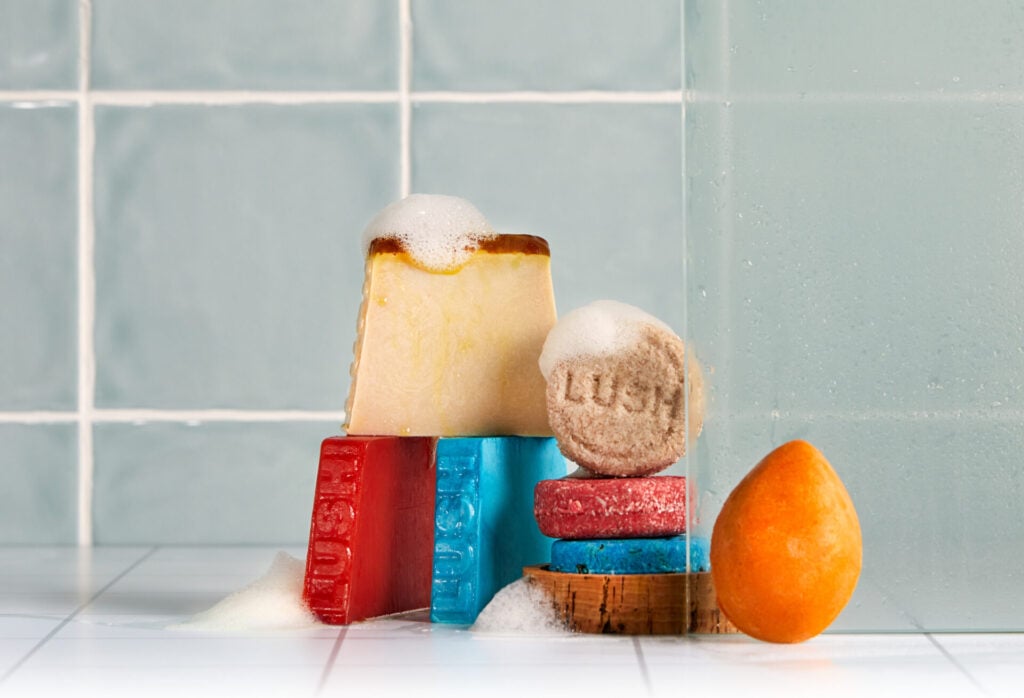
One of the key principles we stand by is to ensure the customer takes home the right product for them by aiming to offer exceptional customer service. This means they won’t take home a product that sits in their bathroom unused and ultimately is wasted.
TE: After 40 years of inventing, experimenting and pushing boundaries, what still excites you most when you step into a Lush kitchen today?
HA: My creativity comes from problem-solving, and there are always problems to solve. I like challenges! Environmental and ethical, safety issues – these all need attention. But sometimes I do get the pleasure of working in a category that is really joyous. For me, that’s haircare. You can see a difference in the hair the moment a product is used. That’s fun. So I am in hairspray at the moment. Having a nice time and that’s an escape from the trickier issues. Keeps me going!