
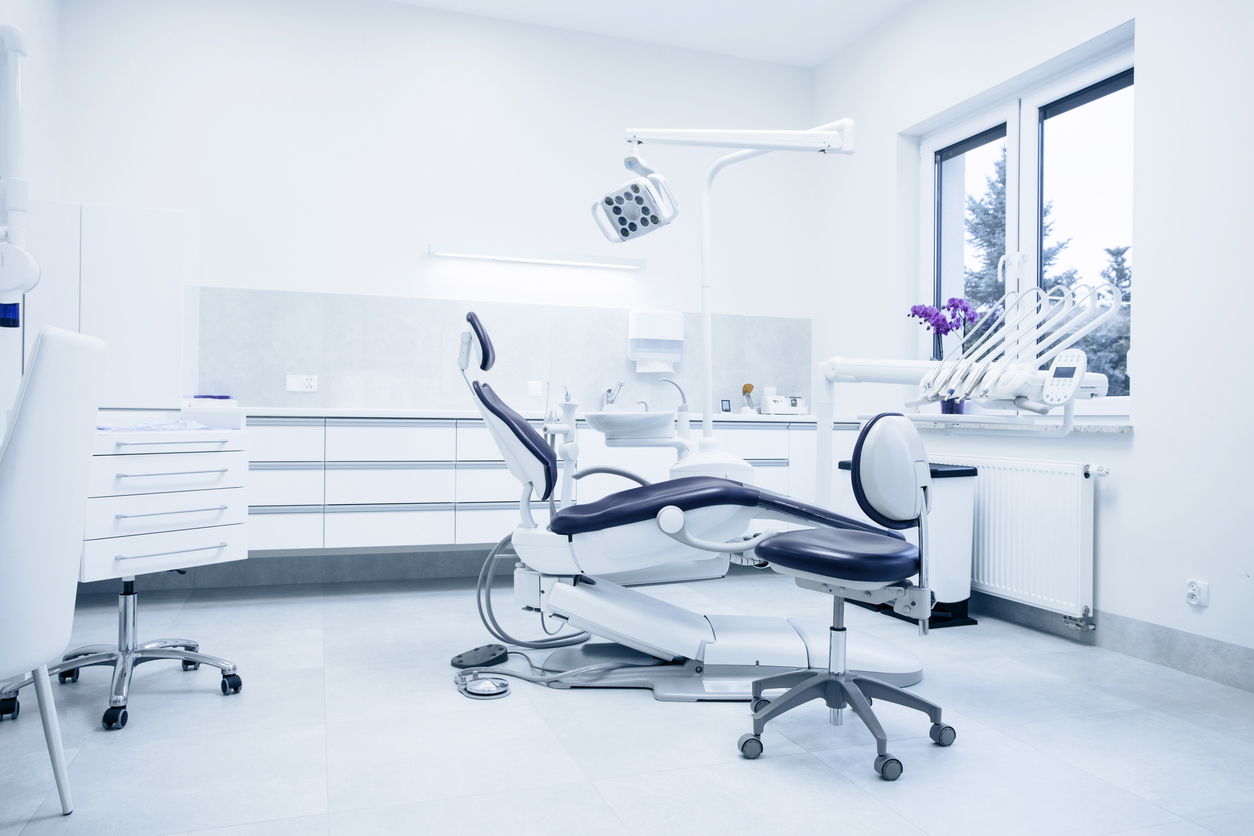
A dental appointment leaves more behind than a brighter smile. In the US alone, dental practices discard an estimated 1.7 billion sterilisation pouches and 680 million disposable barriers every year, according to the Eco-Dentistry Association.
From instrument wrappers to protective covers, alongside water, electricity, packaging, disposable supplies and sterilisation equipment, the waste soon mounts up. Place that across thousands of appointments, and it’s clear that even the most modest improvements could make a difference without compromising patient safety or quality of care.
If you run a dental practice, here are some simple ways to care for your patients while taking better care of the planet.
Sustainability Starts With Smarter Treatment Planning

Sometimes, the most sustainable dental procedure is the one that never becomes necessary.
Preventive care can reduce the likelihood of relatively minor oral health problems developing into conditions that require more complicated treatment, additional materials, repeat appointments, and greater use of clinical resources. Regular examinations, appropriate hygiene, early intervention, and useful patient education therefore have an environmental benefit alongside their obvious health value.
Careful treatment planning matters too. An appropriate procedure, properly carried out, can help avoid unnecessary corrections, remakes and further visits.
The same principle applies to orthodontics. For families comparing treatment approaches, information available through Dr Maccaro dentist in Garden City, NY can help explain how braces work and what different orthodontic options may involve.
The goal should always be efficient, evidence-based care that uses resources thoughtfully. A treatment’s apparent environmental benefits should never outweigh its suitability for the patient.
Dental Waste Needs Careful Handling
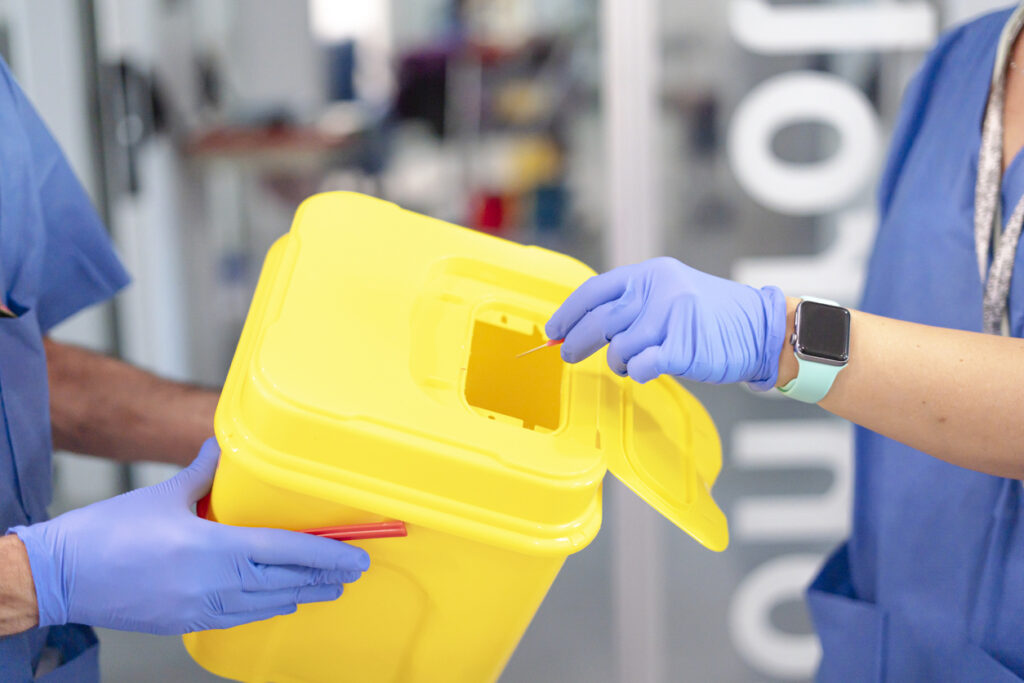
Dental practices generate paper, packaging, protective equipment, sharps, chemicals and clinical waste. Each requires appropriate handling, and infection-control standards mean certain single-use items cannot simply be replaced with reusable alternatives.
Start with waste that serves no clinical purpose. Better inventory management can prevent materials from expiring, while staff can avoid opening products before they are needed and compare packaging when clinically equivalent options are available.
Clear waste-separation procedures also help staff put materials in the correct stream. These measures work best as everyday habits, rather than occasional clear-outs when the supply cupboard becomes overcrowded.
Digital Systems Can Reduce Paperwork
Intake forms, consent documents, treatment plans, reminders and billing records have traditionally generated substantial paperwork. Electronic forms, secure patient portals and digital records can reduce repetitive printing and physical storage while making information easier to retrieve.
The broader move towards better use of electronic healthcare records and data reflects efforts to organise and share information more efficiently.
Digital systems have their own footprint: devices, servers and networks consume energy. Their environmental value depends on thoughtful implementation, particularly eliminating duplication rather than maintaining parallel paper and digital systems unnecessarily.
Water Management Deserves Attention
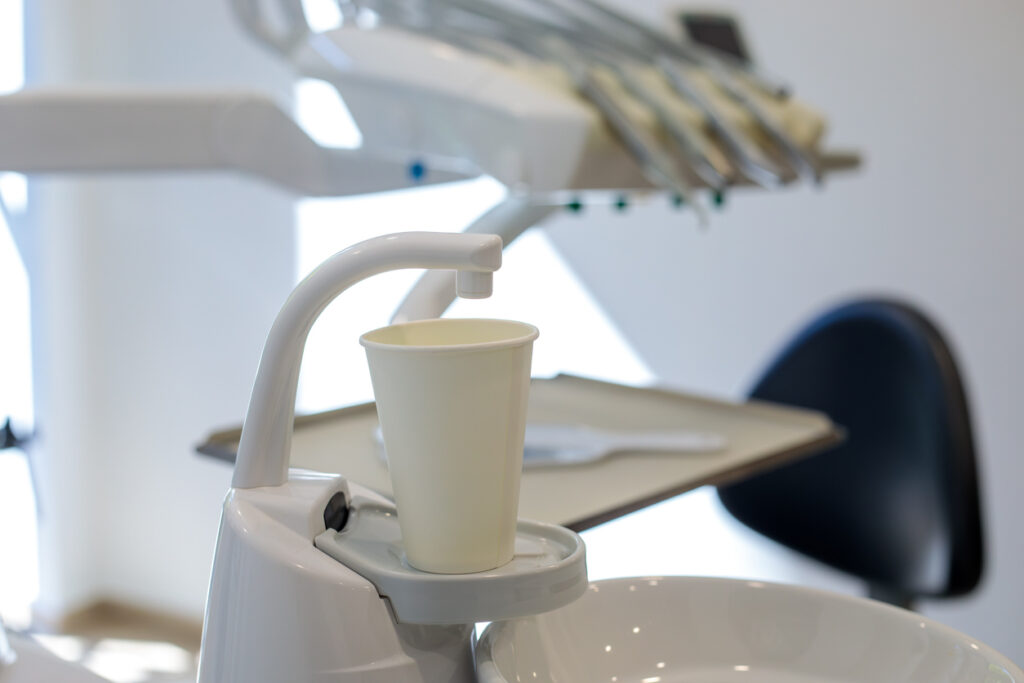
Handwashing, sterilisation, equipment cleaning and clinical procedures all require water. Leaking fixtures and poorly maintained equipment can waste it without you noticing, so routine maintenance is a sensible starting point.
Repair leaks promptly, review cleaning procedures and consider water efficiency when equipment needs replacing. Any changes must preserve hygiene and clinical performance.
Wastewater matters too. Practices handling dental amalgam, which contains mercury, need appropriate separation and disposal systems to keep harmful substances out of wastewater streams. Sustainable dentistry includes what leaves through the drain as well as what goes into the bin.
Reduce Unnecessary Energy Use
Lighting, computers, imaging systems, sterilisers, compressors, suction equipment and climate control contribute to a practice’s energy consumption.
LED lighting, sensible temperature settings and regular maintenance can help reduce waste. Shutdown procedures are useful for devices that do not need to run continuously, provided manufacturer guidance and clinical requirements are followed.
When equipment reaches the end of its useful life, consider efficiency alongside reliability, performance and cost. Replacing functioning equipment solely to obtain a newer model also has material and manufacturing implications.
Buy Thoughtfully
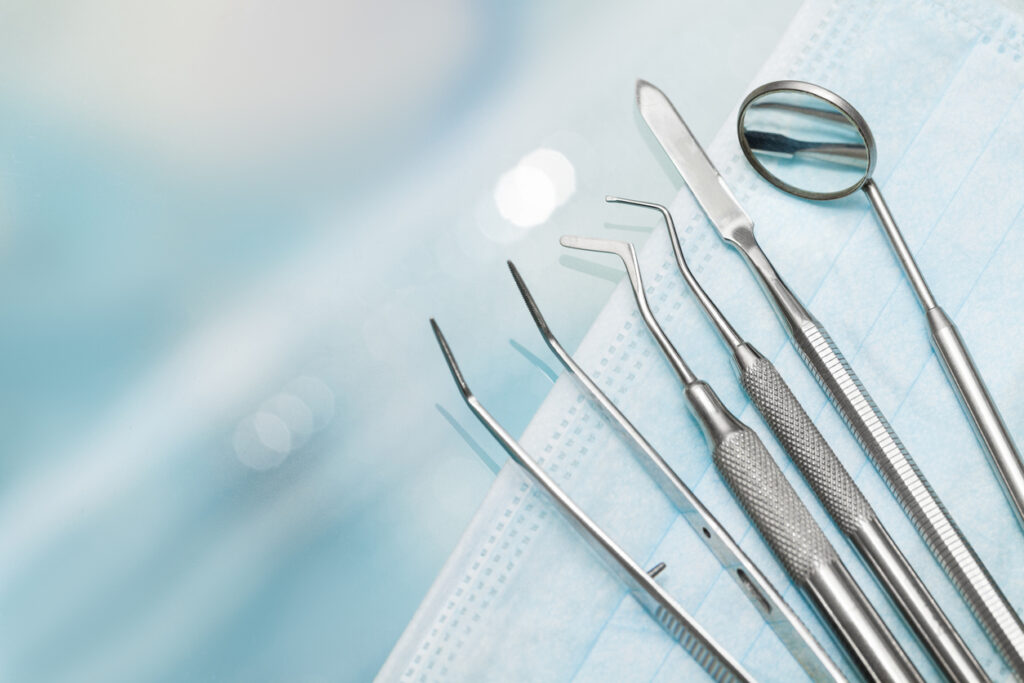
A practice’s footprint begins before supplies reach the treatment room. Boxes, wrappers, plastic containers and shipping materials all contribute, although some packaging is essential for sterility.
Consolidating orders can reduce repeated deliveries, while monitoring stock helps prevent overordering. Bulk buying only makes sense when supplies will be used before they expire.
Ask suppliers about responsible sourcing, recyclable packaging, take-back programmes and lower-waste shipping. Compare options on clinical performance first, then examine where unnecessary packaging or transport can be reduced.
Make Sustainability a Team Effort
Dentists, hygienists, assistants, reception staff and practice managers all influence resource use. Purchasing, sterilisation, records and disposal involve different people, so a policy needs clear responsibilities and practical routines.
Begin with manageable changes: reduce unnecessary printing, improve waste separation, check expiry dates and maintain equipment. Monitor progress so the team can see what works and where further adjustments are needed.
Reviewing these routines regularly helps keep improvements in place as staff, suppliers and equipment change. A new ordering system or waste policy is only useful if everyone understands it. Giving colleagues space to suggest practical improvements can also reveal overlooked sources of waste in the tasks they carry out every day.
Patients can contribute through digital forms and reminders, preventive appointments and good home care. Clear advice helps make these choices part of ordinary dental care.
Dental practices will always need materials, energy and strict infection control. Sustainability means using those resources deliberately, reducing avoidable waste and building better habits into each working day, while keeping patient care at the centre.