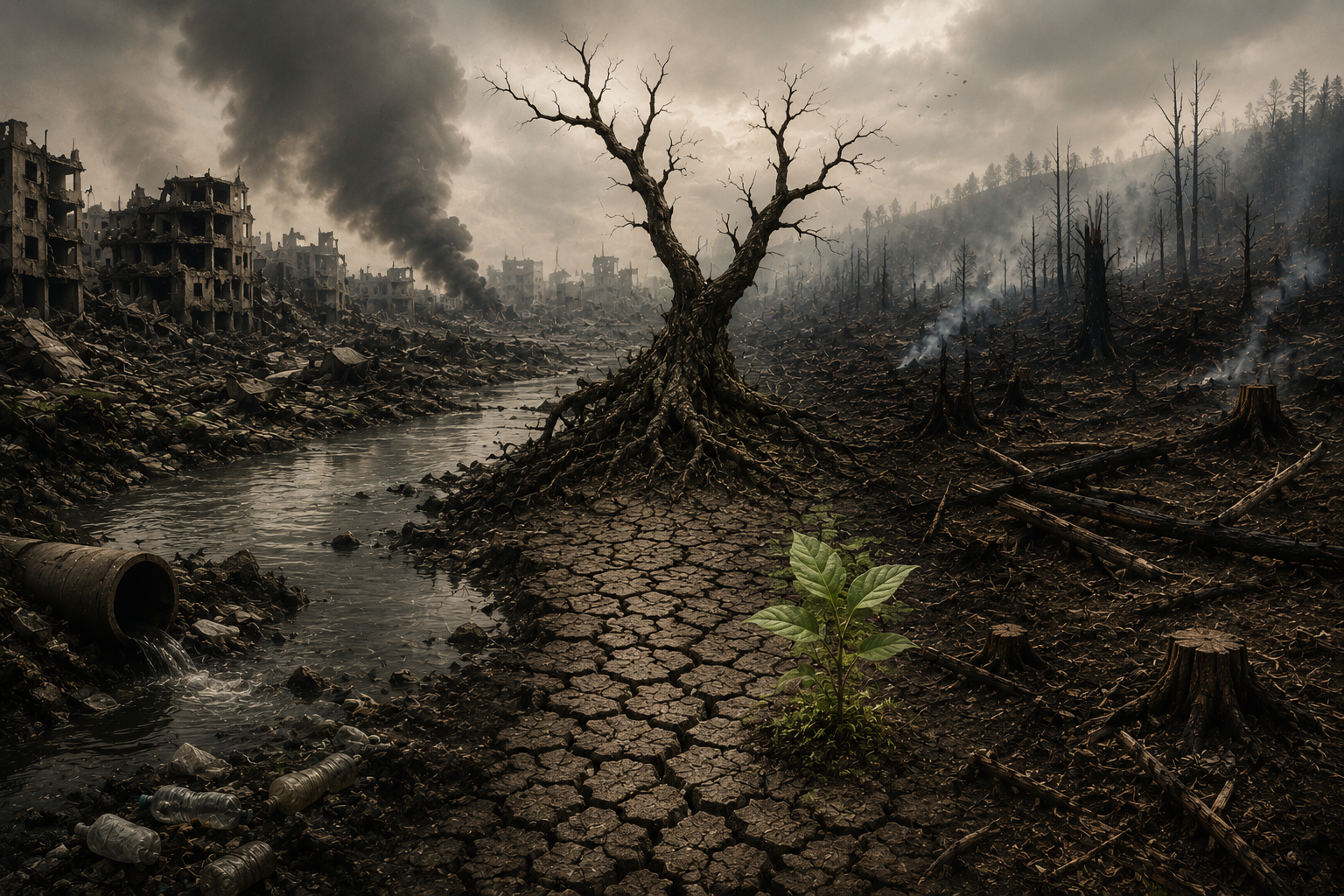
As conflict continues to reshape parts of the Middle East, from Gaza to Lebanon and beyond, the immediate focus is rightly on the humanitarian toll. But long after the headlines fade, the psychological scars will echo for generations, while the environmental toll hangs heavy in the air. What crops remain when 80 per cent have been decimated? What can grow in soil that has been poisoned by chemicals and wastewater leaking from shattered treatment plants?
In research published by RAND, a US-based think tank, senior policy reporter Shelly Culbertson said that the rebuilding of Gaza ‘will take 80 years,’ if Israel continues to block construction materials from entering Palestine. But after the bodies and rubble have been cleared, how much of it will be inhabitable due to the mountains of toxic waste that remain?
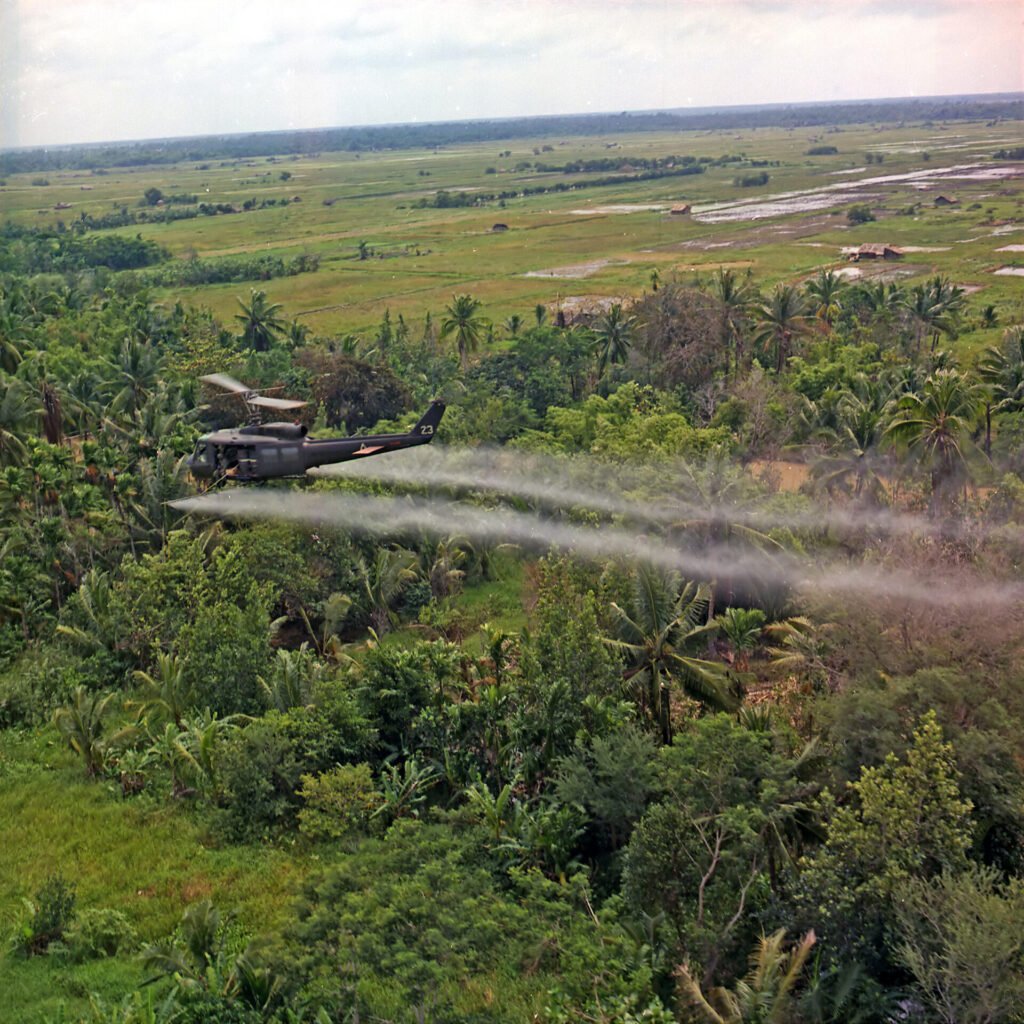
Ecocide, defined by the Oxford English Dictionary as ‘destruction of the natural environment, especially when deliberate’, entered public discourse in the 1970s, when U.S. biologist Arthur Galston used it to describe the environmental devastation caused by Agent Orange in Vietnam.
There is a growing international campaign to add ecocide to the Rome Statute of the International Criminal Court as a fifth core international crime. While the current ICC arrest warrants against Israeli Prime Minister Benjamin Netanyahu and former Defence Minister Yoav Gallant relate to alleged war crimes and crimes against humanity, campaigners argue that recognising ecocide could strengthen future accountability for severe environmental destruction during armed conflict.
The Ecology of Destruction
When scientists, who had protested the use of herbicidal warfare, finally gained access to zones in Vietnam that had been sprayed with Agent Orange, they confirmed that it was a major ecological disaster. Nearly half of the country’s coastal mangroves (over 305,000 acres) were left lifeless and, 50 years on, have still not recovered. Hundreds of millions of acres of forest also perished, removing habitats for rare bear and leopard species. Over 20 million gallons of defoliants were dumped on Vietnamese soil in what became known as a heinous act of ecocide that has reverberated in the aftermath.
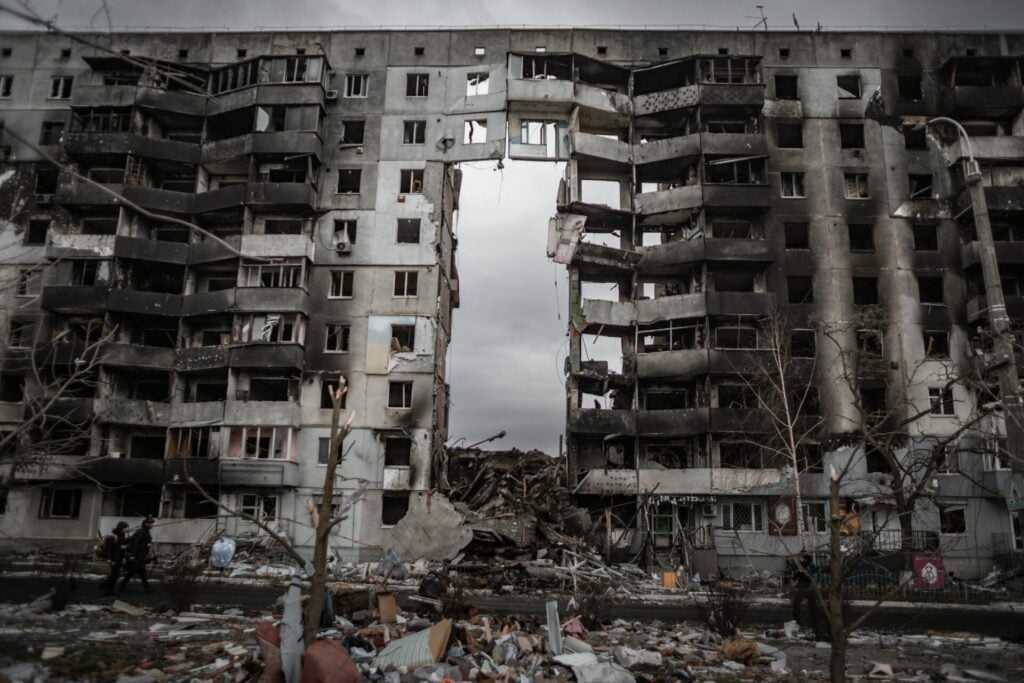
Since Russia invaded Ukraine in February 2022, the ensuing war has caused irreversible damage to the landscape, including an estimated 30 per cent of the country’s protected areas that comprise coastal wetlands, chalk cliffs and wildflower meadows.
In June 2023, the Kakhovka Dam collapsed due to an internal explosion (which most experts attribute to Russian forces), releasing billions of gallons of water and flooding an area 620 square kilometres wide. 11 million hectares of vegetation were lost, affecting families, farms and the supply chain. Two years on, scientists warn that the disaster has created a long-term environmental hazard. More than 80,000 tonnes of toxic heavy metals trapped in the reservoir’s sediments remain at risk of gradually leaching into rivers and soils, threatening ecosystems, agriculture and public health for decades.
It also impacted the cooling systems for the Zaporizhzhia Nuclear Power Plant, Europe’s largest, increasing the risk of a nuclear disaster on the scare of Chernobyl. UN Secretary-General António Guterres called it a “monumental humanitarian, economic and ecological catastrophe.
‘Restoring freshwater systems and removing debris to enable humanitarian access and restore essential services are urgently required to save lives. The recovery of vegetation, freshwater ecosystems and soil will also be critical for food and water security, and to ensure a better future for Gaza’s people’
Inger Andersen, UNEP
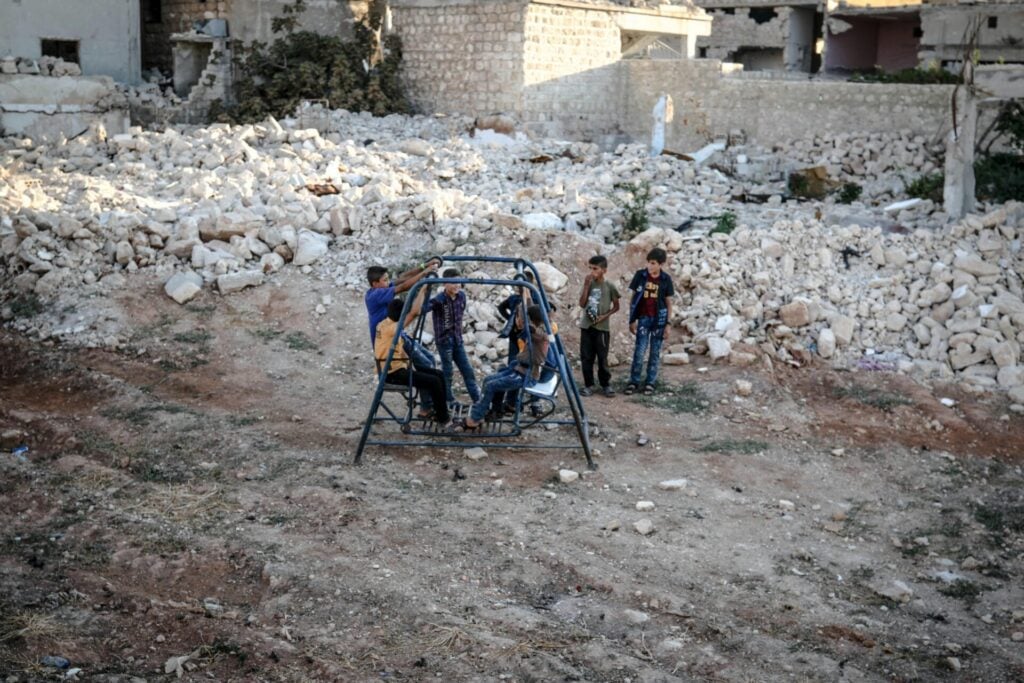
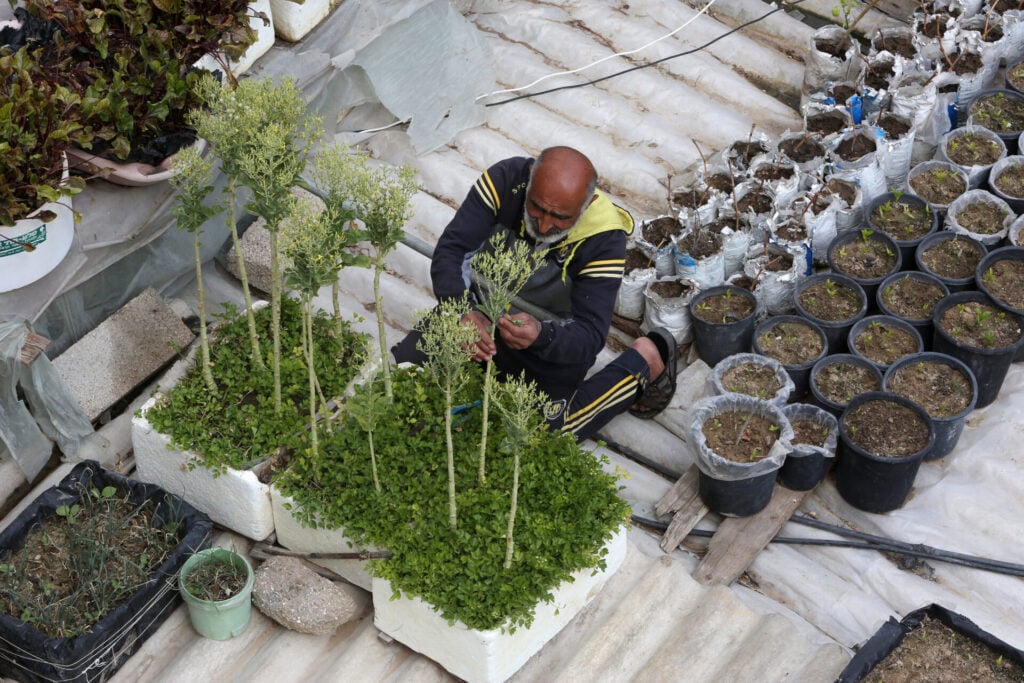
The environmental consequences of conflict are not confined to Ukraine. In Gaza, the destruction of farmland, orchards, water infrastructure and wastewater treatment facilities has prompted the United Nations Environment Programme (UNEP) to warn of ‘unprecedented levels of environmental damage’, with recovery expected to take decades. The agency says the conflict has damaged soils, freshwater supplies and coastlines, while contaminated groundwater, untreated sewage, hazardous debris and the collapse of essential services are threatening long-term food and water security.
As UNEP Executive Director Inger Andersen warned: ‘Ending the human suffering that has engulfed Gaza must be the first priority…Restoring freshwater systems and removing debris to enable humanitarian access and restore essential services are urgently required to save lives. The recovery of vegetation, freshwater ecosystems and soil will also be critical for food and water security, and to ensure a better future for Gaza’s people.’
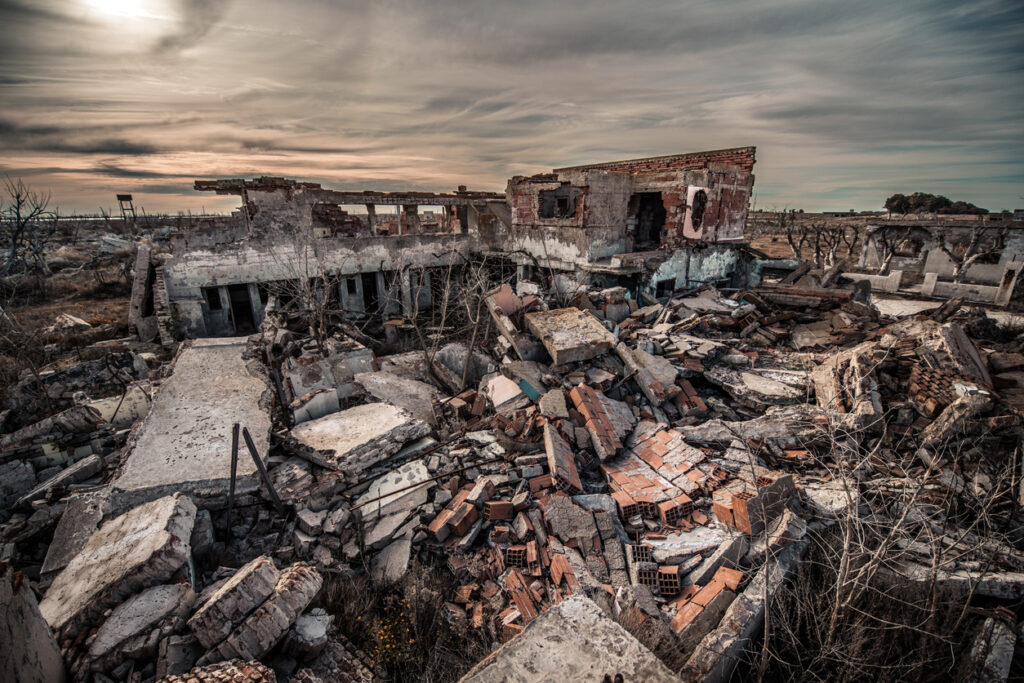
In neighbouring Lebanon, years of cross-border hostilities have also taken a heavy environmental toll. Rights groups have documented widespread damage to forests, olive groves and agricultural land, including allegations of the use of white phosphorus, which scorched vegetation and contaminated soil. More recently, Lebanese authorities accused Israel of aerially spraying highly concentrated glyphosate over farmland in the south, saying it threatened soil fertility, biodiversity and food security. The incidents have intensified calls for stronger international legal protections against environmental destruction during armed conflict.
Legal Frontiers
Although the ICC has not formally declared ecocide in Ukraine, the country’s delegation to COP27 in Sharm el-Sheikh presented a pavilion dedicated to the topic. Assistant environment minister for Ukraine, Svitlana Grynchuk, said to The Guardian (UK newspaper), ‘The invasion has killed wildlife, generated pollution and caused social instability… Our environment is under threat because of this terrorist attack.’
The European Parliament has supported Ukraine’s position on ecocide in two resolutions adopted in 2023, noting the ‘severe damage to the natural environment and the climate’ and deeming Russia’s destruction of the Kakhovka dam as war crimes. Since then, momentum has continued to build. In 2024, the European Union formally adopted a new Environmental Crime Directive, requiring member states to introduce tougher criminal penalties for the most serious environmental offences, including conduct considered comparable to ecocide.
In May 2025, the Permanent Mission of the State of Palestine to the Kingdom of the Netherlands formally described the environmental destruction in Gaza as ecocide, citing that less than 5 per cent of agricultural land remains suitable for cultivation. Legal experts, including Forensic Architecture and Law for Palestine, submitted evidence to the International Criminal Court, arguing that the environmental devastation meets the threshold for prosecution under emerging ecocide frameworks.
This is the first state-level use of the term, widely supported by many human rights groups and international institutions, and has opened up the possibility of Gaza being a justifiable case study for it, given the intentional widespread destruction and environmental fallout.
Defence is Costly for the Planet
Even though the toll of war on the environment is well known, the Paris Agreement signed by 196 members at COP21, appears to have a glaring omission. Due to the formerly ratified Kyoto Protocol, military emissions can be excluded from a country’s national greenhouse gas inventories. When you consider that collectively, global militaries would rank as the 4th largest polluter, there is another hidden cost to war where no mitigation is considered. As Dr. Stuart Parkinson, Executive Director of Scientists for Global Responsibility states, this is ‘made worse when you consider that these estimates are conservative and do not account for when different armies engage in warfare.’
In Gaza, the carbon footprint of Israel’s military campaign exceeds 31 million tonnes of CO₂, more than the annual emissions of over 100 countries including Costa Rica and Zimbabwe
In 2022 alone, the world’s top 25 arms makers sold weapons worth around US $429.6 billion. Every one of these deals carries a carbon cost, starting with the mining of raw materials and running through factory floors to transport, military operations and disposal after use.
And weapons are just one piece of the war machine. Modern militaries rely on everything from fuel and vehicles to electronics and uniforms, each with byproducts that leave a trace. What’s rarely acknowledged is how little of this pollution is reported, especially from overseas bases or during active conflict.
A report released in February 2025 found that during the third year of the war in Ukraine, fighting had pumped over 55 million tonnes of CO₂ into the atmosphere, more than some entire global industries produce.
In Gaza, the carbon footprint of Israel’s military campaign exceeds 31 million tonnes of CO₂, more than the annual emissions of over 100 countries including Costa Rica and Zimbabwe.
Russian submarine radar systems have also had a devastating effect on the marine ecosystems of nearby countries such as Romania, Bulgaria and Turkey, where dolphins have been dying in the water.
The Emissions of Recovery
When a war ends, it may mean the bombing has stopped but recovery can also carve a hazardous wake.
Schools must be rebuilt and hospitals reinstated. Offices and homes require reconstruction. When clearing the mountains of debris left behind, are green policies even a consideration?
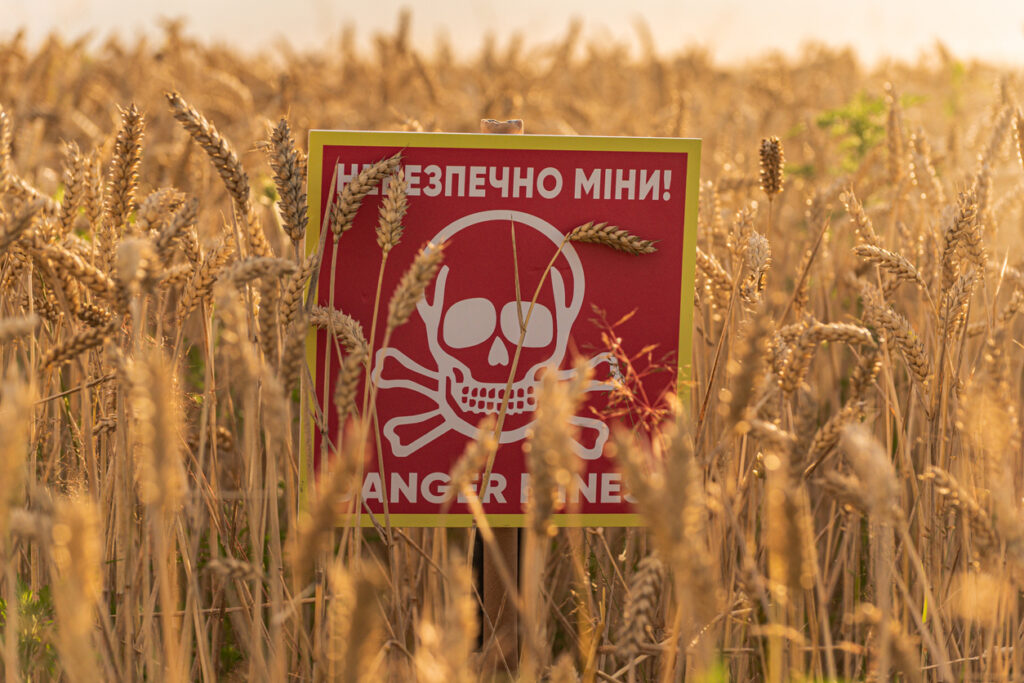
Ukraine’s economy relies heavily on industry, and its landscape is populated by factories, coal mines and chemical plants. Many of these sites have been hit during the war, releasing clouds of noxious chemicals into the air, polluting the water and soil. As well as creating health risks for humans that will linger long after Russian interference, it will be a challenge to reclaim all this safely.
Resources can be scarce, and the cost of materials is not just monetary – it can affect nations that are not currently in conflict. Sand, for instance, is being extracted from the deltas of rivers such as the Yangtze and Mekong, leading us to the brink of a ‘sand crisis’ according to the UN Environment Programme. Entire villages and ecosystems are disappearing due to dredging sand and collapsing riverbanks.
Less than 10 per cent of contaminated waste is being managed properly in Palestine, with much of it being burned or dumped into the sea, because there is nowhere else for it to go
However, efforts are being made by Ukraine’s government to achieve a green transition and are actively considering paths to redevelop that include nature-preserving and low carbon initiatives.
A UN report released in September 2025 estimated that less than 10 per cent of contaminated waste is being managed properly in Palestine, with much of it being burned or dumped into the sea, because there is nowhere else for it to go. Mountains of rubbish have been piling up for months.
According to PCHR’s follow-up, the extensive destruction of infrastructure, municipal buildings, waste management facilities, and landfills, along with the shortage of fuel needed to operate wastewater and waste transfer vehicles, has resulted in an almost complete inability to collect and safely dispose of solid waste. As a result, waste is accumulating in residential areas, near shelters, and between tents in streets and markets, creating conditions conducive to the outbreak of epidemics.
Across the world from Sudan to Myanmar, conflicts continue to rage, and the environment is the least considered player, always an afterthought in the quest. However, as ecosystems are treated as collateral damage, they should be reframed as casualties of deliberate strategy as well as every human life.
It is time to enshrine ecocide as a punishable crime, so that all the perpetrators can be held to account for their violation of a planet that has given us an abundance. In order to protect our planet in times of peace, we must defend it during war.
This article has been updated from its original October 2025 version.