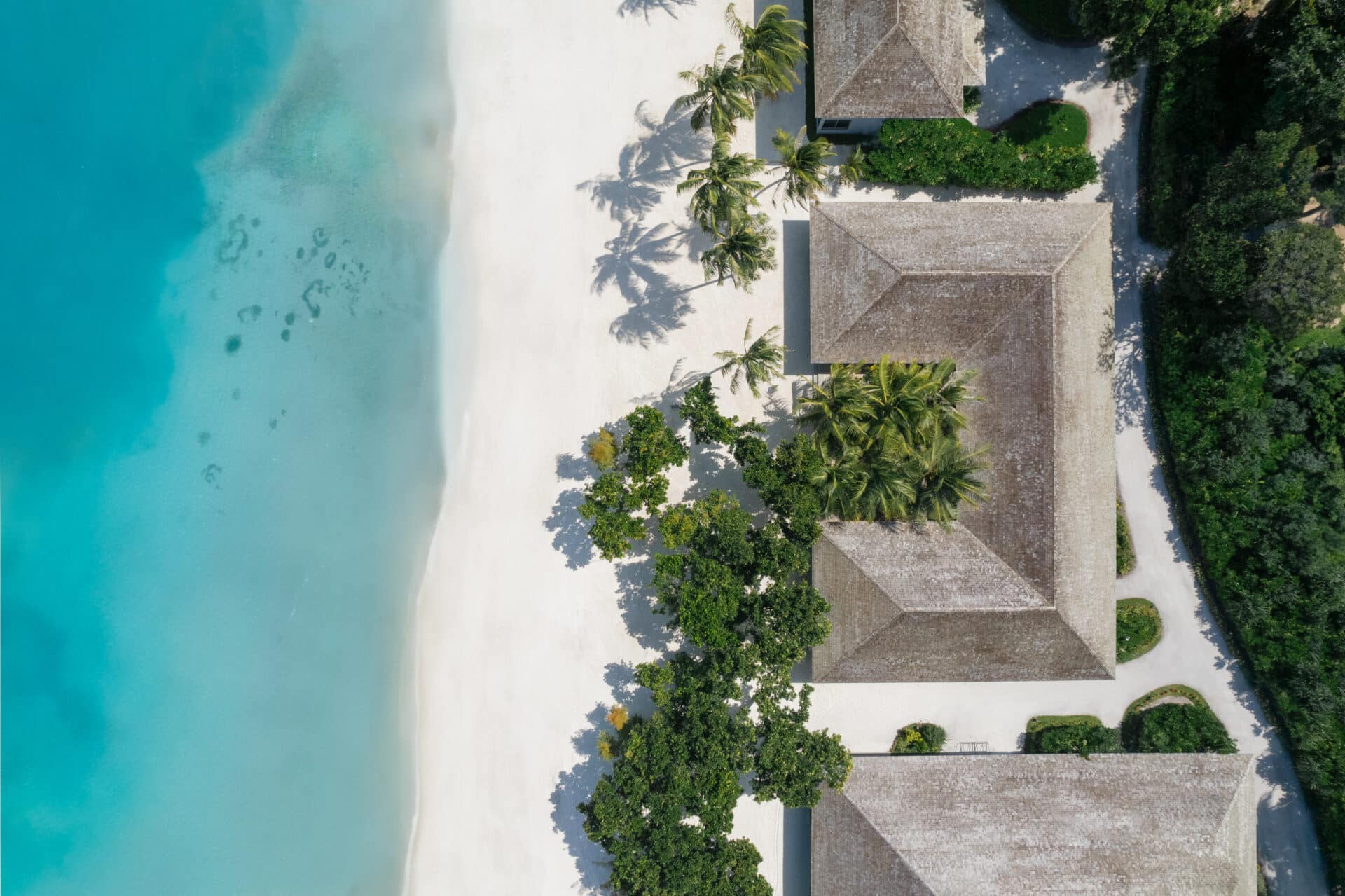
Countless Maldivian resorts claim to offer some form of sea turtle conservation programme, but in reality, there’s a clear difference between offering wildlife encounters and actively contributing to long-term protection. One place that falls into the latter category is Jawakara Maldives.
While Jawakara’s white sand beaches and overwater villas are beautifully luxurious, it’s the resort’s environmental action that sets it apart. This month, in partnership with the Olive Ridley Project, the five-star resort will open the largest and most advanced sea turtle hospital in the region. The sanctuary will become the non-profit’s main centre for sea turtle care, professional training and research in the Maldives.
The centre will be one of the few places in the world offering clinical regenerative medical therapy for sea turtles, and the only institute to provide a Sea Turtle Veterinary Assistant Diploma in partnership with the Maldives National University.
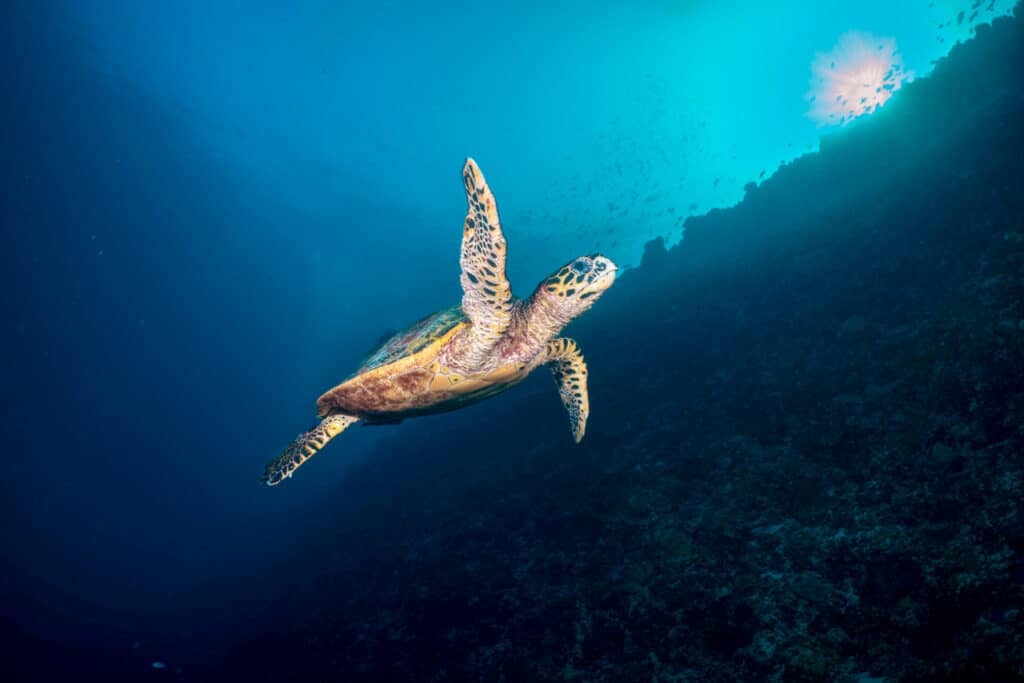
Open to both the local community and international visitors, guests at the resort will be invited to tour the institute, attend talks on turtle health, sponsor turtles and watch turtle hatchlings being safely released. Conservation training programmes will also be organised for local schools and employees working across the atoll.
When I visited late last year, the facility was adding the final finishing touches before admissions opened. Head Veterinary Surgeon Dr Hasnaulhusna explained that the existing Olive Ridley Project Marine Turtle Rescue Centre in Baa Atoll was at capacity with sick and injured turtles.
‘Most of the turtles we receive have become entangled in ghost nets’ she explained. ‘We receive an influx during Monsoon season (November to March/April) when the nets drift into our waters from nearby countries.
‘It’s important to protect turtles as they are a keystone species, and they play a huge role in the ecosystem. Sea turtle medicine is also a topic that not many people know about, and so we want to spread knowledge about turtles across the globe.’
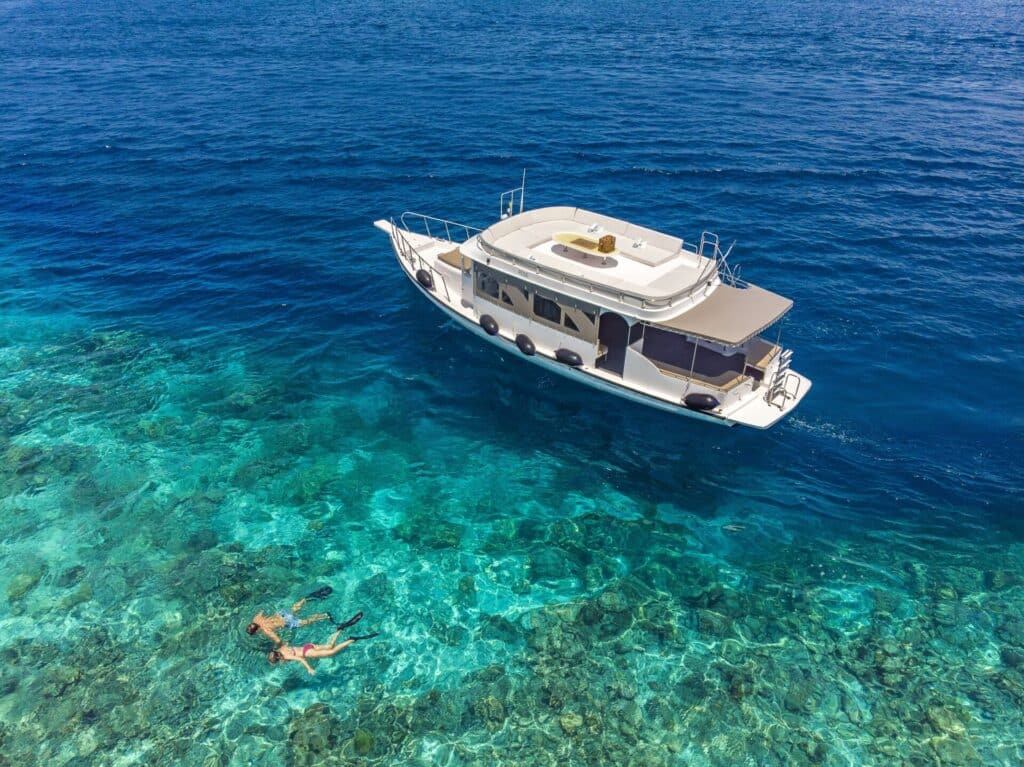
The conversation with Dr Naul left me keen to spot some turtles in the wild. So, the next day, I joined a snorkelling excursion that took us out to the edges of a coral reef. Within seconds of entering the water, our guide had spotted a turtle. By the end of the snorkel, we’d seen several green turtles, an enormous nurse shark, and a kaleidoscope of tropical fish.
I also took part in Jawakara’s not-to-be-missed sunset dolphin safari. As the sun started to dip and we had set back for shore, a pod of dolphins suddenly appeared, swimming and leaping alongside the boat. Paired with the golden skies, it was a magical and unforgettable experience.
From Jawakara to Hurawalhi
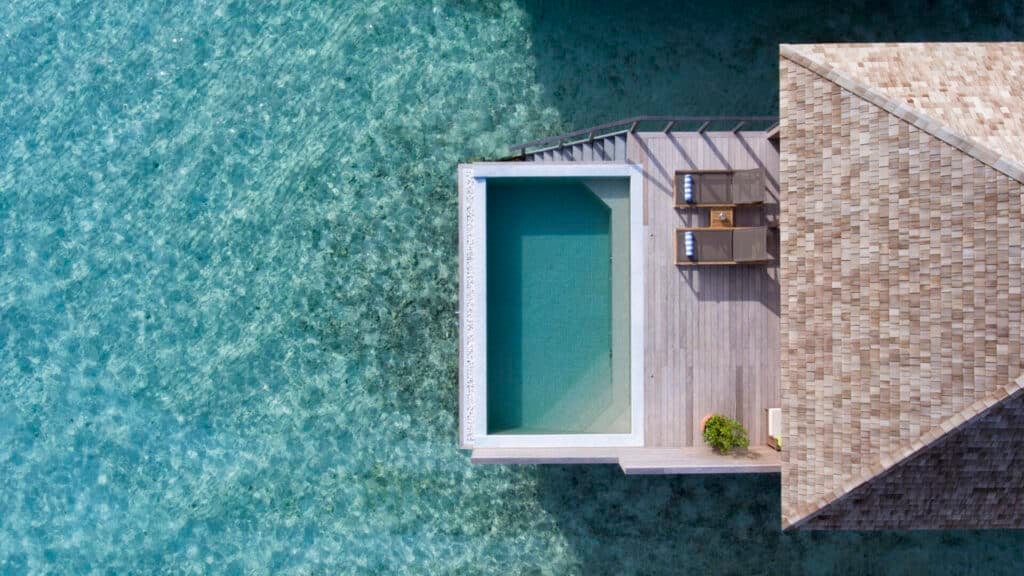
From Jawakara, I travelled on to the resort’s sister property, Hurawalhi Island Resort, where spotting incredible marine life was, to my astonishment, even easier. Every time I walked to or from my overwater villa, or ambled down the steps from my terrace for a quick snorkel, I seemed to be joined by a ray, shark or squid.
While I knew they were harmless, getting so close to the black-tip reef sharks was still thrilling, while watching a stingray settle into the seabed from just a few feet away was surreal in every sense of the word.
While I could have satisfied all my snorkelling cravings in the clear waters around my villa, taking a boat to the seagrass beds of the neighbouring Kuredu Island Resort and Spa with the resident marine biologist let me get up close to even more huge green sea turtles. Around 200 turtles call the area home, while several species of whales and dolphins can also be spotted there.
In fact, a pod of dolphins passes by the island several times a day, and I was lucky enough to see them swimming close to the shore of ‘Dream Island’, a gorgeous sandbank guests can visit for a private swim or romantic proposal.
One final pinch-yourself moment came while dining 5.8 metres below sea level, when a hawksbill turtle glided past the windows of Hurawalhi’s undersea restaurant. The deepest all-glass dining experience on the planet, Hurawalhi’s iconic 5.8 Undersea Restaurant serves up fine-dining set menus (including a very creative vegan option) and an extra-special setting.
While the five-star accommodation, restaurants, spas and gyms across both islands were exceptional, ultimately, it’s the wildlife – from sea turtles and rays to the island’s enormous fruit bats – that sets Jawakara and Hurawalhi apart from the Maldives’ more conventional luxury resorts.
If you’re an avid animal lover looking for an environmentally conscious way to visit the island nation, both deserve a spot on your bucket list.
To know more visit jawakara.com