
From hard data to deeply human storytelling, a new wave of environmental writing is helping readers to understand the scale of climate change and how to live through it.
To mark World Book Day on April 23rd, we’ve compiled nine eco reads that inform, challenge and, in some cases, offer a way forward.
Time to take a break and pick up something that matters.
1. The Climate Book, Greta Thunberg
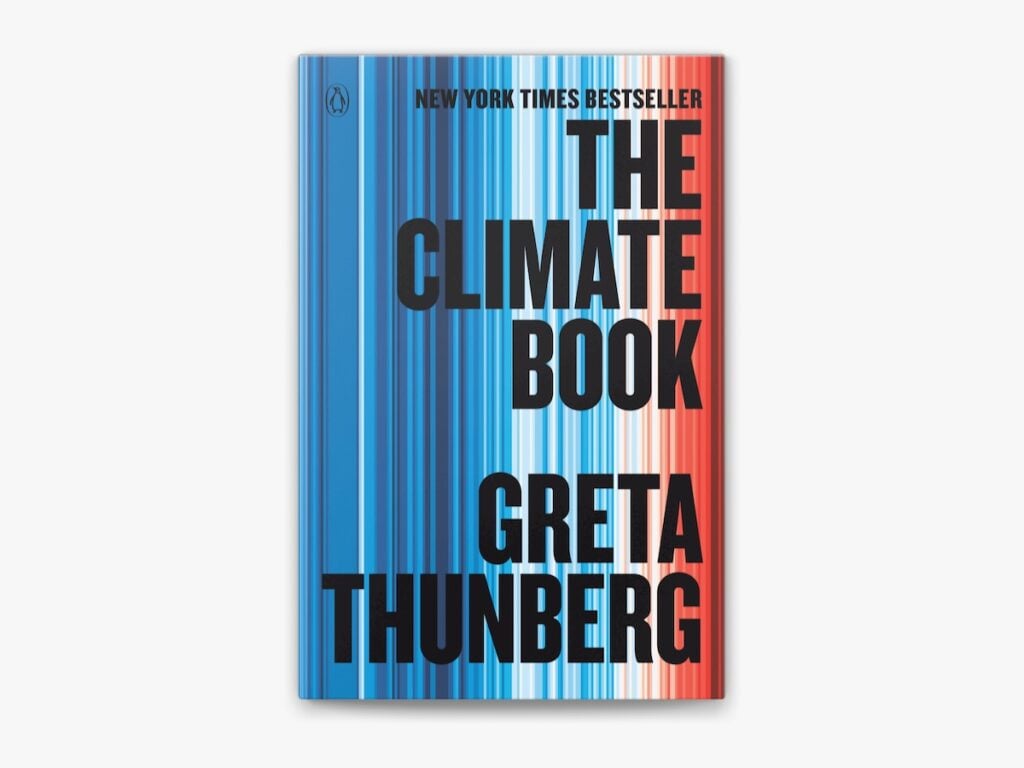
This is not a book you dip into lightly. Bringing together over 100 experts, New York Times bestseller The Climate Book lays out the science, the failures, and the urgent realities of the climate crisis in stark detail. It’s comprehensive, at times overwhelming, but essential – one of the most important eco reads for anyone looking to properly understand the scale of the issue. More than anything, it’s a rare consolidation of knowledge, science, politics and the lived, all in one book.
2. Wilding, Isabella Tree
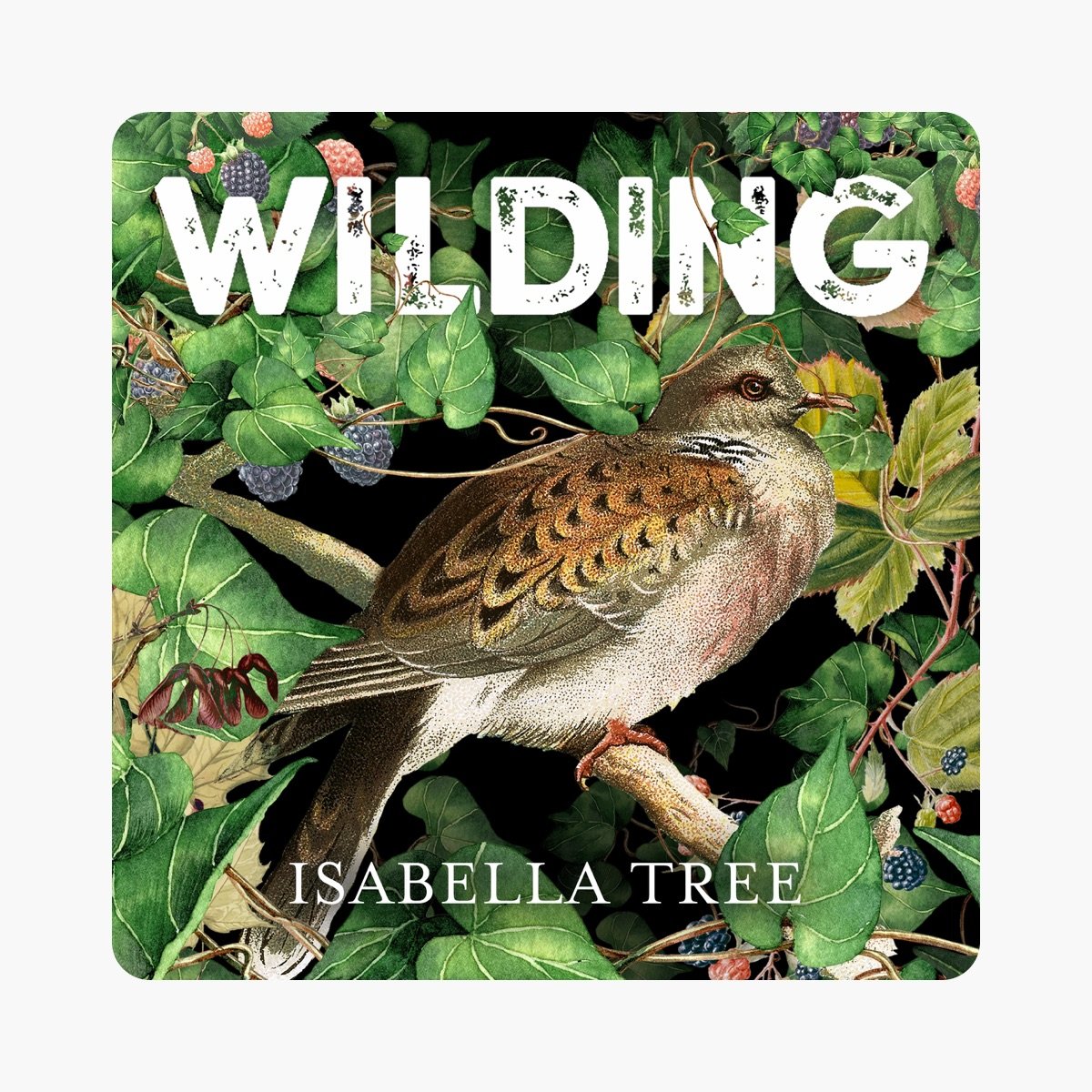
Less about crisis, more about possibility, Wilding tells the story of a failing English farm turned rewilding success, when nature is allowed to take the lead. It’s hopeful without being naïve, showing how ecosystems can recover when we step back, rather than intervene. In doing so, it challenges long-held assumptions about control, productivity and what successful land management really looks like. A powerful case for rethinking the farming status quo.
3. Surviving Climate Anxiety, Dr Thomas Doherty
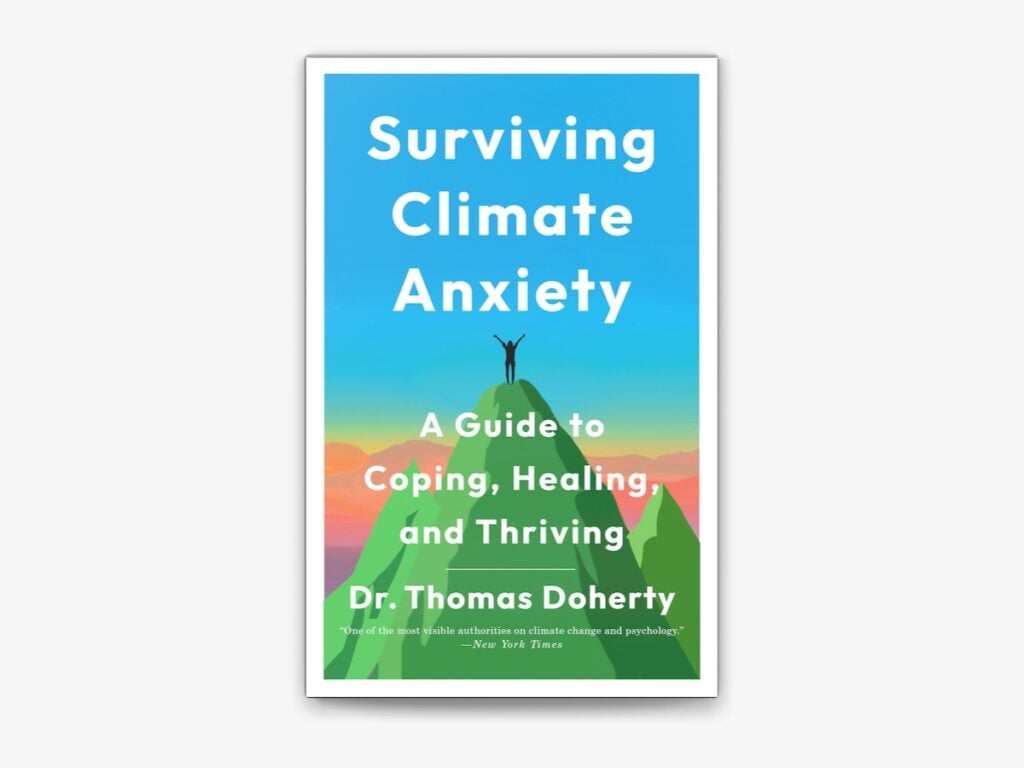
If you’ve ever found yourself overwhelmed by the constant stream of climate news, whether it’s anxiety about future disasters or a sense of grief for what’s being lost, you’re not alone. As environmental crises intensify, eco-anxiety is increasingly being recognised as a serious mental health concern. Among today’s more essential eco reads, Surviving Climate Anxiety offers a practical way through it. In the book, psychologist Dr Thomas Doherty, draws on evidence-based approaches to help readers process these emotions without becoming paralysed by them. Practical, grounded, and increasingly relevant, it shifts the conversation from awareness to resilience.
4. Climate Justice, Mary Robinson
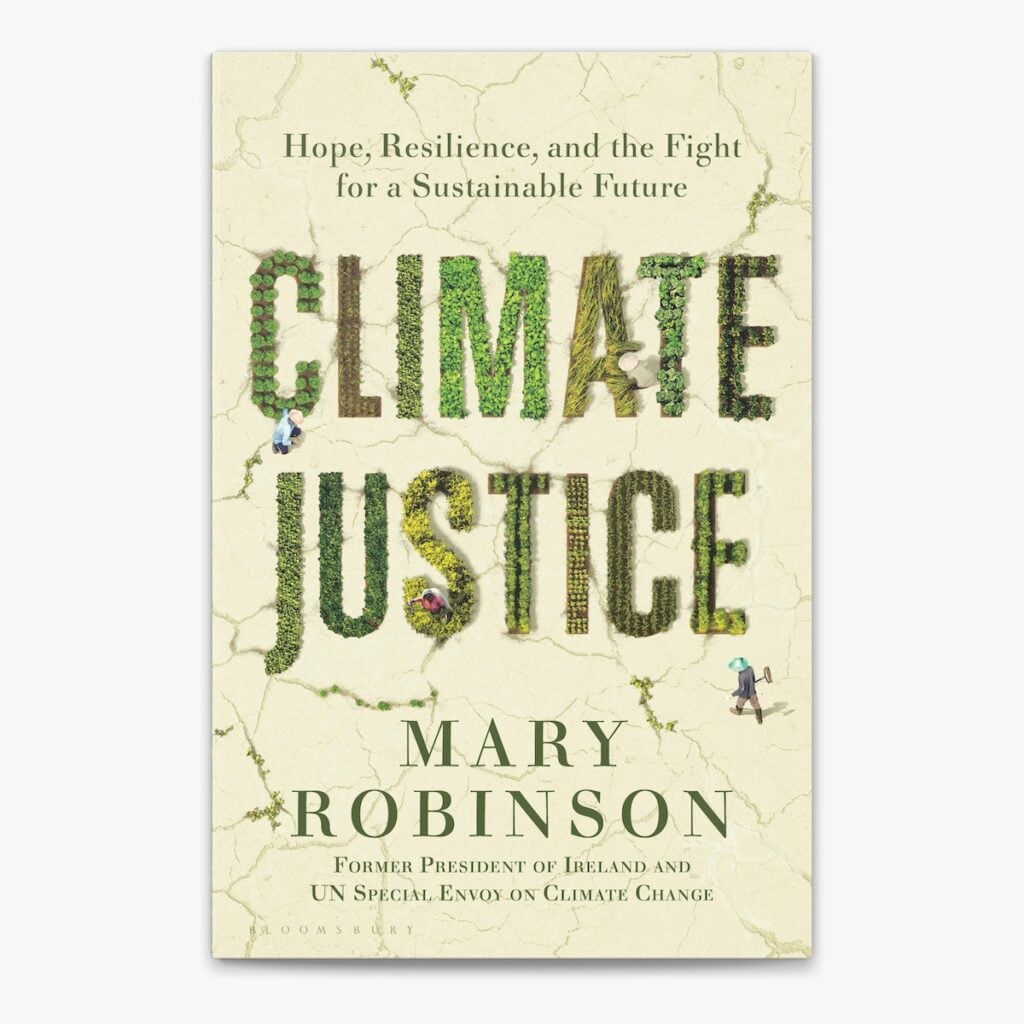
Through a series of real-world stories, Mary Robinson, the former Irish President and UN Special Envoy on Climate Change, highlights how those least responsible are often the most affected. From her travels, she finds that the push for climate justice is often being led from the ground up – mostly by women – whose determination drives meaningful change. Robinson shares stories that bring this to life, from a Mississippi matriarch who carried her campaign from a local salon to the United Nations, to a Ugandan farmer who helped rebuild her community against the odds. Among today’s most powerful eco reads, Climate Justice is a reminder that climate change isn’t just an environmental issue, but a human one.
5. This Changes Everything, Naomi Klein
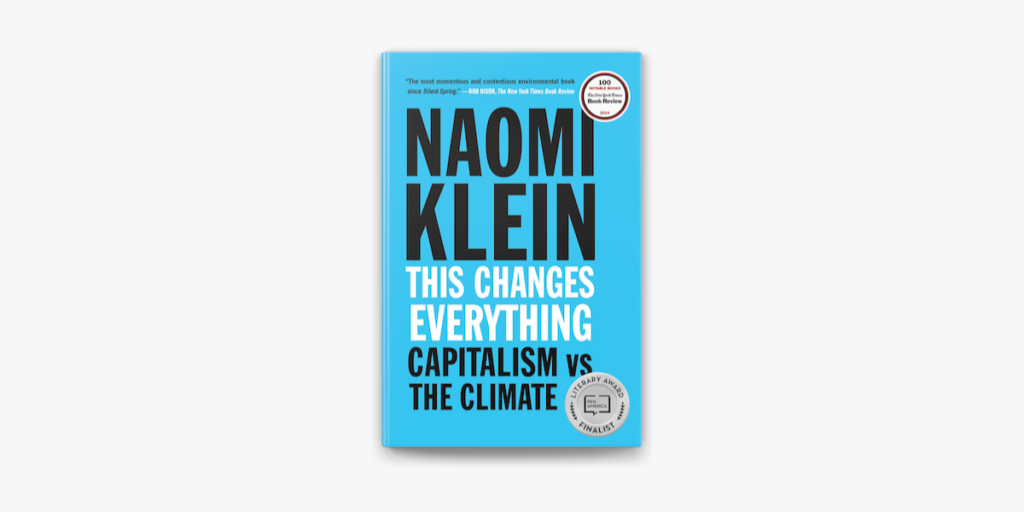
A modern classic This Changes Everything examines the collision between capitalism and climate change, arguing that the crisis can’t be solved without rethinking the systems that created it. It’s dense in parts, but essential reading for anyone looking to understand the bigger picture. Rather than offering easy solutions, it argues that the scale of the crisis demands systemic change.
6. Silent Spring, Rachel Carson
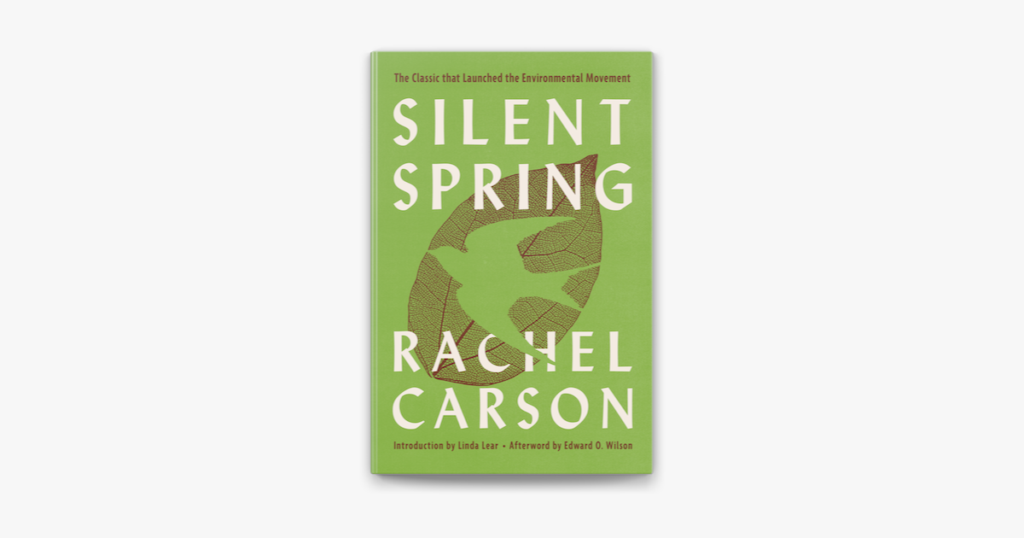
First published in 1962, Silent Spring is widely credited with igniting the modern environmental movement. At a time when chemical pesticides were seen as a scientific breakthrough, Rachel Carson challenged that narrative, exposing the devastating impact on wildlife, ecosystems and, ultimately, human health. Still one of the most influential eco reads to date, its warnings feel strikingly current more than six decades on.
7. Feral, George Monbiot

A more radical take on conservation, Feral challenges traditional land management practices and argues for large-scale rewilding. From North Wales to Eastern Europe, he charts the gradual return of wildlife and the growing case for rewilding. Feral shows how even damaged landscapes can recover, with species already reappearing across parts of Europe and surrounding seas. It’s opinionated, at times uncomfortable, but forces a deeper rethink of how much control we should really have over nature. In doing so, it asks a bigger question: whether the role of humans is to control the natural world, or to step back and let it recover.
8. Net Positive, Paul Polman & Andrew Winston
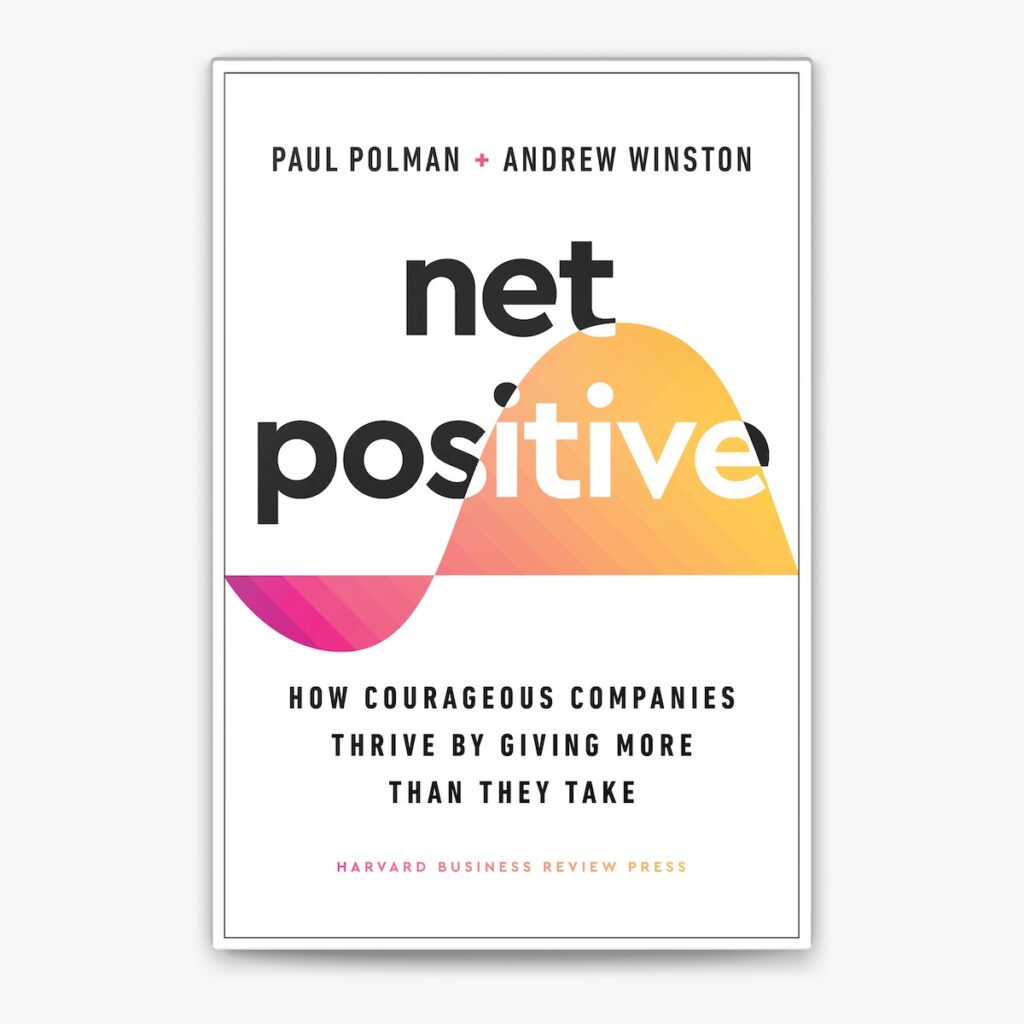
For a more business-led perspective, Net Positive shifts the conversation from individual action to corporate responsibility. Written by former Unilever CEO Paul Polman and sustainability expert Andrew Winston, the book explores what it means for companies to give more to the world than they take as a long-term strategy. Among the more pragmatic eco reads, it’s a useful lens for anyone thinking about how environmental and social impact can be built into the way businesses operate.
9. A Life on Our Planet, Sir David Attenborough
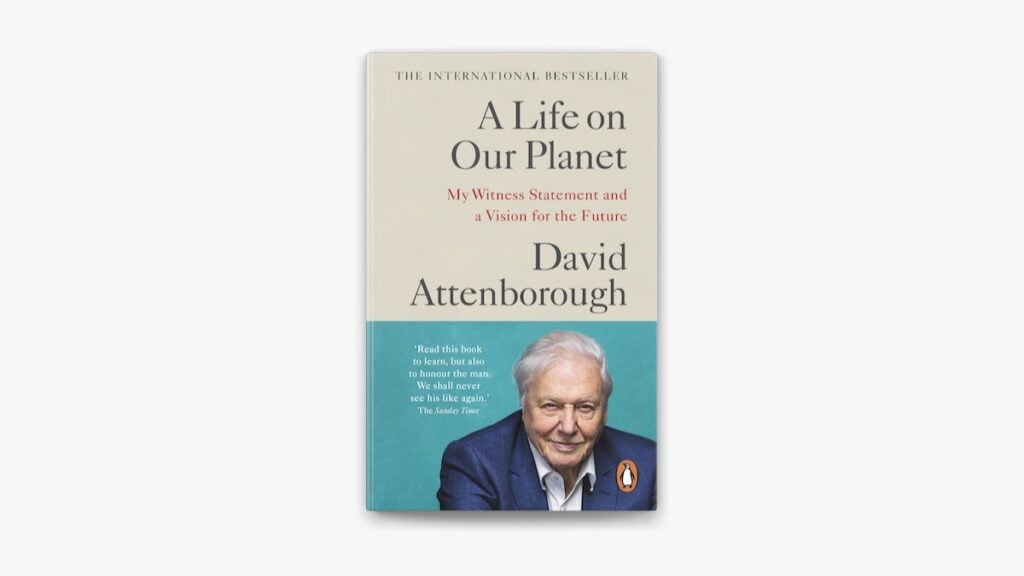
Part memoir, part warning, A Life on Our Planet traces Sir David’s lifetime of witnessing the natural world and its steady decline. Rather than focusing solely on climate change, the book connects the loss of biodiversity to two defining forces: the destruction of wilderness and the rise of atmospheric CO₂. Among the most compelling eco reads, what sets it apart is its perspective; few have observed the planet over such a long period, and Attenborough uses that vantage point to show just how quickly ‘normal’ has shifted.