A recent investment in renewable solar energy is set to provide a major power lifeline to much of the population of Pakistan, as the world is impacted by energy disruption caused by the ongoing conflict in the Middle East.
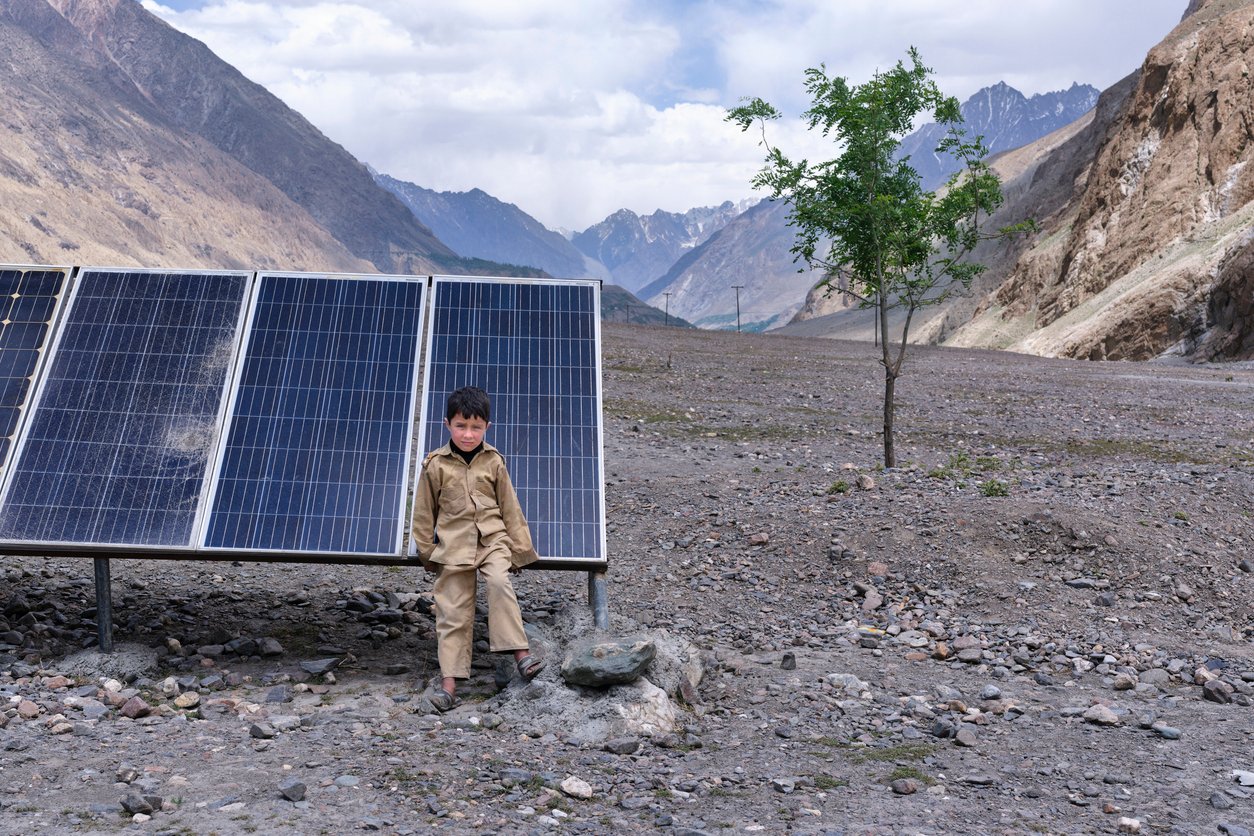
Solar panels have risen sharply in popularity across the country with users able to re-channel energy generated into the national grid – either in return for cash payouts or credits towards any fossil fuel usage they incur.
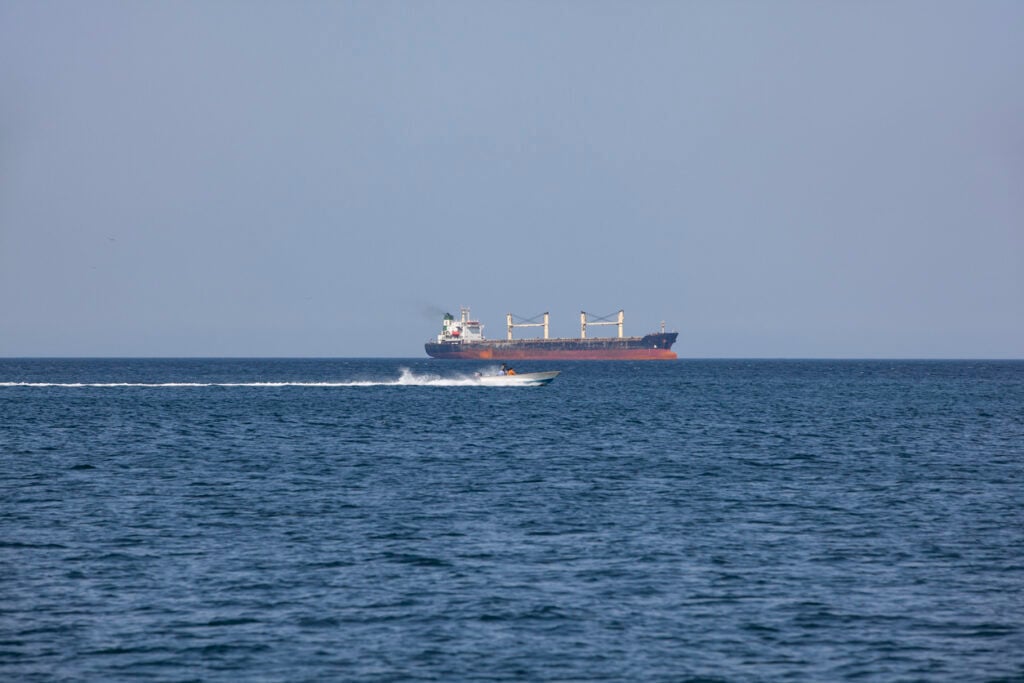
Pakistan’s energy systems remain tied to global supply routes, especially the Strait of Hormuz, where 80 per cent of the country’s oil imports pass between Iran and Oman, and 99 per cent of its gas comes from the UAE and Qatar.
However, solar panels installed across rooftops and on farmland in recent years are providing a partial insulation from the unfolding global crisis.
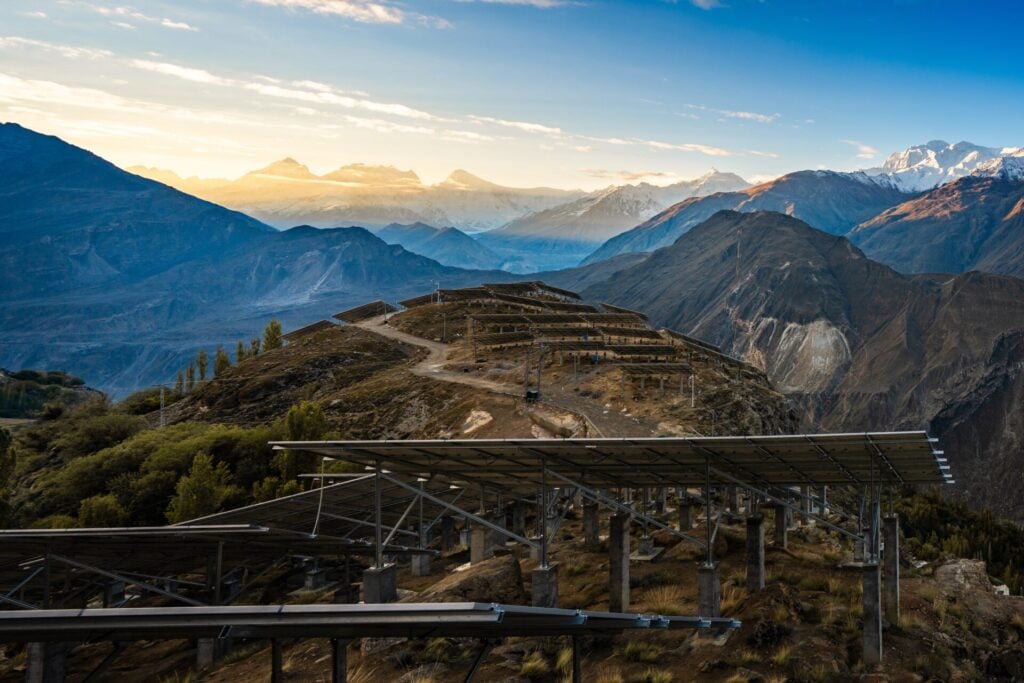
A recent study by Renewables First and the Centre for Research on Energy and Clean Air, says since 2018, Pakistan’s rooftop solar boom has helped the country save more than $12bn in fuel imports.
At current market prices, this would also help the country save about $6.3bn during this year.
And the solar share in the country’s energy mix has increased from 2.9 per cent in 2020 to 32.3 percent in 2025, according to EMBER, an independent energy think tank.
It has long been argued that the only path to economic development needs fossil fuels. But the current energy crisis has again exposed how fragile that path is, especially for emerging economies that spend billions each year on fuel imports.
Daan Walter, EMBER
Daan Walter, principal of the group, said: ‘It has long been argued that the only path to economic development needs fossil fuels. But the current energy crisis has again exposed how fragile that path is, especially for emerging economies that spend billions each year on fuel imports.
‘The difference today is that a credible alternative development path exists – electrotech is now cheaper, widely available, easily scalable, and offers the prospect of energy independence and abundance to drive growth.
‘For the first time, developing countries can build a cheaper, more reliable energy path to prosperity on their own terms.’
Individual Action
In Pakistan, instead, of a national initiative, this is the result of individual action with farmers switching from diesel, and businesses and households looking for reliable power sources, many in regions where the traditional supplies are erratic and power cuts frequent.
Rabia Babar, an energy data manager at Renewables First based in the country, said: ‘Pakistan’s solar revolution wasn’t planned in Islamabad – it was built on rooftops. As tensions around the Strait of Hormuz remain high, those panels are proving to be one of the country’s most effective energy security strategies.’
The solar boom started in the wake of the Russia-Ukraine war, when Pakistan couldn’t afford to buy liquefied natural gas and power shortages hit homes and businesses.
‘It also led to soaring electricity bills,’ said Babar, as power demands reached 40 per cent of people’s income. At the same time, the price of solar panels had fallen sharply with an oversupply from Chinese manufacturers easily accessible in Pakistan.
Self-taught solar entrepreneurs learned about installation and repair on YouTube and on-line groups.
‘You could go to your local bodega, buy a solar panel and charge controller and a battery, and install it yourself,’ said Jigar Shah, an energy entrepreneur who previously led the Loans Program Office at the US Department of Energy.
‘It was so cheap that people were able to do it with discretionary funds, $50 that they had.’
Households that made the investment can typically recover the installation costs of home solar panels in a few years, then the electricity they get from the panels is free and they can feed extra solar electricity back to the national grid and earn from it.
Last year a household survey conducted by the Pakistan Bureau of Statistics showed that 25 per cent of households now use solar power in some form – up 10 per cent from two years previous.
Net-metering, which allows consumers to put power back into the grid, is accessed by 280,000 people in the country and is sharply increasing annually.
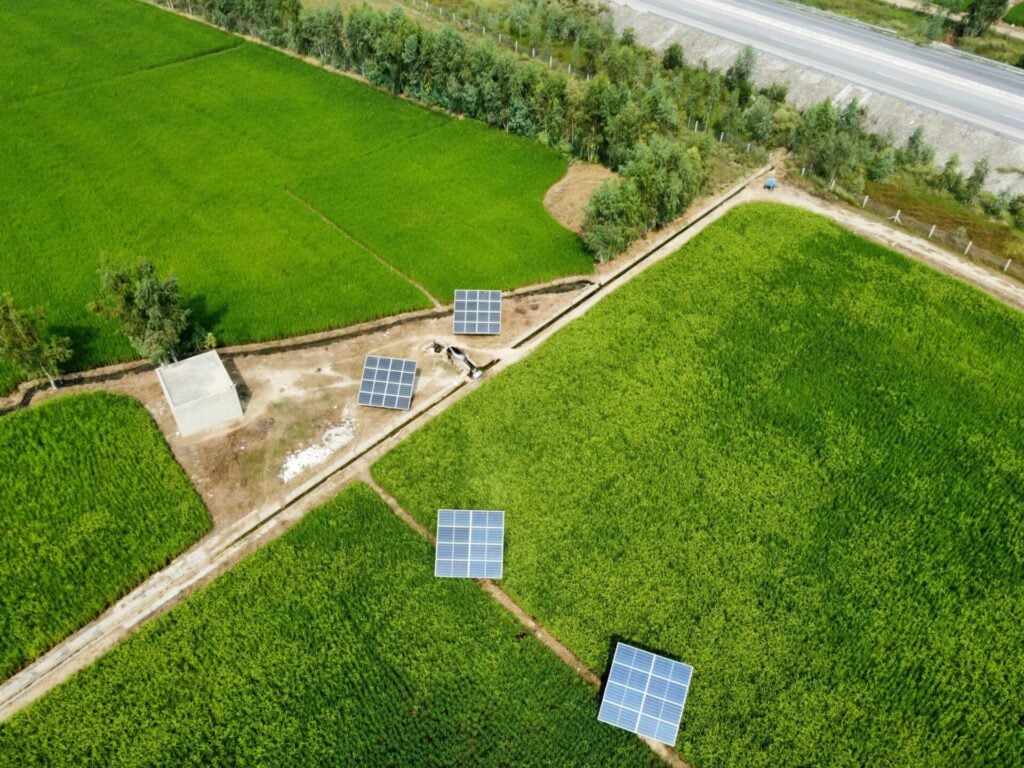
Farmers who use solar-powered tube wells for irrigation get a reliable water supply and avoid fluctuating diesel prices and in areas where electricity supply is erratic, solar power has become a source of survival. Solar energy also powers street lighting in some urban areas.
‘When you think about the sheer volume and the population of Pakistan, it certainly is the largest deployment of solar and battery storage to solve energy poverty in the world,’ Shah said.
‘Consumers who are running on diesel in Pakistan—but not just Pakistan, but Kenya, Tanzania, etc —their price of diesel just doubled, If you’re the guy in Pakistan who still hasn’t switched to solar, you’re probably switching to solar this year.’