AI could be a vital tool in identifying and saving plant and fungi species at risk of extinction.
A report from the UK’s Royal Botanic Gardens, Kew (RBG Kew) says technology is enabling scientists to identify new specimens, document changes in flowering times as the world gets warmer, and obtain genetic data from preserved flora.

Digitisation and online access to millions of specimens that were until now only accessible in archives is also producing new insights into the make-up and characteristics of vegetation.
‘While documenting and protecting all life on Earth remain formidable challenges, digitisation and accompanying technologies make me increasingly hopeful that we’ll succeed,’ said Professor Alexandre Antonelli, Executive Director of Science at RBG Kew.
‘This report provides an incredibly rich and exciting preview of the future of plants and fungi. Scientists, practitioners and anyone with a keen interest in biodiversity are now being equipped with unprecedented data and tools to learn and contribute in ways that are faster, better and more impactful than ever before.
‘The digital revolution is breaking down the barriers of physical distance and access, catalysing more equitable collaboration at a truly global level.’
The approaches are highlighted in Kew science team’s latest ‘state of the world’s plants and fungi’ study, marking the 10th anniversary since the first such report, and drawing on work by 400 scientists in 40 countries.
Building blocks of life on Earth
Plants and fungi form the building blocks of all life on Earth, supplying food and medicines, storing carbon and regulating the climate.
Approximately 40 per cent of the 70,000 plant species that have been assessed are at risk of extinction, while another 330,000 have yet to be analysed
However approximately 40 per cent of the 70,000 plant species that have been assessed are at risk of extinction, while another 330,000 have yet to be analysed.
There are also believed to be another 100,000 plant species still to be named by scientists.
About 2,000 new plant species are recorded each year but this ‘barely scratches the surface’ when it comes to cataloguing flora said Antonelli, adding potential new medicines and sustainable crops are going extinct before even being discovered.
With fungi, 90 per cent of an estimated two million species are still unknown to science and less than one per cent of known species assessed for extinction risk. However AI can analyse and categorise them much more quickly than scientists.
Digitising images and collection data of plant and fungi specimens also speeds up international collaboration and can open up rarely accessed collections in biodiversity hotspots, such as Madagascar where Kew’s scientists also operated.
RBG Kew digitisation
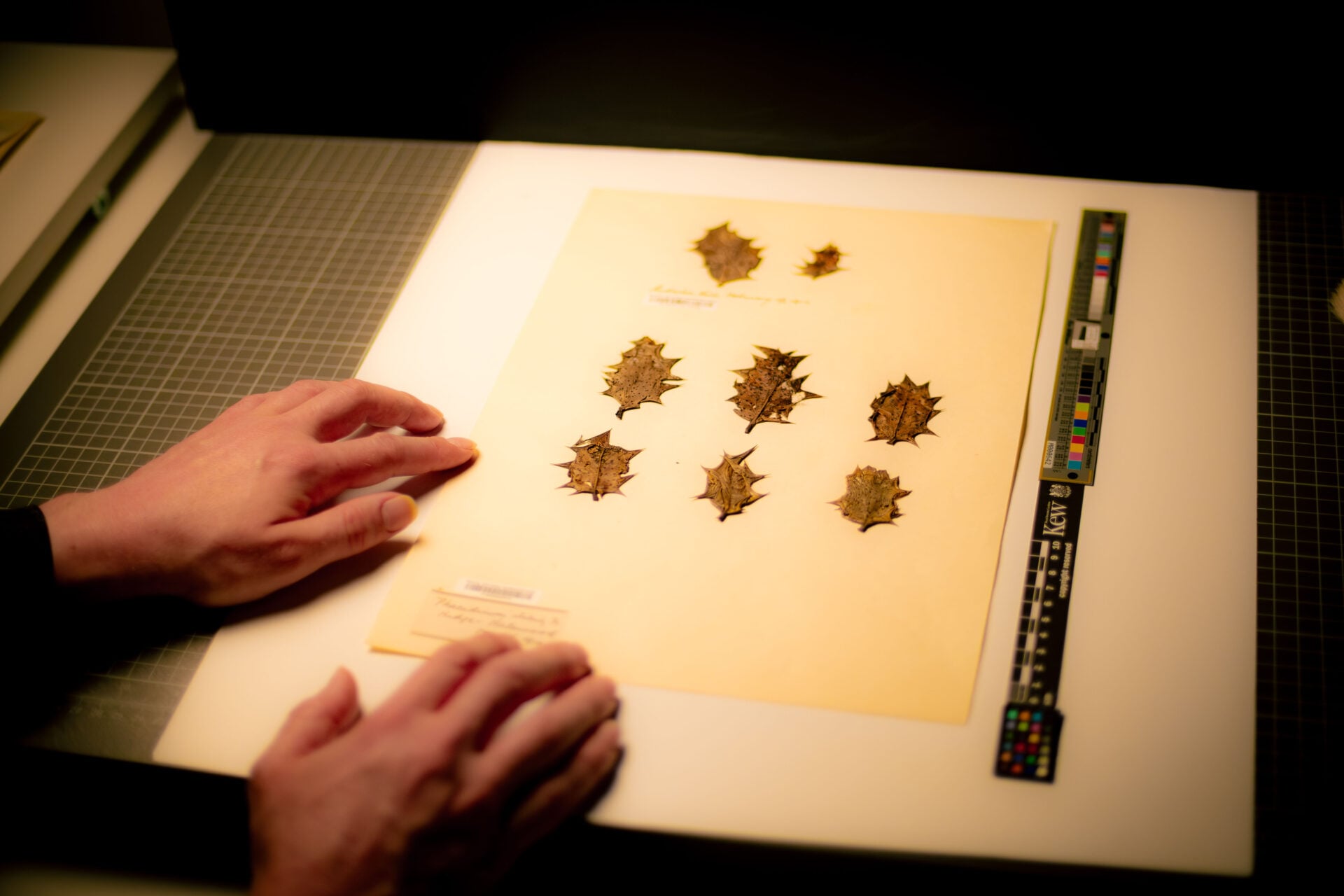
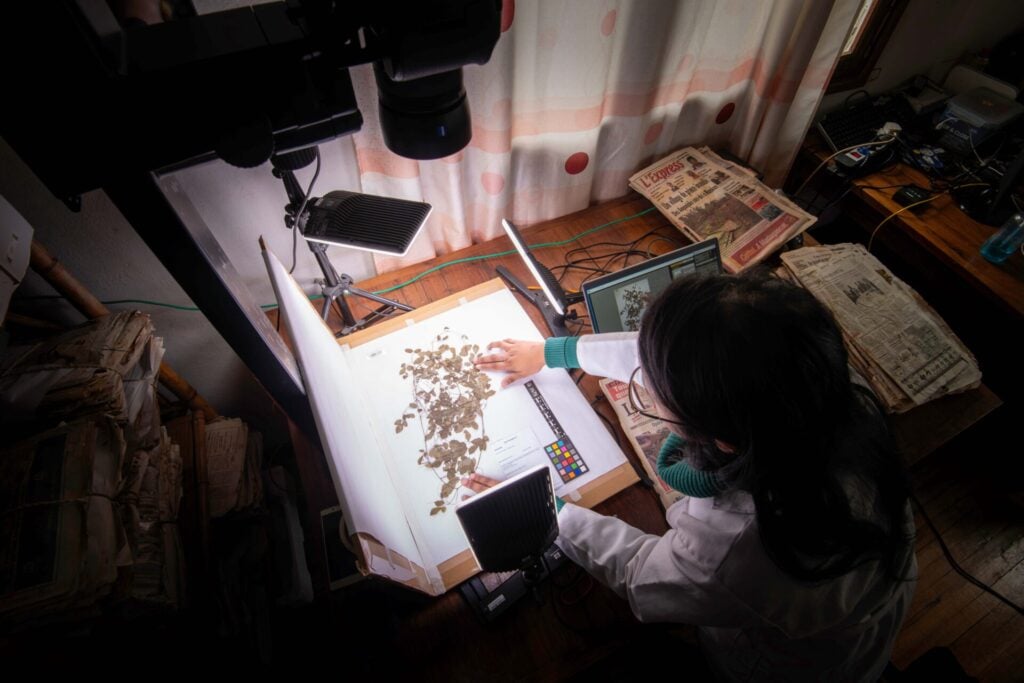
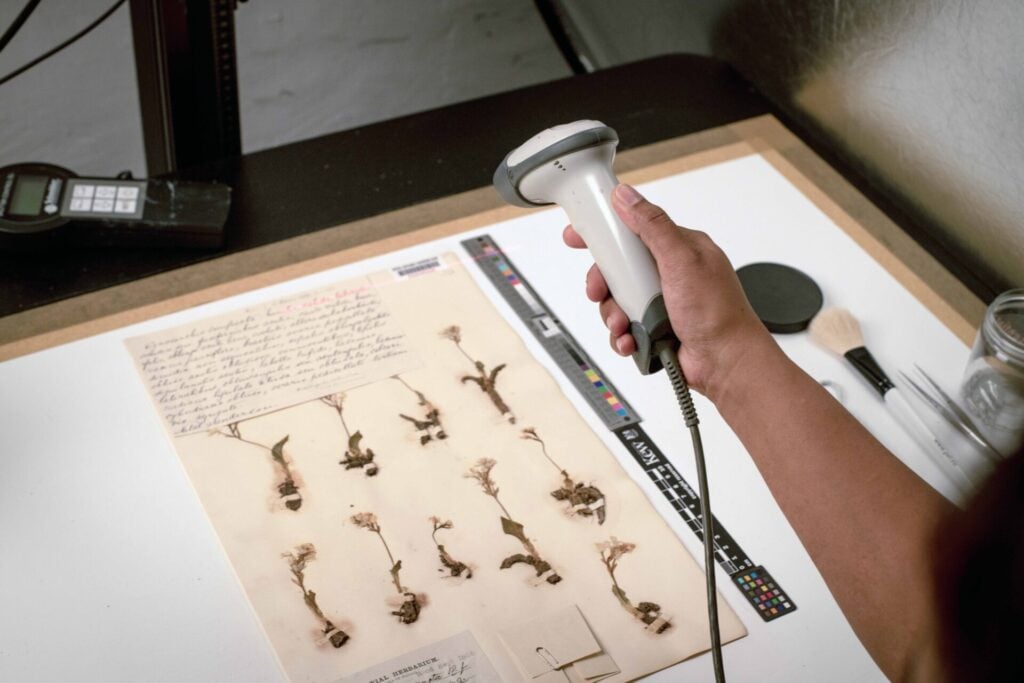
RBG Kew has now digitised all 7.4m of its specimens, including those collected by Charles Darwin, almost 200 years ago and these are freely available online.
The four-year programme involved taking 20,000 high-resolution images a day at its peak. In total, there are 145m digital specimens now online globally, but this is less than 16 per cent of the total held in botanic facilities.
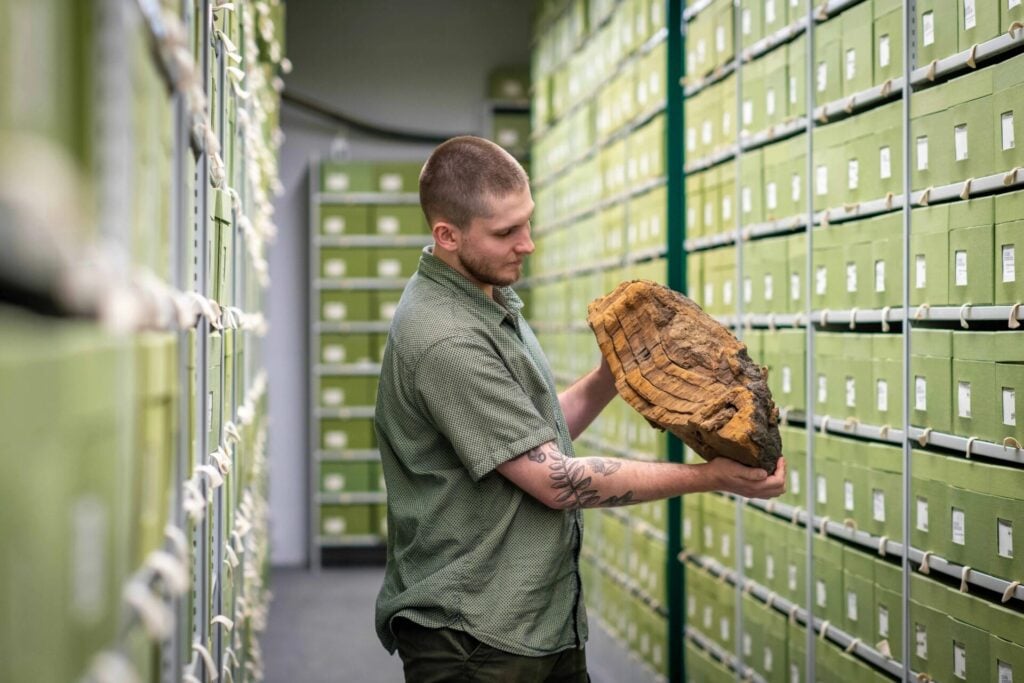
The scheme, funded by the Environment Department (Defra), opened every cupboard and box in the herbarium to scan the specimen sheets at 40 imaging stations, while bigger species such as palm trees had to removed from their boxes and carefully recorded.
The report also features a global study using an AI model trained to spot flowers that analysed eight million digitised specimens.
It revealed flowering has shifted by an average 2.5 days a decade over the last century due to the climate crisis. Changing rainfall patterns, as well as rising temperatures, have meant some flowers arriving later and others coming earlier.
This can severely disrupt ancient relationships between plants and the pollinators and other animals that depend on them at specific times of year.
Antonelli said: ‘We can use digital assets, artificial intelligence and other technologies to really harness the information locked in many of these specimens that have been here for centuries, and use that to advance science and conservation at a global level.
‘We can use this digitised information to discover new species, and also to reveal species that have gone extinct or are likely to have done so. We can track change in relation to climate change and we can also unlock the information in those collections in a way that is much more equitable and accessible to anyone, anywhere, for free.’