

Healthcare is designed to protect people, but delivering that care requires enormous amounts of energy, equipment, transport and single-use materials.
As health systems face the combined pressures of climate change, ageing populations and limited resources, nurses are increasingly well placed to help shape services that are healthier, fairer and less wasteful.
Nurses See Where Change Is Needed
Nurses work closer to patients and day-to-day clinical systems than almost any other healthcare profession. They see where supplies are wasted, where procedures create unnecessary work and where patients struggle to access the care that they need.
That practical knowledge can be valuable far beyond an individual ward. Nurses who move into advanced practice, education, research or leadership can help redesign services, improve patient outcomes and make better use of limited resources.
But sustainable healthcare isn’t just about about recycling medical waste or reducing plastic. It’s about preventing illness, improving community health, reducing inequalities and creating systems that can continue to provide good care during extreme weather and other disruptions.
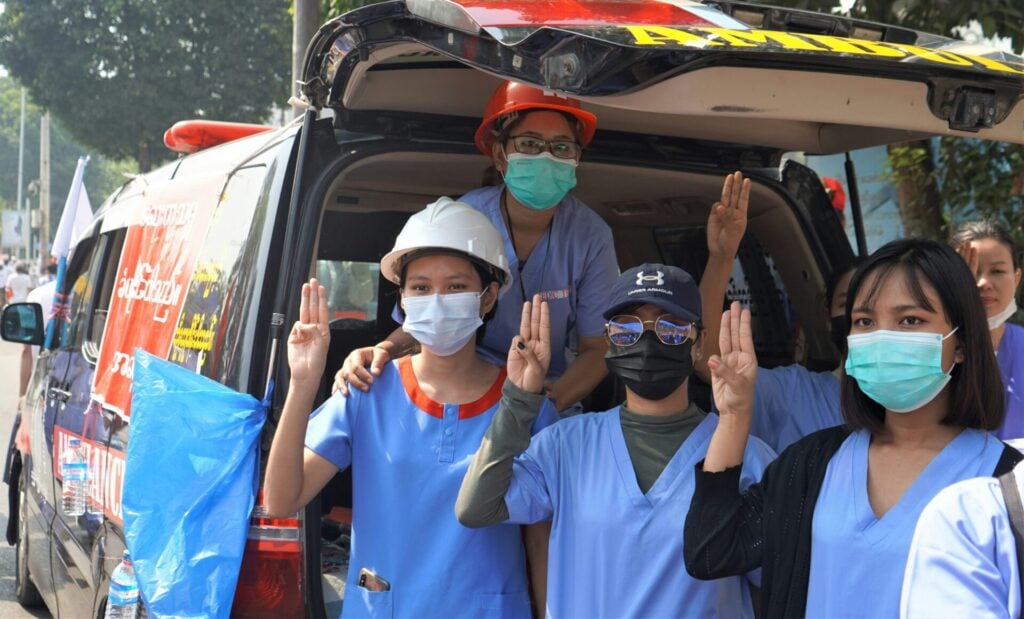
For nurses who want to influence these wider issues, further healthcare education can provide the research, policy and leadership skills needed to turn frontline experience into lasting organisational change.
Choosing an Advanced Nursing Path
There is no single route into advanced nursing. Some doctoral programmes prepare nurses for broad leadership and practice roles, while others lead towards a clearly defined clinical specialty. Understanding the difference is important before committing to years of study.
For nurses researching DNP vs DNAP options, the most useful distinction is breadth versus specialisation. A DNP can support advanced nursing practice and leadership across multiple areas, while a DNAP is specifically focused on nurse anaesthesia. The decision therefore depends less on which credential sounds more advanced and more on the professional role the nurse intends to pursue.
For nurses interested in sustainability, public health, or improving how healthcare organisations operate, the broader scope of a DNP may be particularly useful. Its focus can include evidence-based practice, healthcare policy, technology, quality improvement and organisational leadership.
Turning Evidence Into Practical Improvements
One of the most valuable skills developed through advanced nursing education is the ability to examine evidence and apply it to real clinical settings. This matters because even sensible changes can fail if they do not work for staff or patients in practice.
A nurse leading a sustainability project might examine how a hospital purchases and uses supplies, how care can be delivered more efficiently, or how preventative programmes could reduce avoidable illness and pressure on services. The aim should be to improve environmental performance without compromising safety or the quality of care.

Advanced practice nurses can also help organisations understand the relationship between environmental conditions and human health. Heat, air pollution and severe weather can all place additional pressure on patients and healthcare services, particularly in vulnerable communities.
Nurses with experience in leadership, policy and quality improvement can help health systems prepare for those pressures while keeping the needs of patients at the centre of every decision.
Specialist Roles Matter Too
Broad leadership is only one way to contribute. Specialist nurses can improve sustainability within their own areas by questioning inefficient routines, supporting safer practices and helping teams use resources carefully.
Nurse anesthesia is one example of a highly specialised path. A Certified Registered Nurse Anesthetist, or CRNA, is a professional role, while DNP and DNAP refer to doctoral degrees. They are related terms, but they do not describe three competing versions of the same qualification.
The distinction matters because the right course depends on the work a nurse ultimately wants to do. A specialist clinical career requires different preparation from a role focused on policy, education or organisation-wide improvement.
Both paths can create opportunities to lead change, but the scale and setting of that influence will be different. Prospective students should therefore begin with the job they want rather than the title of the degree.
Education Is an Investment
Doctoral study requires a major commitment of time, energy and money. That makes it important to look beyond attractive course descriptions and consider whether a programme supports a realistic career plan.
Applicants should compare entry requirements, course content, clinical expectations, study format and total cost. They should also investigate the kinds of roles graduates enter and whether the programme can be balanced with their existing work and family responsibilities.
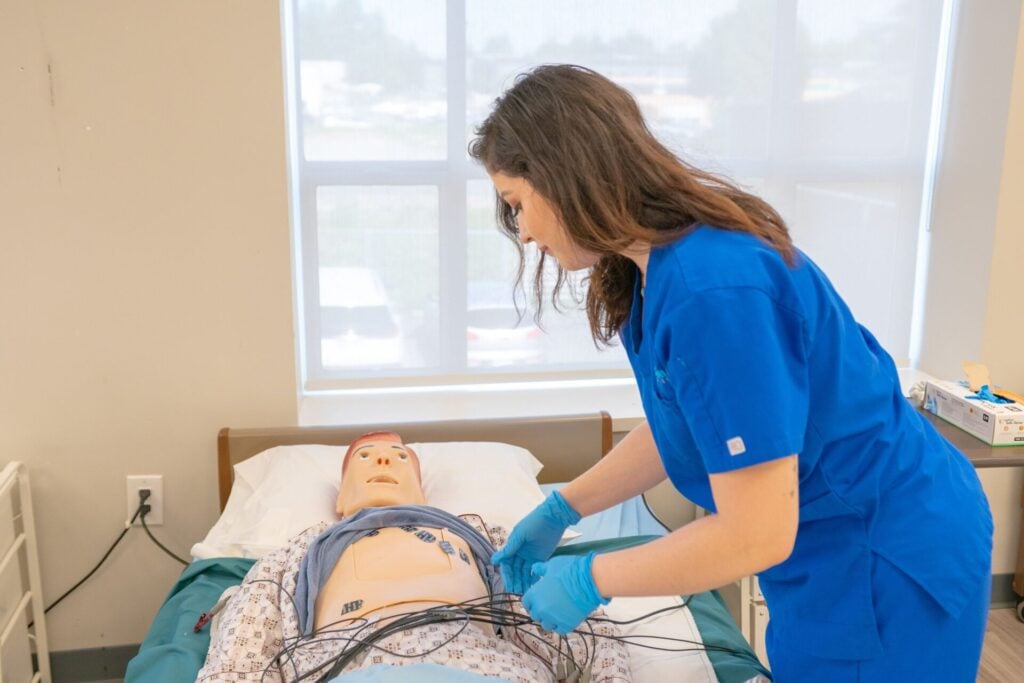
Specialist programmes may require particular clinical experience before admission, while broader DNP routes can be designed for nurses entering with different qualifications and levels of professional experience. Requirements therefore need to be checked with each university.
It is also worth asking how the course approaches health inequalities, climate resilience, public health and the responsible use of resources. Sustainability may not appear in the programme title even when these subjects are part of its wider teaching.
A strong programme should help nurses connect academic knowledge with practical improvements that serve patients, healthcare workers and their wider communities.
Check Accreditation and Standards
Accreditation deserves serious attention. It provides an important indication that a course meets the educational and professional standards expected within its field.
For broader doctoral nursing education, students can review information from the American Association of Colleges of Nursing. AACN explains the purpose of DNP education and provides resources concerning standards and competencies for doctoral nursing programs.
Nurse anesthesia has its own specialized accreditation structure. The Council on Accreditation of Nurse Anesthesia Educational Programs accredits U.S. nurse anesthesia programs and publishes standards governing doctoral preparation.
These organisations can help prospective students understand the purpose of each pathway and check the standards that apply. University admissions teams should also be able to explain clearly how a course supports professional registration and future career options.
Building a Healthier System
The healthcare sector needs people who understand both patient care and the systems surrounding it. Nurses bring that combination of clinical knowledge and practical experience.
With the right support, they can lead work that reduces unnecessary waste, strengthens preventative care, improves access and prepares services for new environmental and public-health pressures.

Not every nurse needs a doctorate to contribute to this work. However, advanced education can give those who want greater influence the tools to assess evidence, shape policy and lead complex projects across departments and organisations.
The most suitable qualification will still depend on the individual. Some nurses will be drawn to the technical intensity of a specialist clinical role, while others will want to work across leadership, education, policy or quality improvement.
What matters is choosing a path that matches both personal ambitions and the kind of positive change the nurse hopes to create.
From Frontline Experience to Lasting Change
A more sustainable health system must protect human health while using money, materials and energy responsibly. Nurses already understand many of the pressures that make this difficult because they encounter them every day.
When that experience is combined with advanced clinical knowledge, research and leadership skills, nurses can become powerful advocates for practical change.
The right doctoral route is therefore not simply another set of letters after a name. It should prepare a nurse for work that suits their strengths and enables them to make a meaningful contribution.
Whether that contribution happens in specialist practice, education, policy or healthcare leadership, nurses will be essential to creating services that are more resilient, equitable and sustainable.