Ever looked around your home and thought, ‘How did this become the final version?’ You meant to fix the cabinet door, patch the peeling paint, maybe do something about that sink that squeals, but life kept getting in the way.
Here we share how to approach home improvement without turning your life upside down or your house into a construction site with no end in sight.
A Better Home, Not a Better Instagram
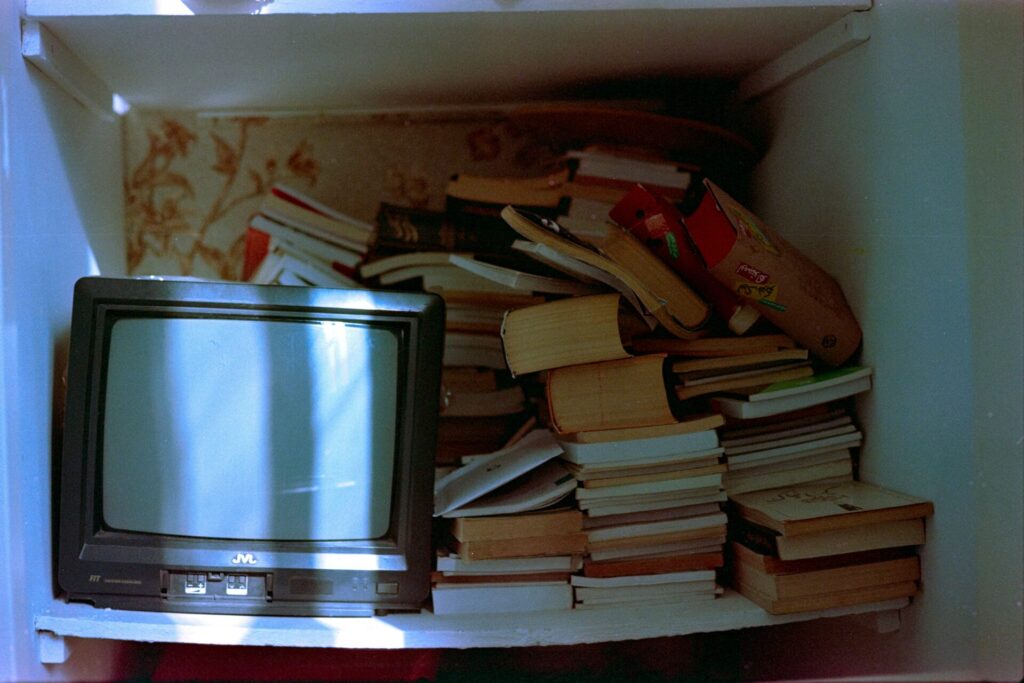
People often start home improvement by copying trends instead of addressing needs. They install trendy tile while ignoring their sagging pantry shelf. Or they repaint rooms while ignoring the fact that their outlets are overloaded and their windows barely close. Style is fine. But ignoring structure eventually costs more financially and emotionally.
Real home improvement starts with asking how your house supports your life right now. Not how it could look in a staged photo, but how it holds up under real conditions. Kids. Pets. Long winters. Remote work. A good house should make those parts of life easier, not harder.
Start by listing everything that doesn’t work. Does the kitchen workflow frustrate you every day? Are your closet doors always off-track? Do you avoid using one room because the lighting is useless? These are the pain points that matter. Fixing them first delivers the biggest return.
Upgrade for Longevity, Not Just Looks

The most lasting home improvements often happen in places you don’t stare at every day. The roof, the insulation, the plumbing, things that aren’t exciting until they fail. And when they do, they drag down everything else with them.
More homeowners are choosing long-term materials over cosmetic fixes, partly because labour costs keep climbing, and no one wants to redo the same job twice. For example, more people are switching to metal roofing, not just for the aesthetic but for durability. It resists weather damage, lasts decades longer, and reflects heat, which matters more now as summers hit record highs in more states every year. Choosing it isn’t about flash, it’s about not having to think about your roof again for a long time. A house that holds up to the weather, that insulates well, that doesn’t require constant patching is what actually makes a home feel solid.
Your Layout Should Fit Your Life, Not the Other Way Around
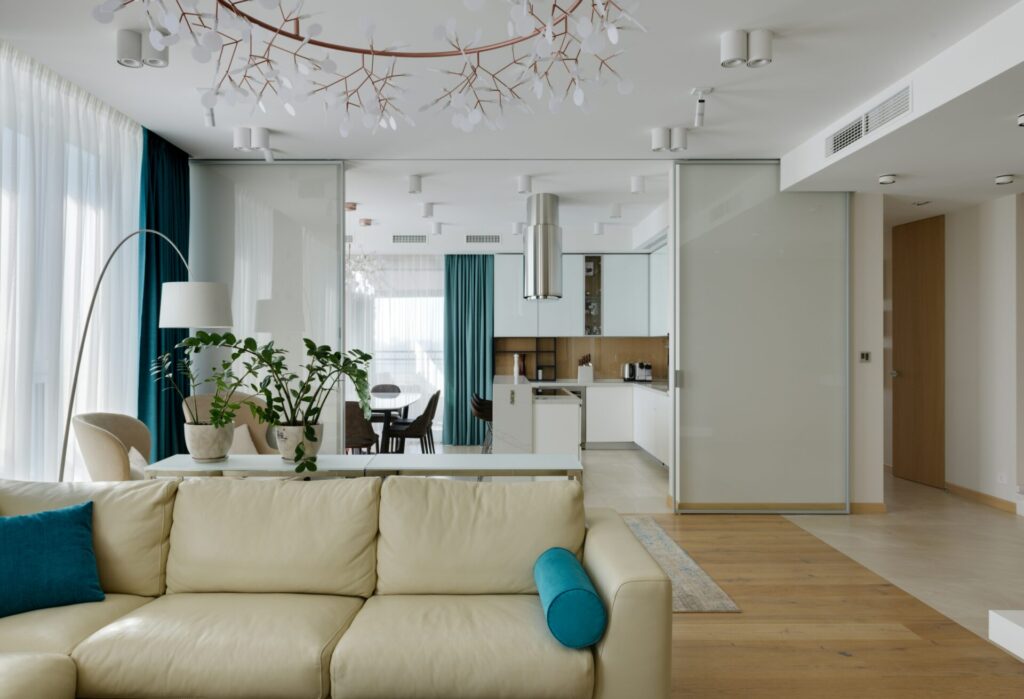
Too many homes still reflect the habits and technologies of the 1980s. Closed-off kitchens, single-use rooms, furniture placement dictated by cable outlets. But the way people live now, especially after three years of remote work, home-schooling, and everything-in-one-space living, has changed.
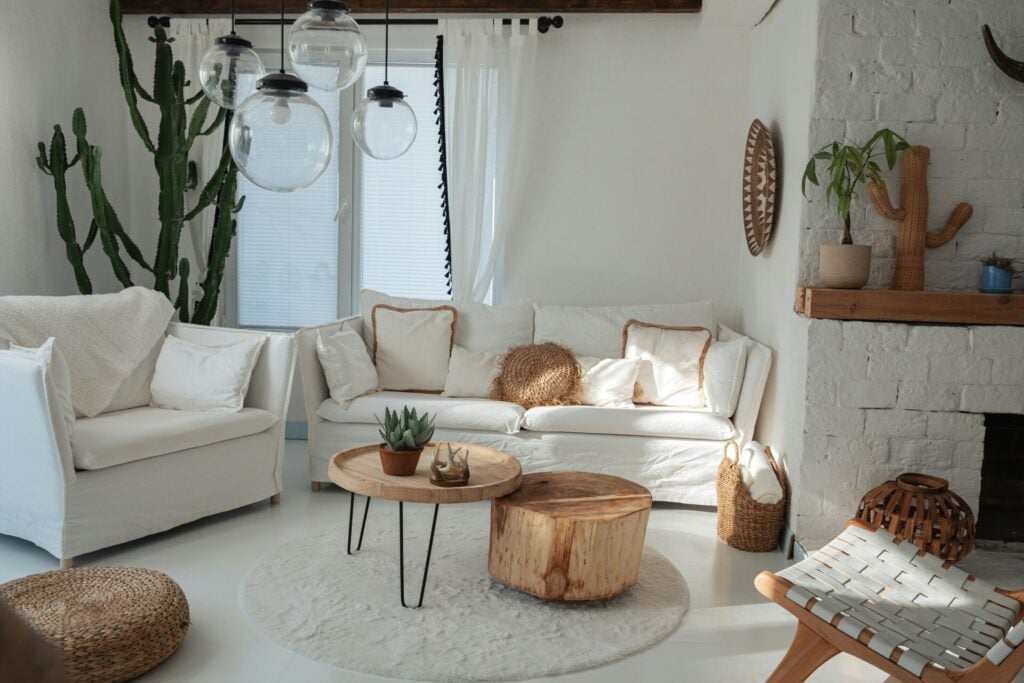
Improving your home doesn’t have to mean knocking out walls, it can simply be shifting the layout. That could be as small as reworking a cluttered entryway so coats and bags have a proper drop zone, or turning a barely-used dining room into a dual-purpose space with storage, workspace, or even a reading nook that someone in the house actually uses.
Replacing old appliances with energy-efficient models cuts power usage and smart tech lets you program lighting and heating around your schedule instead of blasting everything 24/7.
Layout upgrades often cost less than cosmetic ones but deliver more. Moving a few pieces of furniture, switching the location of a door swing, or adding a wall-mounted shelf can completely change how a room functions.
Energy Efficiency Isn’t a Trend. It’s a Bill Reducer
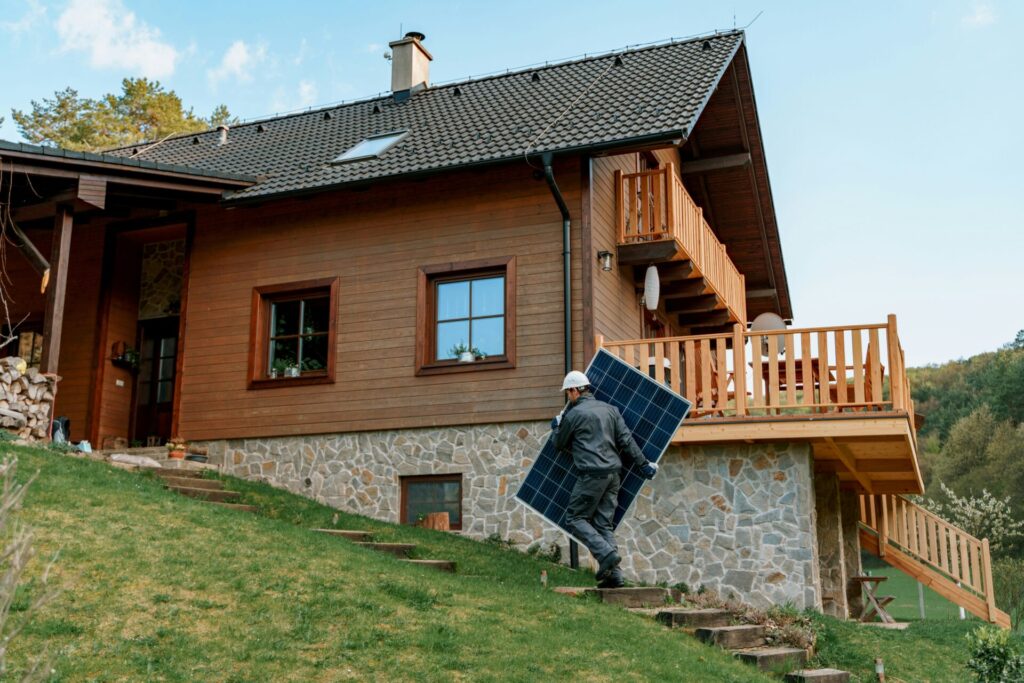
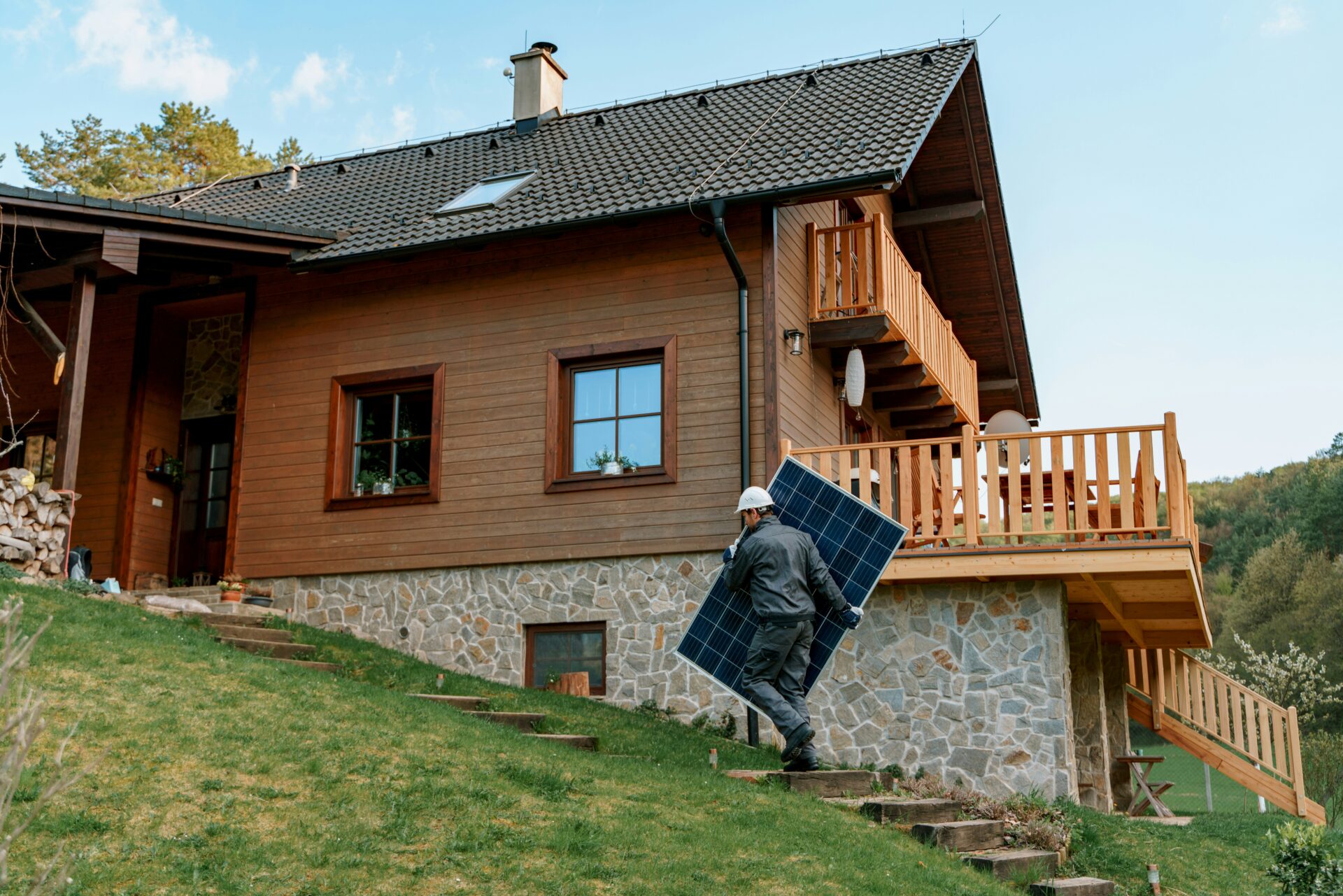
Sustainability often lands in the future-focused, planet-saving zone. And that’s fine. But what makes it attractive is that it also reduces your bills. Home improvements like better insulation, smart thermostats, double-pane windows, solar panels, and LED lighting aren’t just good for the earth, they’re good for your wallet.
When your home holds heat in the winter and stays cool in the summer, you stop fighting the thermostat, and that one change can shave hundreds off annual utility costs, and reduce your carbon footprint. Replacing old appliances with energy-efficient models cuts power usage and smart tech lets you program lighting and heating around your schedule instead of blasting everything 24/7.
More cities and utility companies are offering rebates for efficiency upgrades, too, because infrastructure strain is becoming a real issue as grids can’t keep up with peak demand. So the sooner your home becomes part of that shift, the more value you get out of every improvement.
Paint is Cheap, But Placement is Power
Paint is always on the list of basic home improvement work, and for good reason. It’s affordable, accessible, and can transform a space without structural work. Colour can create zones, solve lighting problems, or redefine how a space feels.
Dark colours can make large, underused spaces feel more grounded and intimate. Lighter ones can open up small or dim corners. A bold accent can add energy to a workspace or spark a conversation area. In rentals or smaller spaces where other upgrades aren’t allowed or practical, paint becomes one of the few tools that delivers an outsized impact.
Make Comfort Your Default, Not a Weekend Project
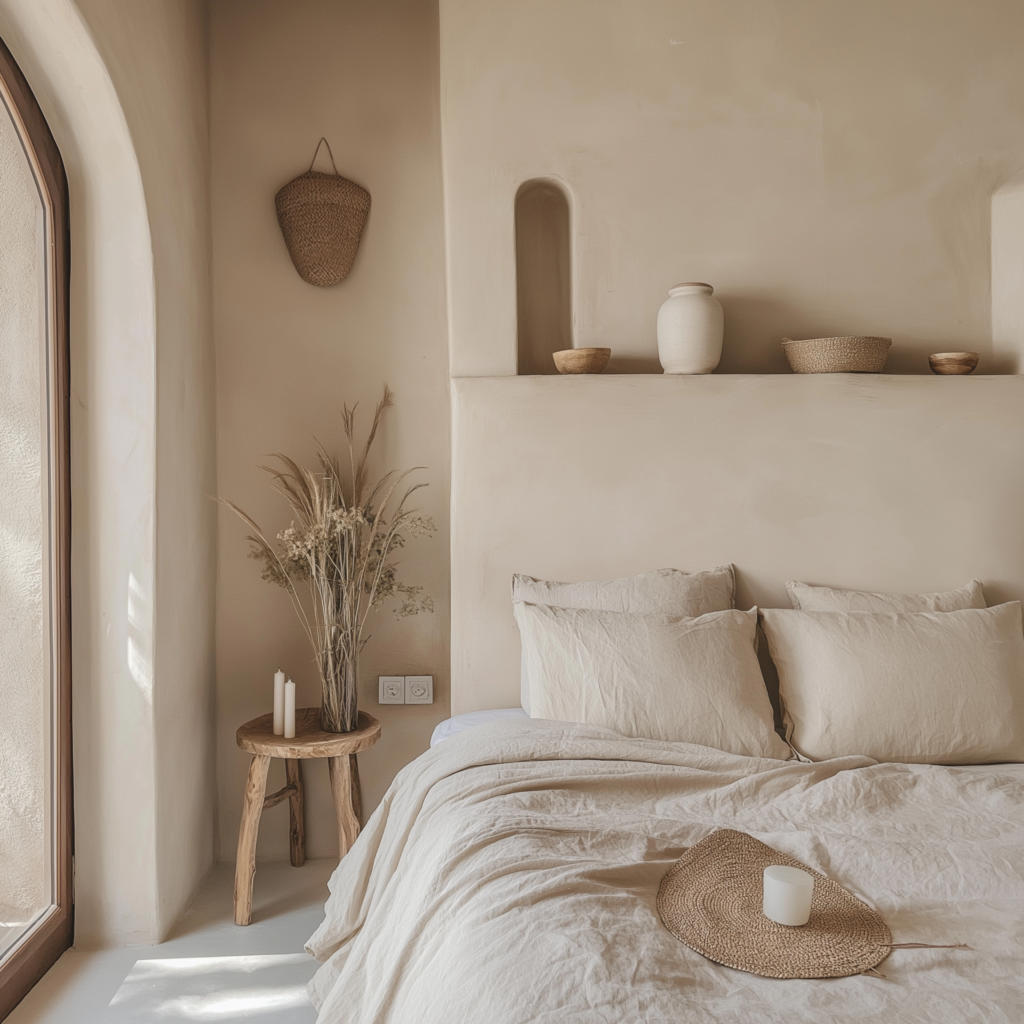
A lot of people treat comfort like a reward. The good chair is saved for guests. The nice bedding stays in the closet. The soft lighting only comes on during special occasions. But when you build your home around comfort you create a place that restores you instead of draining you.
That means investing in better seating if you spend hours working from home. Replacing scratchy towels. Upgrading to blackout curtains if sleep is an issue. These aren’t luxuries, they’re support systems, and the more they’re part of your everyday, the better you feel doing everything else.
Home improvement doesn’t have to be big or dramatic to be effective. The best changes are the ones you notice daily. Better air, more natural light, fewer trips around the kitchen to get to the bin. None of it makes a splash on its own, but all of it adds up.