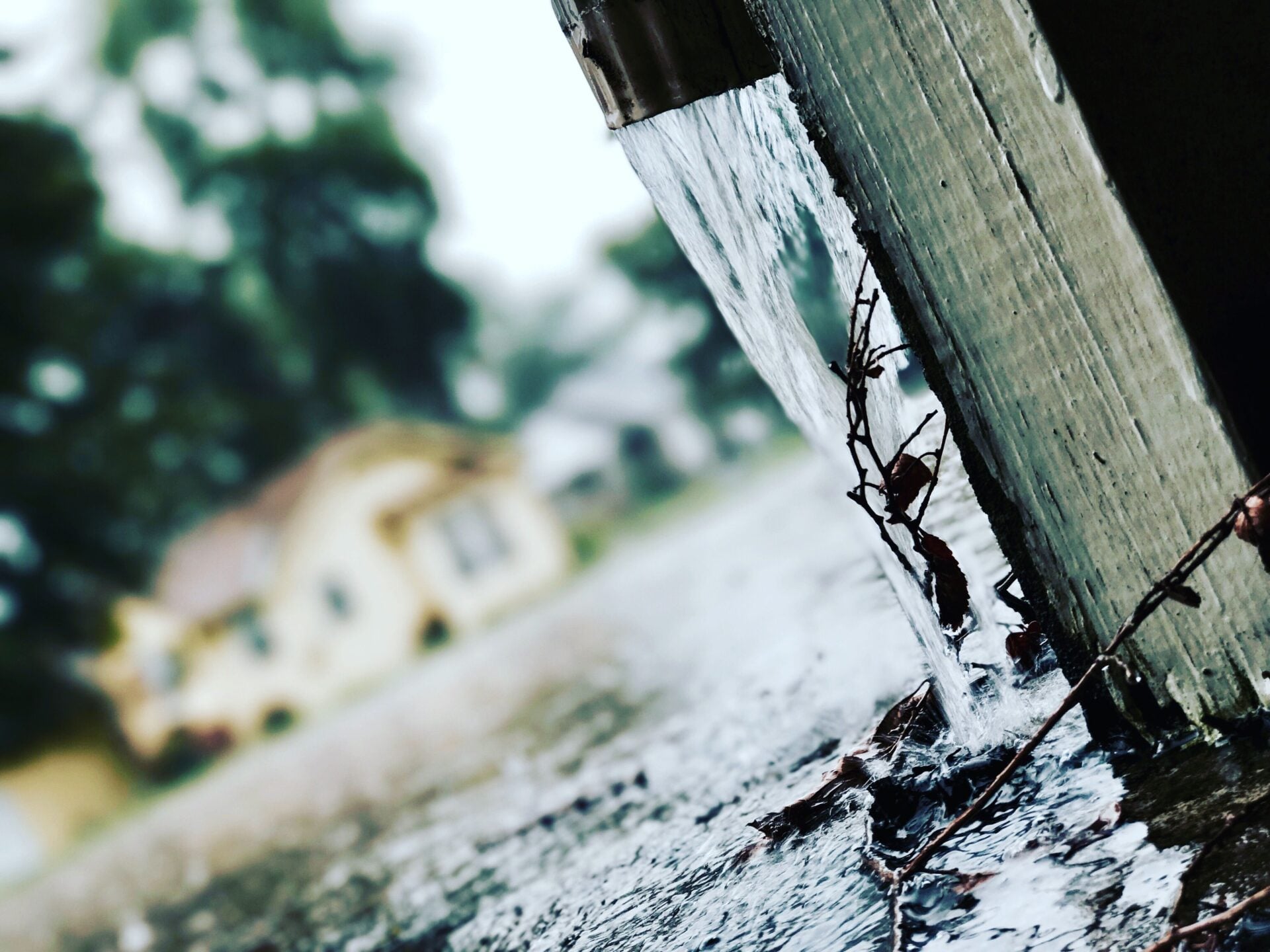
Most homeowners have stepped into a soggy patch of grass and thought, ‘It’ll dry out eventually.‘ Sometimes it does. Sometimes it keeps coming back, turning into a bigger problem than anyone expected.
Poor drainage has a habit of staying out of sight until the damage becomes difficult to ignore. Water collects in low spots, soil shifts, plants struggle, and moisture begins finding its way into places it does not belong.
What may seem like a minor nuisance can gradually undermine the resilience of both your home and the surrounding natural systems. That’s why good drainage isn’t just a maintenance issue; it’s an important part of creating a healthier, more sustainable home.
Why Water Drainage Matters More Than You Think
When water consistently remains in the same areas after rainfall, it is usually a sign that the property is not moving water away effectively. This can happen for many reasons. The slope of the land may be working against the yard. Existing drainage systems may be undersized, damaged, or simply no longer adequate. In some cases, landscaping changes made years earlier may have altered how water naturally flows across the property.
For that reason, homeowners often turn to professional water drainage installation services when recurring water issues start affecting the daily use of the yard. Understanding how drainage systems work and how water can be redirected safely is often the first step toward preventing larger problems that develop when excess moisture is left unmanaged.
The Damage Usually Starts Underground
One of the difficult things about drainage problems is that much of the damage happens below the surface. Water that repeatedly saturates soil can weaken its structure over time. The ground becomes less stable. Certain areas may begin settling unevenly. Small changes occur gradually, which makes them easy to overlook.
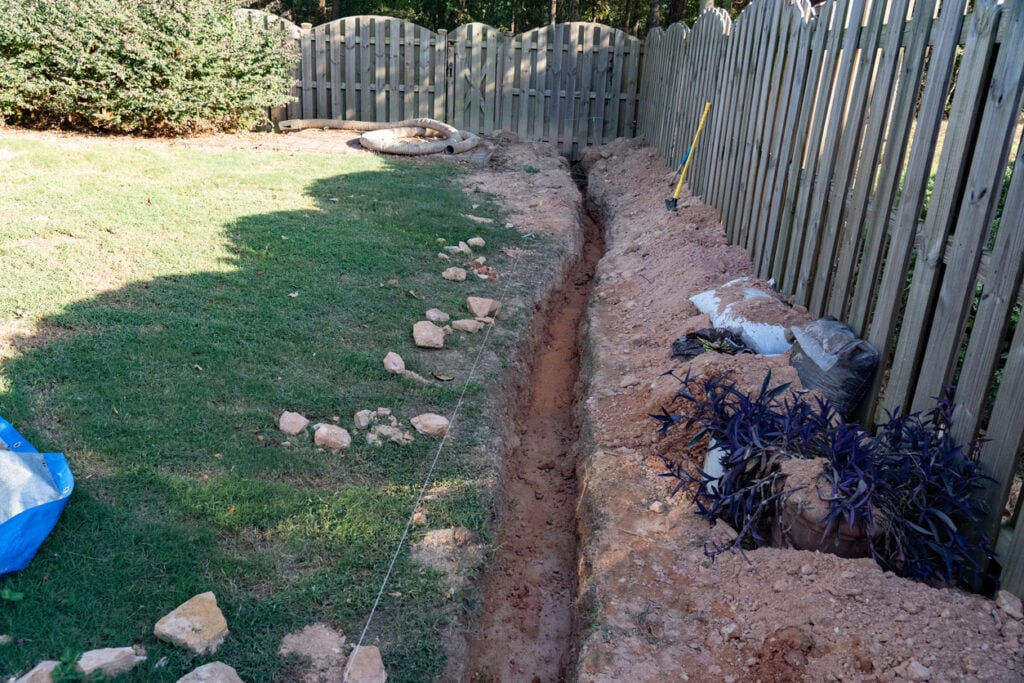
Many homeowners focus on what they can see. Standing water attracts attention because it is obvious. Soil movement does not. Unfortunately, shifting soil can create complications around foundations, patios, walkways, retaining walls, and other structures.
The process is slow enough that people often adapt to it without noticing. A small crack appears. A section of pavement settles slightly. A gate becomes harder to close. Each issue seems unrelated until a broader pattern starts becoming visible.
Moisture Does Not Respect Property Lines
Water rarely stays where people expect it to stay. A drainage issue that begins in one section of the yard can eventually affect other areas. Water follows the easiest path available. Sometimes that path leads toward a foundation. Sometimes it moves beneath hardscaping. Sometimes it collects near outdoor living spaces that were meant to remain dry.
This becomes especially important as homeowners invest more in outdoor improvements. Patios, kitchens, gardens, seating areas, and entertainment spaces have become increasingly common. These features add value and enjoyment, but they also depend on proper water management. A beautiful outdoor space loses some of its appeal when puddles remain for days after every rainfall.
Landscaping Can Suffer Too
Drainage issues do not only affect structures. Plants need water, but they also need oxygen around their roots. When soil remains saturated for extended periods, roots may struggle to function properly. Certain plants become vulnerable to disease. Lawns may develop thin areas. Garden beds can become difficult to maintain.
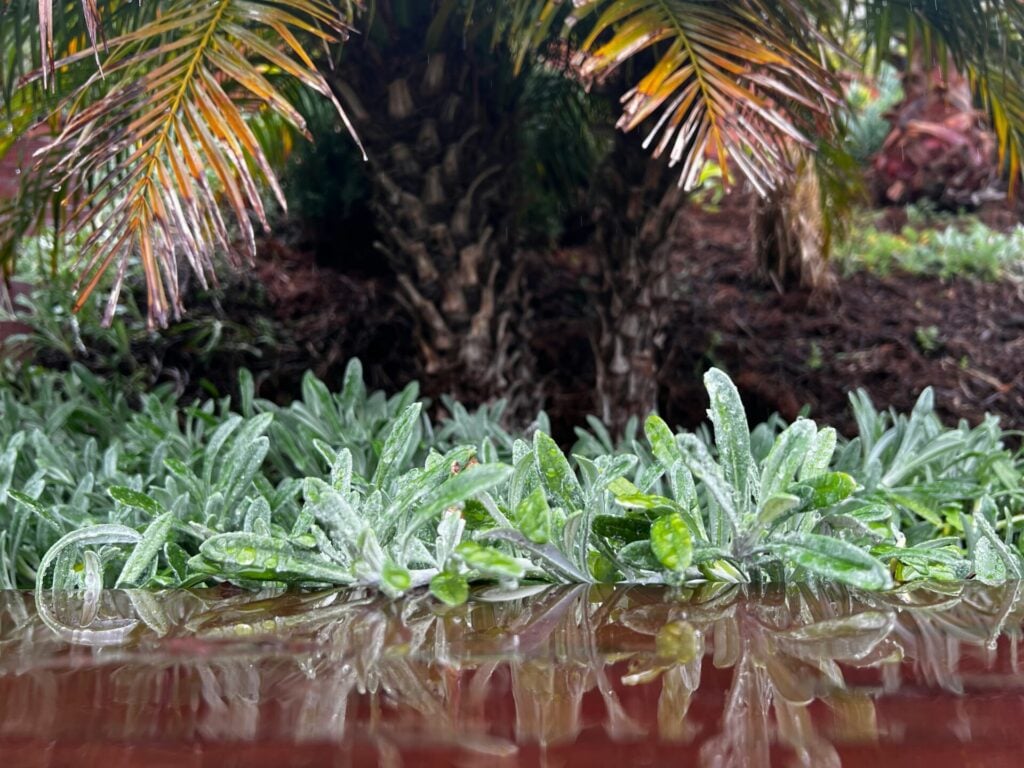
The frustrating part is that homeowners sometimes respond by adding more fertilizer, replacing plants, or changing maintenance routines when the real issue lies beneath the surface. A healthy landscape depends on balance. Too little water creates stress. Too much water creates a different kind of stress. Neither situation supports long-term growth. This is one reason drainage solutions often improve the appearance of a yard even when no new plants are added.
The Cost of Waiting Can Add Up
Home maintenance decisions are often driven by urgency. A leaking roof receives immediate attention because the problem is visible. Electrical issues tend to move quickly to the top of the priority list. Drainage problems are different. They develop slowly and quietly, which makes postponement feel reasonable. Unfortunately, water continues working while homeowners wait.
Small drainage concerns can eventually contribute to erosion, foundation issues, damaged landscaping, and moisture intrusion. None of these repairs is inexpensive. In many cases, addressing drainage early would have cost significantly less than correcting the resulting damage later. That is not meant to create alarm. It is simply how water behaves over time.
Modern Properties Face New Challenges
Residential properties look different today than they did decades ago. Larger driveways, patios, walkways, and other hard surfaces have become more common. While these improvements provide practical benefits, they also reduce the amount of ground available to absorb rainfall naturally.
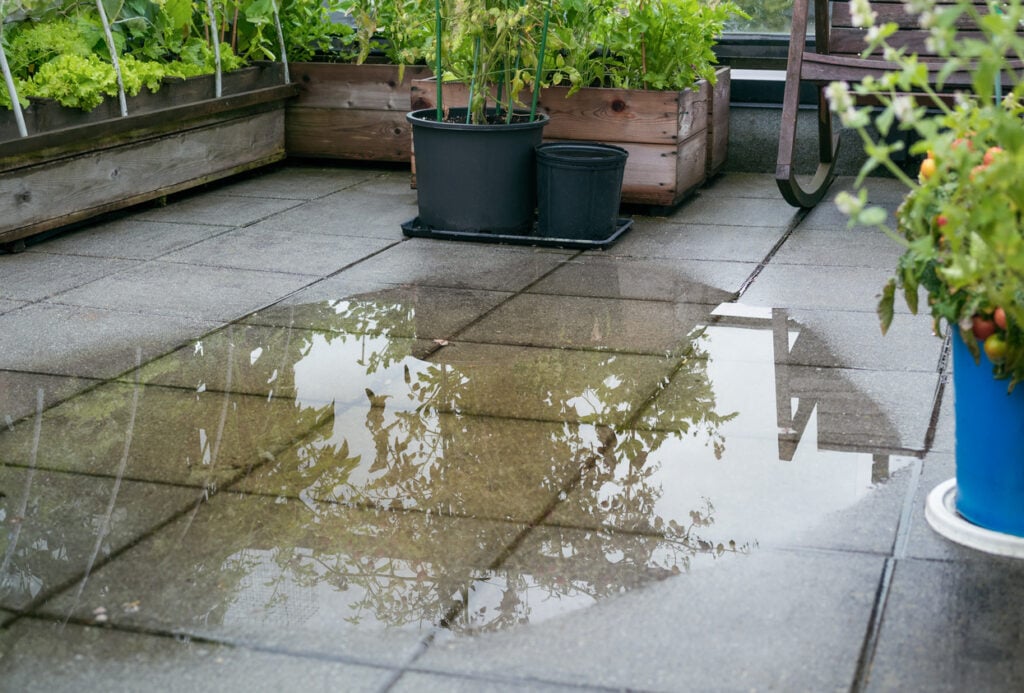
As a result, more water remains on the surface. During heavy storms, runoff increases. Areas that previously handled rainfall without difficulty may begin experiencing problems as conditions change. Weather patterns can also contribute. In many regions, rainfall events have become less predictable. Long dry periods may be followed by intense storms that place greater pressure on drainage systems. Properties that once performed adequately may now require additional solutions to manage changing conditions.
Prevention Is Usually Less Expensive Than Repair
The most effective drainage improvements are often the ones nobody notices. Water moves away from the property correctly. Soil remains stable. Landscaping stays healthier. Outdoor spaces remain usable after rain. Everything functions as intended without drawing attention to itself. That outcome may not seem particularly exciting, but it is valuable.
Homeowners often spend considerable time selecting finishes, plants, outdoor furniture, and decorative features. Those decisions matter. Yet many of those investments depend on something much less visible working properly underneath. Good drainage supports nearly every other part of the landscape.
Small Water Problems Rarely Stay Small Forever
The challenge with drainage is that it rewards attention and punishes neglect. A puddle in the yard may seem harmless today. Saturated soil may not appear urgent. Water collecting near a walkway may simply look inconvenient. Yet each of these conditions can signal a larger issue developing below the surface.
Most homeowners would rather spend time enjoying their property than managing repairs caused by preventable water damage. That is why drainage deserves consideration before visible damage appears. The goal is not perfection. It is creating a property where water moves where it should, instead of where it can. When that happens, the yard performs better, the landscape remains healthier, and the home itself gains an extra layer of protection that many people never notice until it is missing.