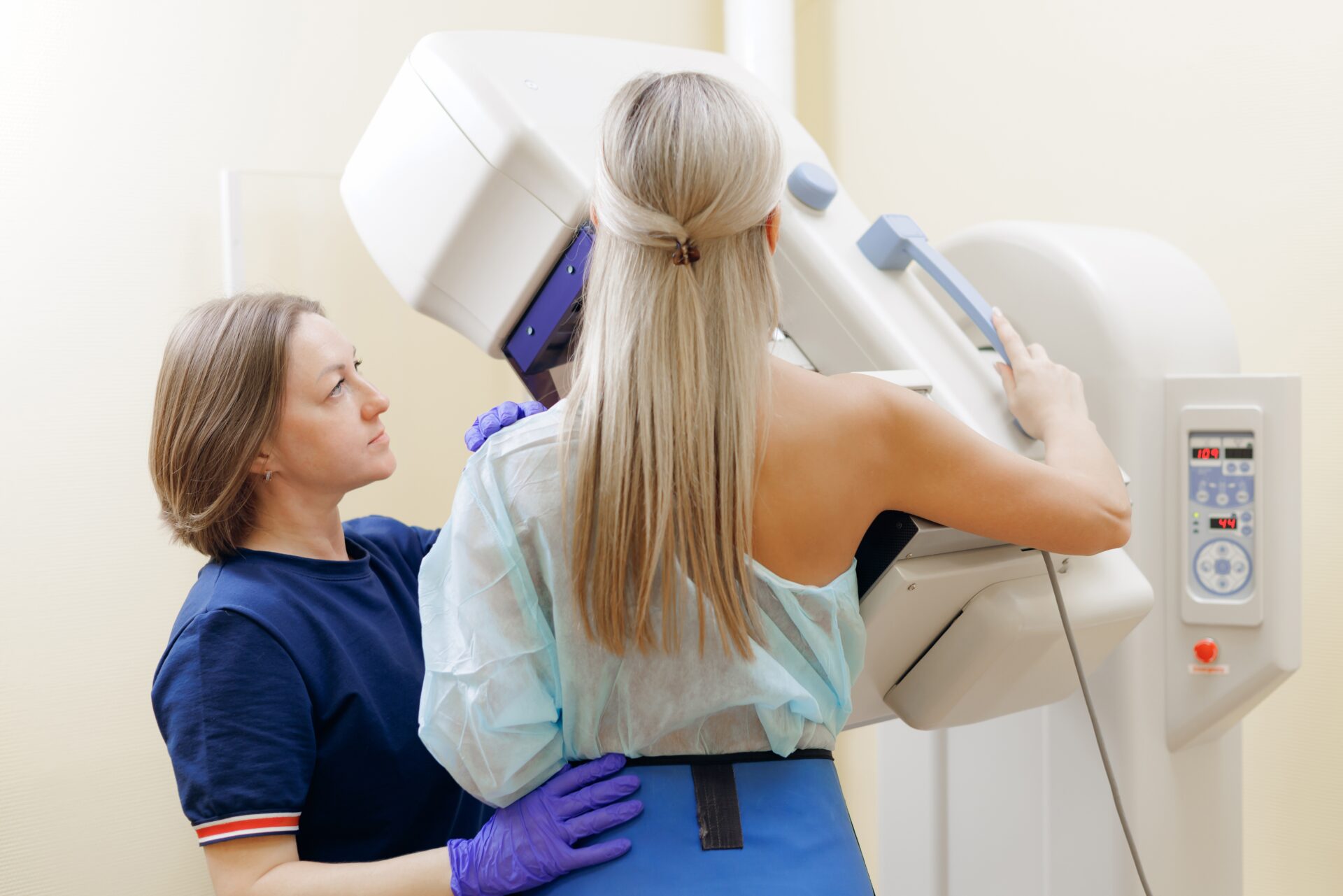
Your mammogram finds something abnormal, and they order additional tests. But nothing happens.
Who should have made sure that you got that test?
Sometimes the delay in a breast cancer diagnosis starts with miscommunication, not the original mammogram. Perhaps they did find something, but the patient was never told to get additional testing done.
There are many people who could be held liable in these cases.
An Abnormal Mammogram Requires Follow-Up
Not all abnormal results on a mammogram are cancerous. They may require additional testing to find out if there is anything to be concerned about. These additional tests can include another mammogram, ultrasound, and/or a biopsy.
It’s important to follow up on abnormal mammograms.
According to the BI-RADS Breast Imaging Reporting and Data System, there are differences in classifications. BI-RADS 0 means additional imaging or comparison with earlier images is needed to finish the assessment. Category 3 is probably benign and usually calls for short-interval follow-up imaging. Category 5 is highly suggestive of malignancy and requires a biopsy.

A 3 may also come back on your mammogram, meaning they believe it’s benign and may require additional imaging. The follow-up instructions are important as well.
A study done in 2026 looked at patients who had screening mammograms that returned BI-RADS 0 in one US institution. Of the patients screened in 2023, 63.3% received diagnostic evaluation within 30 days of their initial mammogram. That figure shows how many patients received diagnostic evaluation within 30 days at that institution, not a national rate or a deadline for care.
So after receiving your mammogram, who makes sure you receive follow-up? If you feel like you may not have gotten a follow-up after an abnormal result, learn more about breast cancer misdiagnosis claims at verdictvictory.com/medical-malpractice/breast-cancer-misdiagnosis-lawsuits. There are multiple parties that could be responsible, so it’s important to figure out what happened after the mammogram was performed.
Who Is Liable For Not Getting A Follow-Up Test After Your Mammogram
There are multiple people who can be responsible for not receiving that follow-up test. Depending on the situation, their job responsibilities, the report, and the law.
Radiologist and Mammogram Facility
As mentioned before, the radiologist will read your mammogram and determine if any findings need further examination. The facility that performed your mammogram can also be liable for not informing you of your results.
Under US federal mammography rules, facilities must provide patients with a written summary in plain language within 30 calendar days after the exam. For findings assessed as Suspicious or Highly Suggestive of Malignancy, that summary must be provided within seven calendar days of the final interpretation.
Facilities also need a system for referring patients who do not have a healthcare provider when the result makes that clinically necessary. Making a referral is different from confirming that testing took place. However, referring someone is different than knowing if they actually got tested.
Ordering Provider
Your ordering provider, such as your PCP, GYN, or whoever ordered the mammogram, may be liable as well. A failure to communicate or arrange needed follow-up may be relevant to a malpractice claim if it fell below the applicable standard of care and caused harm. Sometimes doctors order a second test and that never reaches you.

They may not have followed up with your new provider, or you may not know to call your new provider to make sure you got that follow-up. If a plan is put in place, you should know what test is needed and who to contact to get it done.
Clinic or Hospital
Similar to a doctor, a clinic or hospital can be at fault as well. Perhaps they didn’t have proper procedures in place or a person who was assigned to schedule you for that additional test. Your result may have been sent to the correct office, but no one checked that message queue to make sure you got your test.
You may need to look into whether the clinic or hospital did what was required of them to make sure you got your test. Just because you got cancer later on doesn’t mean that is enough evidence.
How Can A Result Be Missed?
A missed result can happen during the handoff between the imaging facility, the clinician, and the patient. Your result could be on your patient portal, but you weren’t informed. Your doctor may think they told you, or the facility that did your mammogram thought your doctor would set you up for additional testing. You just kept waiting.
There may be evidence that they sent you a message, but you may not know what they were recommending. Or they may have referred you, but did they check to see if you went to your appointment?
This can occur when:
- There is no designated person to contact you
- No one is checking to see if the patient made their appointment
- No one follows up when you don’t respond to a message or don’t go to your appointment
- The patient receives no clear explanation of the result or next step.
Safety professionals call this closing the loop: making sure results are sent, received, acknowledged, and acted on, not simply posted or delivered. An electronic system may send a notification, but it doesn’t help if there is no plan in place to ensure they get tested.
Is A Late Diagnosis Considered Medical Malpractice?
Not all delayed diagnoses of breast cancer are considered medical malpractice. There are times when it takes a while to get certain tests done, and that isn’t due to someone being negligent. You also could have had an abnormal mammogram, and it could have turned out to be nothing.
In most cases, when dealing with medical malpractice, you want to prove duty, breach of duty, damages, and causation.
Did someone owe you a duty, did they not follow the standard of care, and did that cause you harm?
The hard part may be proving causation. If cancer was later diagnosed, the key question is whether timely follow-up testing could have found it earlier and whether the delay caused a legally recognized injury. That takes a review of the records and, often, expert evidence. There are ways to help with this, but you will want to know what tests were ordered, when they were ordered, and when you got them done.
There can be many providers involved, but you may also find that there was no one at fault for your delay in diagnosis. Make sure to understand the statute of limitations in your state.
What Should I Do If My Results Were Never Followed Up On
If you haven’t heard back, don’t assume everything is okay with your mammogram. Reach out to your ordering provider or the facility that performed your mammogram to ask about your results.

You can always:
- Request your results and ask what they recommend you do next
- Ask your provider to follow up with you or let you know how to schedule the additional testing
- Keep track of all your visits, phone calls, etc
If you notice any changes to your breasts, let your doctor know. Even if your last mammogram was normal.
If your result came back suspicious, or you aren’t able to get an appointment, speak with your provider and ask how you can get that test done. As mentioned above, there are time frames, but don’t use that as your time frame to wait. Speak with your provider if you have any concerns and seek another opinion if you feel your questions are not being answered.
If you were recently diagnosed with breast cancer, gather all your previous mammograms, results, messages, etc to see if there was a delay in your diagnosis.
Closing The Loop On Your Results
While you can ask questions and keep track of your information, the system should not rely on you to know that you need to be tested again.
Make sure you know who will follow up with you after an abnormal mammogram.