Climate disasters in 2025 affected more than 87 million people worldwide, marking another year in which extreme weather crises shifted from headline-grabbing events to a sustained global pattern.
 2023: A Year of Catastrophic Climate Emergencies
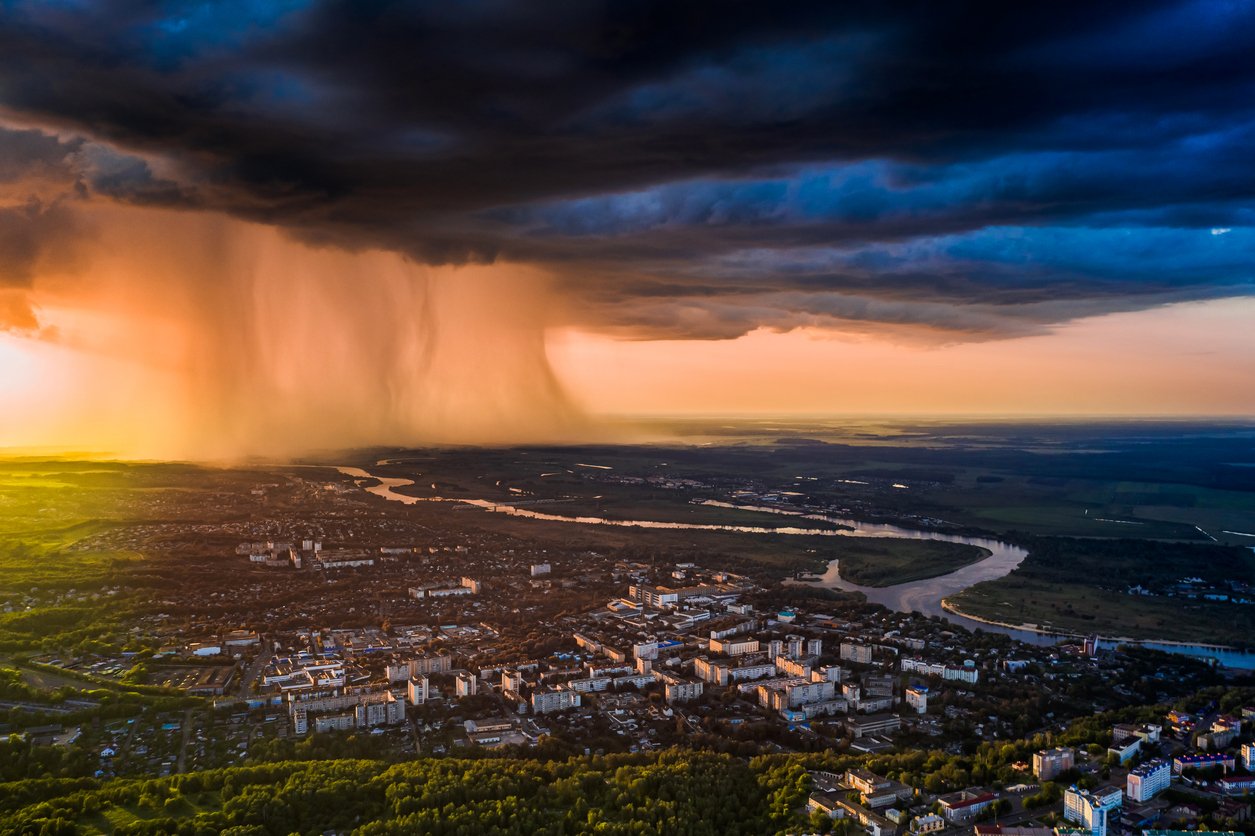
 From multi-billion-dollar hurricanes in the Atlantic to devastating floods in Asia, prolonged drought in East Africa and record wildfire seasons in North America and the Mediterranean, the scale of disruption was geographic and economic.
Researchers warn that disasters of this scale are testing the limits of global adaptation efforts, even as fossil fuel emissions continue to rise despite rapid growth in renewable energy. Although 2025 was slightly cooler than 2024 due to weak La Niña conditions, it still ranked as the third-warmest year ever recorded.
The Atlantic’s Deadliest Storm
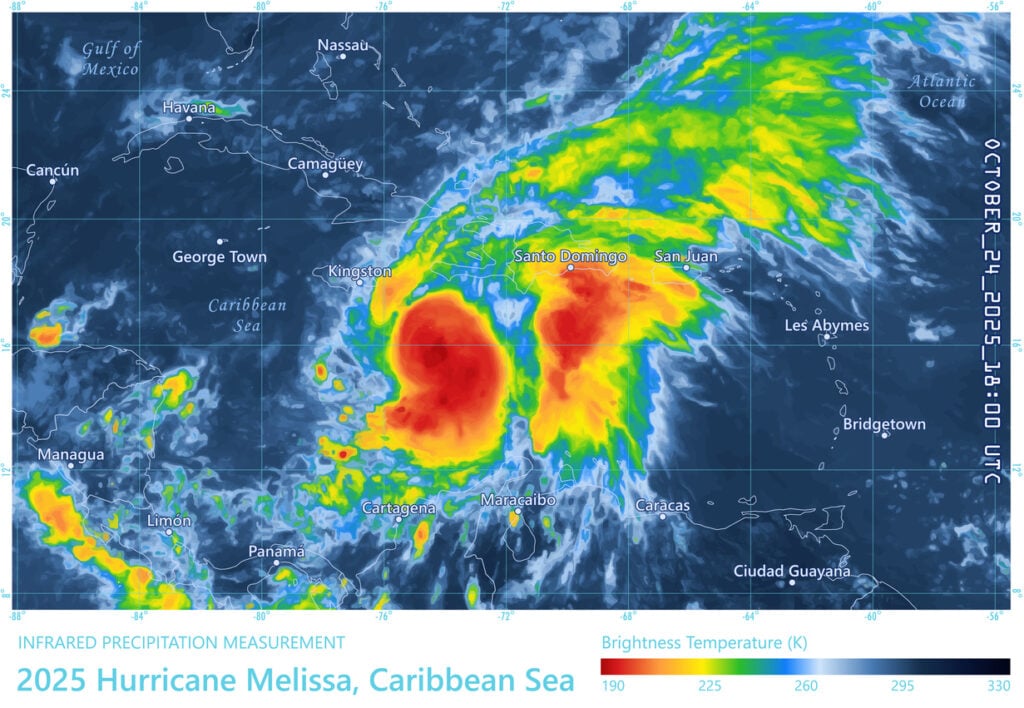
The 2025 Atlantic hurricane season was among the most destructive in recent memory. In October, the year’s most powerful storm, Hurricane Melissa, reached sustained wind speeds of 295 kilometres per hour (185 mph), tearing across the Caribbean and affecting millions.
It left at least 127 people dead across Jamaica, Haiti, Panama, the Dominican Republic and Cuba, flattening homes, crippling infrastructure and overwhelming emergency services.
When the Category 5 storm struck Jamaica, it caused destruction on a scale rarely seen in the country’s modern history. According to UN News, total damage and losses are estimated between $8 billion and $15 billion, nearly 25 per cent of Jamaica’s GDP.
Flooding Across Asia
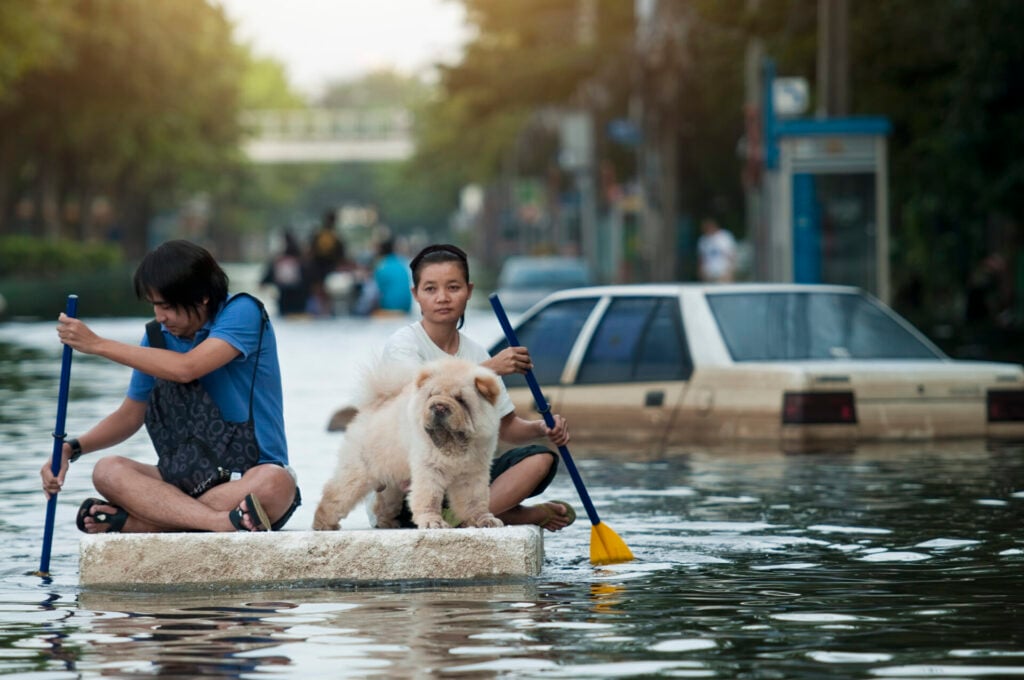
Flooding remained the most widespread climate disaster of 2025. A rare convergence of two tropical cyclones and a typhoon in late November and early December unleashed catastrophic flooding and winds across Asia, making it the deadliest storm system of 2025. More than 1,600 people were killed between November and December alone, displacing millions and overwhelming disaster-response systems.
South Asia’s monsoon season brought exceptional rainfall to countries including Sri Lanka, Indonesia, Thailand, the Philippines and Vietnam, affecting millions. Rivers overflowed, embankments failed, and agricultural land was submerged for weeks. Transportation networks were disrupted, schools closed, and rural economies temporarily paralysed.
In South Asia, an exceptionally intense monsoon season devastated parts of Pakistan and India. Between late June and mid-September, heavy rains and flash floods in Pakistan alone killed 946 people, including 255 children, injured more than 1,000 and affected around four million, while submerged farmland across India left thousands of farmers facing severe crop losses.
Southern Europe’s Heatwave and Wildfire Crisis
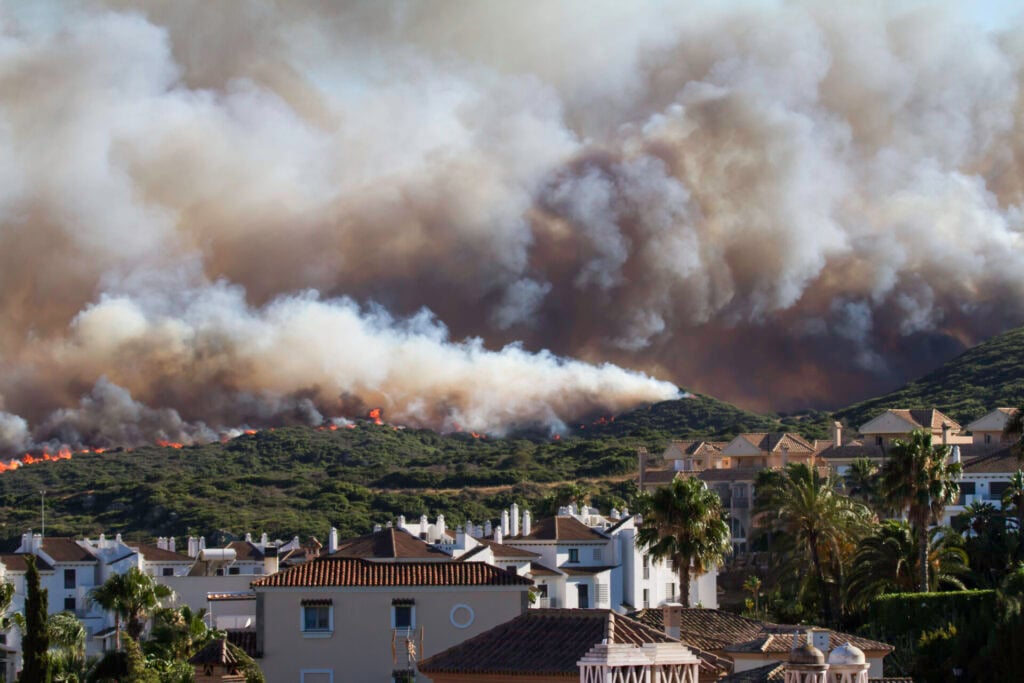
The January 2025 Los Angeles wildfires were the costliest event of the year and the costliest wildfire on record. With $61.2 billion in damages, this devastating event was about twice as costly as the previous record wildfire.
Southern Europe endured prolonged extreme heat throughout the summer months. In parts of Spain, Italy, and Greece, temperatures exceeded 45°C, placing stress on energy grids and public health systems.
The heat increased wildfire risk, with major fires burning across Turkey, Portugal, Greece, Spain and southern France, destroying hundreds of thousands of hectares of forest and farmland. Blazes on the Greek island of Evia and in southern Spain forced mass evacuations, while smoke drifted into the UK and northwestern Europe, degrading air quality far beyond the fire zones.
Cyprus also endured its worst July wildfires in more than fifty years, resulting in two fatalities and producing the island’s highest annual emission total after only two days of burning.
Canada experienced another significant wildfire season, continuing a troubling trend of longer, hotter fire cycles. Millions of hectares burned across western provinces, forcing evacuations and disrupting supply chains. Smoke travelled thousands of kilometres, impacting major cities across North America.
Drought in East Africa
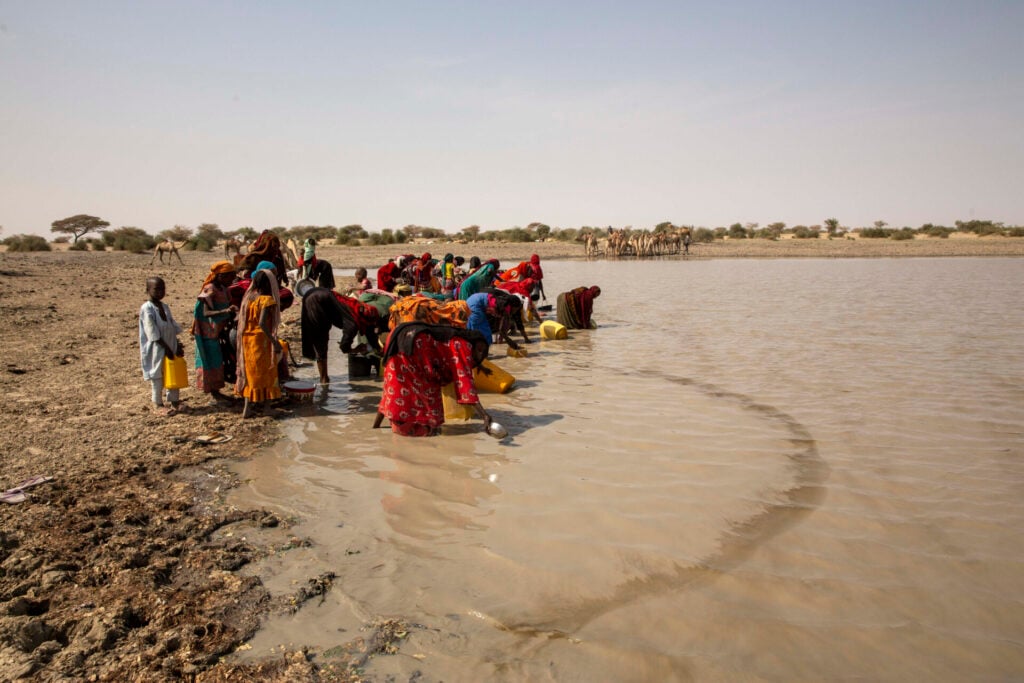
While some regions faced flooding, others endured prolonged drought. Parts of Kenya, Ethiopia and Somalia continued to grapple with failed rainy seasons, reducing crop yields and livestock survival rates. Food insecurity worsened in vulnerable communities already facing economic and political pressures.
The cumulative impact of these disasters began to reshape global food security in 2025. The UN’s Food and Agriculture Organisation has long warned that drought is the single most destructive climate hazard for agriculture, responsible for more than 30 per cent of global crop losses.
In 2025 prolonged drought stretched across the western United States, Brazil, southern Africa and the Mediterranean, cutting harvests and driving food price inflation. Analysis cited by the UN Convention to Combat Desertification and global drought monitoring bodies described the situation not as a temporary dry spell, but as a slow-moving global emergency.
The Unequal Impact of Climate Disasters
Low-income countries and vulnerable populations bear a disproportionate burden of climate impacts, despite contributing the least to global greenhouse gas emissions. Informal settlements are often located in flood-prone zones, where rural farmers depend directly on stable weather patterns.
The 87 million people affected in 2025 include those with damaged homes, disrupted livelihoods, lost crops, and displaced communities. The critical question moving forward is whether global emissions reductions and adaptation measures will accelerate fast enough to prevent that number from rising again in 2026.