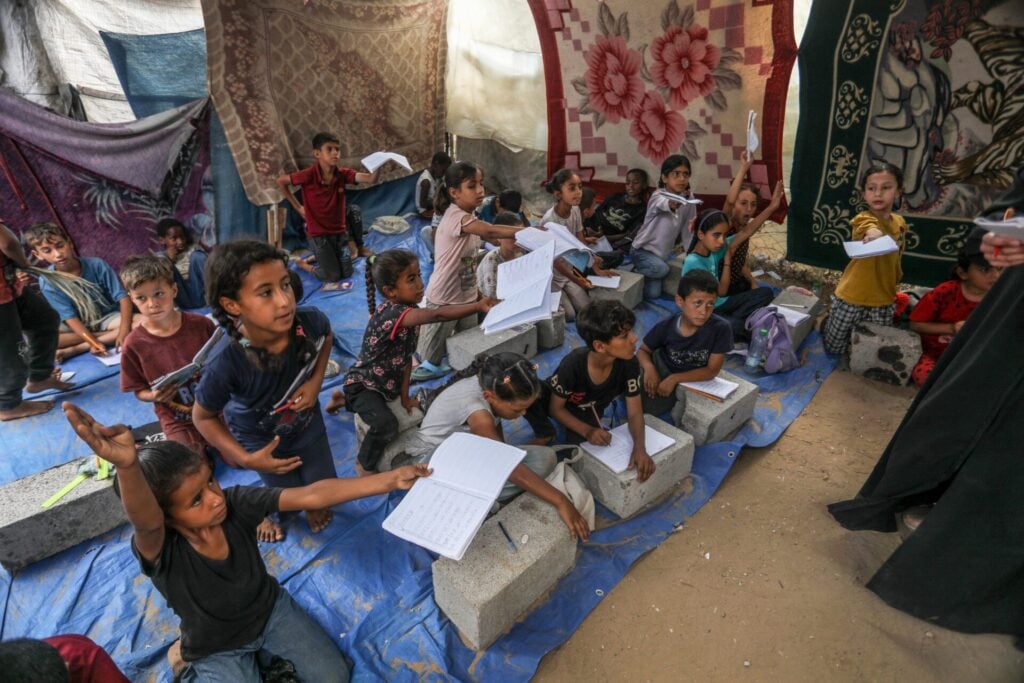
As Lebanon continues to grapple with conflict, economic collapse and one of the world’s largest displacement crises, thousands of young people are finding their futures placed on hold.
For many refugee and displaced students, the barrier isn’t a lack of talent or ambition, but a lack of recognised qualifications. Without formal school-leaving certificates, university places, vocational training opportunities and skilled jobs often remain out of reach.
Now, a new partnership between Cambridge University Press & Assessment and Lebanese NGO Alsama Project hopes to change that.
The organisations have signed an agreement to develop and scale the G12++, an innovative qualification designed specifically for refugees and displaced young people whose education has been disrupted by conflict, crisis or displacement.
The initiative was announced at the Education World Forum and aims to provide an internationally recognised pathway into higher education and employment for young people who have fallen outside traditional education systems.
According to UNHCR data, Lebanon is home to around 1.3 million forcibly displaced people, while globally there are more than 117 million displaced individuals, including 49 million children
The need is significant. According to UNHCR data, Lebanon is home to around 1.3 million forcibly displaced people, while globally there are more than 117 million displaced individuals, including 49 million children. Yet only 9 per cent of refugees worldwide access higher education, compared with an average of 42 per cent among the wider global population.
Born inside a refugee camp
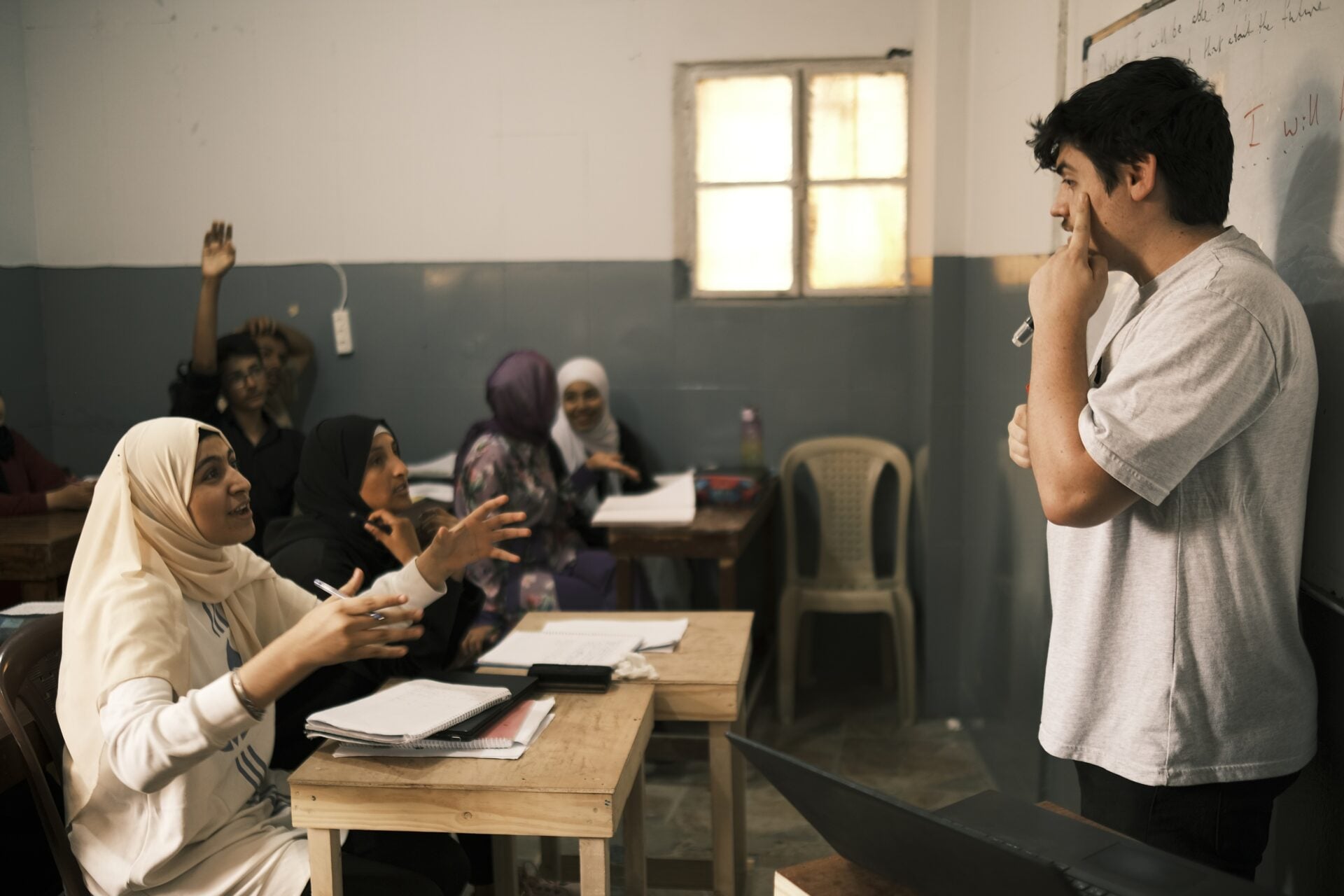
The G12++ was created by Alsama Project, a non-profit organisation based in Beirut’s Shatila refugee camp that provides education for teenagers outside the formal school system. Originally inspired by Alsama’s students themselves, the qualification was designed as an alternative to traditional secondary school exit exams for learners whose education has been interrupted.
Unlike many conventional assessments, the qualification focuses less on memorisation and more on real-world problem solving, critical thinking and transferable skills. It is curriculum-agnostic, meaning it can be adapted across different educational backgrounds while remaining relevant to the realities faced by displaced learners.
The first G12++ examination was launched in Shatila in February 2026, with students who once struggled with basic literacy and numeracy now successfully earning a qualification that can help them progress into university, vocational training and employment
The first G12++ examination was launched in Shatila in February 2026, with students who once struggled with basic literacy and numeracy now successfully earning a qualification that can help them progress into university, vocational training and employment.
A growing challenge
Cambridge says the initiative comes at a time when forced displacement is increasing globally, driven not only by conflict but also by climate-related pressures.
Jane Mann, Managing Director of Partnership for Education at Cambridge, noted that the education crisis facing displaced youth is likely to worsen as climate change and instability continue to uproot communities around the world.
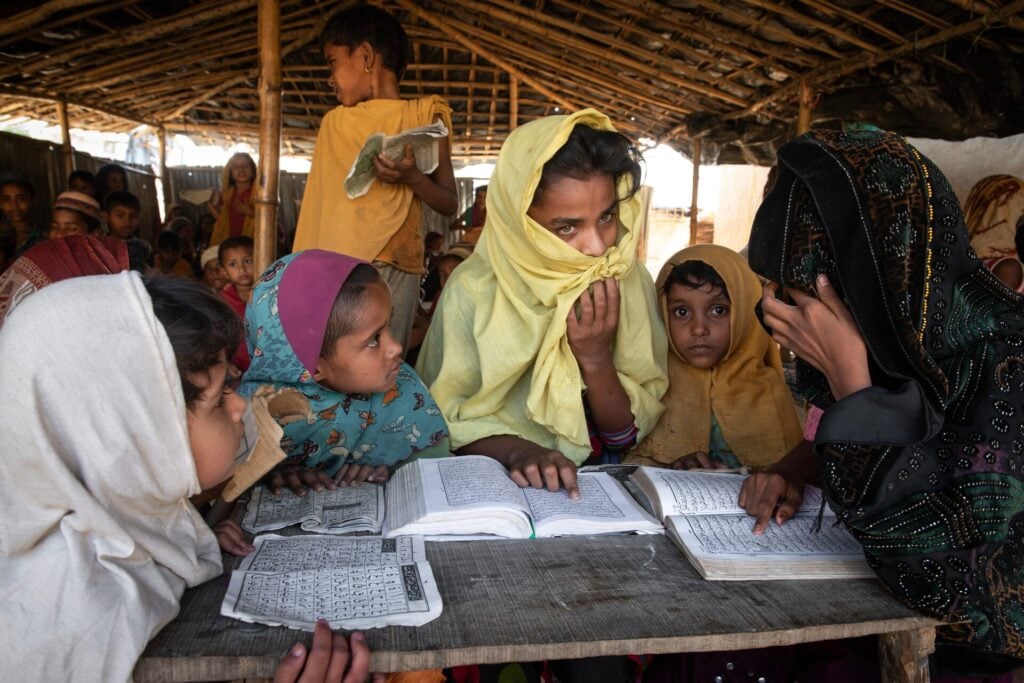
Under the new agreement, Cambridge and Alsama Project will work together to further develop the qualification, expand delivery through NGO partners internationally and build recognition among universities, employers and policymakers.
For Alsama co-founder and CEO Meike Ziervogel, the partnership represents far more than an educational milestone.
‘The barrier has never been ability. What has been missing is recognition,’ she said. ‘The G12++ exists to change that.’
Turning survival into opportunity
Among the first students to benefit is Wissal Al-Jaber, who fled Syria to Lebanon as a child after her family was imprisoned by Islamic State.
‘War may threaten your present, but education will protect your future,’ she said. ‘The G12++ gives me the opportunity to show the world what I am capable of.’
As displacement continues to rise globally, supporters of the initiative hope the qualification could become a model for helping refugee and marginalised learners prove their capabilities, access opportunities and rebuild futures that conflict and crisis threatened to take away.