
We live in a world built around buying, using and, all too often, throwing away. But as mountains of waste grow and the extraction of virgin resources continues to take its toll on the planet, creating a more circular economy has become increasingly important.
But not everyone is failing. New research published in July 2026 examined 75 countries to find those performing particularly well at keeping their goods in circulation. The study assessed four measures: the amount of raw material required to generate economic output, municipal recycling rates, electronic waste generated per person, and the international trade in second-hand clothing.
The results reveal some perhaps surprising leaders. Singapore takes the top spot, while a cluster of European nations dominates much of the remainder of the top ten.
Here are the countries leading the charge.
1. Singapore

Circularity Performance Score: 100
Singapore tops the ranking, helped considerably by a municipal recycling rate of 52 per cent, the highest among the countries assessed. The city-state also uses around 0.39kg of raw materials for every US dollar of economic output, indicating a relatively efficient use of resources.
However, there is an important caveat. Singapore generates approximately 20.3kg of electronic waste per person each year, demonstrating that even countries performing strongly on circularity still have considerable room for improvement.
2. Austria

Circularity Performance Score: 98.78
Austria follows closely behind, recycling 51.47 per cent of its municipal waste. The country is also a significant exporter of second-hand clothing, sending around 31.6 million kg of used textiles abroad each year, helping clothes remain in circulation beyond their first owners.
Austria produces approximately 19.6kg of e-waste per person annually, putting it broadly in line with other wealthy European economies.
3. Slovenia

Circularity Performance Score: 93.48
Small but mighty when it comes to circularity, Slovenia takes third place. The country recycles 46.09 per cent of its municipal waste and exports around 2.2 million kg of second-hand textiles, a considerable amount for a nation of roughly two million people.
Its electronic waste footprint is also lower than several of its Western European counterparts, at approximately 17kg per person.
4. Germany

Circularity Performance Score: 91.59
Germany’s well-established recycling culture helps secure it fourth place. Around 47 per cent of municipal waste is recycled, while the country is also a powerhouse in the second-hand clothing market. More than 450 million kg of used clothing is exported annually, the largest overall volume among the countries included in the study.
Germany’s waste-management transformation has been decades in the making, illustrating the importance of long-term infrastructure, legislation and public participation rather than quick fixes.
5. Latvia
Circularity Performance Score: 87.35
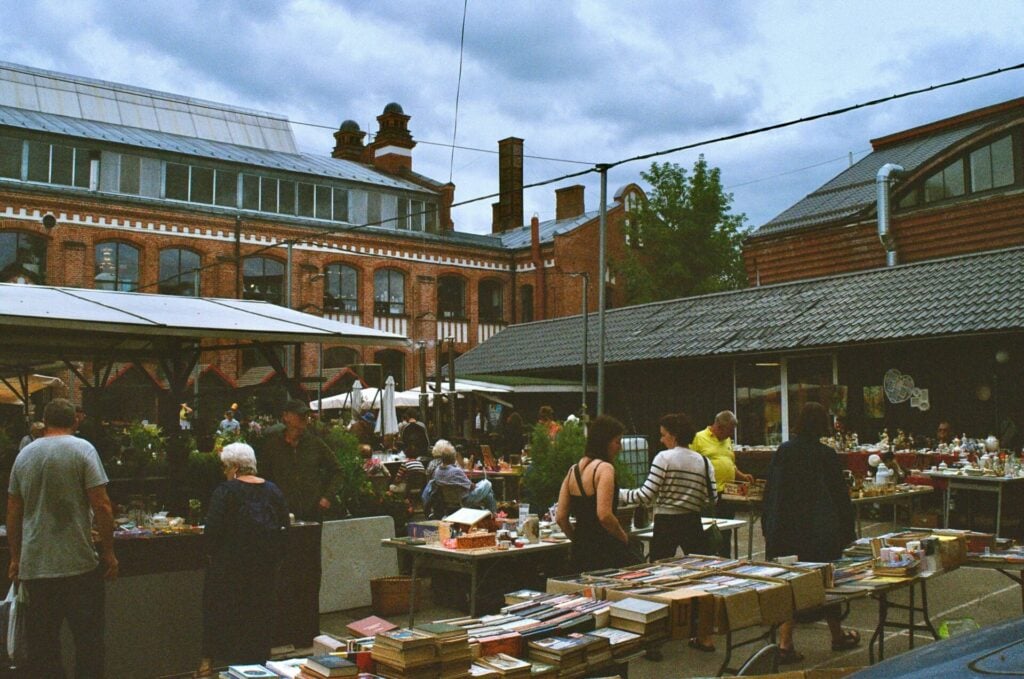
Latvia stands out particularly when it comes to electronic waste. The Baltic nation generates approximately 11.9kg of e-waste per person annually which is considerably less than many wealthier European countries in the ranking.
It also recycles just over 36 per cent of municipal waste and is a net importer of second-hand clothing, taking in around 16.7 million kg of used textiles. A strong domestic second-hand market can help extend the useful life of clothes that might otherwise become waste.
6. Denmark
Circularity Performance Score: 81.38
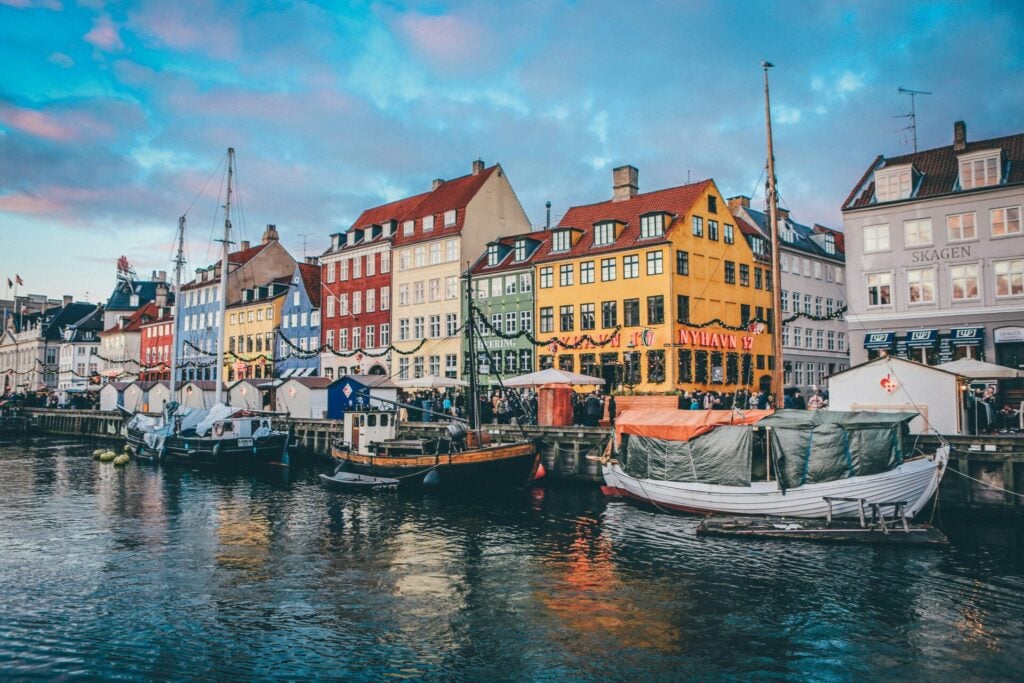
Denmark places sixth overall, combining highly efficient material use with a municipal recycling rate of 31.22 per cent. The country uses approximately 0.35kg of raw materials for every dollar of economic output.
One area remains challenging, however: Denmark generates around 22.3kg of electronic waste per person each year, among the higher figures in the top ten.
7. The Netherlands

Circularity Performance Score: 81.36
The Netherlands comes just behind Denmark, with remarkably efficient material use helping boost its overall ranking. It requires only 0.13kg of materials per dollar of GDP which is the lowest figure among the top ten countries, and is also a substantial net exporter of used clothing.
Its municipal recycling rate stands at 28.12 per cent, while e-waste generation remains comparatively high at 22.1kg per person.
8. Ireland

Circularity Performance Score: 81.34
Ireland takes eighth place with particularly efficient use of raw materials, requiring around 0.24kg for every dollar of economic output. Its municipal recycling rate stands at just over 26 per cent, while electronic waste generation is approximately 20.6kg per person.
The country is a slight net importer of second-hand clothing, highlighting the increasingly international nature of the market for pre-loved fashion.
9. Italy

Circularity Performance Score: 80.49
Italy comes ninth, performing particularly strongly on material efficiency. The country uses approximately 0.22kg of raw materials per dollar of economic output, although its municipal recycling rate which is 21.86 per cent according to the dataset, is considerably lower than those of Singapore, Austria and Germany.
Italy also imports slightly more second-hand clothing than it exports and generates around 19kg of electronic waste per person annually.
10. Republic of Korea

Circularity Performance Score: 79.51
Completing the top ten is the Republic of Korea, which records a municipal recycling rate of 38.43 per cent — one of the strongest figures on the list. It also plays a sizeable role in the international second-hand clothing market, with net exports equivalent to approximately 4.95kg per person.
Electronic waste generation stands at 17.9kg per person, while material use is approximately 0.49kg per dollar of economic output.
Making Circularity the Norm
Globally, only a fraction of municipal waste is recycled, while growing consumption of electronics, fashion and other goods continues to create enormous waste streams. Recycling is part of the solution, but a genuinely circular economy goes further: designing products to last, repairing rather than replacing them, buying second-hand, reusing materials and ultimately reducing how much we consume in the first place.
Perhaps the most interesting lesson from the countries at the top of this list is that circularity doesn’t happen overnight. Germany began overhauling its waste-management system decades ago, while Singapore introduced mandatory recycling requirements for commercial buildings in the 1990s.
The research was conducted in July 2026 by custom packaging company Arka and analysed 75 countries using data covering material use, municipal recycling, electronic waste and the second-hand clothing trade.