I once watched a city council spend forty minutes arguing about a single pedestrian crossing. Then, in under three, they waved through a million dollar wetland restoration because it was already funded. That gap tells you almost everything about how green infrastructure gets paid for.
The money rarely shows up as a line item called ‘nature.’ It hides inside stormwater bills, bond measures, tax districts, and grants nobody outside city hall reads. Once you can see those channels, the whole debate about parks and trees changes shape. This is a look at where the cash comes from, who decides, and how an ordinary resident can actually push.
Why green infrastructure is a budget problem, not a landscaping one
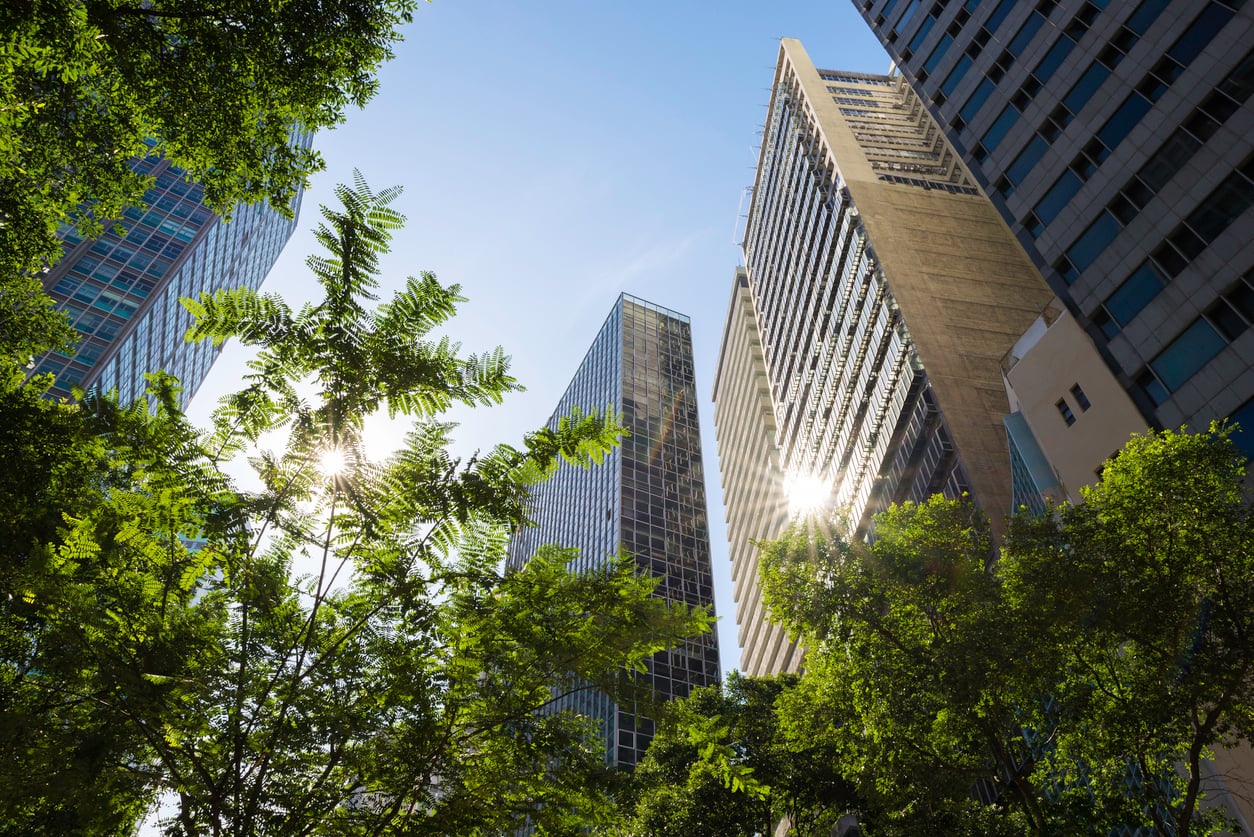
A row of street trees looks like decoration until the first big storm. Then those trees are intercepting rainfall, slowing runoff, and sparing the drainage system a job it wasn’t built to do. The EPA treats green infrastructure as a water management approach, not an aesthetic one, which is the frame that gets it funded.
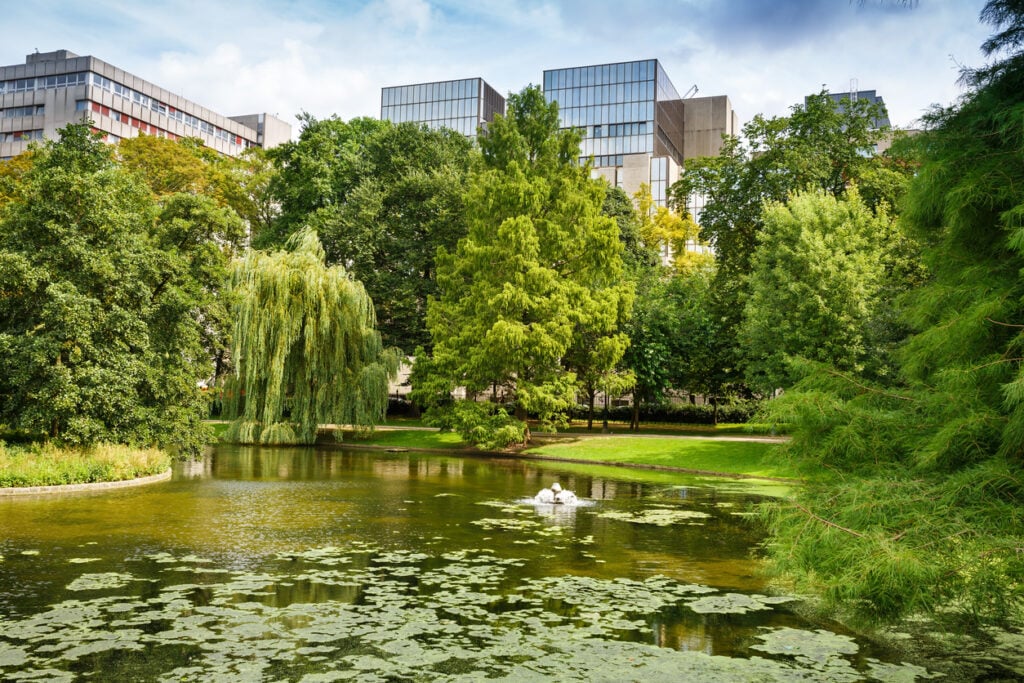
That reframing matters because budgets follow categories. A park is a parks department problem. A wetland that absorbs floodwater is a public works problem, and public works has more money. Cities that understand this stop selling trees as beauty and start selling them as load reduction for pipes that cost eight figures to replace. I’d argue every resident should learn that translation, because it’s the version that survives a council vote.
A row of street trees looks like decoration until the first big storm. Then those trees are intercepting rainfall, slowing runoff, and sparing the drainage system a job it wasn’t built to do
So ask yourself the blunt question: what is your city actually buying when it plants a tree? Shade, yes. Also stormwater capacity, cooler streets, and in some neighborhoods, measurably less heat at the end of a long day. Those are the numbers that move budgets.
A short list of the funding channels that do the heavy lifting
Most municipal green infrastructure money arrives through one of a handful of paths. You don’t need a finance degree to spot them, but you do need to know their names, because that’s how you find the documents.
- Stormwater utility fees, charged on the water bill and ring-fenced for drainage and runoff work.
- Municipal bonds, borrowed against future tax revenue and repaid over decades.
- Capital improvement plans, the multi-year wish list that decides which projects exist at all.
- Federal and state grants, competitive pots that reward cities with ready designs and matching funds.
- Developer conditions, where new construction is required to include green space or pay into a fund.
That last one is the most powerful. A developer agreement can deliver a wetland or a pocket park without a single new tax dollar, which is why the boring legal language in a site plan matters more than most press releases.
Who’s holding the purse strings
Depending on where you live, you might be dealing with a utility authority, a parks district, a city finance office, or all three fighting over the same street address. Each has its own calendar. Each has its own definition of ‘shovel ready.’
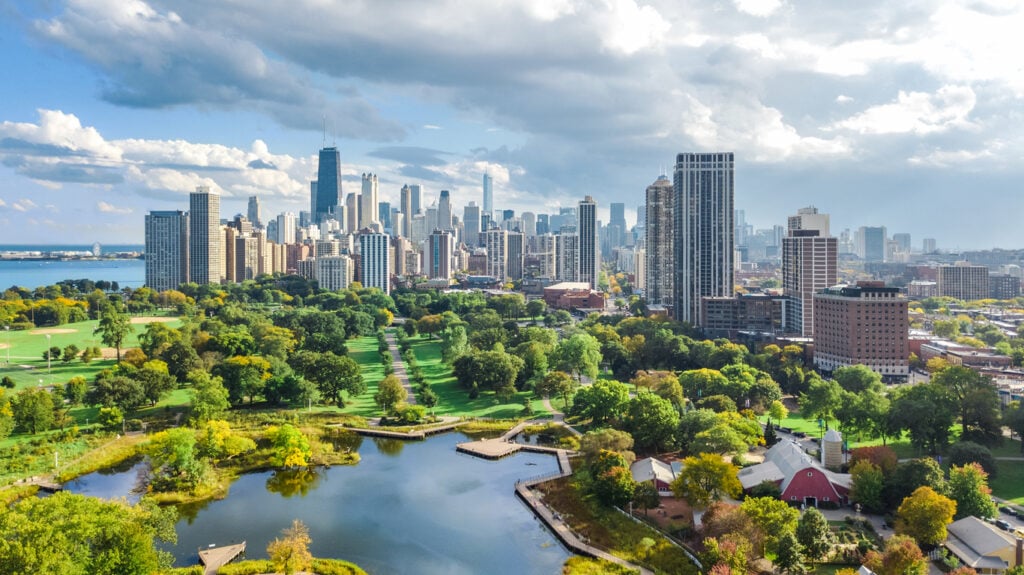
The bigger shift is that spending on green infrastructure now gets judged by the same institutional lens as any other asset. The ESG News feed is a decent way to watch how cities, funds and companies pitch environmental projects to the people who sign checks. That’s not a small thing for a park. It changes who gets invited to the table.
The World Bank has documented that a large share of global infrastructure investment decisions still undervalue natural systems, which is why cities end up paying twice: once for the pipe, once for the flood damage.
Private wealth and municipal finance aren’t the same world, but they overlap in one useful way: both reward patience. A wetland funded over thirty years looks expensive in year one and cheap by year ten. Families in coastal California think about this constantly, and some engage Investment Management in Newport Beach, CA for long-horizon planning. Same logic, different scale. Green infrastructure lives on the same time axis.
How residents actually get a green project funded
Here’s a sequence I’ve watched work more than once, and it’s mostly about paperwork rather than protest.
- Find the line item. Pull the current budget and the capital improvement plan. Search for ‘stormwater’ ‘urban forestry’ or ‘green infrastructure.’ If it isn’t there, that’s your first data point.
- Name the cost of doing nothing. Flooded intersections, cracked pavement from heat, rising cooling costs. Local figures beat national ones every time.
- Attach your project to an existing grant cycle. Most federal and state programs run annually. Missing the window costs a full year.
- Get one council member to own it. Ownership is the difference between a nice idea and an agenda item.
- Bring a group, not a complaint. A neighborhood association, a school, a business improvement district.
- Ask for a study, not the whole thing. Small yeses compound.
Two sessions of calm public comment will beat one angry one. I say that as someone who’s watched a heated meeting lose a project that a calm follow-up meeting won six months later.
What the World Bank numbers suggest about scale
Zoom out and the picture gets starker. The World Bank has documented that a large share of global infrastructure investment decisions still undervalue natural systems, which is why cities end up paying twice: once for the pipe, once for the flood damage.
A wetland planted with fanfare and left unmanaged becomes a weed patch and a cautionary tale for the next council. Budgets almost always fund construction and forget stewardship
The practical takeaway for your own neighborhood is scale, not despair. A single city rarely moves global numbers. It can move its own runoff, heat, and shade numbers considerably, and those are the ones you’ll feel on a July afternoon.
The part most coverage leaves out
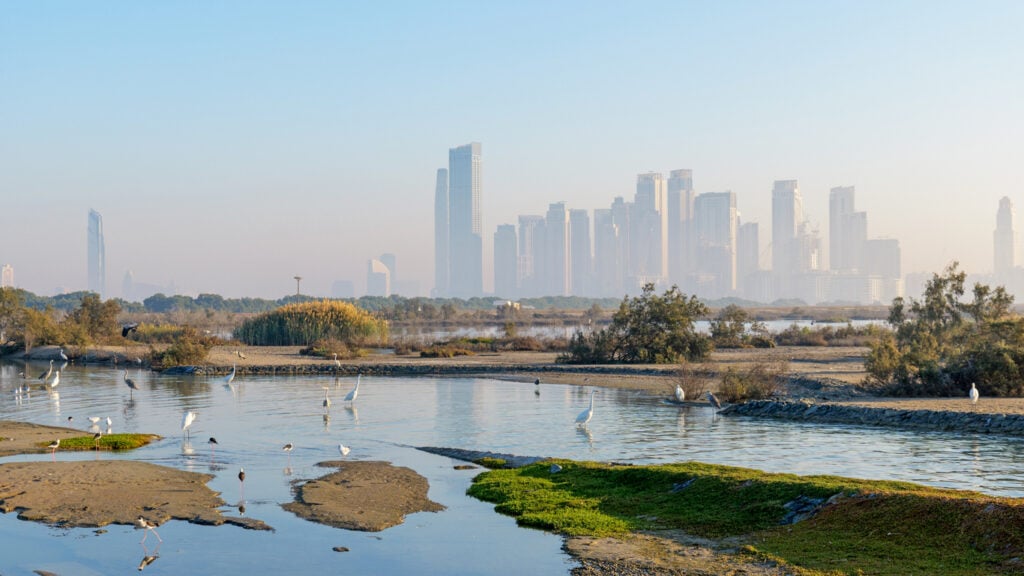
Maintenance is where green infrastructure projects can die. A wetland planted with fanfare and left unmanaged becomes a weed patch and a cautionary tale for the next council. Budgets almost always fund construction and forget stewardship, which is why ten-year maintenance line items are worth more than a ribbon-cutting.
If you take one thing from this, take the calendar. City budgets are annual, capital plans run five to ten years, and grant cycles are seasonal. Know which window is open right now, and you’re already ahead of most people who show up to a meeting with good intentions and no timeline.
Which green infrastructure project in your city has been sitting on a list for years? Find out what’s funding it. That single question tends to open more doors than any petition.