Comebacks for species such as tigers, tuna and green sea turtles prove nature loss can be reversed, according to a new report by the WWF.
But the survey states action is urgently needed on methods of food production, tackling the climate crisis and a move away from investment in harmful practices if a biodiversity collapse is to be averted.
The World Wildlife Fund (WWF) Living Planet study analysed nearly 36,000 animal populations and more than 5,000 species, producing the largest ever database of vertebrate wildlife.
Scientists found populations had declined by an average of 73 per cent since 1970, showing that ‘nature continues to be degraded at an alarming scale’, with ‘no sign of losses slowing’.
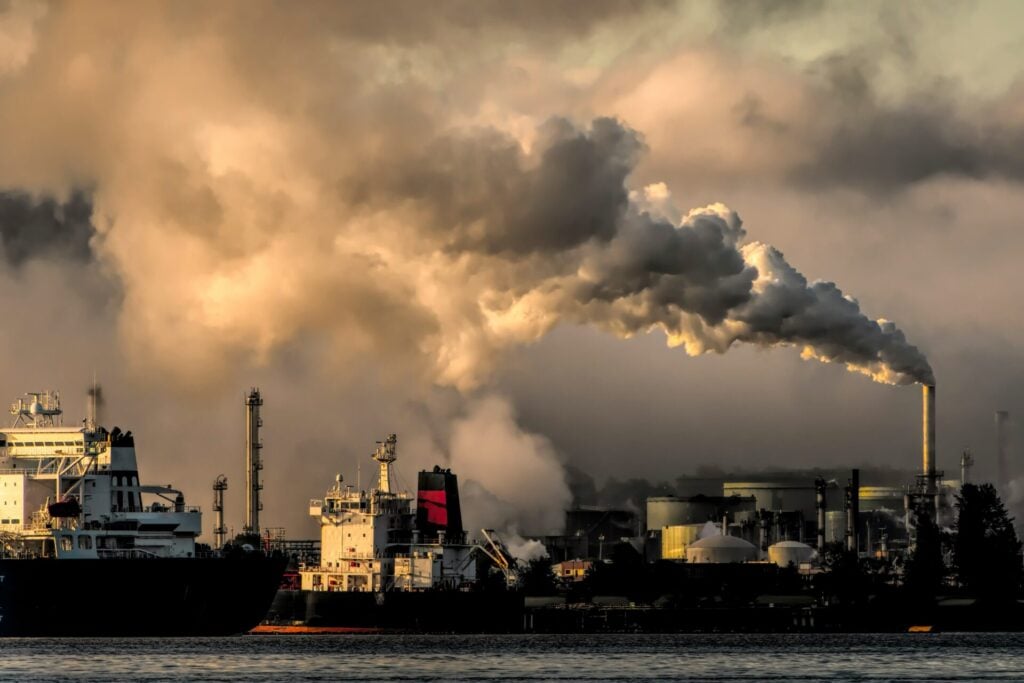
This decline is driven by threats to agriculture from climate change, mainly caused by burning fossil fuels, and by financial systems that drive investment into activities that harm the environment
This loss is also a direct threat to the global economy, the report says, noting that about half of global GDP – roughly $58tn in 2023 – depends on the natural world and its ecosystems.
This decline is being driven by threats from climate change, mainly caused by burning fossil fuels, to agriculture, which is the largest cause of habitat loss, and financial systems driving investment into activities that harm the environment.
Yet nature’s recovery is crucial, as it is vital for food, clean air, fresh water, the climate, and as a source of medicines, the report says.
The assessment measured changes in the sizes of 35,803 populations of 5,970 species of birds, fish, mammals, reptiles and amphibians, using methods ranging from camera traps and analysis of tracks to aerial surveys.
Its authors wrote that species collapse now poses an ‘existential threat to economic stability, geopolitical security and human wellbeing’.
‘Nature loss is not just a crisis for wildlife. It’s already sending us the bill through growing risks to our food security, water supplies, economy and resilience to climate shocks’
Tanya Steele, chief executive,WWF UK
Humans must adapt the way they produce food, Dr Mike Barrett, the chief scientific adviser for WWF UK and a co-author of the report said.
‘Agriculture is the single largest cause of habitat loss and degradation and therefore the loss of biodiversity. It’s also a major source of greenhouse gas emissions and so helps drive climate change, so you have that feedback,’ he explained.
‘Given the appalling damage that humanity has inflicted on the planet over many decades, it is a remarkable truth that we have still got a way out.
‘Now, that window of opportunity is narrowing, but it does remain open.’
Barrett warned that nature could not recover once negative ‘tipping points’ are passed, such as the collapse of the world’s warm water coral reefs.
But the same process of tipping points – where momentum builds until it crosses a threshold and change accelerates and becomes irreversible – can happen in a positive way, the report says.
It cited as an example the energy transition which the analysis said has passed a positive tipping point, as oil, gas and coal are replaced by clean technology such as solar power and electric vehicles, the conservationists argued.
‘We stand at a fork in the road – either we continue paying the rising price of nature loss, or we invest in nature’s recovery and a future where people and wildlife can thrive together’
Tanya Steele, chief executive,WWF UK
It is clear what levers are needed to tip food and finance systems into accelerating change for good, including nature-positive farming, sustainable diets and redirecting financial flow away from damaging agricultural subsidies and fossil fuels, the report pointed out.
However, this will require governments and businesses to work for long-term interests, not short-term gains, for local and indigenous communities to have legal rights and authority over the lands they manage, while farmers and fossil fuel workers need support to change jobs and activities, WWF said.

Animal populations were found to be falling most sharply in tropical regions noted for biodiversity.
In Latin America and the Caribbean, land and freshwater wildlife populations fell by an average of 95 per cent between 1970 and 2022, while the equivalent declines were 80 per cent in Africa and 23 per cent in Europe and Central Asia.
Freshwater wildlife suffered the sharpest losses across the world’s ecosystems, with monitored populations in rivers and lakes down by an average of 85 per cent, compared with 69 per cent for land species and 59 per cent for marine species.
Tanya Steele, the chief executive of WWF UK, said: ‘Nature loss is not just a crisis for wildlife. It’s already sending us the bill through growing risks to our food security, water supplies, economy and resilience to climate shocks.
‘We stand at a fork in the road – either we continue paying the rising price of nature loss, or we invest in nature’s recovery and a future where people and wildlife can thrive together.’
WWF Wildlife Comeback
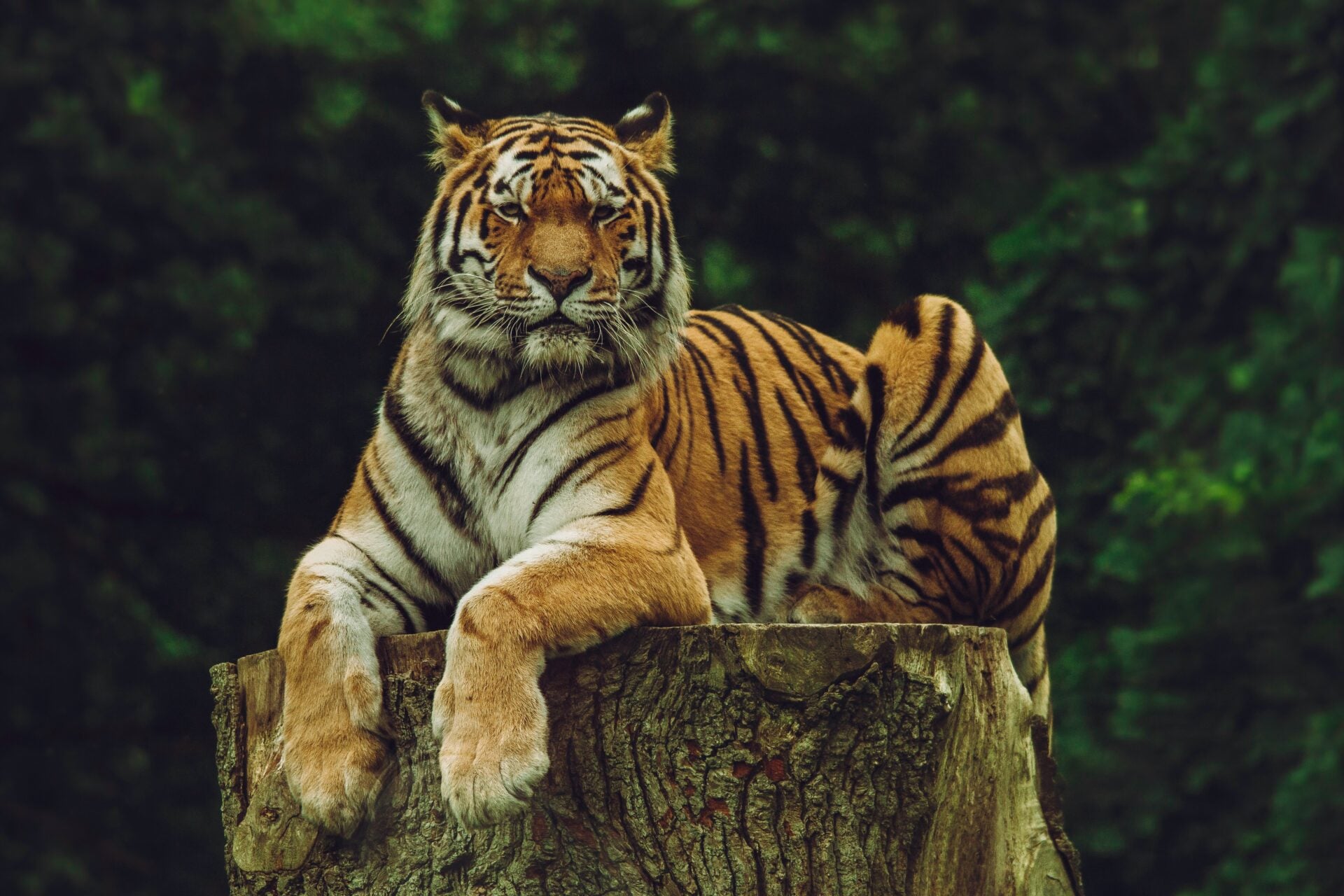
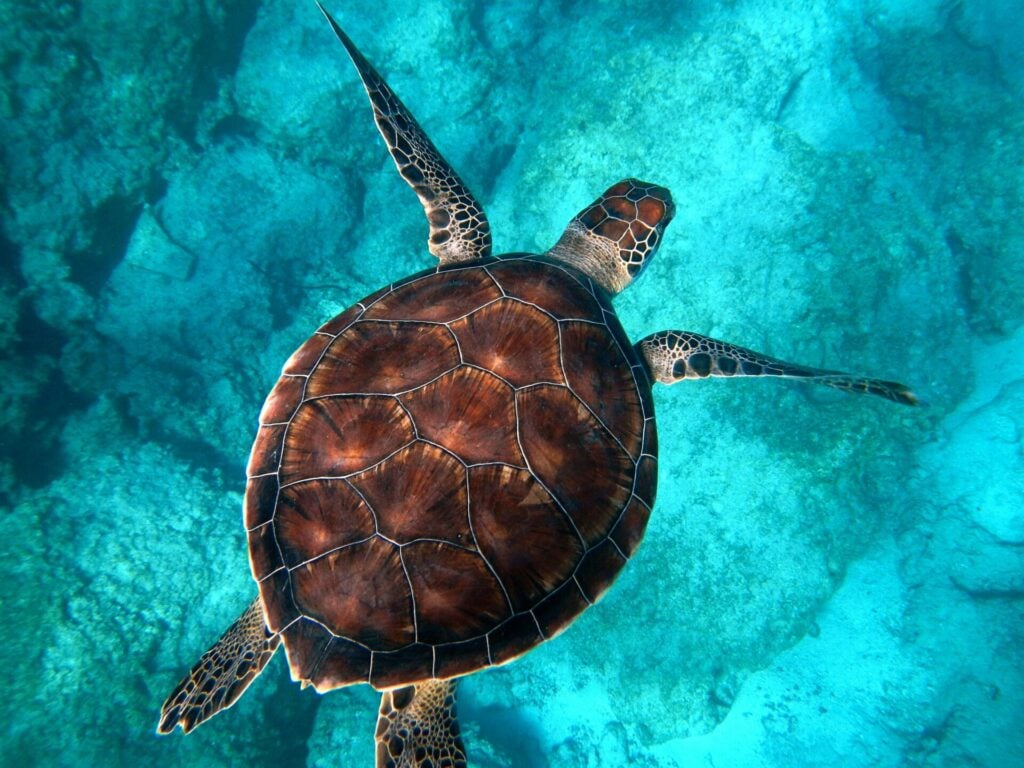
But despite the pattern of global biodiversity decline, wild tigers, green sea turtles and bluefin tuna are recovering, the report said, showing that ‘it is still possible to reverse the global loss of nature when action is taken’.
In 2010, about 3,200 wild tigers remained globally and the species was sliding toward extinction. After sustained and targeted conservation interventions, the population has grown to roughly 5,700, an increase of more than 70 per cent.
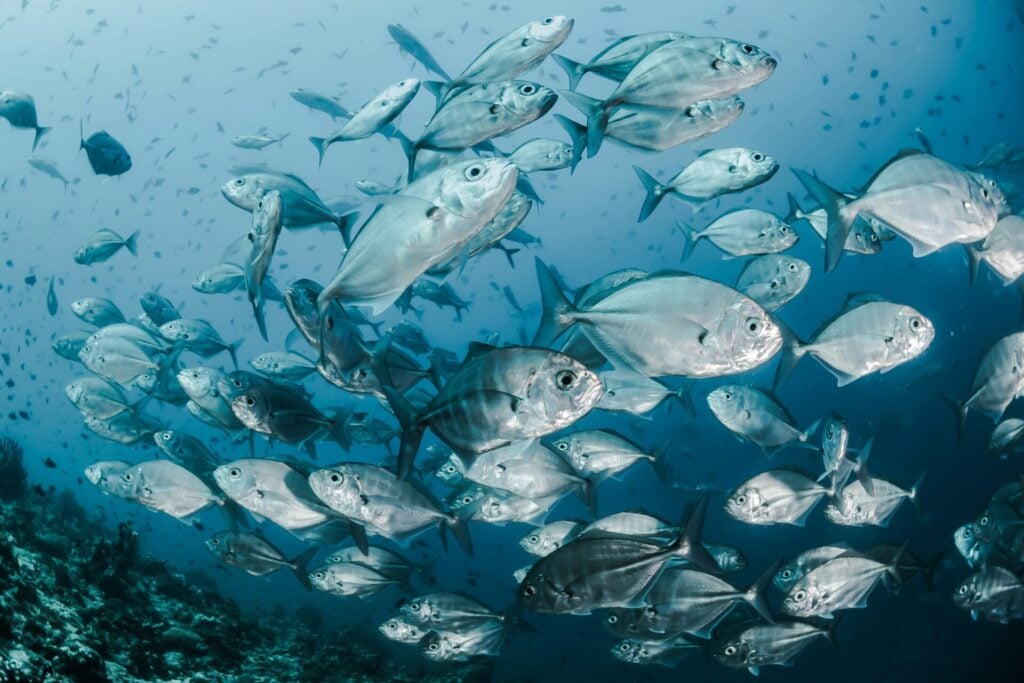
The report said Atlantic and Pacific bluefin tuna populations, which were collapsing after decades of overfishing, had now recovered to the point where neither was now considered threatened.
Last year, the green sea turtle became the first marine turtle ever down-listed from endangered to least concern on the IUCN red list, reflecting 50 years of coordinated conservation work across about 80 countries.
Barrett added: ‘These are examples that show that nature can recover even when pushed right to the brink, and they provide us with inspiration. It’s also very clear that conservation alone cannot tackle the scale of threats facing nature.’