

A commercial property can look spotless from the entrance while hiding a costly problem behind its walls, inside storage areas or beneath equipment. Pests rarely announce their arrival, yet their presence can have consequences far beyond an unpleasant sighting.
For businesses operating warehouses, restaurants, manufacturing facilities, offices and retail spaces, an infestation can threaten inventory, interrupt operations, damage infrastructure and undermine customer confidence.
What makes commercial pest problems particularly challenging is their ability to spread unnoticed. A few insects in a storage area may eventually affect valuable products, while rodents entering through a small opening can cause extensive damage. Understanding the risks, recognising early warning signs and taking preventive action can help businesses avoid expensive emergencies.
When an infestation becomes an emergency
Not every pest sighting requires the same response. A minor ant problem in an office breakroom differs considerably from an established beetle infestation inside a food-processing facility. The severity depends on the pest species, affected materials, infestation size and operational risks.
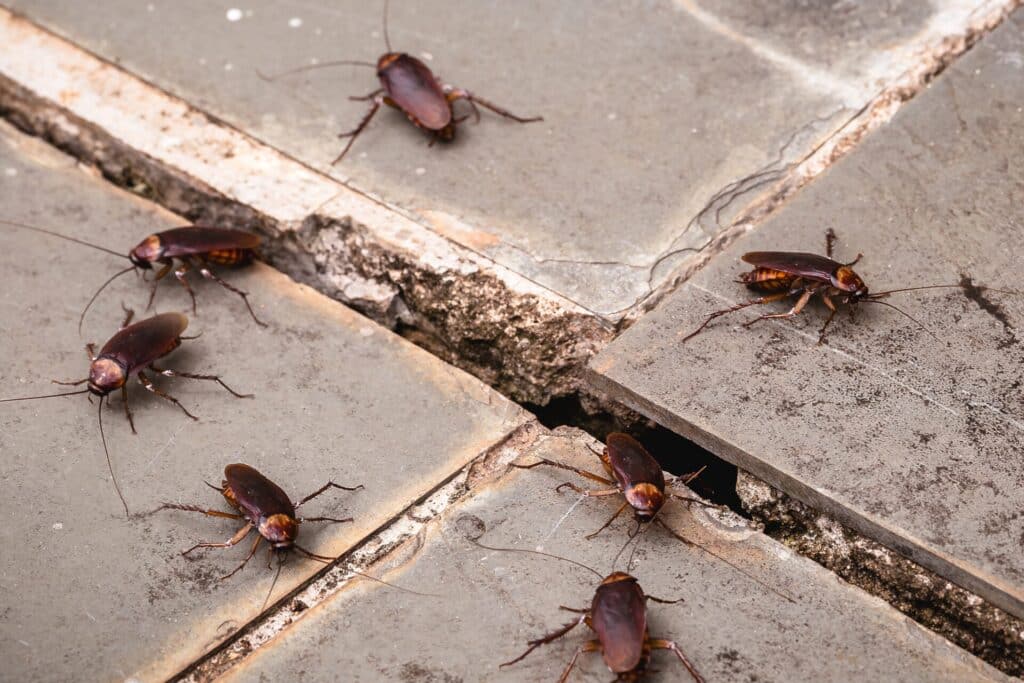
In warehouses, grain facilities and manufacturing environments, certain insects can contaminate stored products or spread through processing equipment. When infestations become extensive, routine treatments may not adequately address insects hidden inside products or inaccessible spaces.
In these circumstances, commercial fumigation may be considered as part of a professionally managed pest-control strategy.
Fumigation involves using regulated gaseous pesticides under carefully controlled conditions. It requires trained personnel, appropriate preparation, restricted access, and verified safety clearance before reentry. Because fumigation carries significant safety requirements, it should only be performed when justified by a professional assessment.
Managing infestations without unnecessary chemicals
Not every pest sighting requires chemical treatment. Increasingly, responsible property management focuses on preventing infestations in the first place, rather than relying on routine pesticide applications.
Known as integrated pest management, this approach combines regular inspections, improved sanitation, sealing entry points, monitoring and targeted interventions to address problems with the least possible risk to people and the environment.
Where infestations become severe, professional treatment may be necessary. However, chemical fumigation should be considered only following a thorough assessment of the available options, with appropriate safeguards to protect workers, building occupants and the surrounding environment.
The hidden cost of damaged inventory
Inventory represents a substantial financial investment, making stored products particularly vulnerable to pest activity. Beetles, moths and weevils can infest grains, flour, spices and other dry ingredients, introducing contamination that renders products unsuitable for sale or consumption.
Rodents create additional problems by chewing through packaging, contaminating storage areas, and damaging products that might otherwise remain saleable.
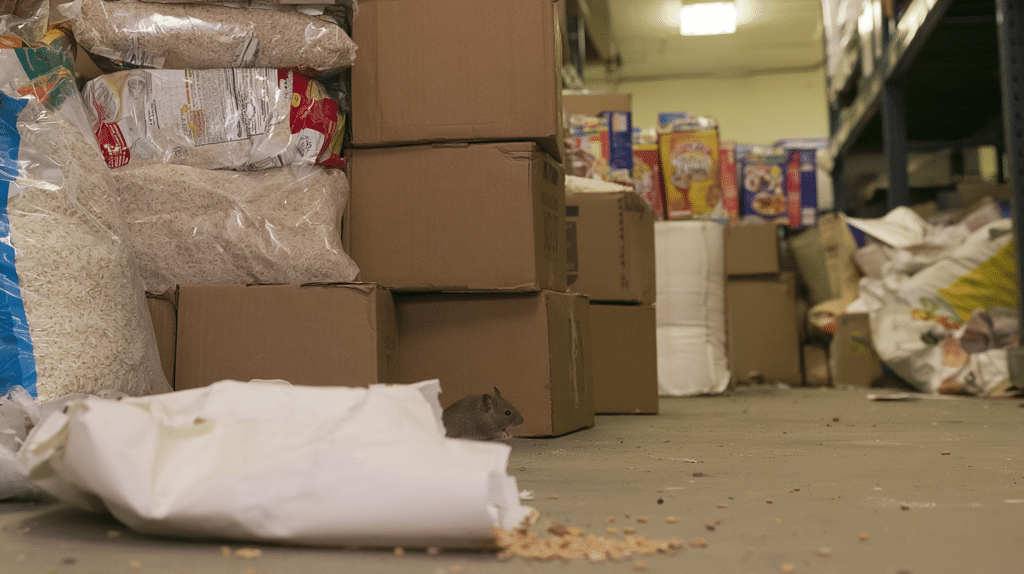
The financial impact extends beyond discarded inventory. Businesses may also face inspection expenses, additional labour, replacement orders and delayed deliveries.
Regularly inspecting incoming shipments, monitoring storage conditions and rotating stock appropriately can help prevent contamination from spreading.
Damage behind the scenes
Pest-related damage isn’t limited to food and merchandise. Rodents can gnaw through insulation, plastic piping and electrical wiring, potentially creating fire hazards. Termites and other wood-boring insects may also compromise structural components, depending on the building’s construction.
Moisture problems can make properties more attractive to pests, while small gaps around doors, loading docks and utility connections provide convenient entry points. Routine building maintenance, leak repairs and professional inspections are therefore essential to protecting a property’s long-term condition.
When reputation takes a hit
For restaurants, hotels, grocery stores and retailers, even a relatively minor infestation can have serious reputational consequences.
A customer who spots a cockroach near a dining area may question the cleanliness of the entire establishment. Negative experiences can quickly spread through online reviews and word of mouth, potentially influencing future purchasing decisions.

Employee confidence can also suffer when pest problems remain unresolved.
Businesses should establish clear reporting procedures so staff can communicate sightings promptly. Responding quickly, documenting corrective action and addressing underlying conditions helps demonstrate that hygiene and safety are taken seriously.
The regulatory risks
Certain industries operate under strict sanitation, storage and product-safety requirements. Food-processing facilities, restaurants and pharmaceutical operations may face inspections that examine evidence of pest activity. Depending on the circumstances, infestations can lead to compliance violations, product holds, corrective-action requirements or temporary operational restrictions.
Maintaining inspection records, sanitation schedules and treatment documentation is therefore important.
Compliance involves more than occasional pesticide applications. It requires a coordinated approach combining maintenance, housekeeping, appropriate storage practices, employee training and professional intervention when necessary.

Why warehouses are particularly vulnerable
Large storage areas, frequent deliveries, stacked pallets and limited access behind shelving can allow pest populations to remain undetected.
Loading docks may stay open throughout the day, while incoming shipments can introduce insects or rodents into previously unaffected areas. Once established, infestations may spread between stored goods or into nearby processing spaces.
Warehouse managers should inspect shipments, maintain clear storage aisles and avoid placing vulnerable products directly against walls. Monitoring devices can also help identify pest activity before it becomes widespread.
Communication between warehouse employees and pest-management professionals is particularly valuable, as staff often notice early warning signs during routine handling.
Prevention is better than an expensive cure
Businesses sometimes evaluate pest management primarily through the cost of inspections and treatments. Yet the true financial consequences of an infestation can be considerably broader.
Damaged stock, emergency repairs, additional cleaning, interrupted production and delayed shipments can quickly increase expenses. Commercial landlords may also face tenant complaints, disputes and unexpected maintenance costs.
Insurance coverage varies, with many policies containing exclusions or limitations for pest-related damage. A preventive approach can help make costs more predictable while reducing the likelihood of major disruption.

Integrated pest management combines regular inspections, monitoring, sanitation, building maintenance and targeted treatments when necessary.
Practical measures to stop pests include securing waste containers, repairing leaks, sealing entry points, keeping storage areas organised and training employees to recognise droppings, damaged packaging, unusual odours and insect activity.
Businesses should also maintain records to identify recurring problems and evaluate whether preventive measures are working.
Ultimately, pests threaten more than the appearance of a commercial building. They can affect safety, compliance, reputation and profitability. Treating pest prevention as an essential part of property management helps protect assets, maintain reliable operations and avoid disruptions that could otherwise become costly.