An injury can turn everyday life upside down, often bringing more than just the physical pain. Between medical appointments, time away from work and the frustration of being unable to carry out even the simplest tasks, recovery can feel like an uphill battle. And while the physical effects may be immediately apparent, the emotional toll is often overlooked.
Anxiety, anger, stress and a reluctance to revisit the circumstances surrounding an injury are all possible responses, particularly when the experience has been traumatic. Recovering, therefore, isn’t simply about allowing the body to heal, it also means looking after your mental wellbeing, accepting support when you need it and gradually rebuilding your confidence and independence.
From managing daily responsibilities and recognising the psychological impact of an injury to knowing when to seek additional help, a holistic approach to recovery can support your physical and emotional healing.
When your injury runs deeper than scars
An injury can mean more than just the physical effects. The cast, scars and scans can’t measure your loss of sleep, the need for help from family members and the anxiety you might experience.
Research suggests these emotional consequences deserve greater attention. A 2025 study examining adults one year after hospital treatment found that depression was recorded in 26.3 per cent of injured patients, compared with 15.3 per cent of those who had not been injured.
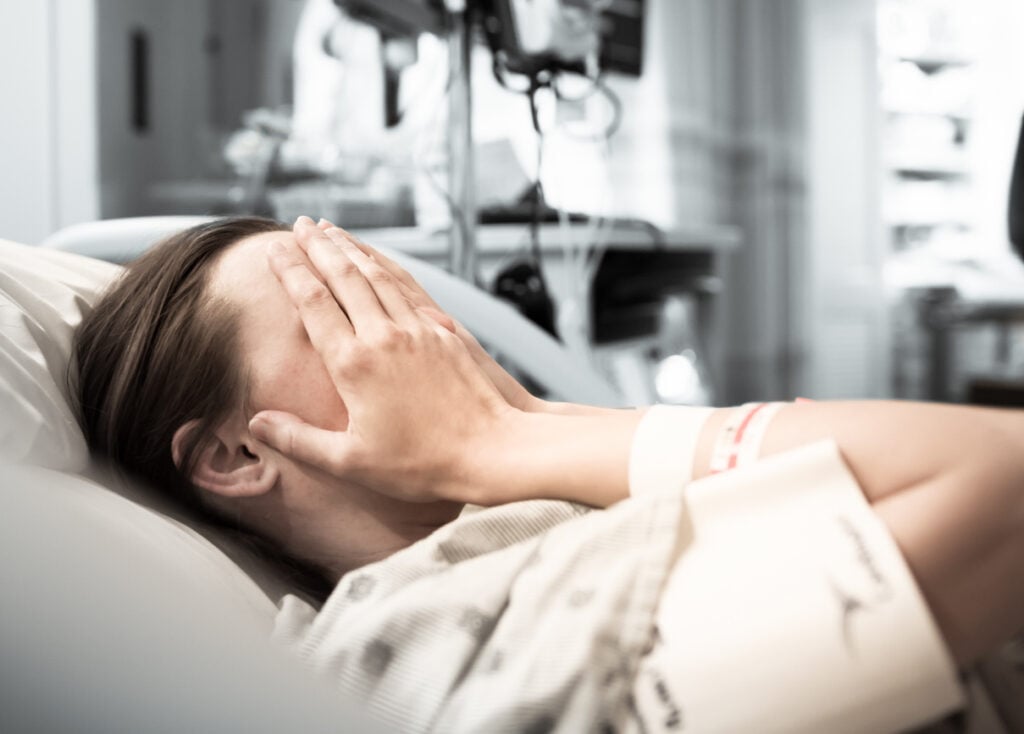
While these findings don’t show that injury caused every diagnosis, and the study didn’t examine who was at fault, they do show why emotional symptoms deserve attention.
You may struggle with other feelings after an injury, including irritability, difficulty focusing, and anxiety about performing daily activities. As your body recovers, these symptoms may decrease or remain constant. If these emotions are interfering with your life, reach out to your physician. You can be evaluated and learn what type of treatment would benefit you best.
This doesn’t mean you failed to recover physically; it just means you need support to recover the rest of your body.
If you feel at risk of harming yourself, seek immediate emergency or crisis support. If physical symptoms become severe or rapidly worsen, seek urgent medical advice. After a head injury, seek emergency medical care right away, especially if you’re suffering from a worsening headache that doesn’t go away, repeated vomiting, seizures, or increasing confusion.
Let Someone Help With Your Daily Tasks
There are many things to worry about when recovering from an injury. Doctors’ bills, insurance and more. Make a list of what the doctors have instructed you to do, upcoming appointments and expenses you’ve incurred from your injury or time off work. You can also track your symptoms to make sure your doctor has an up-to-date list.
Once you have this organised, you can allow a trusted family member to help schedule your appointments or retrieve records for you. You will still be in control, but this will give you more time to recover.
Speak to an attorney about your case if you believe that your injury may be from another party. They can explain your personal injury options. If you suffered from an auto accident in Dallas, Freese and Goss can help you learn about your options with an attorney.
Speak to an attorney to learn what your options are, the statute of limitations, and how much you may be owed if you choose to file a claim against another party.
Allow Your Body To Heal
Once you feel better, it’s easy to jump back into your daily routine. But just because you feel better doesn’t mean you should.
Stick to the schedule your physician gave you. Go to your follow-up appointments, ask about any new symptoms and if you are working with a PT continue those sessions as well. Pace your activity and follow the limits your care team gives you. Eat balanced meals, stay hydrated and protect your sleep. Break bigger tasks into smaller steps as needed.
Write down if you have any new pain, limited range of motion or anything that prevents you from completing your daily activities. Some days you’ll feel less strong than others, and that’s okay. Talk to your doctor about what you can and can’t do while recovering from your injury. And jot down how you feel between appointments. You may forget them when you see your doctor.
If you are not sure about what your doctor told you, ask them to explain in simpler terms before you leave their office.
Remember The Event May Have Damaged Your Mental Health
After an injury, some people may feel like the world isn’t as safe as it once was. Someone may feel scared to drive after being in an accident or not want to walk outside after falling.
Reactions to an injury vary. Notice when troubling feelings appear, what seems to trigger them, and what helps. Share those patterns with a doctor or therapist rather than trying to diagnose yourself. There are many ways that someone can express how they feel; not everyone will diagnose themselves with PTSD, but they can recognise when these symptoms happen, what triggers them and what can make them feel better. Share this with your physician or therapist so they know what you’re experiencing.
Just because your injury isn’t the worst it could have been, doesn’t mean you aren’t deserving of help. Find people you trust to talk to, set boundaries and tell people you don’t want to discuss your injury with.
Create Your Holistic Recovery Plan
Creating your own recovery plan doesn’t have to be over the top; it can consist of steps you take that can benefit your body and your recovery. Whether it’s walking, eating, scheduling rest time and not checking your email/phone all day. Some days will require more work than others; make sure you eat and take your medication properly if you can’t do your routine.
If your body cannot keep up with your normal activities, pace yourself or ask someone to help. Rest is part of recovery, not something you have to earn by finishing every task.

Find something you can enjoy outside of your recovery; it doesn’t have to be big, just something to make your day better. Learn about mindfulness and relax your body when you feel anxious. Check in with yourself weekly: what has helped you and what hasn’t and inform your doctor.
Everyone will recover at their own pace; some days will feel better than others, and some days will catch you off guard. Keep moving forward with your life, enjoy the gains from your recovery, and take care of yourself mentally and physically.