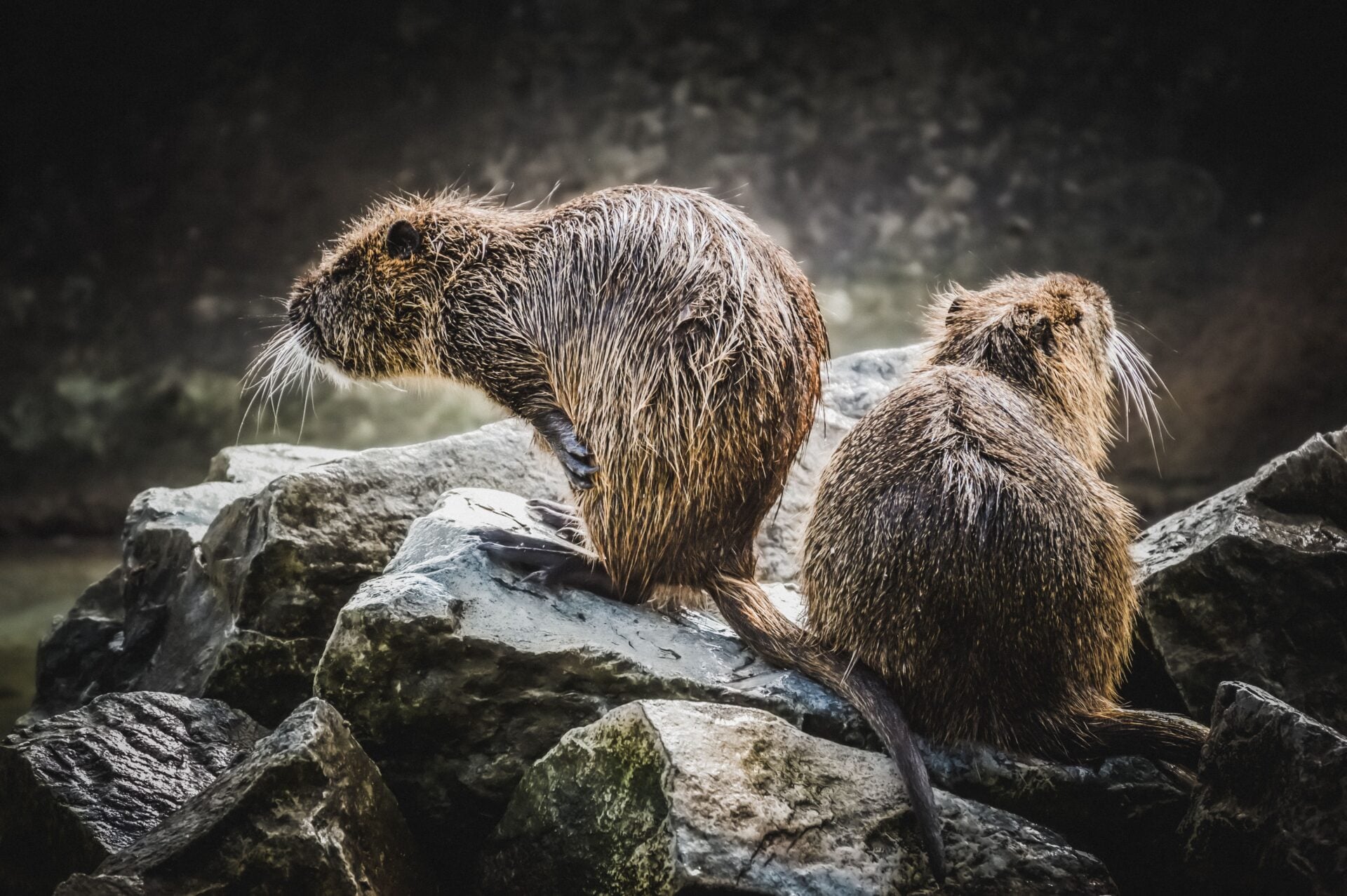
More than 500 years after disappearing from Scotland’s Loch Ness waters, beavers are making a comeback.
Loch Ness, of course, is synonymous with its more mysterious resident, Nessie, but the legendary Loch Ness Monster, which has been the subject of reported sightings for centuries, has never been proven to exist. But while Nessie remains firmly in the realms of folklore, another remarkable creature is now making a very real return to the Scottish Highlands: beavers.
According to STV News, the last historical record of beavers in Scotland dates back to 1526–27, with the sighting recorded around Loch Ness.
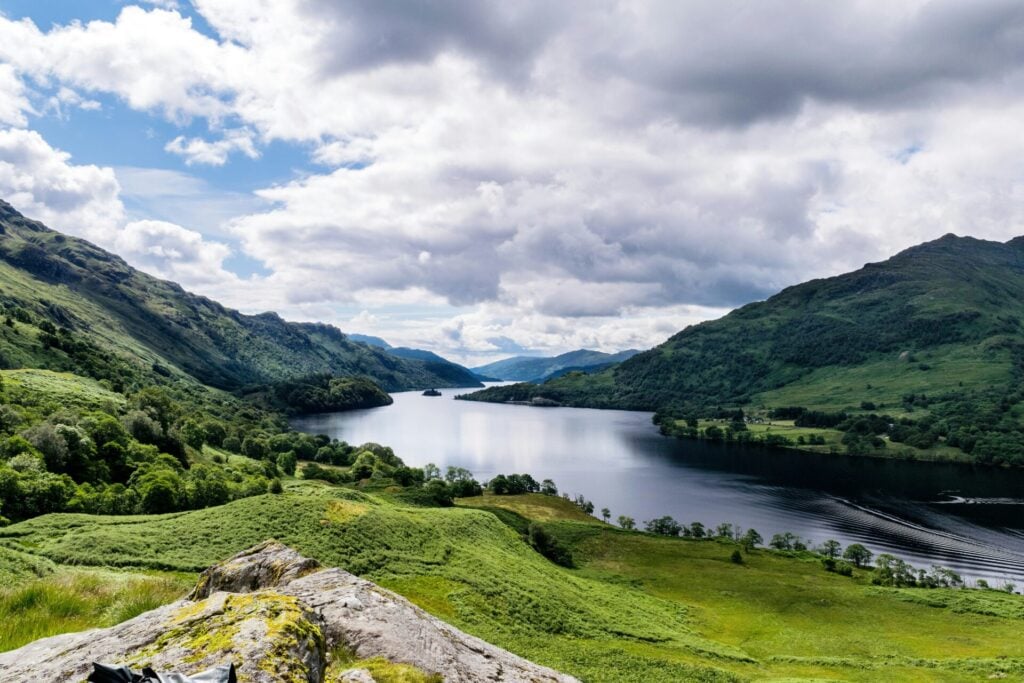
Now, a family of six beavers has been released at Trees for Life’s 10,000-acre Dundreggan rewilding estate, marking the beginning of an ambitious project to restore the animals to the region. A further 15 family groups are expected to be introduced to lochs and rivers around Loch Ness over the next three years.
“Bringing beavers back to this beautiful place will be great progress for Scotland’s Beaver Strategy, bringing benefits for nature, climate and people,” Dr Roisin Campbell-Palmer, head of restoration at Beaver Trust, told STV News.
Nature’s Very Own Engineers
Beavers might look like rather unassuming creatures, but they have an extraordinary ability to transform the landscapes around them. By building dams, digging channels and creating ponds, these industrious rodents help establish wetlands that provide habitats for a whole host of other species. Frogs, insects, birds and bats all benefit from the environments they create.
Their handiwork can also help tackle some of the challenges brought about by climate change. On smaller streams, beaver dams can slow the flow of water, reducing the risk of flooding, while the ponds they create help retain water during periods of drought.
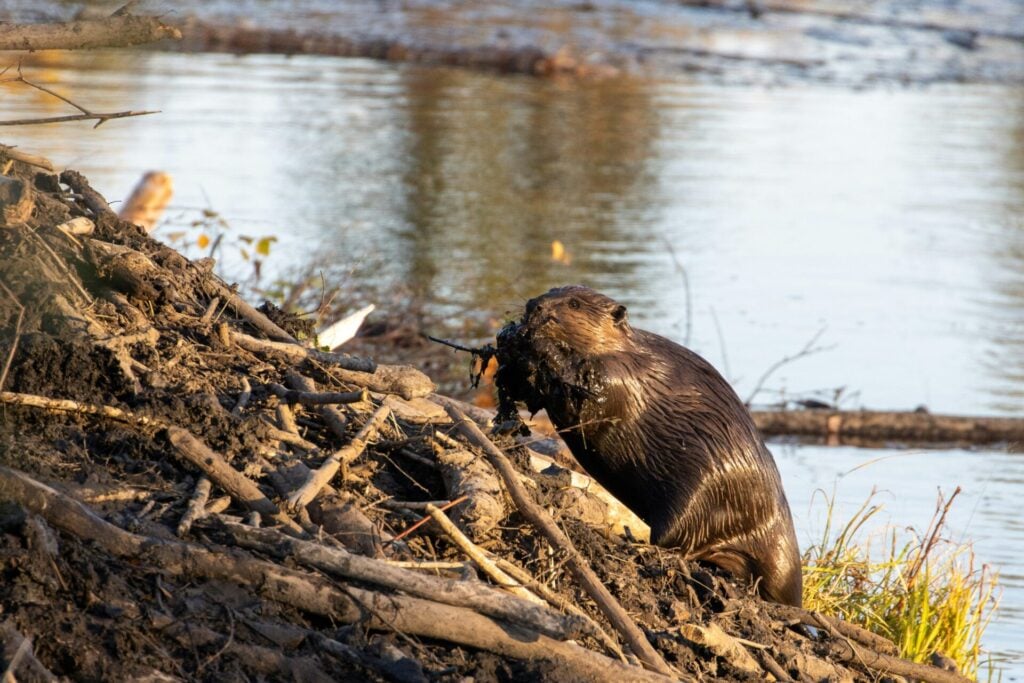
The Ness Beaver Project, which has been approved by Scottish government agency NatureScot, aims to establish a growing, connected population of beavers across the region’s woodlands, rivers and lochs.
‘The Ness Beaver Project is now set to be a major milestone for nature recovery in Britain. Hunted to extinction centuries ago, beavers are reclaiming their place in our rivers and wetlands – breathing new life into precious landscapes, boosting biodiversity, and bringing eco-tourism opportunities,’ said Alan McDonnell, Trees for Life’s head of nature restoration.
Giving Beavers a Second Chance
Scotland’s efforts to bring back the Eurasian beaver began in 2009, although reintroducing a species that has been absent for centuries isn’t always straightforward.
While beavers bring enormous benefits to the natural environment, their dam-building and feeding habits can sometimes cause problems for farmers and landowners, particularly when agricultural land is flooded or trees are damaged.
Rather than allowing these conflicts to stand in the way of conservation, the Loch Ness project is giving some of these animals a new home. The beavers being released around Loch Ness are relocated from areas where their activities have caused difficulties, including valuable agricultural land.
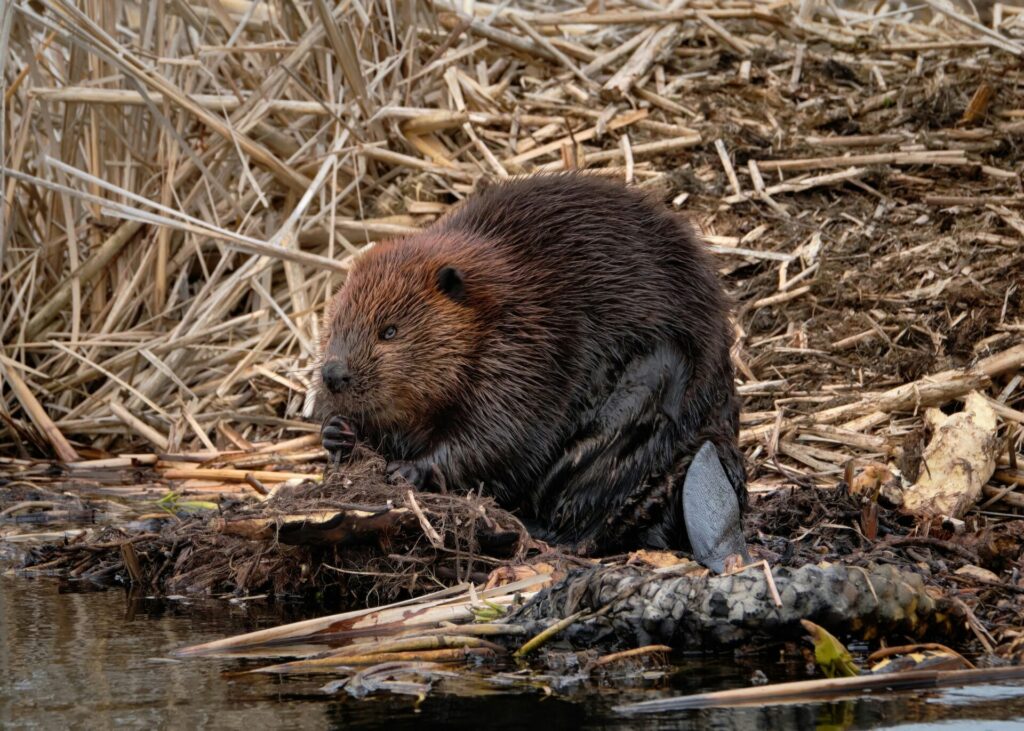
Before making the move, each animal undergoes a health screening at a specialist beaver holding facility at Five Sisters Zoo, ensuring it is fit and healthy before being released into the wild.
The River Ness catchment was identified by NatureScot in 2022 as one of Scotland’s most suitable areas for beaver reintroduction, thanks to its extensive network of waterways and suitable habitats.
Now those plans are becoming a reality.
A New Chapter for Scotland’s Wildlife
Of course, bringing the beavers back is only the beginning. What happens next will largely be up to the animals themselves as they settle into their new surroundings and begin reshaping the landscape.
The Beaver Trust and Trees for Life will continue monitoring the animals and working with local communities and land managers as further releases take place over the next three years.
“We look forward to seeing the changes the beavers bring and to working with Trees for Life, local communities and land managers over the next three years to support further releases and help people live alongside them,” said Campbell-Palmer.
“This project is an important step towards delivering Scotland’s National Beaver Strategy by expanding the population into suitable areas, with monitoring and practical support to help address any challenges along the way.”
There could also be an unexpected bonus for visitors to the Highlands. Once the beavers have settled in, people visiting Dundreggan may have the opportunity to see first-hand how these remarkable animals are helping restore the local ecosystem.
And while tourists have spent generations peering into the depths of Loch Ness hoping for a glimpse of Nessie, they may soon have another fascinating resident to look out for.