The Environment Agency – Abu Dhabi (EAD) has signed a new agreement with the International Union for Conservation of Nature (IUCN).
The partnership will see EAD contribute to IUCN’s international conservation programmes over the next four years, supporting work focused on biodiversity conservation, species recovery, ecosystem protection and nature-positive development.
The move makes the UAE the first organisation in West Asia to establish such an institutional partnership with the global conservation body.
The partnership formalises a relationship that has been in place for nearly two decades. EAD has been an IUCN member since 2012 and has worked with the organisation on a range of initiatives, including the IUCN Red List of Threatened Species, the Abu Dhabi Red List of Ecosystems, the identification of Key Biodiversity Areas and the development of the UAE National Invasive Species Strategy and Action Plan.
The announcement follows the eighth IUCN World Conservation Congress, which was held in Abu Dhabi in October 2025 and attracted more than 10,000 delegates from governments, NGOs, academia and the private sector.
According to EAD, the new agreement is intended to support international efforts to halt biodiversity loss and strengthen conservation programmes both regionally and globally.
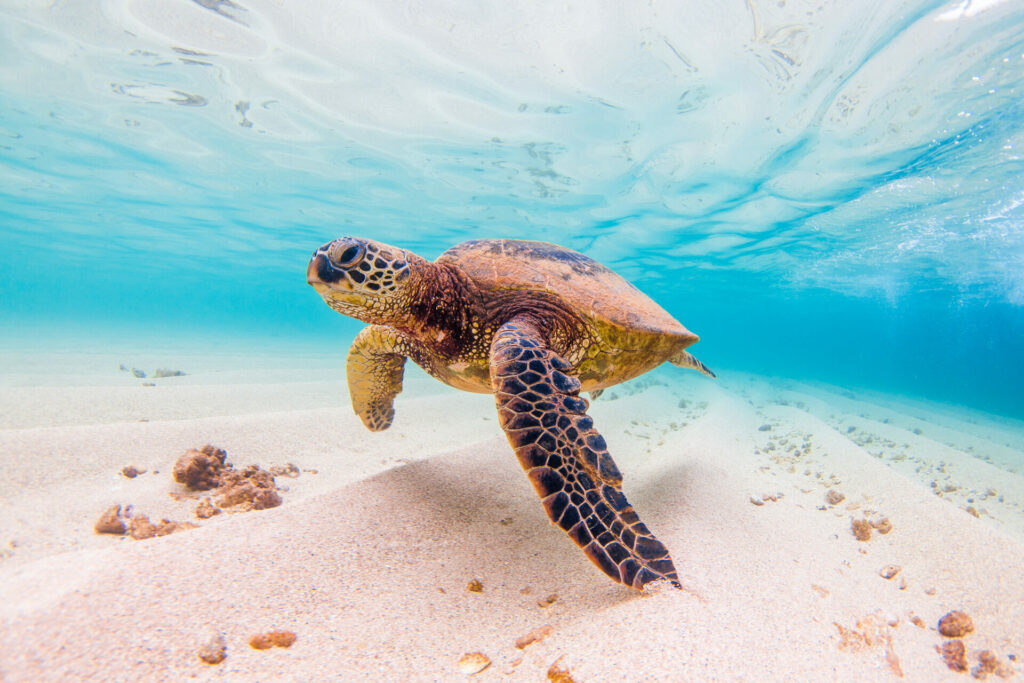
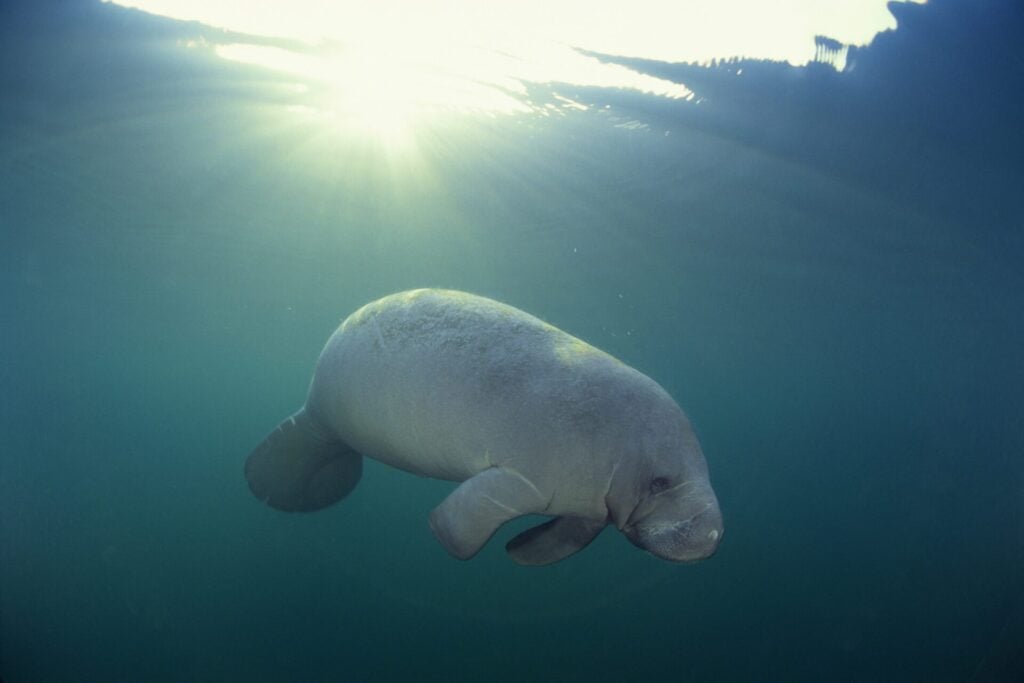
Dugong populations in Abu Dhabi waters have reached around 3,500 individuals, while turtle populations have grown to approximately 8,000. More than 51 million mangrove seedlings have also been planted across the emirate.
The agency highlighted several conservation initiatives undertaken in Abu Dhabi in recent years. Twenty per cent of the emirate is now covered by protected areas through the Zayed Network of Protected Areas, which includes 18 terrestrial reserves and six marine reserves.
EAD says dugong populations in Abu Dhabi waters have reached around 3,500 individuals, while turtle populations have grown to approximately 8,000. More than 51 million mangrove seedlings have also been planted across the emirate.
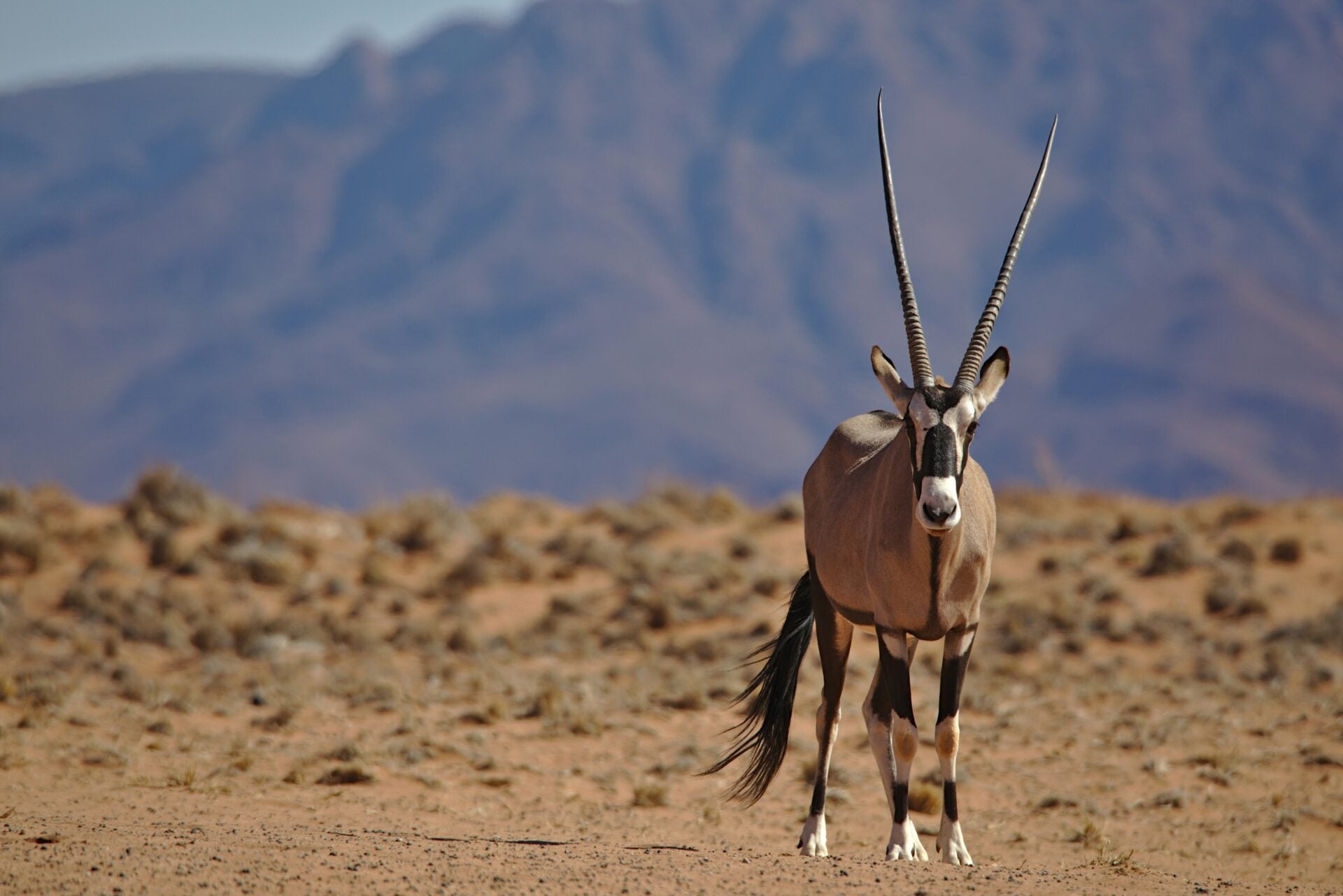
The agency has also played a role in the recovery of the scimitar-horned oryx, supporting reintroduction efforts in Chad that contributed to the species’ reclassification from Extinct in the Wild to Endangered.
‘As we move toward the 2030 targets of the Global Biodiversity Framework, this is our moment to match ambition with action,’ says Dr Shaikha Salem Al Dhaheri, Secretary General of EAD. ‘As a Framework Partner, EAD will continue to bring sustained, dedicated investment to programmes that turn commitment into measurable outcomes for biodiversity, ecosystems, and the generations to come. This partnership elevates EAD’s local and regional conservation priorities onto IUCN’s global agenda, ensuring the realities of our region shape the decisions that define the future of nature.’
The agreement marks the latest step in Abu Dhabi’s growing involvement in international conservation initiatives as governments and organisations work towards the biodiversity goals set out in the Global Biodiversity Framework for 2030.