A new study by the World Wildlife Fund (WWF) has revealed that an estimated 1.8 million acres of grasslands and other open landscapes across North America were converted into cropland in 2023.
That’s the equivalent of nearly 5,000 acres of precious wildlife habitat being ploughed up every single day to make way for agriculture.
According to the analysis, known as the Plowprint, the expansion of corn and soybean cultivation is responsible for most new grassland conversion in the US, while wheat production is the main driver across the Canadian Prairies.
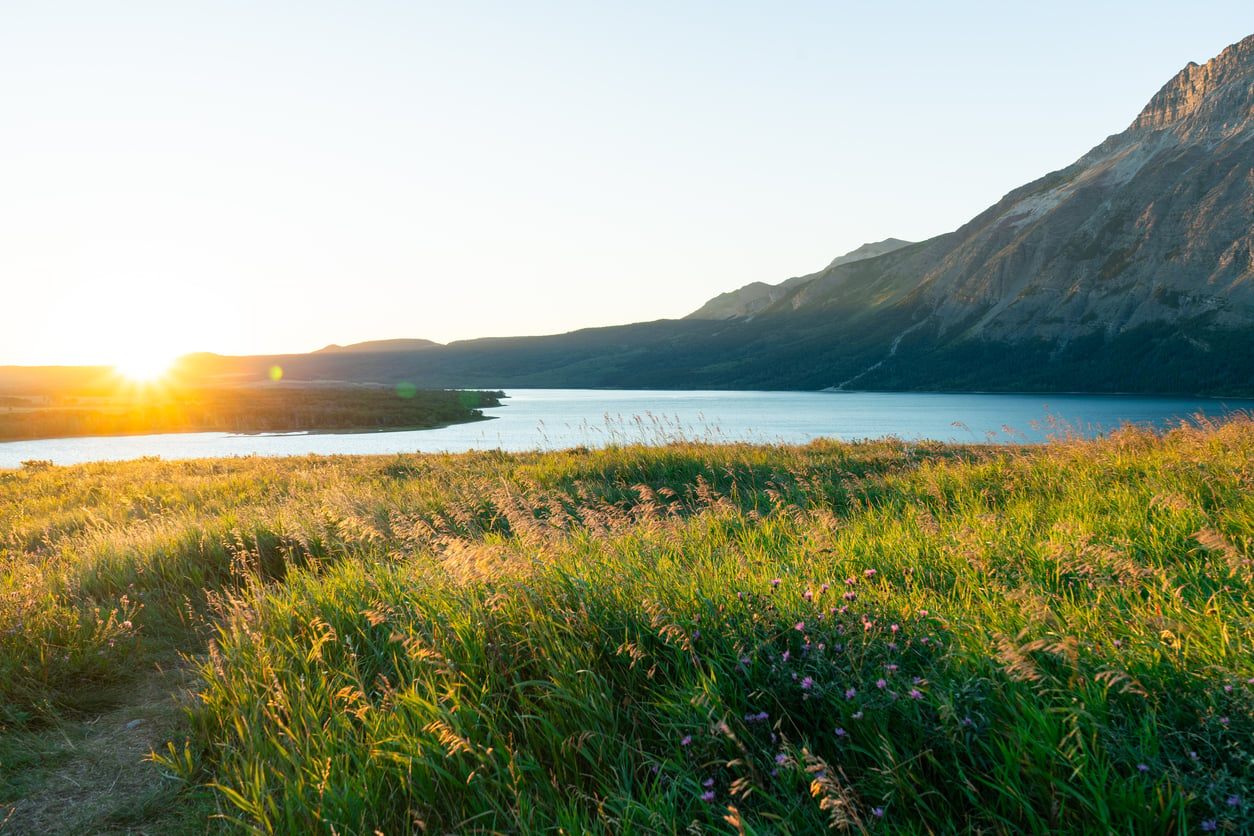
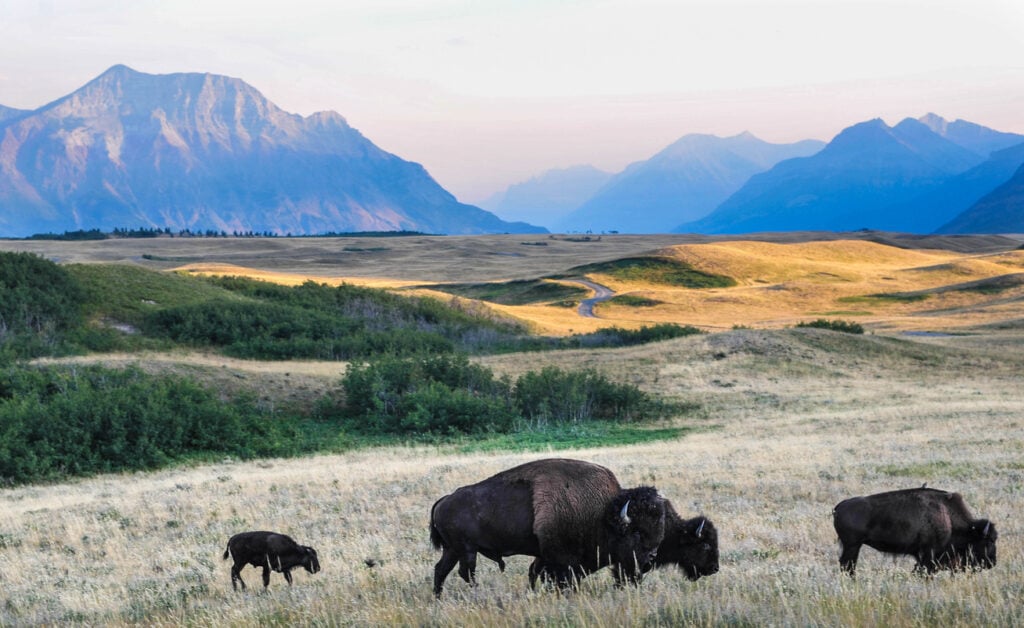
These vast, open landscapes provide vital habitats for an extraordinary array of wildlife, from migratory birds, wild bison and pronghorn to endangered black-footed ferrets, foxes and prairie dogs.
But their importance extends far beyond biodiversity. Grasslands play a crucial role in global food systems, supporting native pollinators and providing grazing land for livestock, while helping to maintain clean water supplies. They also act as significant carbon stores, making their preservation increasingly important in the fight against climate change.
Beyond their ecological value, grasslands are landscapes of immense cultural significance, particularly for many Indigenous Nations, as well as treasured spaces for recreation and connecting with nature.
‘Grasslands don’t always get the attention that forests or oceans do, but they’re every bit as extraordinary. They support wildlife, store enormous amounts of carbon, sustain working ranches, and are deeply connected to Native Nation cultures and livelihoods,’ said Alexis Bonogofsky, Vice President of WWF’s Great Plains programme.
‘These are landscapes worth paying attention to and fighting for, and the Plowprint helps us recognise what we’re losing.’
Globally, only 4.6 per cent of temperate grasslands are protected, compared to 18 per cent of forests and around 16 per cent of wetlands.
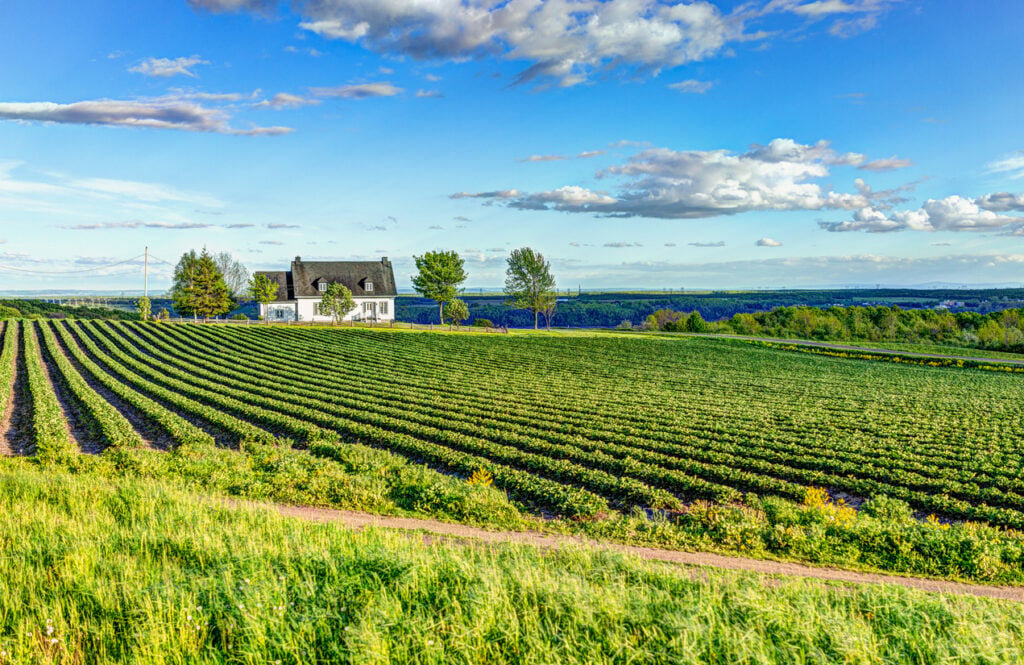
And close to half of all grasslands may have already been converted to uses, such as agriculture or development. As a result, they are among the most at-risk biomes on Earth.
The report identifies five policy priorities, with first to keep grasslands intact and reduce conversion risk
Also restoring marginal cropland to grass and support sustainable grazing is important alongside strengthening cattle and bison grazing areas, landscape-scale grassland conservation and promoting Indigenous leadership in environmental stewardship and food production.
Some restoration work has taken place in the US, notably in Kaibab Forest, close to the Grand Canyon.
WWF and its partners in America’s Grasslands Coalition also recently launched the US Grasslands Campaign, a nationwide effort to raise awareness of these often-overlooked ecosystems.
By helping Americans see grasslands not as empty places, but as living landscapes that sustain both people and nature, this seeks to build lasting support for their protection and restoration.