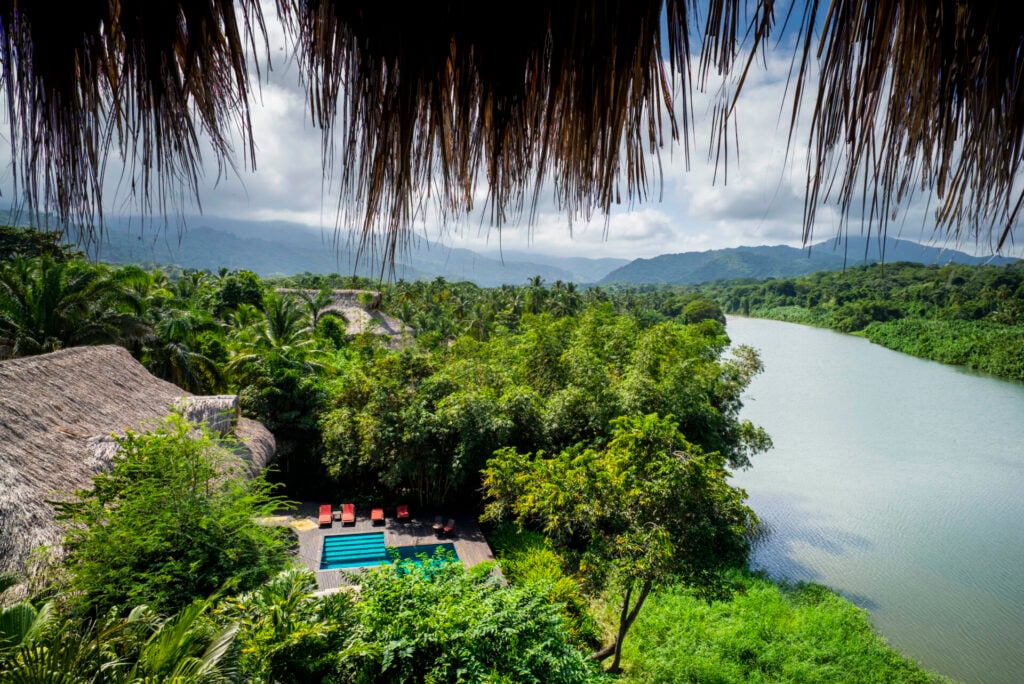
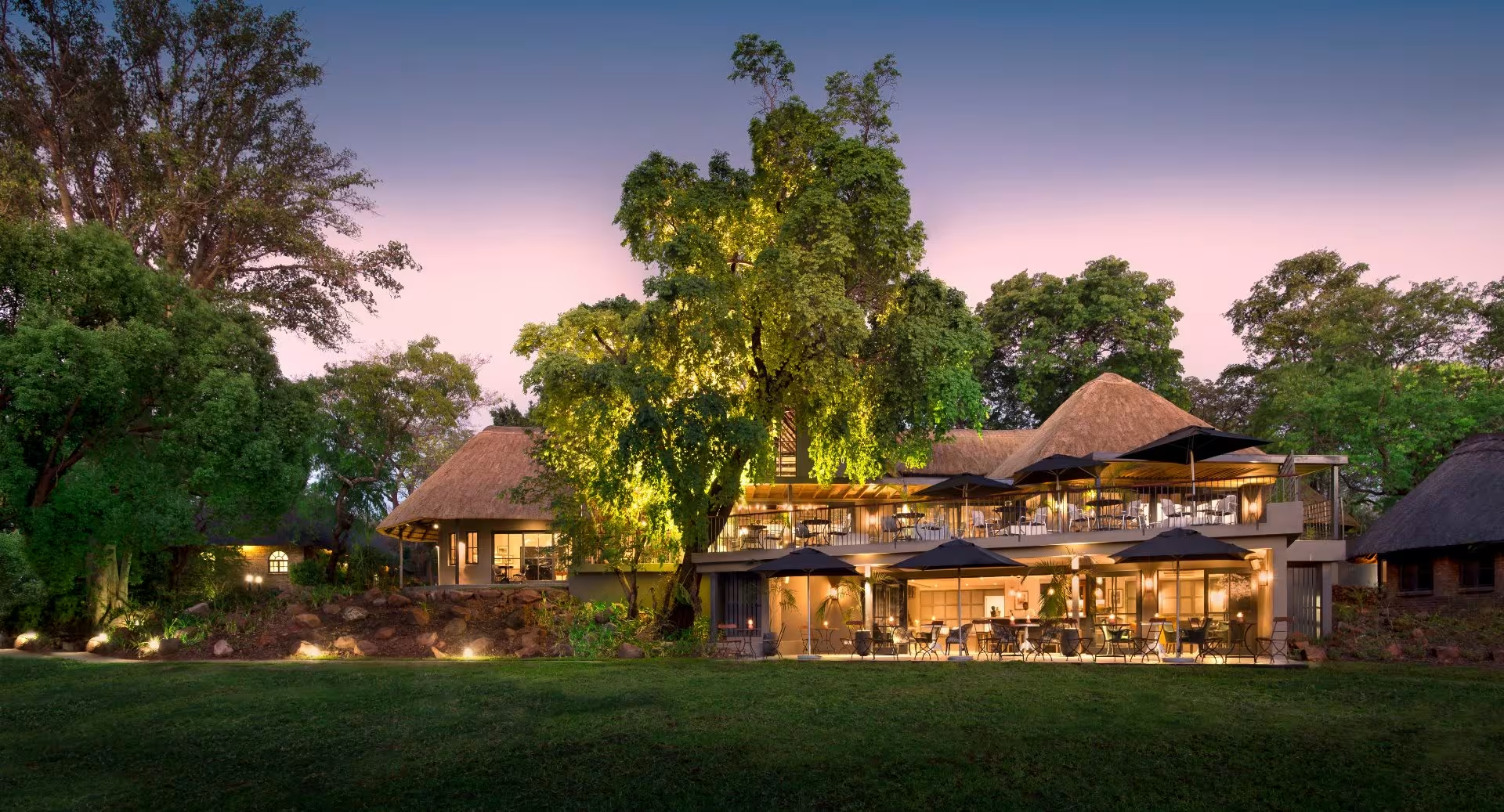
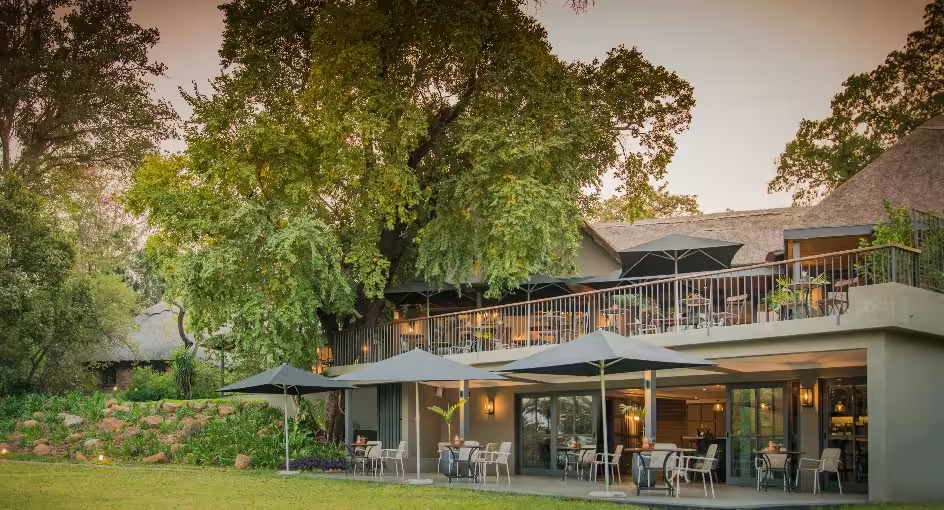
Just 15 minutes from Victoria Falls in Zimbabwe, Anantara Stanley & Livingstone Victoria Falls Hotel is a boutique 16-suite retreat set within a private game reserve, where guests can combine visits to the world-famous waterfall with game drives, walking safaris and rare encounters with both black and soon-to-be-white rhinos.
Beyond its location and abundant wildlife, the hotel has put conservation firmly at the heart of the guest experience, from its long-running rhino protection programme to locally sourced menus, home-grown produce and a team made up entirely of Zimbabwean staff.
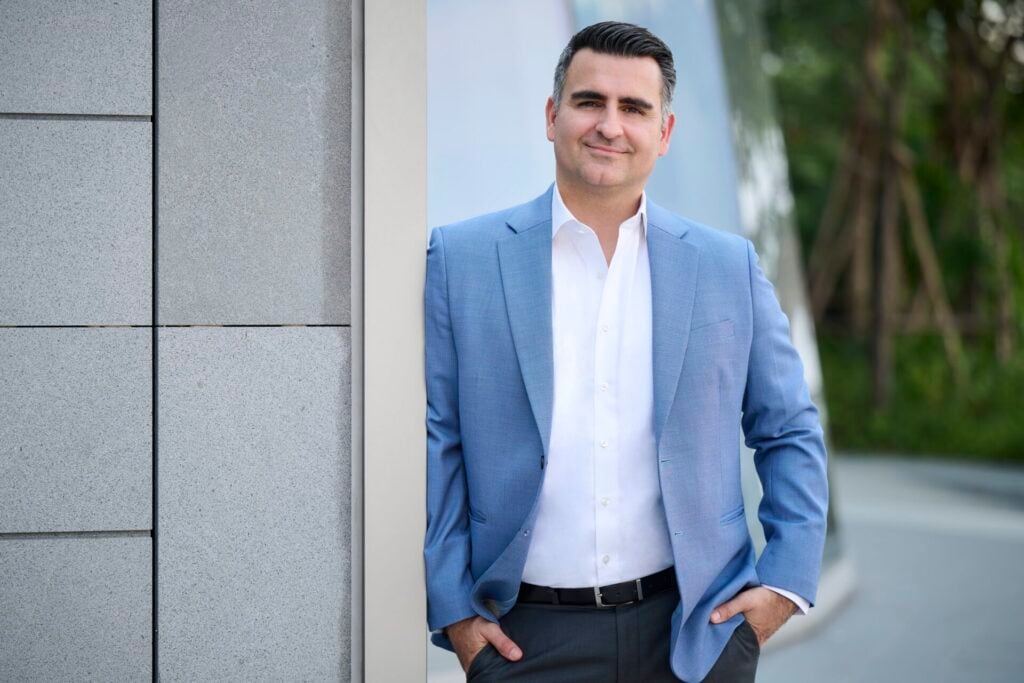
Hotel Manager Dionne Mutsonziwa tells The Ethicalist how.
TE: You were part of the team before Stanley & Livingstone joined Minor Hotels Anantara. What has becoming part of a global brand brought to the property?
Dionne Mutsonziwa: It’s been a really positive period of growth for our team. Within an independent hotel, people can sometimes reach a ceiling where there is nowhere for them to progress, whereas being part of Minor Hotels opens up opportunities to move within a much larger international organisation.
We’ve had to adapt some of our policies and ways of working because moving from a family-run business into a global hospitality group inevitably brings changes, but it has been a very good transition and one that offers our people a much broader future.
TE: How important is local sourcing to the hotel’s food philosophy?
DM: Around 70 per cent of our fresh produce comes from our one-hectare farm within the game reserve, and we try to keep our menus seasonal, based on what is growing and available. Our herbs and salad leaves come from the garden, alongside fruit including papaya and watermelon.
We also have our own poultry farm, so all the chicken and eggs served at the hotel are free-range, organic and produced on the reserve. When it comes to other meat and fish, we try to source from within approximately 100 kilometres of the property wherever possible. There will always be certain ingredients that an international five-star hotel has to bring in, but the majority of our menu is either grown here or sourced locally.
TE: Rhino conservation is central to the reserve’s work. How did that programme begin?
DM: The reserve has been caring for black rhinos since 2000. The first four animals came from Matusadona National Park at a time when poaching was particularly severe, and the park didn’t have an anti-poaching unit large enough to protect them properly.
The land here had previously been used as a hunting concession, so bringing in those rhinos was a profound change in its purpose: this became a place where they were protected instead of hunted.
From those original four, the population grew to around 15. Some animals have since been moved back to Matusadona to prevent interbreeding and introduce greater genetic diversity into the populations. It’s been an extraordinary conservation journey.
TE: The reserve has recently welcomed white rhinos too?
DM: Yes, after an assessment by ZimParks, it was decided that the reserve’s vegetation could also support white rhinos, so we recently welcomed our first animals. They are currently being cared for in a boma while they acclimatise to their new surroundings and will likely be released into the reserve in the next 8 weeks or so.
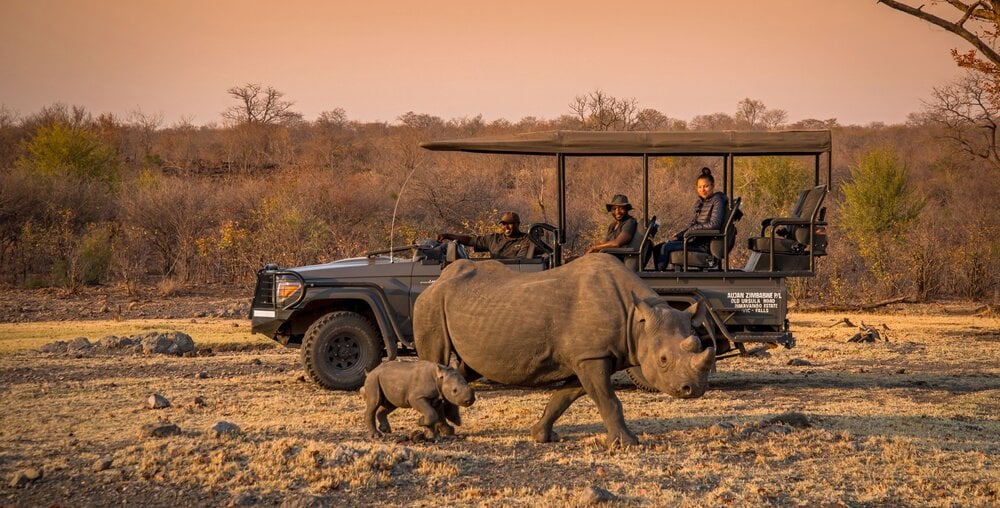
It is a huge development for us because we are now home to both black and white rhinos. Their well-being comes first though, so any more translocations will be carefully timed around the rains, seasonal temperatures and the stresses associated with moving wildlife.
TE: How do you keep the rhinos safe without relying heavily on technology?
DM: The protection programme is led by our anti-poaching team, which works in shifts to monitor the rhinos 24 hours a day. Every animal has to be located and logged within each 24-hour period, so the team always knows where they are.
Rhinos are nomadic and move according to grazing conditions, which means their protectors must move with them. We have several fixed bases within the reserve, alongside mobile camps that can be relocated as the animals move.
We don’t rely on drones or collars as we have a more human model of conservation, built around the knowledge and commitment of the people who protect them. We have not experienced a rhino-poaching incident here for more than a decade, which is an extraordinary testament to that team.
TE:How does wildlife move through what is technically a fenced reserve?
DM: We describe our boundary as a porous fence. The rhinos and much of the plains game remain within the reserve, but predators and elephants can move in and out.
The sandy soil makes it possible for cats to dig under the fence or they use trees to cross it. Elephants have worked out their own remarkably intelligent way: one will place its foot on a post and push the electric fence down so the rest of the herd can step across. Another then holds it down for the first elephant to follow before the fence rises again.
They go but often come back because they are attracted to particular trees like the mopane and acacia, as well as our water sources. During the dry season, when water is scarce, we naturally see more fence breaks.
TE: How do you manage water for wildlife without disrupting natural behaviour?
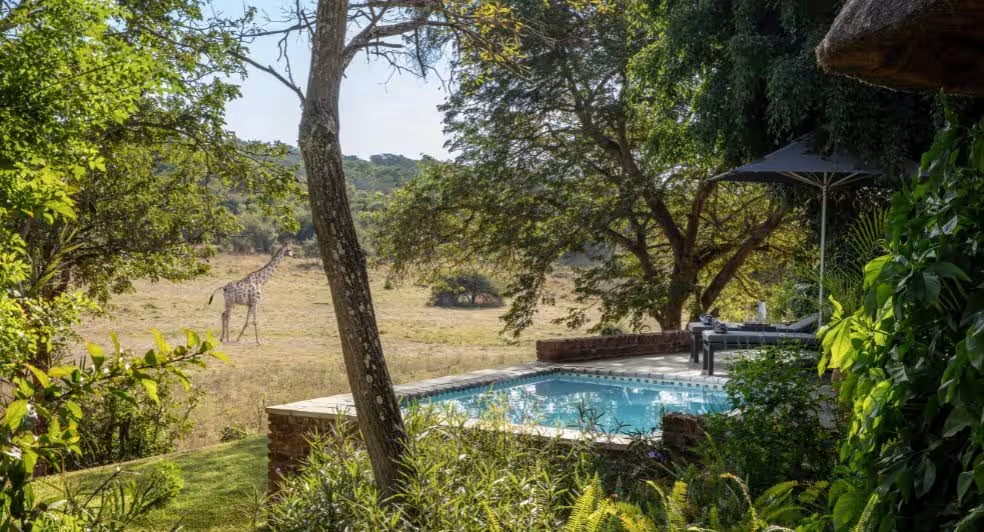
DM: Wherever possible, we want the animals to drink from natural bodies of water because artificial waterholes can become gathering points for disease. There is a waterhole in front of the hotel, which is partly there for guests to observe wildlife, but we only pump water into it when it is genuinely necessary. Another is used primarily for reserve management, allowing the team to monitor the presence and movements of animals, including the rhinos. Both are supported by boreholes, but our preference is always to interfere as little as possible.
TE: Human-wildlife coexistence is a daily reality around Victoria Falls. How is it managed?
DM: The whole of Victoria Falls is a national park, so wildlife doesn’t recognise the boundary between the reserve, the town and residential areas. Elephants and buffalo regularly enter town, particularly where gardens are watered and provide fresh grass. This is why people are strongly advised not to walk near open areas after dark. Elephants are remarkably difficult to see at night, and if they are surprised, they can charge.
Coexistence is complicated. Protecting wildlife is essential, but so is protecting people. Education, awareness and understanding animal behaviour are an important part of life here.
TE: How does Zimbabwean identity shape the hotel?
DM: Our entire team is Zimbabwean, which is something we are extremely proud of. The property is Zimbabwean through and through, from the people who run it to its architecture and many of its materials.
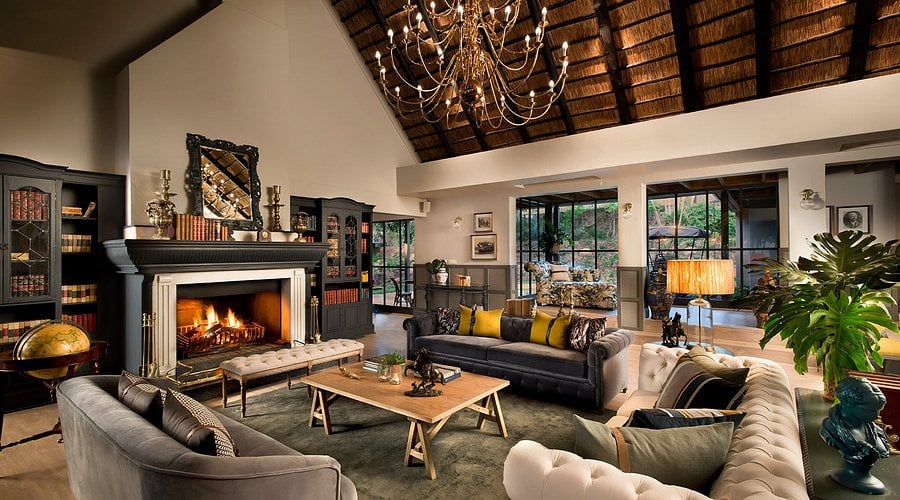
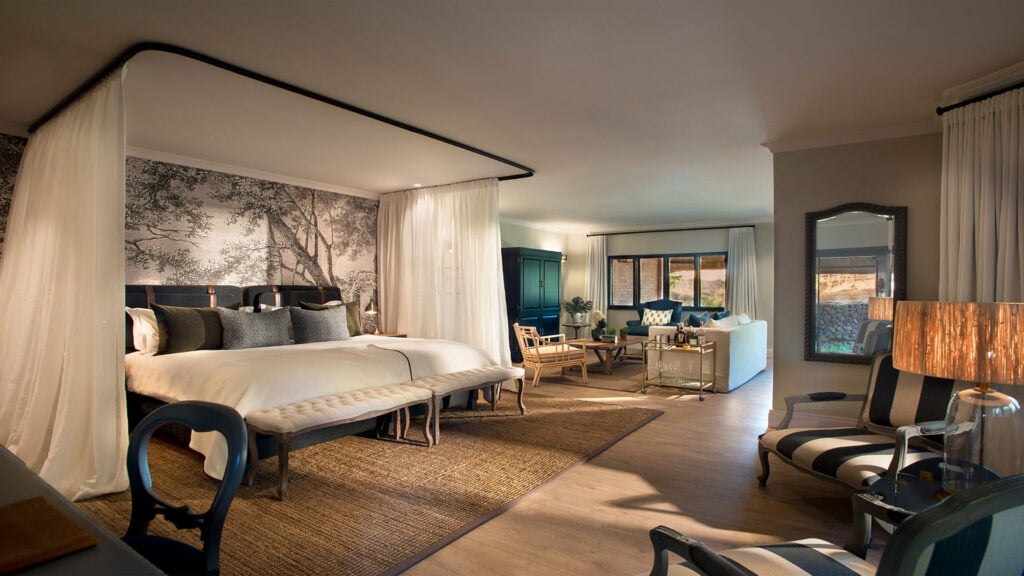
The original design drew inspiration from the thatched structures found in rural Zimbabwe, while even the bricks were made in Hwange, around 100 kilometres away. During the refurbishment, the interior designer retained and repainted much of the existing furniture rather than replacing it. Antique pieces and family heirlooms from the previous owners, including the piano, writing desk and typewriter in the lounge and lobby, were kept, so the hotel has a sense of history rather than making everything feel newly manufactured.
TE: How do local plants and ingredients find their way into the spa?
DM: We encourage the spa team to use garden ingredients wherever possible. Lemons from our trees are used in treatments, and we make rosemary and hibiscus teas and iced infusions that are served before and after treatments.
We also use traditional maize meal, which is normally used to make sadza, combined with coarse salt to create a locally inspired scrub for hand and foot rituals. Indigenous oils and plants, including mongongo, lemongrass and lavender, can also be incorporated into massage treatments.
Our bathroom amenities are supplied by Healing Earth, an African brand whose formulations have ingredients connected to this region, including mongongo oil and lemon verbena.
TE: What measures are in place to reduce the hotel’s operational footprint?
DM: We have largely eliminated single-use plastics from the guest experience, while our water is filtered and bottled on the property in reusable glass bottles. Our wastewater system treats and filters grey water, which is then used to irrigate the gardens.
Back of house is more challenging because hotels can’t always control how suppliers package their goods. Growing so much of our own produce immediately removes a considerable amount of plastic and cardboard from the supply chain, while many deliveries arrive in reusable crates. Egg trays from our own poultry farm are also continually collected and reused.
A recycling company operating in Victoria Falls now collects plastic and processes it into small composite pieces that can be incorporated into cement and building materials. The scheme also creates income for local women, who receive payment for every full bag of plastic they collect.
We are also exploring the best solar solution for the hotel. Our Nakavango conservation programme already operates on solar power, but transitioning the entire property requires careful planning and investment. We are always looking for better materials and new ways to reduce our impact.
For more information, visit Anantara.com