
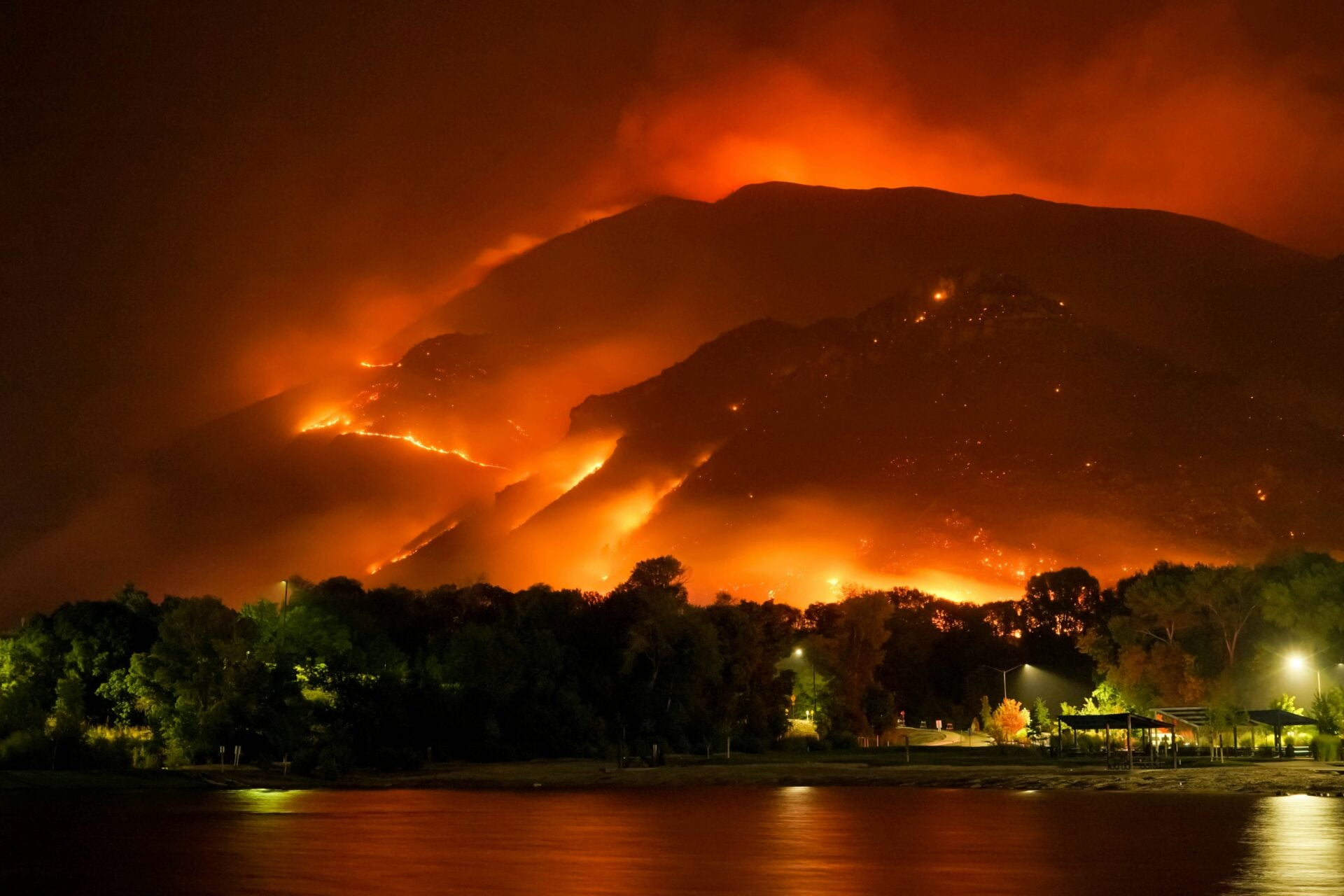
After months of record-breaking heat across land and sea, climate experts are warning that a powerful El Niño weather pattern could push global temperatures even higher in the months ahead.
Experts warn that this could compound the effects of human-driven climate change and increase the risk of extreme weather events worldwide.
El Niño, a naturally occurring climate phenomenon linked to warmer-than-average sea surface temperatures in the central and eastern Pacific Ocean, influences weather systems across the globe.
While it is part of a natural cycle and there is no evidence that climate change increases the frequency or intensity of El Niño events, scientists say this year’s event is particularly concerning because it is developing against the backdrop of an already overheating planet.

‘It can amplify associated impacts because a warmer ocean and atmosphere increases the availability of energy and moisture for extreme weather events such as heat waves and heavy rainfall,’ according to the World Meteorological Organisation.
Why This El Niño Is Different
The world has already experienced some of the hottest temperatures ever recorded in recent years, with climate change fuelled by the burning of fossil fuels continuing to trap heat in the atmosphere.
Oceans have also reached record-breaking temperatures, alarming researchers who warn that marine ecosystems are under mounting stress.

Now, the arrival of a potentially severe El Niño could amplify those impacts.
Scientists warn that strong El Niño years are often associated with intensified heatwaves, prolonged droughts, wildfires, flooding and disruptions to food and water supplies in vulnerable regions. Countries in parts of Asia and Australia can experience severe dry conditions, while regions in South America and the southern United States may face increased rainfall and flooding.
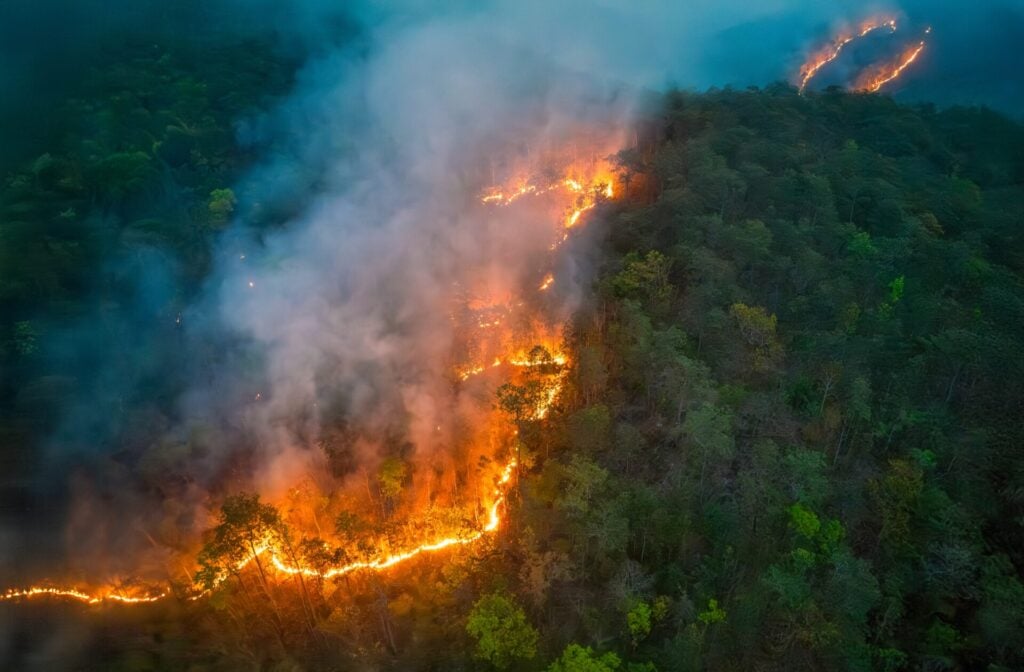
The phenomenon can also have devastating environmental consequences.
Warmer ocean temperatures linked to El Niño have historically triggered mass coral bleaching events, threatening already fragile reef ecosystems struggling to survive under climate change. Agriculture is also likely to be affected, with shifting rainfall patterns placing pressure on crops and global food systems.
The combination of long-term global warming and a major El Niño event could create what some experts describe as a ‘double heat effect’ for the planet.
Climate researchers say the concern is no longer simply about a naturally occurring weather event, but about how these events interact with a warming world altered by human activity.
In recent years, scientists have repeatedly warned that climate change is increasing the intensity and frequency of extreme weather events, while making natural climate cycles more volatile and destructive. The combination of long-term global warming and a major El Niño event could create what some experts describe as a ‘double heat effect’ for the planet.

The World Meteorological Organisation has previously cautioned that El Niño years now unfold in a vastly different climate than they did decades ago, with baseline global temperatures significantly higher than historical averages.
For millions of people worldwide, the consequences could be severe — from rising energy demands and worsening droughts to crop failures, health risks and mounting pressure on already strained infrastructure.
As governments continue to debate climate targets and emissions reductions, scientists say the emergence of a powerful El Niño serves as another stark reminder that the climate crisis is no longer a future threat, but a present-day reality already reshaping life across the globe.