More than 14,000 bears have been killed by authorities in Japan as climate change forces the animals to roam towns and cities in search of food.
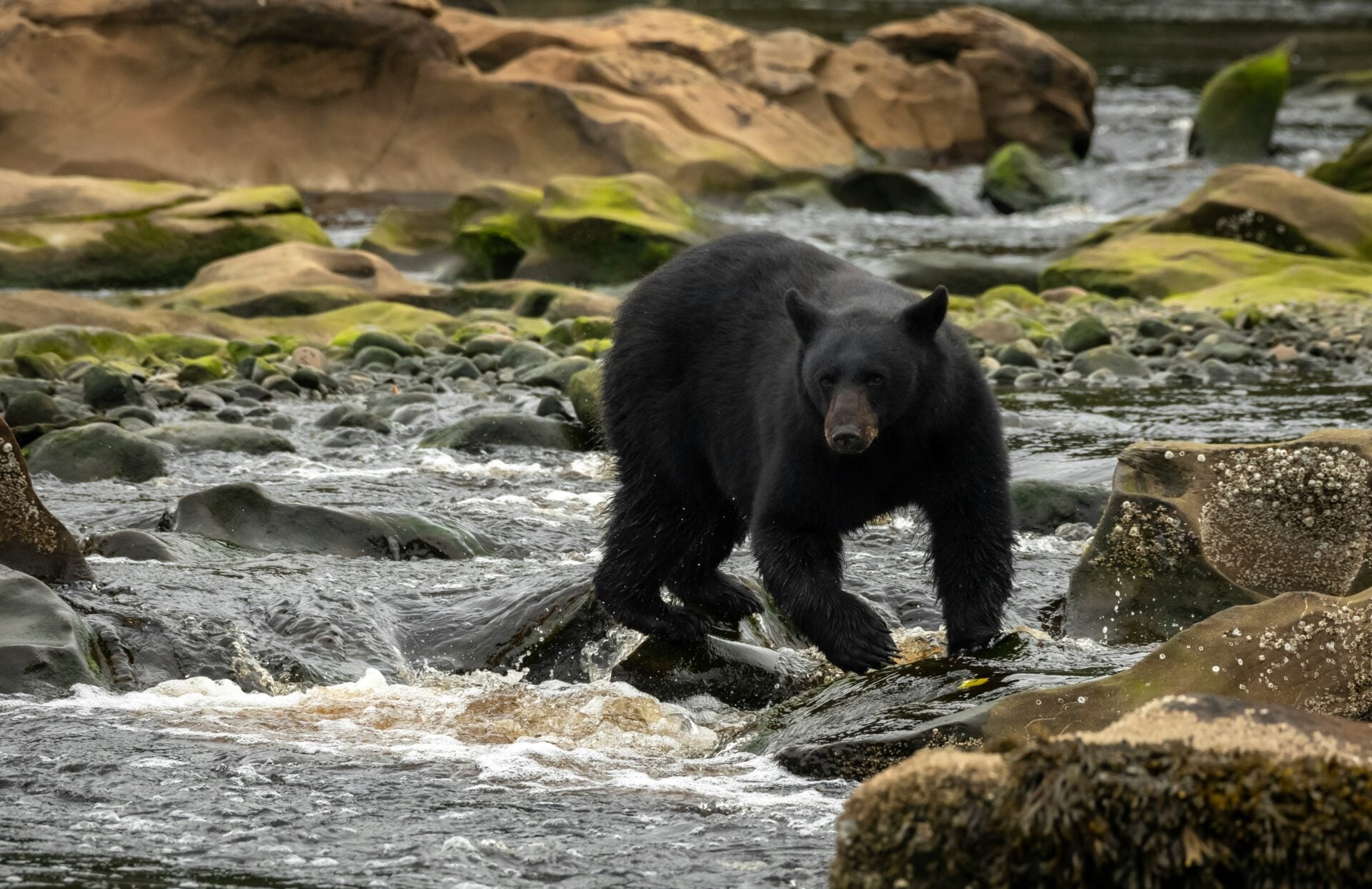
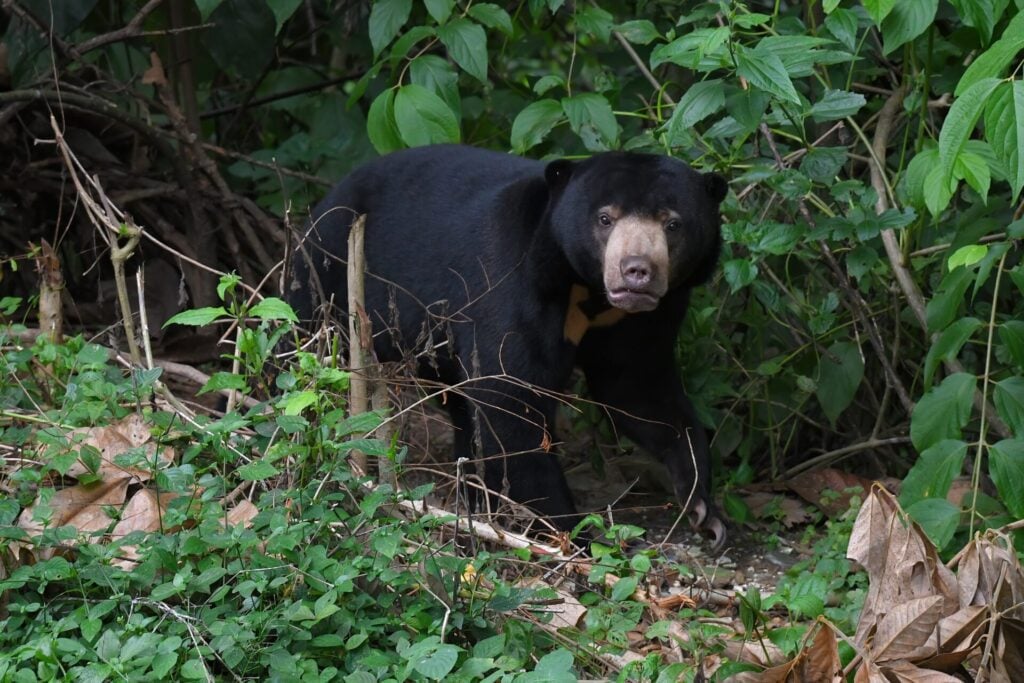
These include about 12,000 Asiatic black bears (Ursus thibetanus) and 2,000 brown bears (Ursus arctos).
 Saving The Broken Bears of Vietnam’s Last Bile Farms
 Reports of bears entering residential areas exceeded 50,000 with 13 people killed and 225 injured in encounters from April 2025 to January 2026. A further five persons have lost their lives this year.
Asiatic black bears are deemed vulnerable to extinction by the International Union for the Conservation of Nature (IUCN), with fewer than 60,000 remaining worldwide.
‘If this level of trapping continues, we believe regional extinctions are a real possibility. We feel a profound sense of crisis,’ said Yuko Muroya, chair of the Japan Bear and Forest Society (known as Kumamori), which focuses on conservation and coexistence.
Most attacks were in the mountainous northern prefectures of Akita and Iwate, where record-breaking heat hit the growth of beech nuts and acorns that bears rely on to fatten up for hibernation, forcing the animals to search for food closer to human settlements.
At the same time, depopulation in rural Japan has left abandoned homes, farms and gardens that make it easier for wildlife to move into inhabited areas.
The animals are forced to feed on mulberries, ants, leaves and cherry blossoms that grow wild in Japan’s countryside. However these foods are low in calories, spurring the bears to seek out further sustenance.
Bears on the streets
Recently, bears have been spotted in homes, schools, factories, shopping areas and city centres.
In Utsunomiya, Tochigi Prefecture, a bear was seen on the streets for several days, forcing the temporary closure of all 94 schools in the city before it was eventually tranquilised and captured.
In Fukushima, a bear attacked four people after entering two factories and a residential area, while in Iwate Prefecture, a family encountered a bear inside the kitchen of their home.
Japan’s campaign to control the bear population reached a record level, with 14,720 bears culled from April 2025 to the start of this year.
The Ministry of the Environment reported 50,776 bear sightings, the highest number since records began in 2009 and more than double the previous record set in the financial year of 2023/24.
Japan’s Ministry of the Environment is now preparing measures aimed at increasing the number of hunters involved in bear control operations.
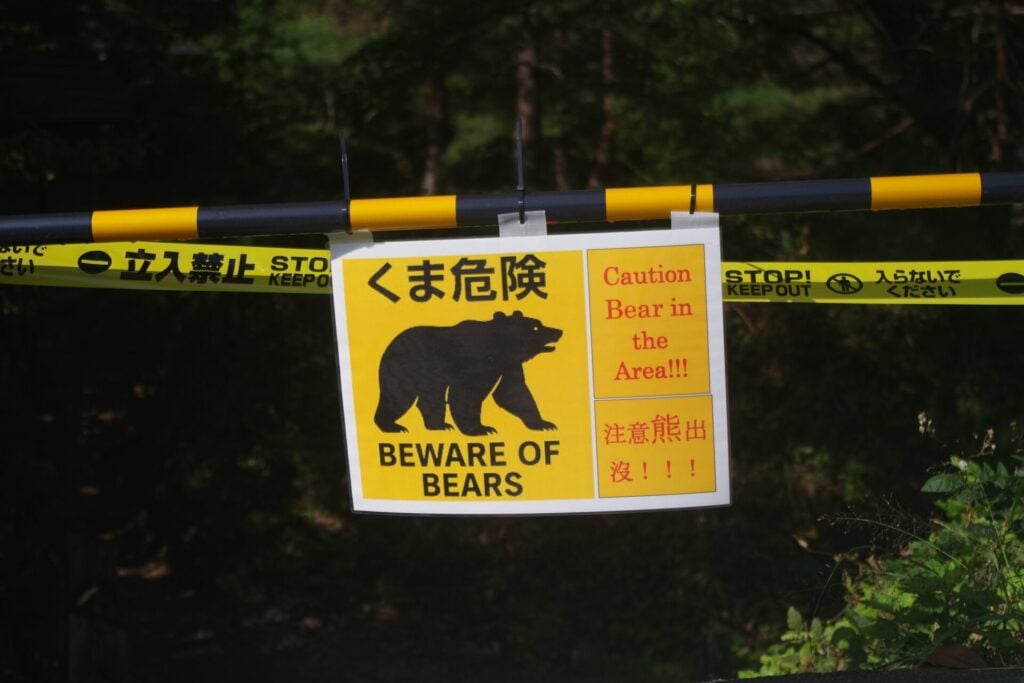
The ministry plans to exempt hunters participating in emergency culling operations near residential areas from hunting taxes.
Some municipalities have deployed so-called ‘Monster Wolf’ robots, which emit flashing red lights along with howling and growling sounds to frighten bears. Also trained dogs have been used to chase bears away.
Kumamori’s researchers say the climate crisis is altering Japan’s forests with deaths of Mongolian oak trees, acorns destroyed by gray weevils, poor seed production in Japanese beech and sharp declines in pollinating insects leading to sparse berry yields.
The group plants nut-bearing trees, hoping to encourage the bears to stay in the woods.
‘In the past, Japan successfully maintained a separation between people and bears. We should learn how our ancestors achieved that coexistence. We should also learn from other countries, many of which have moved beyond policies focused solely on culling,’ Muroya said.