Miral, one of the leading immersive destinations in Abu Dhabi, has unveiled four new initiatives to protect some of the UAE’s most vulnerable species and ecosystems.
Announced under the company’s IMPACT by Miral platform, the program focuses on marine conservation, biodiversity protection and sustainable food systems.
The move comes as Gulf nations face mounting environmental pressures linked to climate change, habitat degradation, biodiversity loss and marine pollution. According to the United Nations Environment Programme, the Arabian Gulf is one of the world’s most environmentally stressed marine ecosystems, with rising sea temperatures and coastal development placing increasing strain on wildlife populations.
Tracking endangered sea turtles across the Arabian Gulf
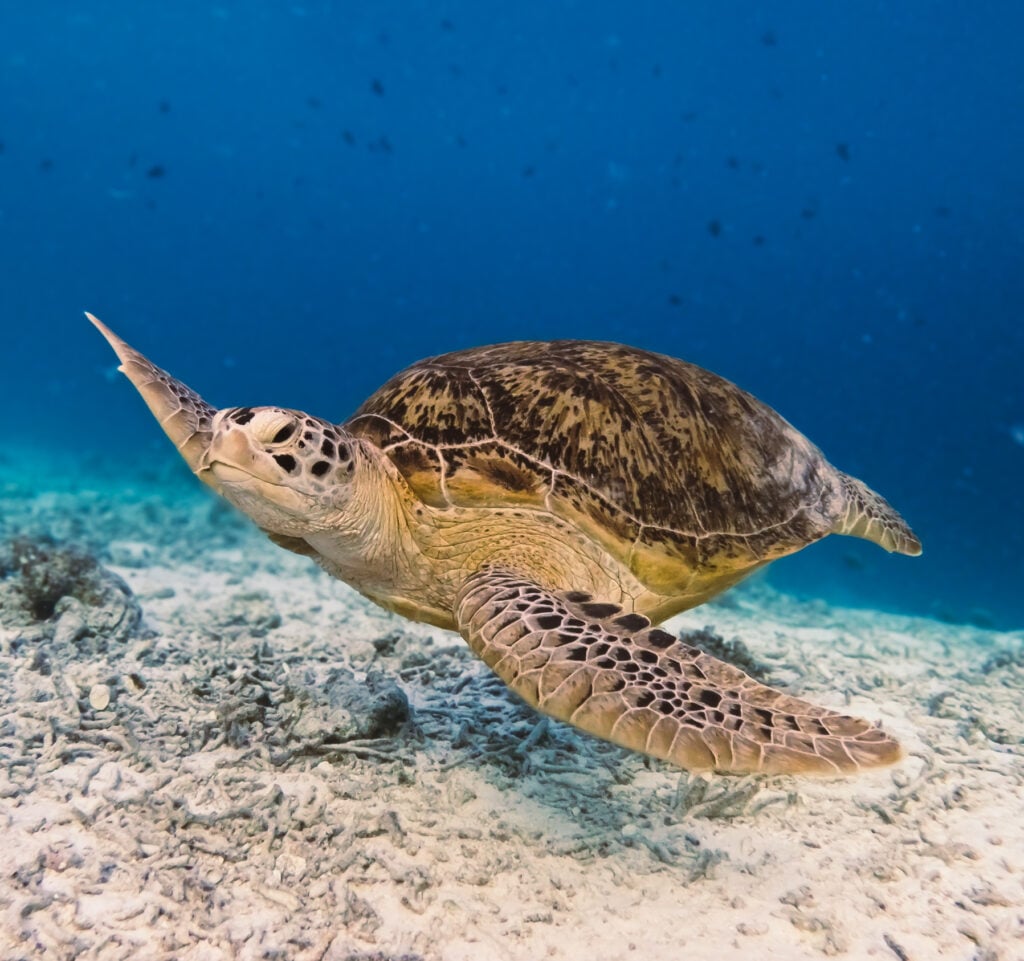
Among the flagship projects is a new initiative to track endangered sea turtle populations across the Arabian Gulf. Researchers will use rescue data, tracking technology, and hotspot mapping to better understand migration routes, feeding grounds, and behaviour, helping shape future marine protection policies across the region.
Sea turtles face growing threats globally from plastic pollution, habitat loss, warming oceans and fishing activity. Several species found in Gulf waters, including hawksbill turtles, are already classified as critically endangered.
Protecting one of Arabia’s most elusive predators
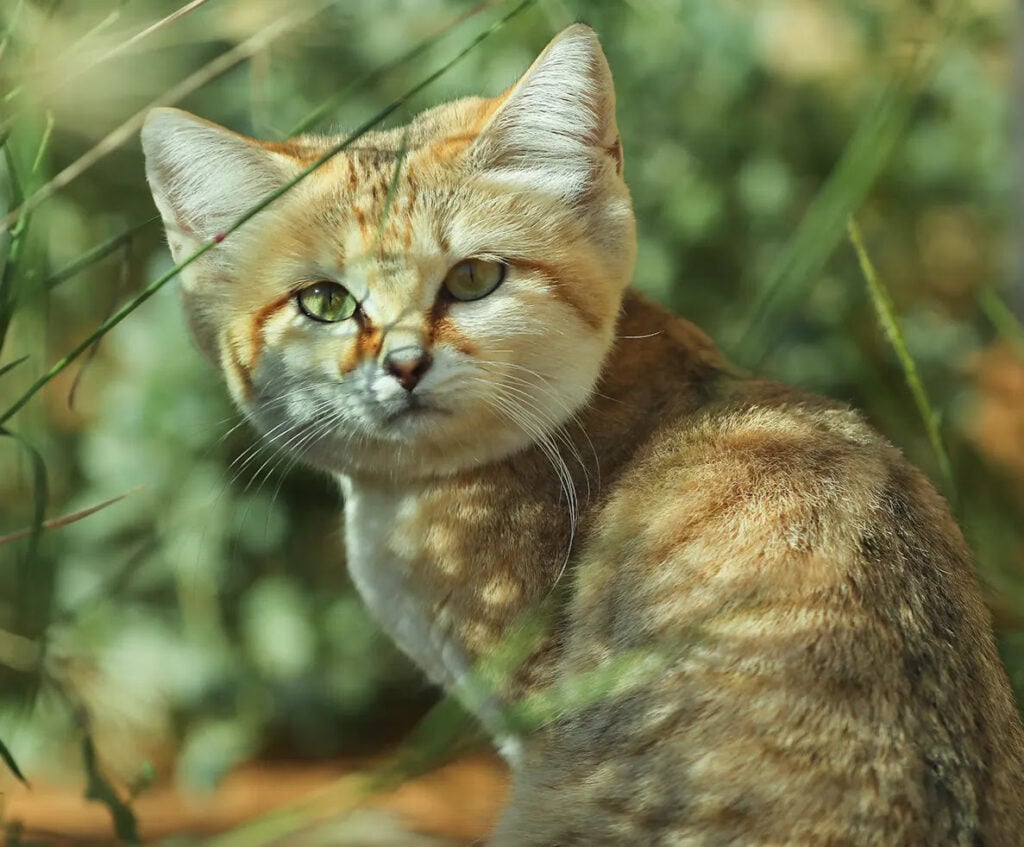
On land, conservationists are turning their attention to one of Arabia’s most mysterious predators: the Arabian Sand Cat.
Rarely seen in the wild, the species is currently listed as endangered on Abu Dhabi’s Red List of Species. Under the new programme, researchers will combine environmental DNA analysis, GPS tracking, camera traps and AI-powered data analysis to better understand the animal’s population size, distribution and behaviour across the emirate.
The project is also expected to strengthen scientific partnerships and close major knowledge gaps around one of the region’s least understood desert species.
A lifeline for the critically endangered Dama Gazelle
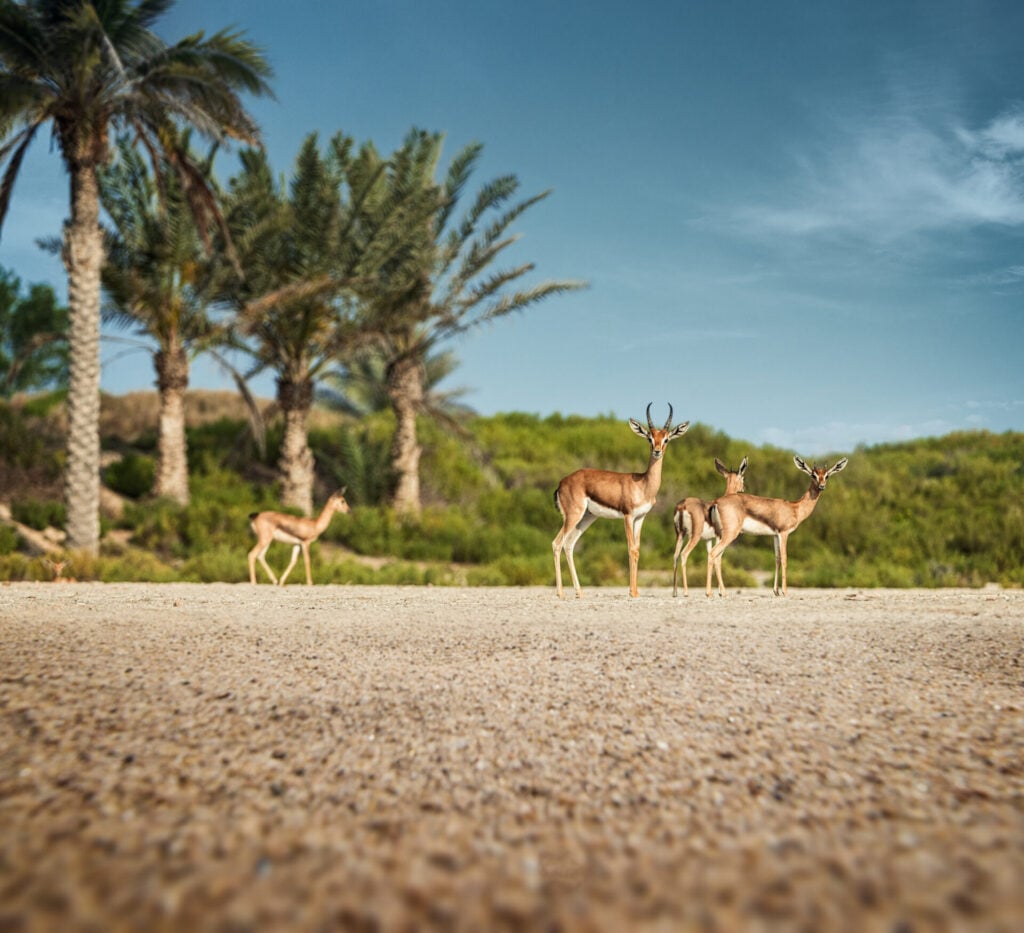
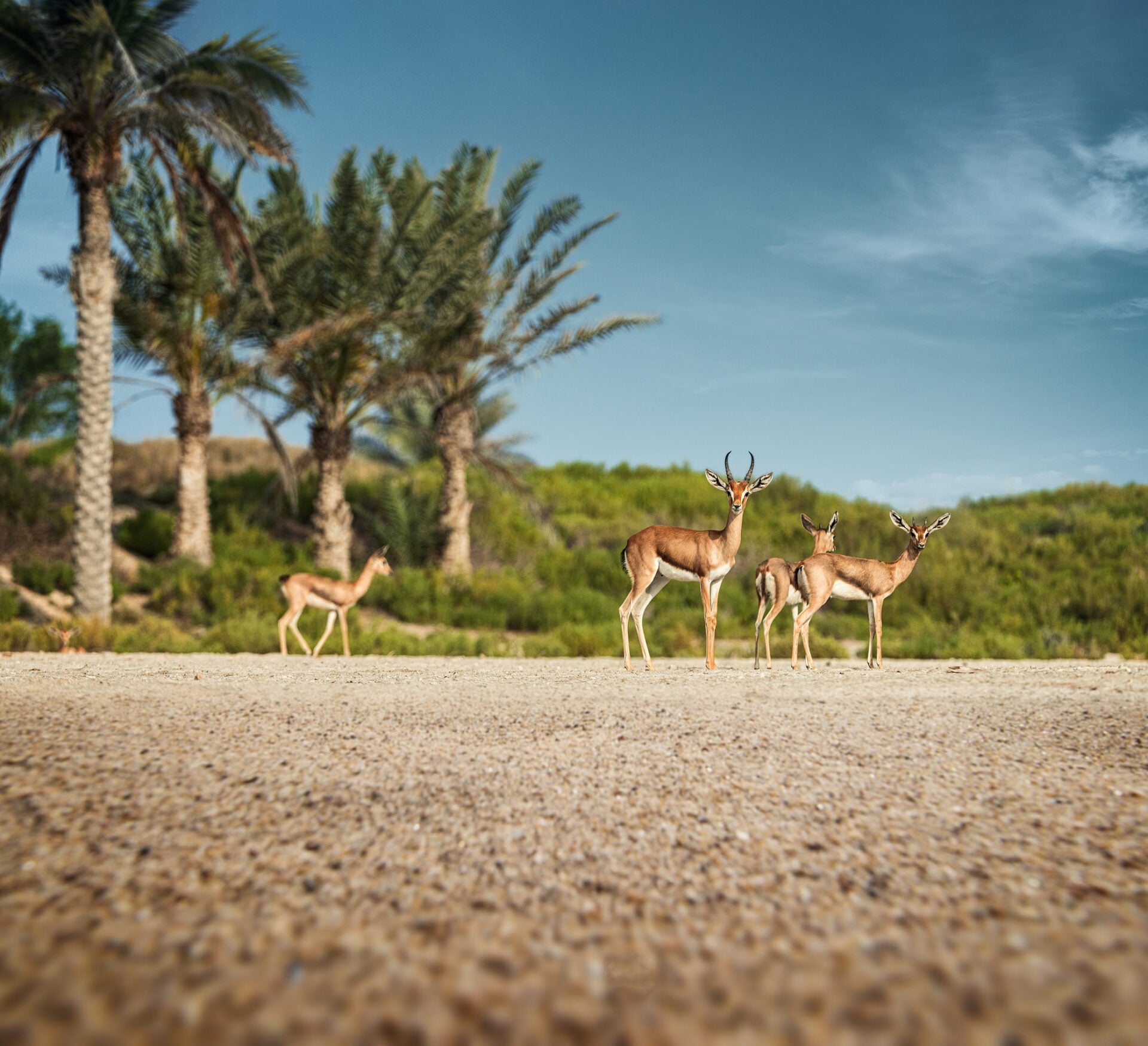
The third initiative centres on the critically endangered Dama Gazelle, considered one of the rarest antelope species in the world.
Building on the conservation breeding work already taking place at Al Ain Zoo, the project will focus on genetic research and biobanking to help strengthen long-term conservation and species reintroduction efforts globally.
Once found across parts of North Africa, Dama Gazelle populations have collapsed in recent decades due to habitat loss, hunting and environmental pressures.
Can artificial intelligence make aquaculture more sustainable?
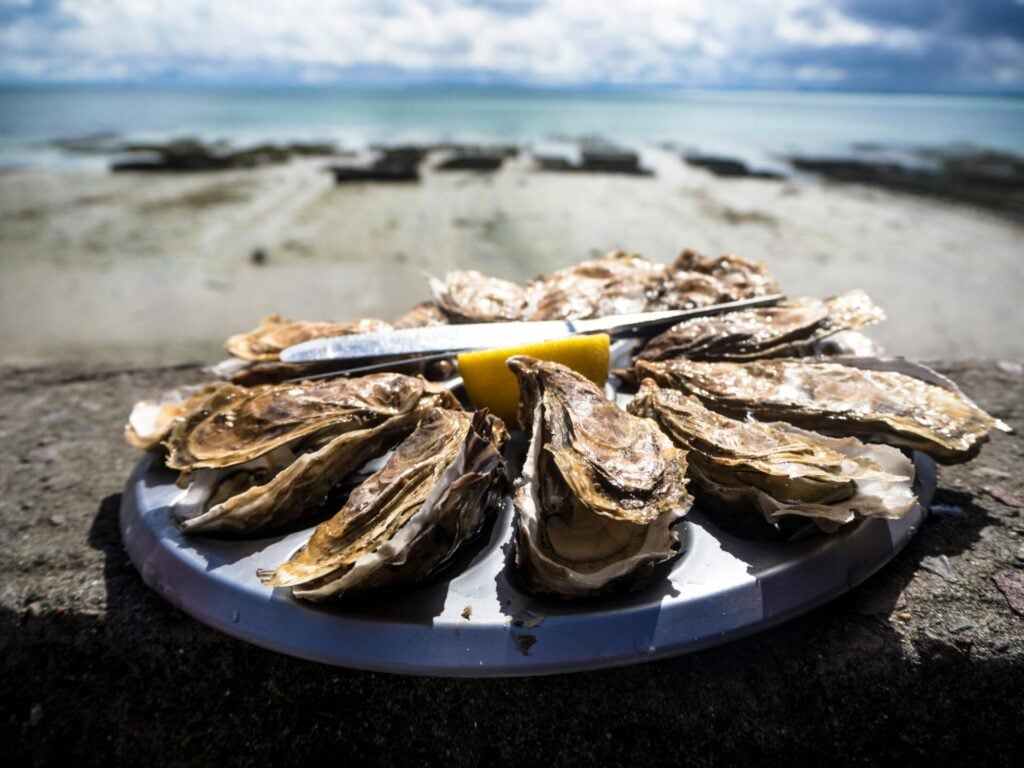
Lastly, they plan to explore how artificial intelligence may transform aquaculture sustainability in the UAE, as the country continues looking at ways to strengthen long-term food security.
The project will investigate AI-enabled underwater monitoring systems designed to improve fish welfare, reduce waste and better understand fish behaviour in farming environments.
As climate pressures and population growth place increasing strain on global food systems, sustainable aquaculture is becoming an increasingly important part of the Gulf’s food security strategy.
Conservation meets technology in the UAE
Taghrid Alsaeed, Executive Director of Marketing, Communications & Events at Miral and Vice Chair of IMPACT by Miral, described the approval of the programmes as ‘an important milestone’ in the organisation’s sustainability ambitions.
‘IMPACT by Miral was launched as part of our commitment to creating meaningful change,’ she said. ‘The approval of our four conservation priorities marks an important milestone in this journey, which underscores not only our ambition, but the strength of collective action.’
She added: ‘Together, we are contributing to a more sustainable future for Abu Dhabi by actively safeguarding its invaluable natural ecosystems.’
The projects reflect a broader shift taking place across the UAE, where conservation is increasingly being tied to tourism, technology and national sustainability goals. In recent years, the country has expanded efforts around mangrove restoration, marine conservation and species rewilding, while also investing heavily in climate-focused innovation following its hosting of COP28 in Dubai.
For more information, contact miralimpactfund@miral.ae