Ever notice how you can scroll past dozens of products without slowing down, then suddenly stop for something small you didn’t plan to look at?
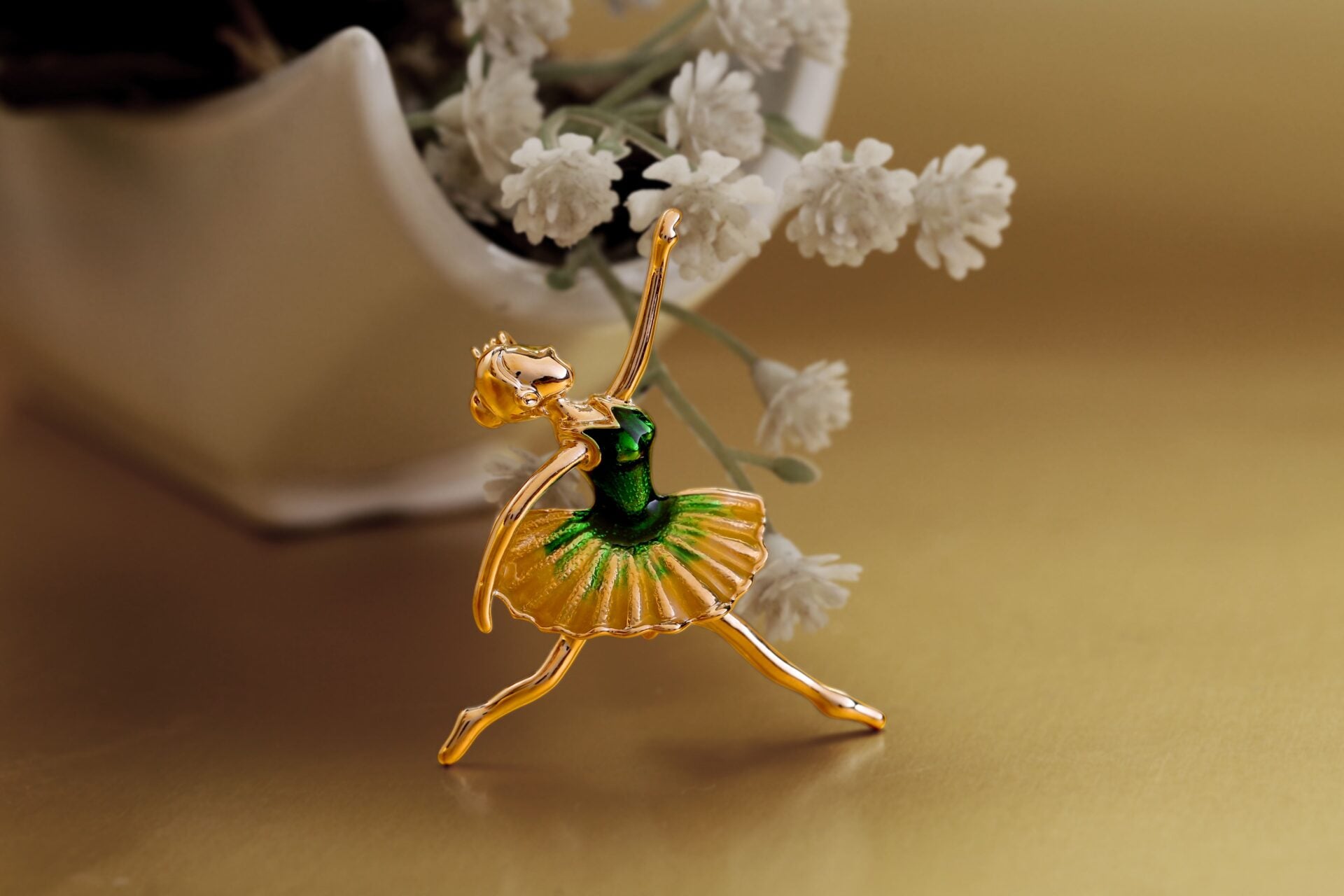
Small, detailed art pieces don’t shout for attention yet still receive it, and in a shopping world built on speed and volume, that’s rare. Shoppers today are more selective, even when buying online. When people choose something decorative now, it has to feel earned. Size alone doesn’t sell it; detail does. And at a time when many of us are questioning the cycle of buying and replacing fast trend-led homeware, a small object made with care can offer a more conscious alternative.
Small Objects Feel Safer to Commit To
Large purchases come with weight. Furniture, wall art, or décor that dominates a room can feel like a decision you’re stuck with. Small art doesn’t carry that same pressure. If it ends up on a shelf instead of a desk, that’s fine. If it gets moved later, it’s not an issue. That flexibility matters more than people admit.
Shopping habits have shifted toward lower-risk choices. People want items that feel personal but don’t lock them into a look or mood forever. Small, detailed pieces fit neatly into that space. Chosen carefully, they can also make it easier to furnish a home slowly, adding individual pieces over time rather than redecorating wholesale whenever fashions change.
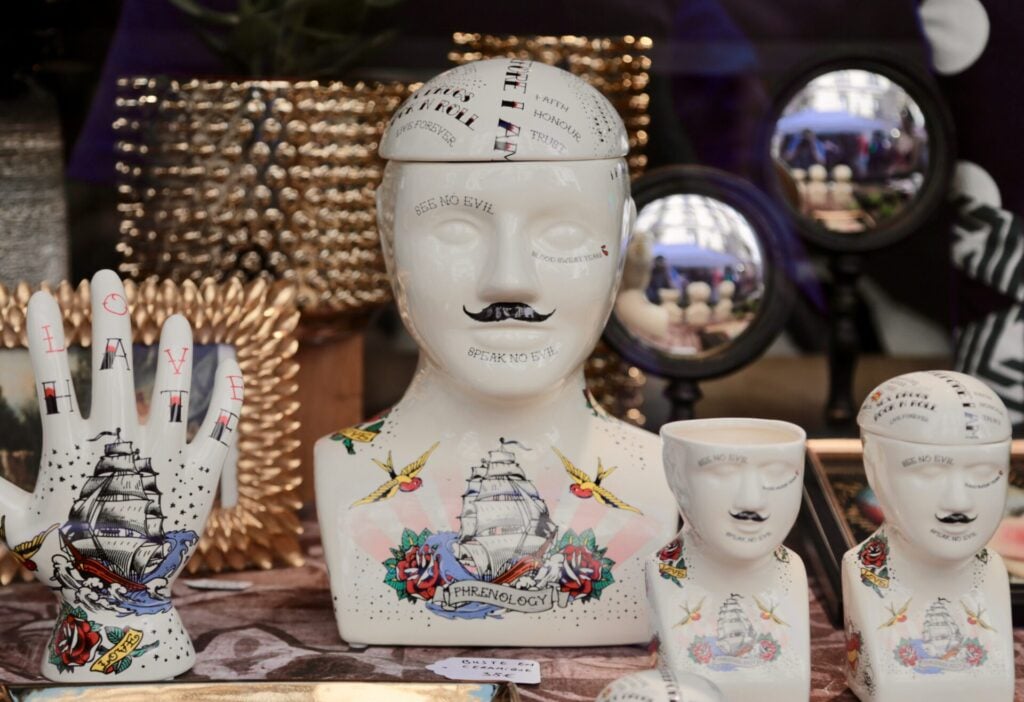
There’s also something reassuring about visible effort. Hand-painted details, tiny imperfections, parts that look like they took time slow the eye down. Craftsmanship can give an object a value beyond its price tag, encouraging its owner to keep, repair and eventually pass it on rather than treat it as disposable décor.
Where Traditional Miniature Art Still Holds Interest
Most shoppers and collectors aren’t always chasing rarity or resale value. Many are just looking for objects that feel complete. Miniature art has always done that well. You know what you’re looking at, but each piece still feels slightly different. That balance keeps people coming back without feeling repetitive.
When people look into classic decorations and collectables like Limoges boxes, it’s rarely a major purchase decision. It’s more about curiosity. The size makes it approachable, and the detail makes it appealing.
For many shoppers, these kinds of pieces sit at the intersection of art and object. They’re decorative, but also specific. That specificity matters in a market where so much looks interchangeable.
Detail Invites Attention
Large art often requires time and asks people to stop, stand still, and figure out what they’re supposed to be seeing. Small art works differently. You take it in at a glance, then catch something else later. A line you didn’t notice, or a colour shift.
Homes are full of screens, alerts, half-finished conversations, and background noise that never really turns off. Objects that ask for long focus often get ignored. Small, detailed pieces don’t compete. You notice them while walking past or sitting down for a moment with no pressure to engage deeply.
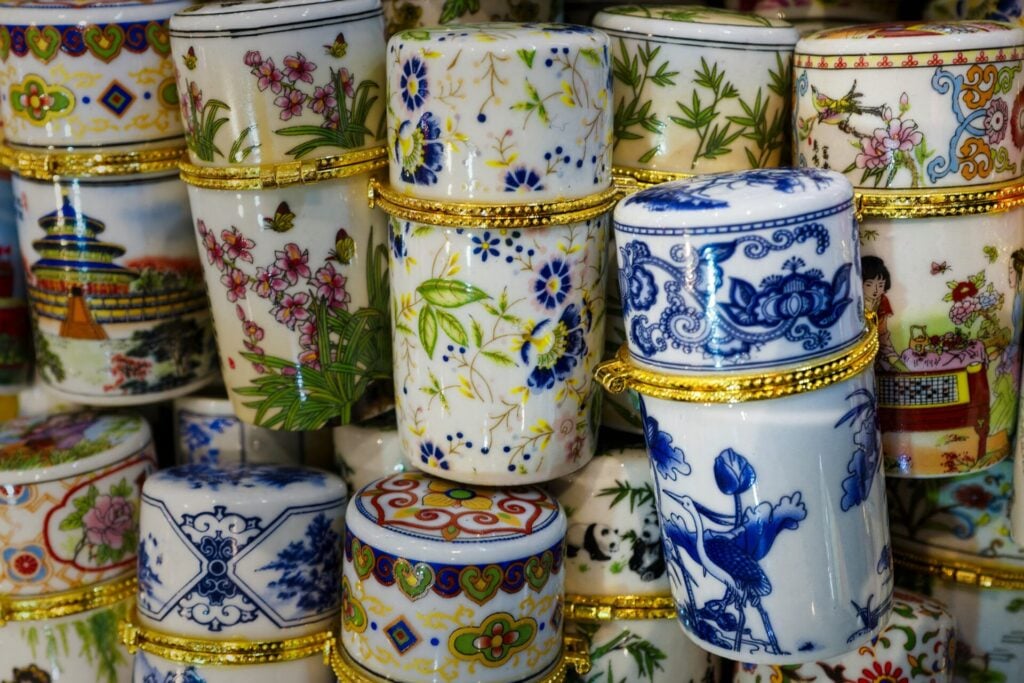
That’s part of why these pieces survive waves of minimalism and decluttering. People may keep fewer objects, but they live closely with what remains. When something stays in view, care becomes obvious. So do shortcuts. Over time, thoughtful detail earns its place without needing attention all at once. It is a quieter approach to decorating, but one that sits naturally with the idea of buying fewer things and expecting more from those we choose.
Online Shopping Changed How Quality Is Judged
Buying art online takes away the most basic test: touch. You can’t feel the weight. You can’t tell how a surface reacts when you run your hand across it. Because of that, shoppers learn to judge quality in other ways. They zoom in. They study photos longer than they expect to. They look for signs that someone spent time on the object, not just assembling it quickly.
Small, detailed art tends to hold up under that kind of scrutiny. Edges, brush marks, tiny joints, these details read clearly on a screen. They give buyers something specific to trust. Uncertainty drops when effort is visible. This is why miniature art adjusted well to online sales. Its scale works in its favor. The work shows up cleanly in photos, sometimes better than larger pieces that rely on presence or scale to make an impact.
Small Purchases Build Long-Term Trust
Not every shopping relationship begins with confidence. Most start with hesitation. A small order. Something chosen carefully, without much expectation attached to it. The item arrives on time. It looks like the photos. It feels finished, not flimsy. That experience stays with people longer than they realize. Trust doesn’t form because of clever language or big promises. It forms because it still looks right a week later, then months later. Small art pieces often serve as that first test. They let buyers decide, slowly, whether to come back. That confidence matters when people are trying to move away from impulse purchases and towards objects whose materials, making and durability justify bringing them into the home.

Gifting works the same way. Smaller, detailed items feel safe to give. They’re specific without being intrusive. People can picture them in another person’s home without overthinking it.
Small Objects Carry Personal History Quietly
People don’t always buy small art because it looks good. Sometimes it’s because it reminds them of a place, a person, or a period of time they don’t want to explain out loud. These objects work as markers. They sit on a shelf or desk and hold meaning without needing a story attached.
This matters more as lives become more mobile. People move more often. Jobs change. Rooms get repurposed. Large items don’t always follow. Small pieces do. Their portability can make them less likely to be discarded during a move and less likely to be replaced simply because a new home has a different scale or layout. They travel easily and keep continuity intact. When everything else shifts, that familiar object stays. Not as a statement, but as a reference point that makes a new space feel less temporary.
Why the Pull Hasn’t Gone Away
Trends move fast, sometimes so fast they barely register before something new replaces them. Shopping platforms change layouts, features, and algorithms, and people scroll through more products in a day than they used to see in a month. Attention is shorter, patience thinner. Yet small, detailed art keeps getting chosen. Not out of nostalgia, and not because anyone is trying to make a statement. These pieces fit into daily life without asking for much. They’re easy to move, easy to live with, and easy to set aside if needed. There’s no pressure to build a room around them or commit to a look.
In a retail space designed for speed and noise, that kind of low-demand presence feels steady, and people notice it. At their best, these objects offer a counterpoint to fast décor: fewer, more personal possessions, selected for their craftsmanship and kept because they continue to mean something long after a trend has passed.
As long as people keep looking for objects that feel thoughtful without being overwhelming, small, detailed art will keep finding its place.