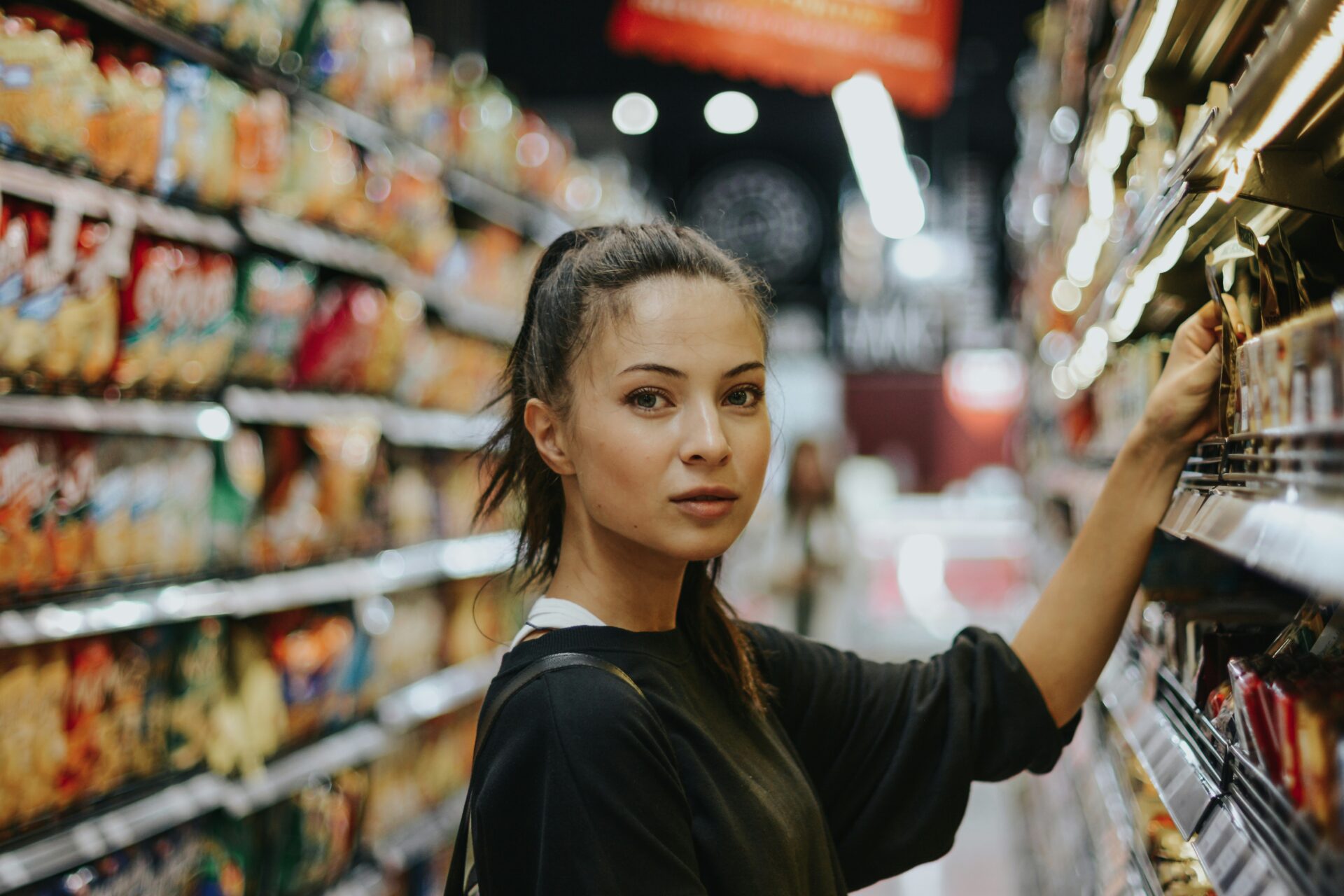
‘Ethical’ has become one of the most overused words in modern retail. ‘Ethical shopping’, in particular, now dominates shop shelves. Walk into any larger supermarket, and you’ll see it everywhere – ethical sourcing, sustainable ingredients, conscious packaging, planet-friendly production. I get it. The intention behind this shift is positive: consumers crave transparency and want to support businesses that align with their values.
But good intentions don’t eliminate confusion. In fact, the more brands claim to be ethical, the harder it becomes to distinguish meaningful standards from suggestive marketing language.
So how can consumers separate substance from spin? Here are a few good ways to stress-test ethical claims before a product makes it into your basket.
Don’t trust ‘vibes’. Trust third-party certification.
Ethical brands don’t just say ‘fair trade’ or ‘sustainably sourced.’ They demonstrate who verifies that claim. The first question to ask yourself when ethical shopping is simple: Who certifies this product, and how often are audits conducted?

At SAMBAZON, our Fair Trade certification is issued by Fair for Life, an independent, audited standard with publicly available certification details. That means external auditors assess our supply chain, not our marketing team.
If a brand can’t clearly name its certifier, explain what the certification covers, or demonstrate that it is audited regularly, that immediately raises a red flag. After all, a badge that looks official but isn’t backed by a recognised standard isn’t accountability, it’s branding.
Certification is not about perfection. It is about verification.
Look for traceability, not just ‘sourcing’ language
‘Ethically sourced’ sounds reassuring. But without traceability, it doesn’t mean very much.
True ethical sourcing should allow you to follow a product’s journey from origin to production to consumer. It should identify where it was grown or harvested, under what model, and how the communities involved benefit.
If a brand cannot tell you the region of origin, the harvest model, and the tangible benefit to local producers, then ‘ethical sourcing’ is simply a sentence on the packaging
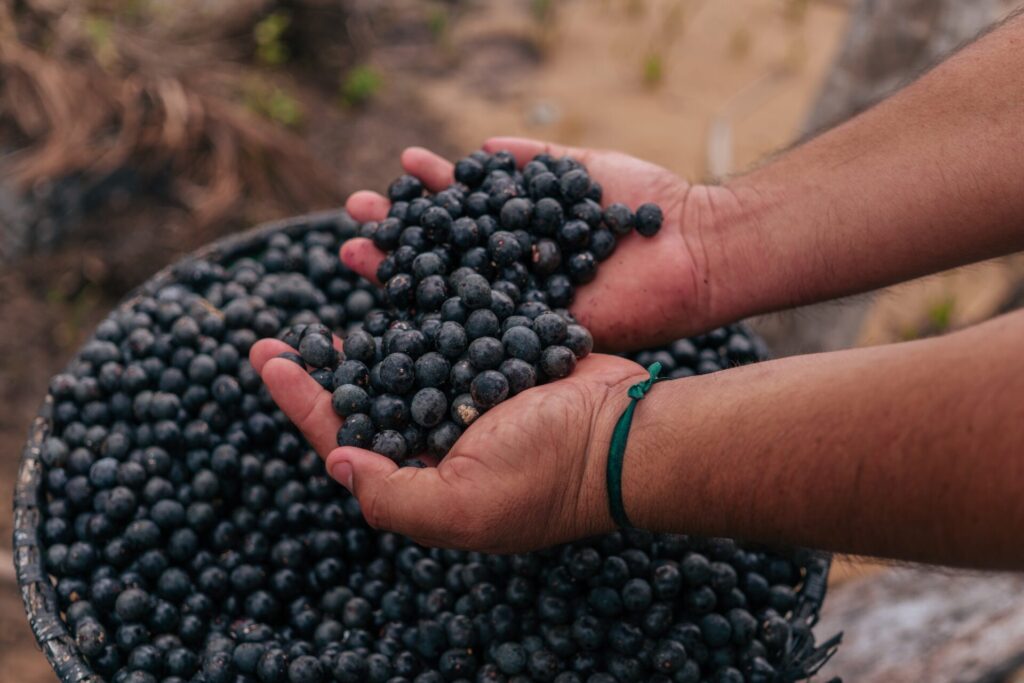
We describe our approach as ‘Palm to Palm’, tracing açaí from the palm of the tree in the Amazon to the palm of the consumer’s hand. That means working directly with harvesting communities, maintaining visibility across the supply chain, and ensuring the economic model supports those communities long-term.

If a brand cannot tell you the region of origin, the harvest model, and the tangible benefit to local producers, then ‘ethical sourcing’ is simply a sentence on the packaging.
Traceability, when ethical shopping, builds trust because it replaces abstraction with detail.
Demand an impact report, and read it like a skeptic
Ethics should be measurable. An authentic ethical brand should publish an impact report outlining its social, environmental, and economic outcomes. Not just stories or beautiful photographs, but metrics.
At SAMBAZON, we frame our reporting around a Triple Bottom Line – people, planet, and profit. That includes data on certified hectares of rainforest, carbon impact, community investments, and packaging reduction.
If a report is filled with aspirational language but contains little measurable data, that’s just storytelling without accountability
When reading any impact report, ask yourself: Are there numbers? Are they specific? Are they comparable year on year? Does the company acknowledge areas for improvement?

If a report is filled with aspirational language but contains little measurable data, that’s just storytelling without accountability. You see, transparency is not about appearing flawless, it’s more about showing progress, and owning the gaps.
Check the packaging story
We’ve always felt that an ethical product wrapped in wasteful packaging is a contradiction.
Ethics doesn’t stop at ingredient sourcing. It extends to waste, recyclability, and end-of-life impact. If sustainability claims focus only on origin but ignore packaging, that’s an incomplete picture.
Words like ‘natural’ and ‘clean’ are not regulated definitions. They’re marketing language. More meaningful indicators are recognised standards such as Certified Organic
In several markets, including the MENA region, we have prioritised recyclable and plant-fiber packaging solutions for ready-to-eat bowls, alongside ongoing plastic reduction initiatives. Packaging innovation is rarely glamorous, but it is one of the most immediate ways brands can reduce environmental impact.

And you should feel empowered to question inconsistency. If a product positions itself as environmentally responsible, but is clearly designed for landfill, it is reasonable to ask why.
We believe that ethical standards must be applied across the lifecycle, not selectively.
Verify what’s not in the product
When it comes to ethical shopping, sourcing is only part of the story – product standards matter too.
Words like ‘natural’ and ‘clean’ are not regulated definitions. They’re marketing language. More meaningful indicators are recognised standards such as Certified Organic, which require compliance with strict, externally verified criteria.
Across our brand platforms, we consistently uphold Certified Organic and Fair Trade or Fair for Life standards. These certifications remove ambiguity and minimise hidden trade-offs, whether that relates to pesticide use, soil health, or labour conditions.
If a product’s ethical positioning relies solely on descriptive language without reference to recognised standards, you’re being asked to trust a company’s internal definition of ethics rather than via an independent benchmark.
Verification matters because definitions vary, and adhering to certain globally recognised standards reduces that variability.
The responsibility for ethical commerce does not rest solely with brands. Consumers play a critical role in shaping the market. The questions you ask influence the standards companies adopt.
Ethical shopping isn’t about perfection or moral purity; it’s all about informed choice.
When brands know that customers are looking for certification details, traceability, impact metrics, packaging integrity, and credible standards, they are more likely to invest in those areas meaningfully.
In the end, ethics shouldn’t feel abstract. It should feel verifiable.
The more we move from vague claims to measurable commitments, the stronger the foundation of conscious commerce becomes. And that benefits everyone – from rainforest communities to retail shelves.