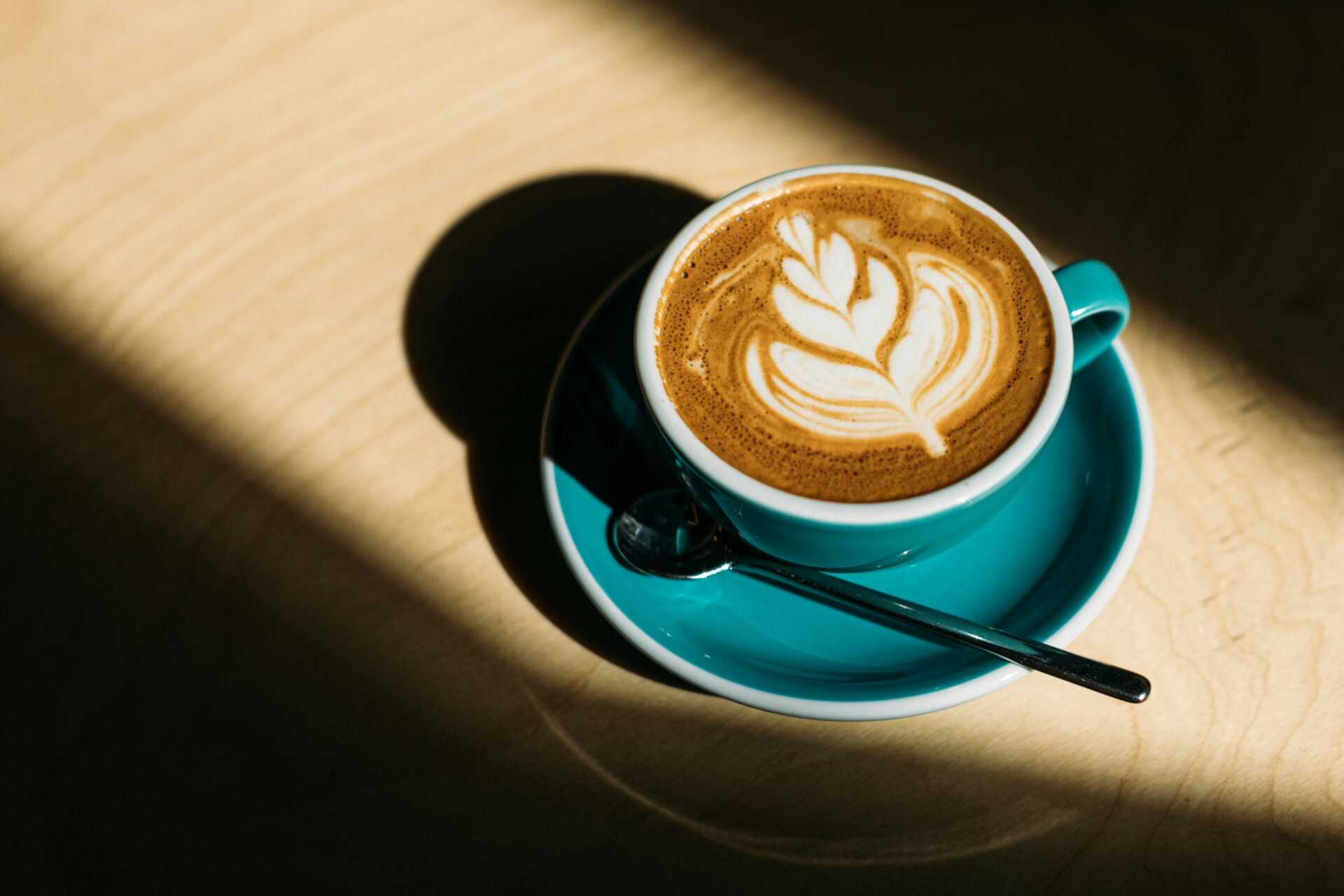
For many around the world, the morning ritual remains the same. The hum of the coffee machine, the aroma of brewed beans, and the first sip of black gold. But behind the familiarity, the coffee industry is facing a moment of reckoning.
Global coffee prices are rising, supply chains are under strain, and climate change is beginning to redraw the map of where, and how, coffee can be grown. For consumers, the impact is only just beginning to surface. For producers, it has been years in the making.
According to the International Coffee Organisation (ICO), global coffee prices reached their highest levels in over a decade in 2024, driven by extreme weather in major producing countries such as Brazil and Vietnam. Brazil alone – responsible for around 40 per cent of the world’s coffee supply – has faced repeated droughts and frosts, while Vietnam, the second-largest producer, has struggled with heatwaves and floods.
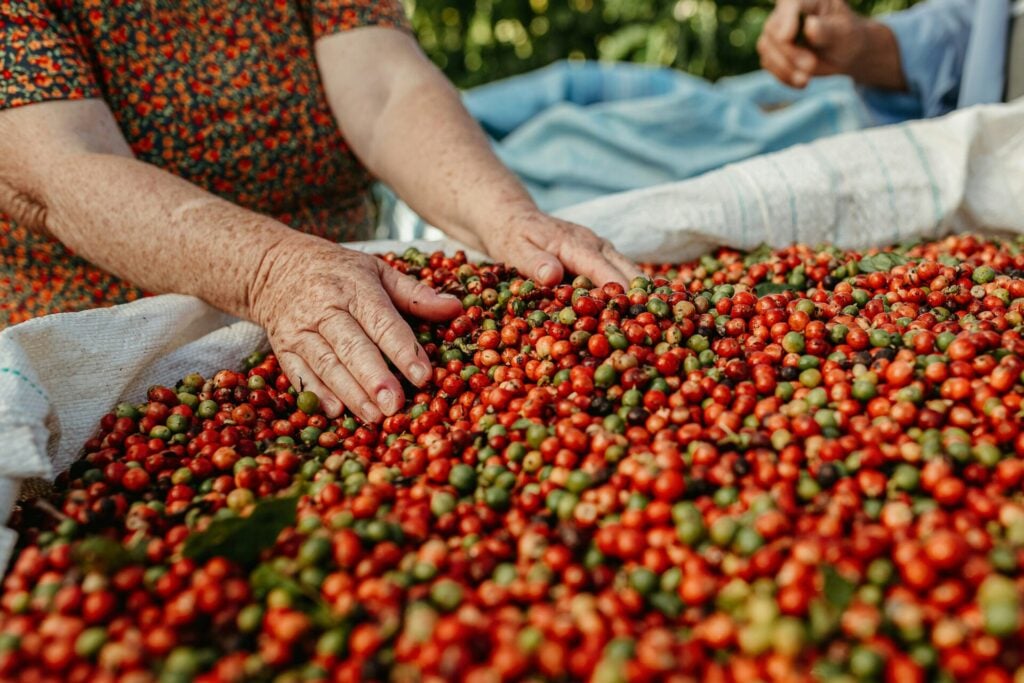
The result is a tightening market, with the World Bank warning that coffee prices could remain volatile for years as climate pressures intensify and global demand continues to grow. According to Statista, the market is expected to exceed $130 billion by 2030.
A crop under pressure
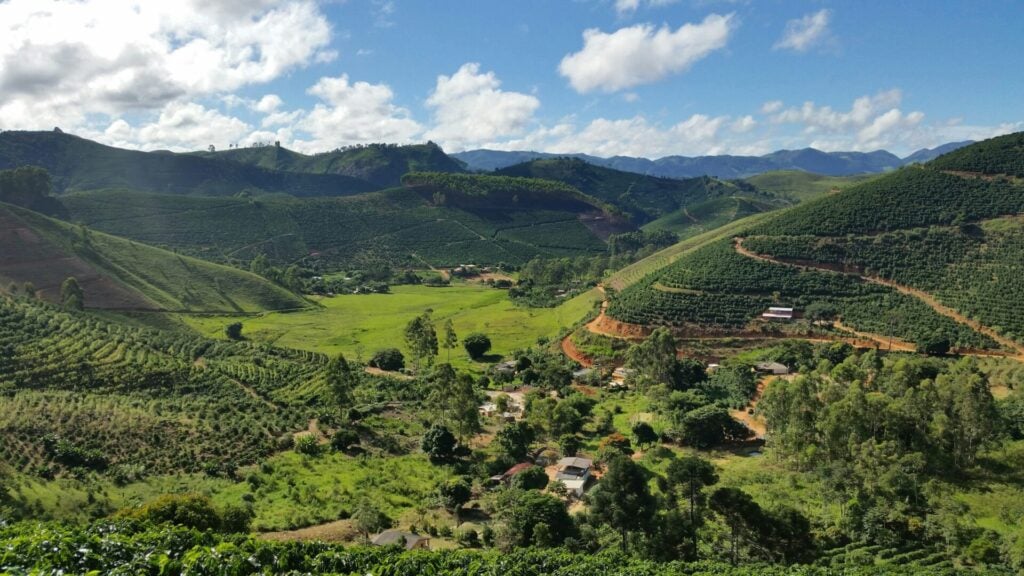
Coffee is one of the most climate-sensitive agricultural products in the world. It thrives within a narrow band of temperature, altitude and rainfall conditions, making it particularly vulnerable to environmental disruption.
Research published in Nature Climate Change suggests that by 2050, up to 50 per cent of the land currently suitable for coffee cultivation could become unviable due to rising temperatures.
Farmers are already seeing the impact. Unpredictable rainfall affects flowering cycles. Higher temperatures accelerate ripening, reducing bean quality. Pests such as coffee leaf rust, once limited by cooler climates, are spreading to new regions.
For roasters and cafés, this translates into a more immediate reality: fewer options, higher costs, and difficult choices.
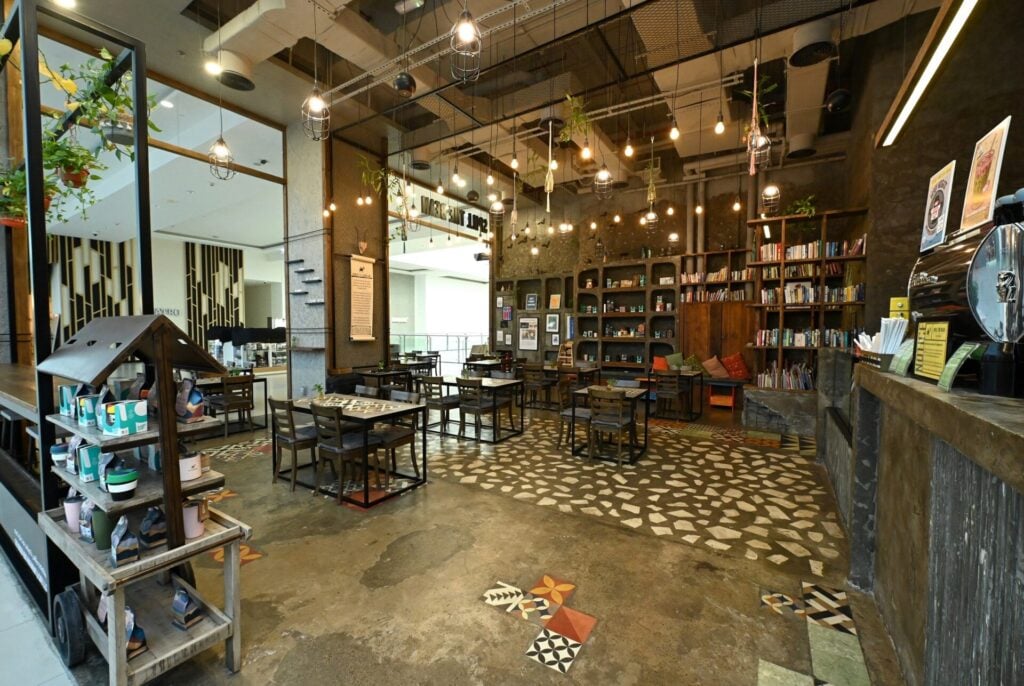
‘Some of our most favourite beans have been priced out,’ Hannad Abi Haydar, co-founder of Dubai-based speciality café Spill the Bean, tells The Ethicalist. ‘So while they are still available, we won’t be having them, unfortunately.’
It’s a subtle but significant shift that shows coffee isn’t disappearing, but certain varieties, origins and flavour profiles are becoming harder to justify economically. For now, many cafés are absorbing the cost increases rather than passing them on. But that may not last.
‘We have increased our prices only once in the past 14 years, and that was in 2023,’ Hannad says. ‘But the price increases noticed this year are expected to be felt next year, not now.’
Beyond Ethiopia, Brazil and Colombia
For decades, coffee culture has revolved around a familiar trio of origins: Ethiopia – the birthplace of coffee, Brazil – the global powerhouse, and Colombia as the benchmark of quality. But that narrative is changing. As traditional growing regions face increasing pressure, producers in other countries are gaining attention.
‘Many customers have always been fascinated with three origins: Ethiopia, Brazil and Colombia,’ explains Hannad. ‘We roast all three, but now we are introducing other beans from places like Malawi or Honduras.’
Beyond these, roasters are increasingly turning to origins such as Rwanda, Burundi, and China’s Yunnan province, where improved processing techniques and high-altitude growing conditions are producing beans that rival those of more established regions.
The shift reflects necessity and opportunity, but crucially, it also challenges a long-held assumption within the industry.
‘The country of origin does not dictate the quality,’ says Hannad.
That shift is backed by global recognition. Coffees from emerging origins are now regularly featured in elite competitions like the Cup of Excellence, widely considered the ‘Oscars’ of the coffee world. Countries like Rwanda and Burundi have been judged alongside, and often rival, traditional powerhouses.
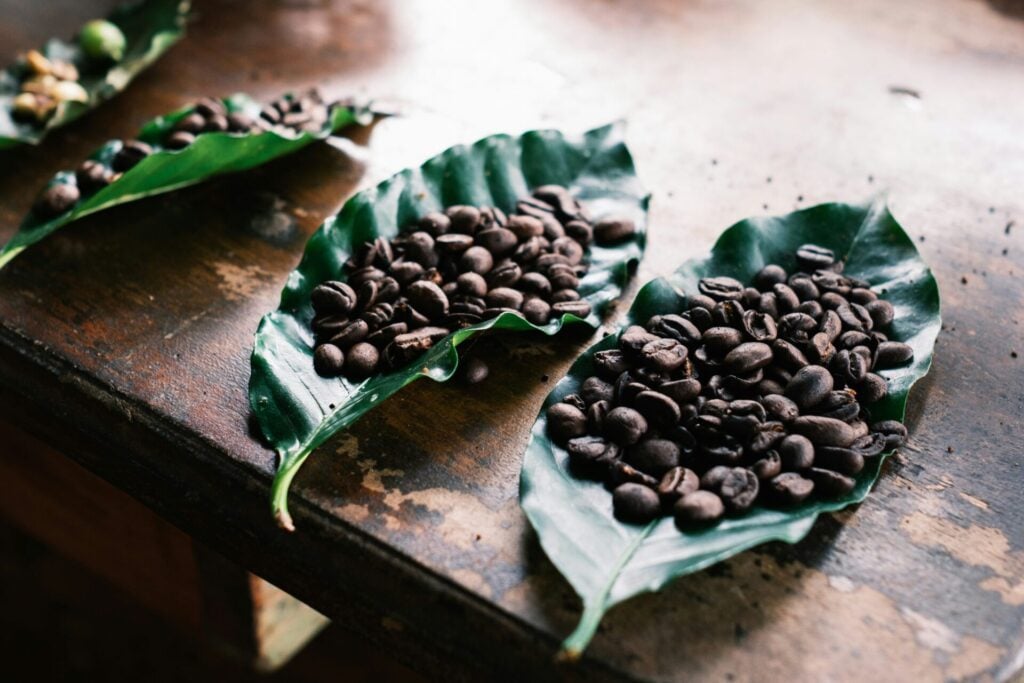
This democratisation of coffee origins may reshape consumer expectations in the years ahead, moving away from prestige labels towards a more nuanced understanding of terroir, processing methods and sustainability practices.
The True Cost of Coffee
Coffee has always been a global commodity, but its pricing has rarely reflected its true cost. Despite rising retail prices, farmers typically receive less than 10 per cent of the final price of a cup of coffee, according to Fairtrade International. The rest is absorbed across transport, roasting, retail and branding.
For years, the third-wave coffee movement has encouraged consumers to think more deeply about the origin, roast profile, and brewing method of their coffee. Consumers are increasingly asking where their brew comes from, how it’s grown, and whether farmers are being paid fairly.
Certifications such as Rainforest Alliance and Fairtrade are gaining traction, while direct trade models are becoming more common among speciality roasters. In fact, the global Fairtrade coffee market is expanding at roughly 6–8 per cent annually, with projections continuing upward to 2033. Sales of certified organic and Fairtrade coffee have risen by 15 per cent in the past year alone.
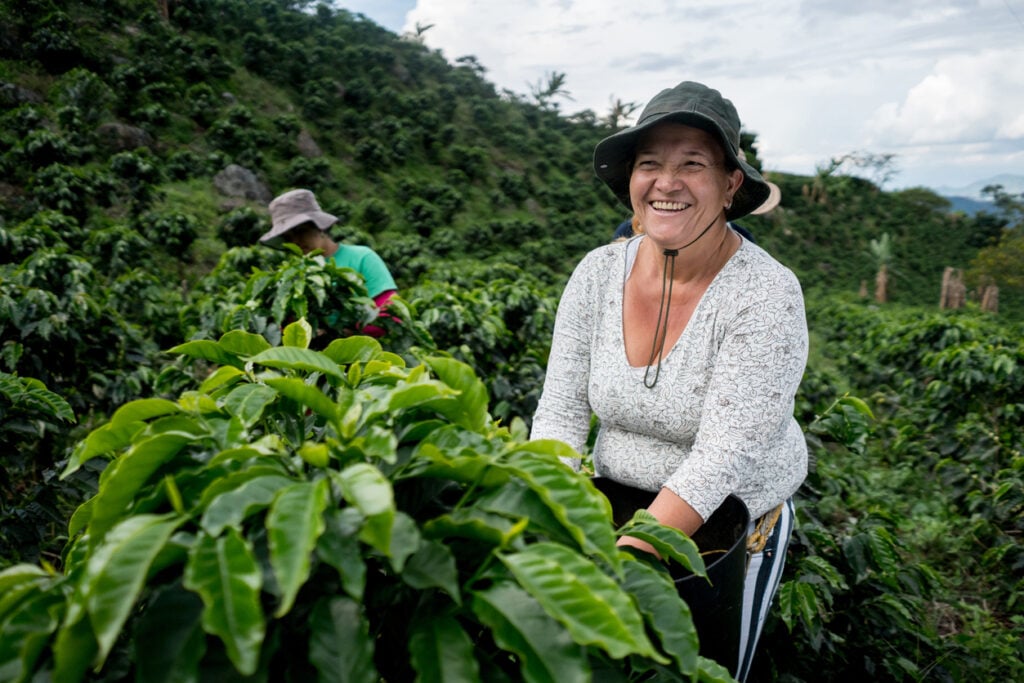
But habits are slow to change. Fairtrade coffee still accounts for roughly 8 per cent of global coffee consumption. Taste, routine and convenience still dominate purchasing decisions. The industry’s challenge is to bridge the gap between awareness and action
But the true cost of coffee is no longer just about price; it’s about resilience. The resilience of farmers facing climate change, of supply chains navigating global disruption, and of an industry adapting in real time.
For now, the morning ritual continues. But the story behind it is becoming impossible to ignore.
About Spill the Bean
Spill The Bean is an independent neighbourhood specialty coffee shop and restaurant known for its artisanal coffee, healthy food, sustainable practices, and conscious-consumption philosophy. In 2022, it achieved one of the coveted spots on the Financial Times’ best independent specialty coffee shops in the world. It has also won accolades, including Dubai’s Best Street Food award in the desserts category.