
Nature underpins the global economy far more profoundly than we acknowledge. Freshwater, pollination, soil fertility, coastal protection, clean air, these ‘ecosystem services’ operate silently in the background, sustaining industries and societies. Yet because these benefits are not priced or traded like other assets, they are routinely overlooked in economic planning. This disconnect has led to a dangerous paradox: the more we degrade nature, the more we undermine the very economic systems we rely on.
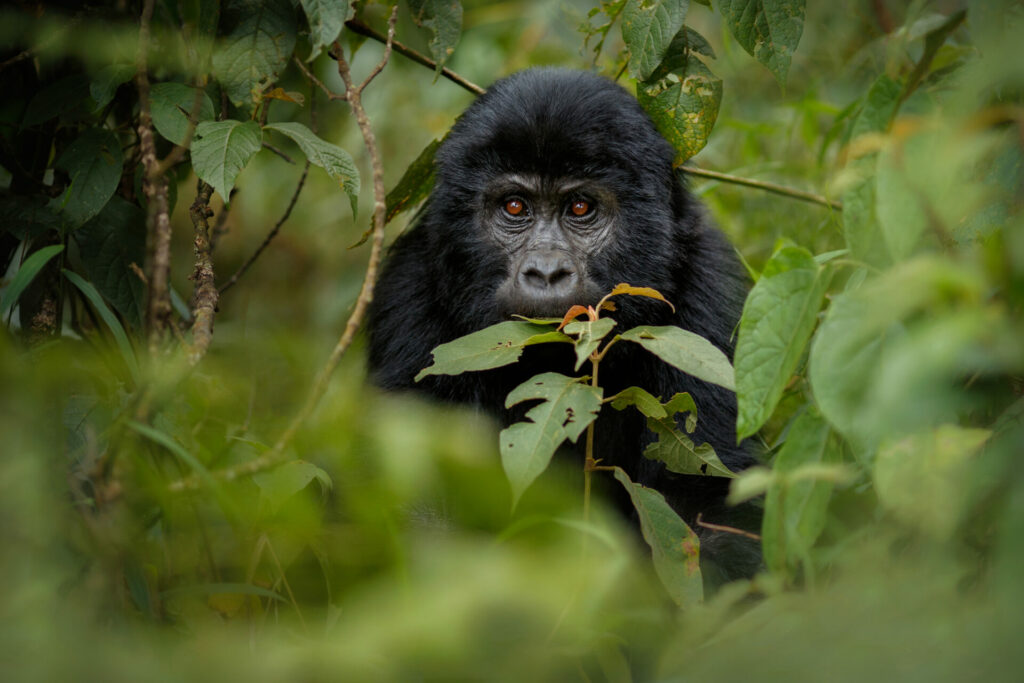
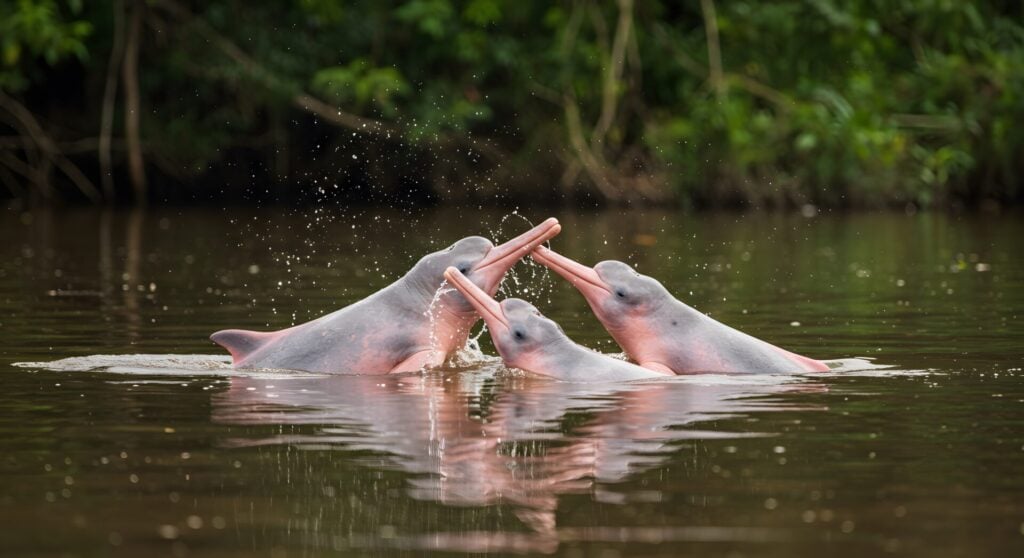
Globally, more than half of the world’s GDP, approximately USD 58 trillion, is moderately or highly dependent on nature. At the same time, biodiversity loss is accelerating at an unprecedented scale, with monitored wildlife populations declining by 73 per cent over the past 50 years. These include a 57 per cent decline in nesting female hawksbill turtles between 1990 and 2018 on Milman Island in the Great Barrier Reef in Australia, a 65 per cent decline in Amazon pink river dolphins and an 88 per cent decline in Chinook salmon in the Sacramento River in California.
These numbers are not simply environmental alarms, they are economic warnings.
The real question policymakers and business leaders now face is not whether protecting nature is important. It is how to value it properly, and how to embed that value into financial and strategic decision-making.
Nature as economic infrastructure
One of the most compelling shifts emerging in sustainability is the move toward Ecosystem Services Valuation, which is the process of quantifying nature’s economic contribution. This is not about placing a price tag on the natural world for its own sake. Rather, it is about recognising that ecosystems perform services that, if lost, would require costly human-built alternatives.
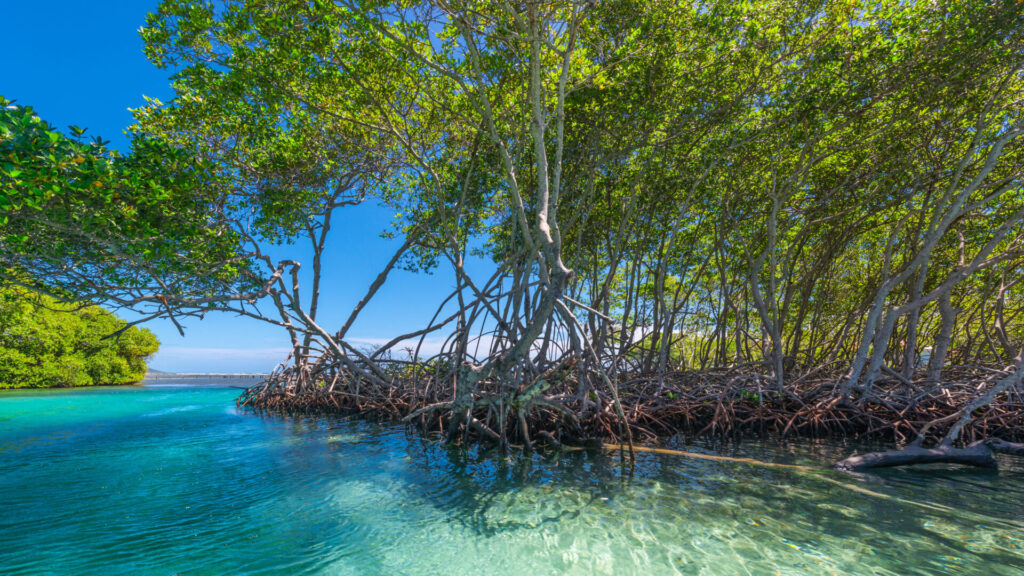
Mangroves, for instance, protect coastlines from storm surges and erosion. Coral reefs support fisheries and tourism. Wetlands act as natural water-treatment systems. When these systems degrade, the economic cost is immediate, whether through rising insurance premiums, declining agricultural productivity, or escalating infrastructure needs.
Yet our financial flows fail to reflect this reality. Every year, nearly USD 7 trillion in private investment, subsidies and tax incentives contributes to ecosystem degradation. By contrast, global spending on nature-based solutions amounts to only USD 200 billion. This imbalance illustrates the fundamental flaw in our economic logic: we treat ecosystems as infinite, free resources, even when we can measure their financial value and their contribution to long-term resilience.
FTI Consulting’s white paper, Valuing Nature: Guide to Quantifying Ecosystem Services, argues that integrating natural capital into mainstream economic analysis is essential. When governments and organisations understand the economic value of ecosystem services, they can make smarter, more resilient investment choices.
The Middle East is beginning to lead
This is particularly relevant in regions like the Middle East, where environmental pressures from realities such as water scarcity and coastal vulnerability directly intersect with economic development.
Nature-positive strategies are no longer just ethical imperatives. They are economic ones.
When policymakers can demonstrate that preserving a wetland saves millions in water treatment costs, or that restoring a reef protects billions in coastal real estate, the economic case for nature becomes undeniable
Across the UAE and Saudi Arabia, we see promising momentum toward integrating natural capital considerations into national development.
The UAE’s push for sustainable finance, including the UAE Sustainable Finance Framework and the Central Bank’s climate-risk principles, signals recognition that capital must increasingly flow into projects that protect, restore or mimic ecosystem services. Mangrove restoration, for example, has become a core pillar of the UAE’s climate strategy not only for carbon sequestration, but because mangroves deliver measurable economic benefits: coastal protection, nursery habitats for fisheries, and significant tourism value.
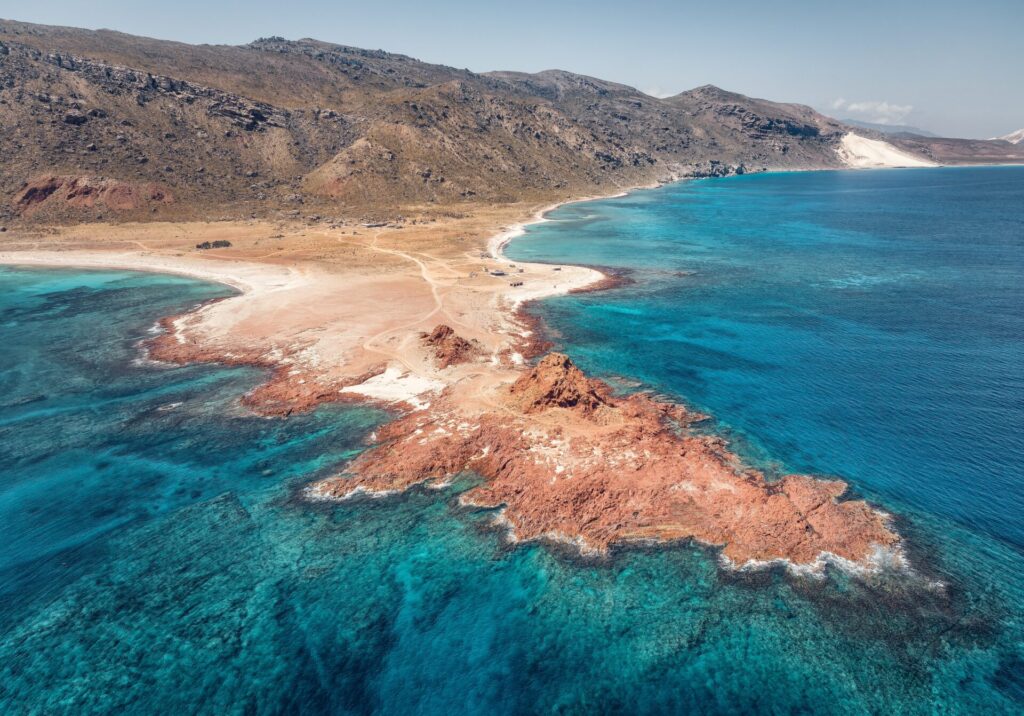
Similarly, Saudi Arabia’s Nature-Based Solutions (NbS) projects, part of the Saudi Green Initiative and major giga-projects, are embedding environmental assets into their urban and coastal planning. Whether through large-scale afforestation, coastal restoration or protected-area expansion, the Kingdom is acknowledging that natural ecosystems are essential economic infrastructure.
Protected areas remain one of the most effective tools for addressing biodiversity loss and advancing sustainable development goals. Yet they are often perceived as cost centers rather than economic assets. In reality, their contribution to tourism, climate adaptation, public health and food security is significant and quantifiable.
The answer lies in the persistent belief that conservation offers intangible, symbolic or moral value, while industries such as agriculture, infrastructure and extraction offer immediate financial returns.
So why does investment still lag so far behind need? The answer lies in the persistent belief that conservation offers intangible, symbolic or moral value, while industries such as agriculture, infrastructure and extraction offer immediate financial returns. This creates a structural bias in economic decision-making.
Ecosystem Services Valuation helps correct this imbalance. When policymakers can demonstrate that preserving a wetland saves millions in water treatment costs, or that restoring a reef protects billions in coastal real estate, the economic case for nature becomes undeniable.
Integrating nature into financial models will not eliminate trade-offs, but it will ensure that the long-term value of natural capital is no longer ignored.
The Middle East stands at a strategic inflection point
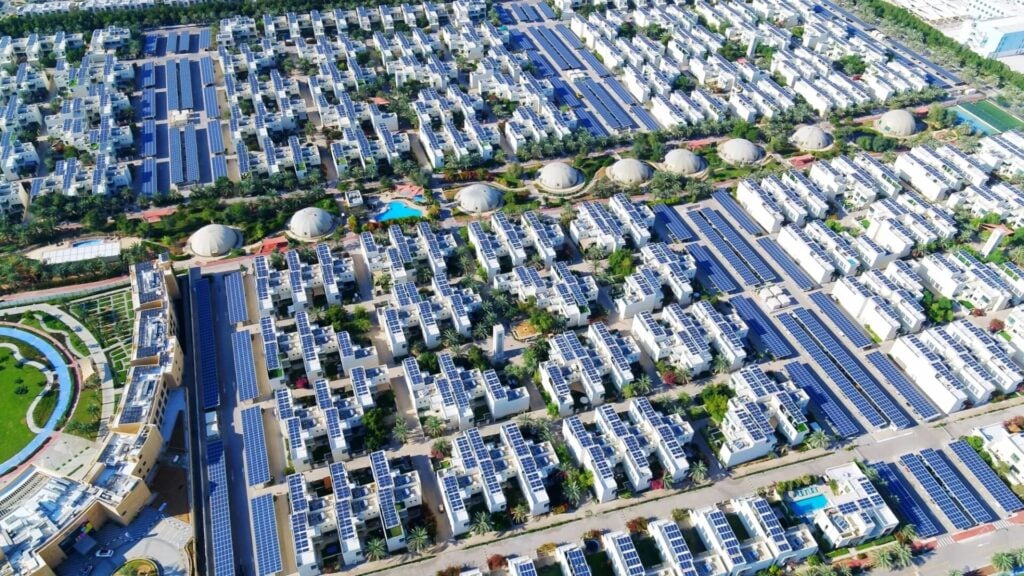
The region’s economic diversification strategies, from tourism to renewable energy to smart infrastructure, depend on environmental resilience. Water security, coastal stability, livability and climate adaptation are all areas where ecosystem services play a crucial role. By embedding natural capital valuation into national frameworks, regional leaders like UAE and Saudi Arabia can help spearhead a new global economic paradigm, where ecological intelligence strengthens competitiveness.
The transition is already underway. Sustainable finance taxonomies, green bonds, transition instruments and climate-risk reporting frameworks are increasingly integrating nature-related risks and opportunities. As these tools evolve, businesses across the region will need to understand how natural assets influence long-term value creation.
Ultimately, ecosystem protection is not a trade-off against economic growth, it is a prerequisite for it. Nature is not a passive backdrop to our economies; it is one of the most productive assets we have. The sooner we value it accordingly, the more resilient, competitive and prosperous our economies will become.
About the Authors
Joe Ghanem is Associate Partner, Strategy & Transformation, Public Sector and Bassel
Malaeb, is Senior Managing Director, Strategy & Transformation, Public Sector at FTI Consulting