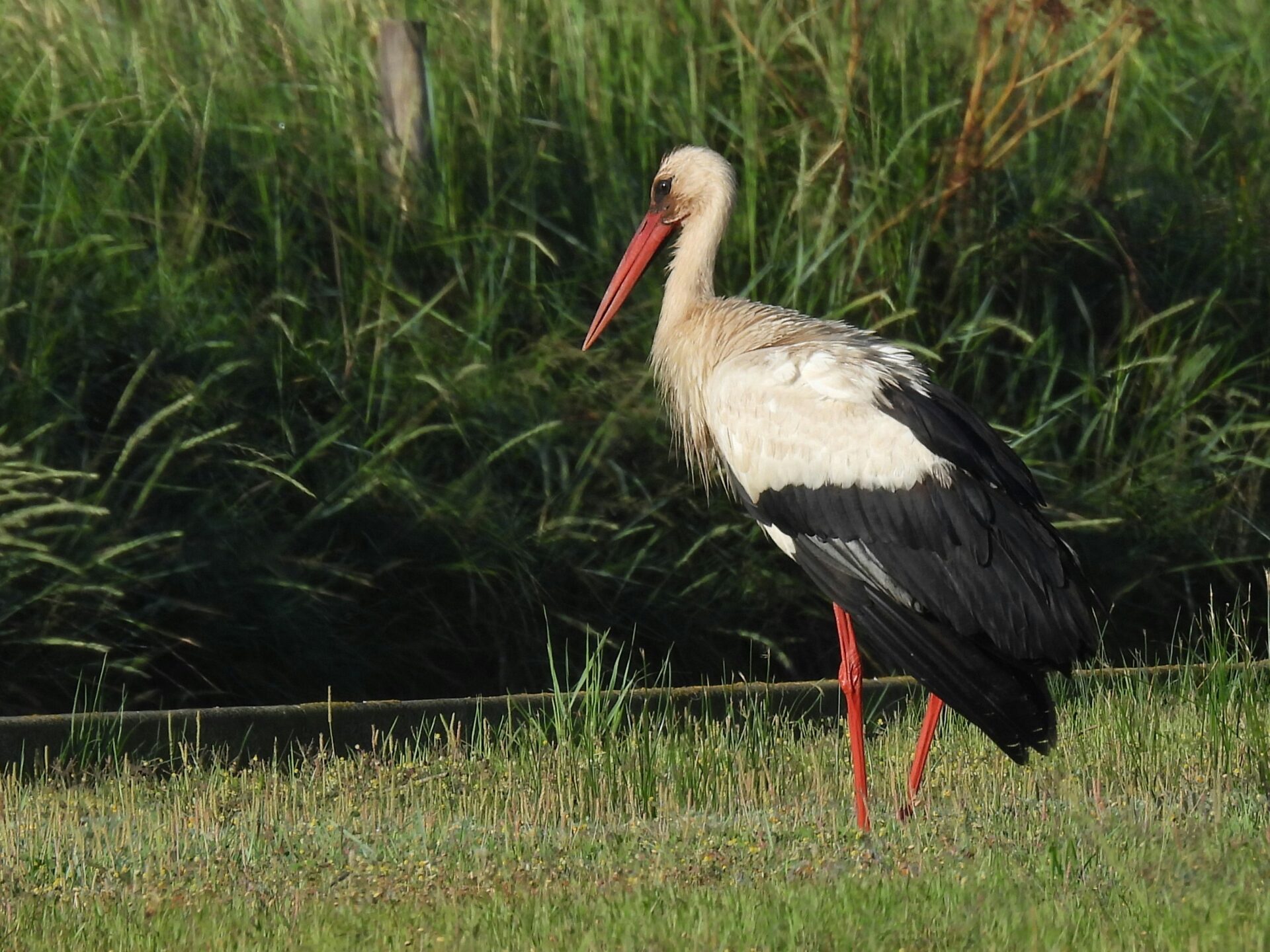
White storks are set to return to London for the first time in 600 years as part of efforts to rewild parts of the UK’s capital city.
The birds, once native to Britain but wiped out in the 1400s, are to be released at Eastbrookend Country Park in Dagenham from October 2026, where it is hoped they will establish a breeding colony.
The stork project will be run by Barking and Dagenham Council and the London Wildlife Trust and will be only the second publicly accessible white stork reintroduction project in the country.
It’s part of London’s Green Roots Fund which has awarded a total of £3.48 million (AED16million) to support 26 environmental projects, 11 of which will support waterways. The aim is to make neighbourhoods across the capital greener, healthier and more climate resilient.
A family of beavers, the second to be reintroduced to a London urban site, are set to arrive in 2027.
Mayor of London Sir Sadiq Khan said: ‘Access to nature is an issue of social justice and it can’t just be those who live in the countryside who get to share their home with our amazing wild creatures.
‘We are proud to be supporting some fantastic projects through my Green Roots Fund, including the historic reintroduction of white storks and beavers to East London. This is only the beginning of the change we will see.’
White Storks Wiped Out
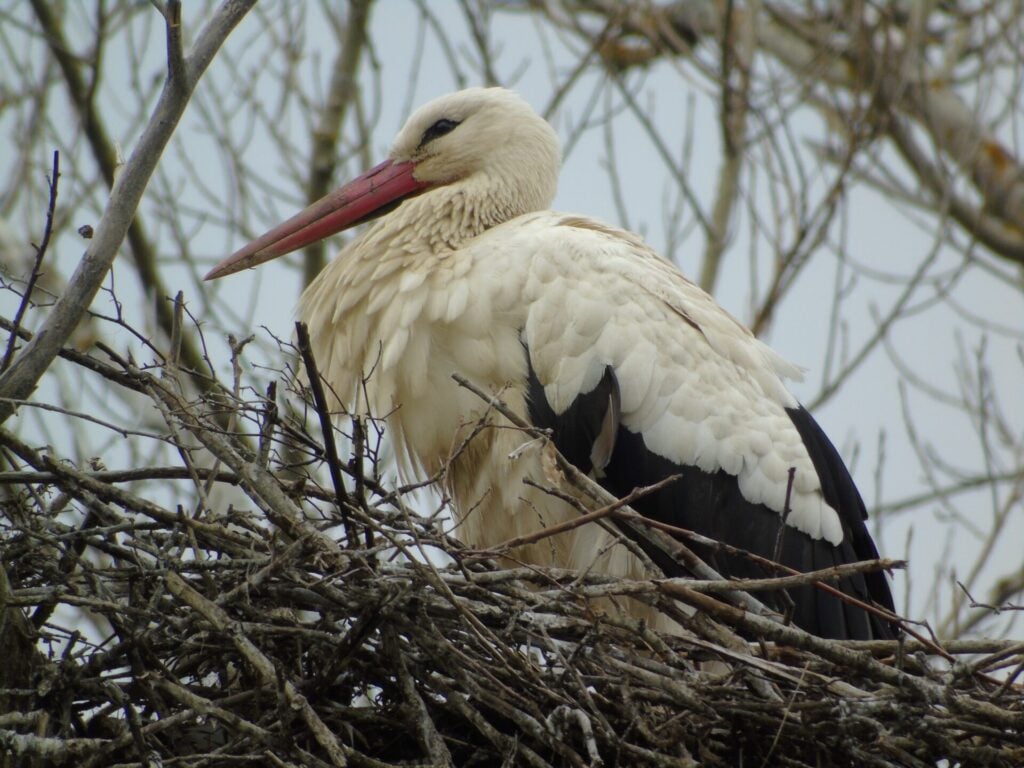
White storks were completely extinct in Britain by the 15th century due to a combination of habitat loss, such as draining wetlands and agricultural changes, along with over-hunting, as they were eaten at banquets,
Then, in the 17th century they became symbols of rebellion during the English Civil War and were deliberately killed by supporters of King Charles I.
In legend the graceful bird is seen as a symbol of good luck, fertility, and family life, particularly in its role in delivering babies which first came to mythology in a fairytale by Danish folklore writer Hans Christian Andersen.
Sam Davenport, Director of Nature Recovery at London Wildlife Trust said: ‘Reintroducing iconic flagship species like white storks and beavers helps us all to imagine an ambitious future for nature recovery in the capital.
‘It will inspire communities to connect with nature and landowners to create more wetland habitats – in turn benefiting other species. In this way, the reintroduction of white storks and beavers becomes a catalyst for wider ecological restoration, helping to build a greener, more resilient London for generations to come.’
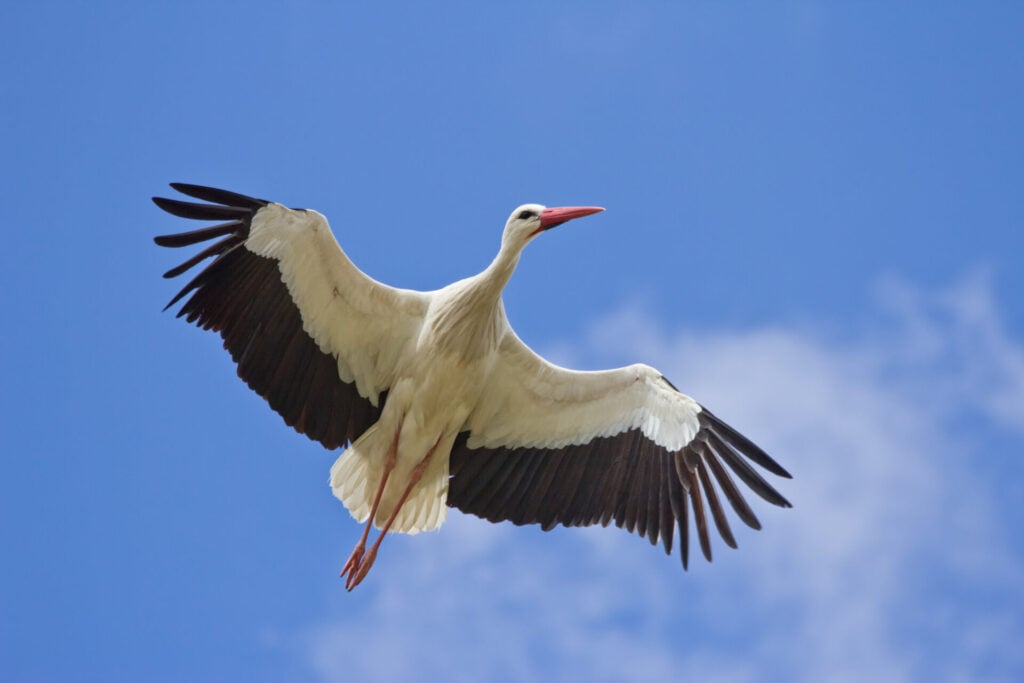
A purpose-built aviary will house the storks, whose chicks will eventually be released to help establish a new breeding population in the area, with nests also providing valuable habitats for smaller birds.
Councillor Dominic Twomey, leader of Barking and Dagenham council, said: ‘After more than six centuries, this project brings an iconic species back to our landscape.
‘It’s about more than wildlife – it’s about giving families, schools, and community groups the chance to be part of something inspiring and hopeful.’