With so-called ‘softer interactions’ with animals, both wild and captive, on the rise, knowing which wildlife encounters genuinely prioritise the well-being of native species can be bewildering. According to WWF’s Responsible Travel Tips, tourists should avoid touching or feeding wildlife unless the facility is certified for animal welfare.
If you’re unsure, the simplest way to ensure your holiday helps rather than harms is to avoid direct interaction altogether, even those that seem harmless, like bathing, petting or feeding
Shark Cage Diving
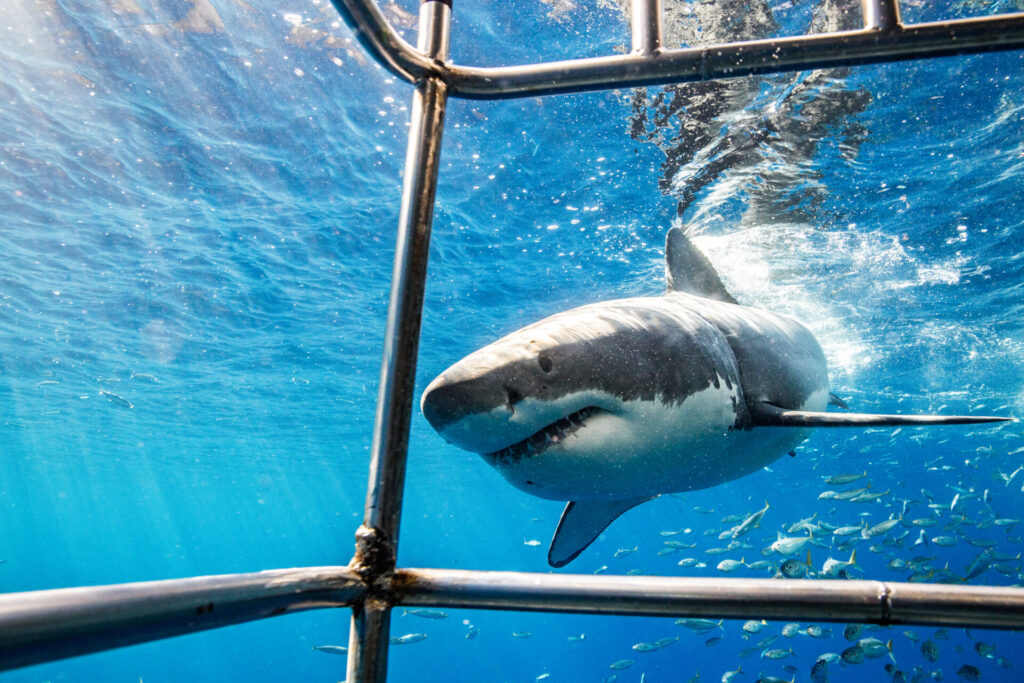
For some snorkellers and scuba divers, being nose-to-nose with one of the oceans’ apex predators is the ultimate underwater experience. Controversial cage diving is normally reserved for great whites; a solitary species lured to masked and caged shark tourists by the scent of bloody fish parts called ‘chum’.
Studies have shown that baiting can alter sharks’ natural behaviours. And marine conservationists caution that it can create an artificial food source reliance that impacts the feeding dynamics of the wider marine food web. Despite the thrill-seeking experience offering no legitimate educational value, shark cage dives remain popular in parts of South Australia and California, as well as hotspots like Hermanus and Gansbaai on South Africa’s Western Cape coast.
Ethical Alternative: Observe sharks (like docile nurse, lemon or basking) non-intrusively underwater, or go one splash further and contribute to shark conservation in Belize as a citizen scientist on an Earthwatch Expedition (earthwatch.org).
Sloth Handling
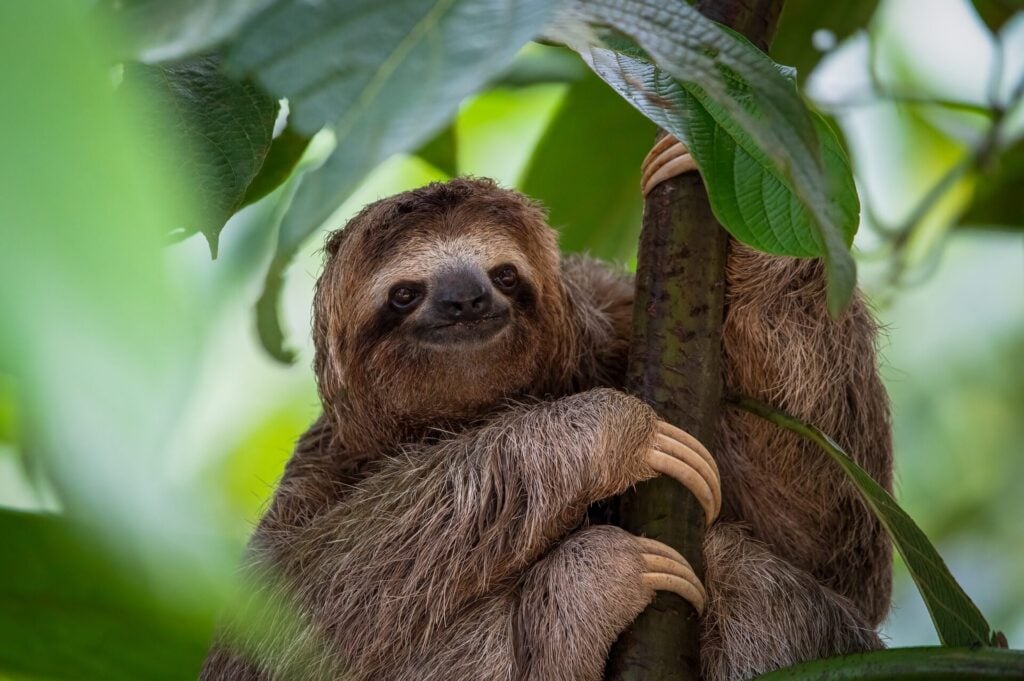
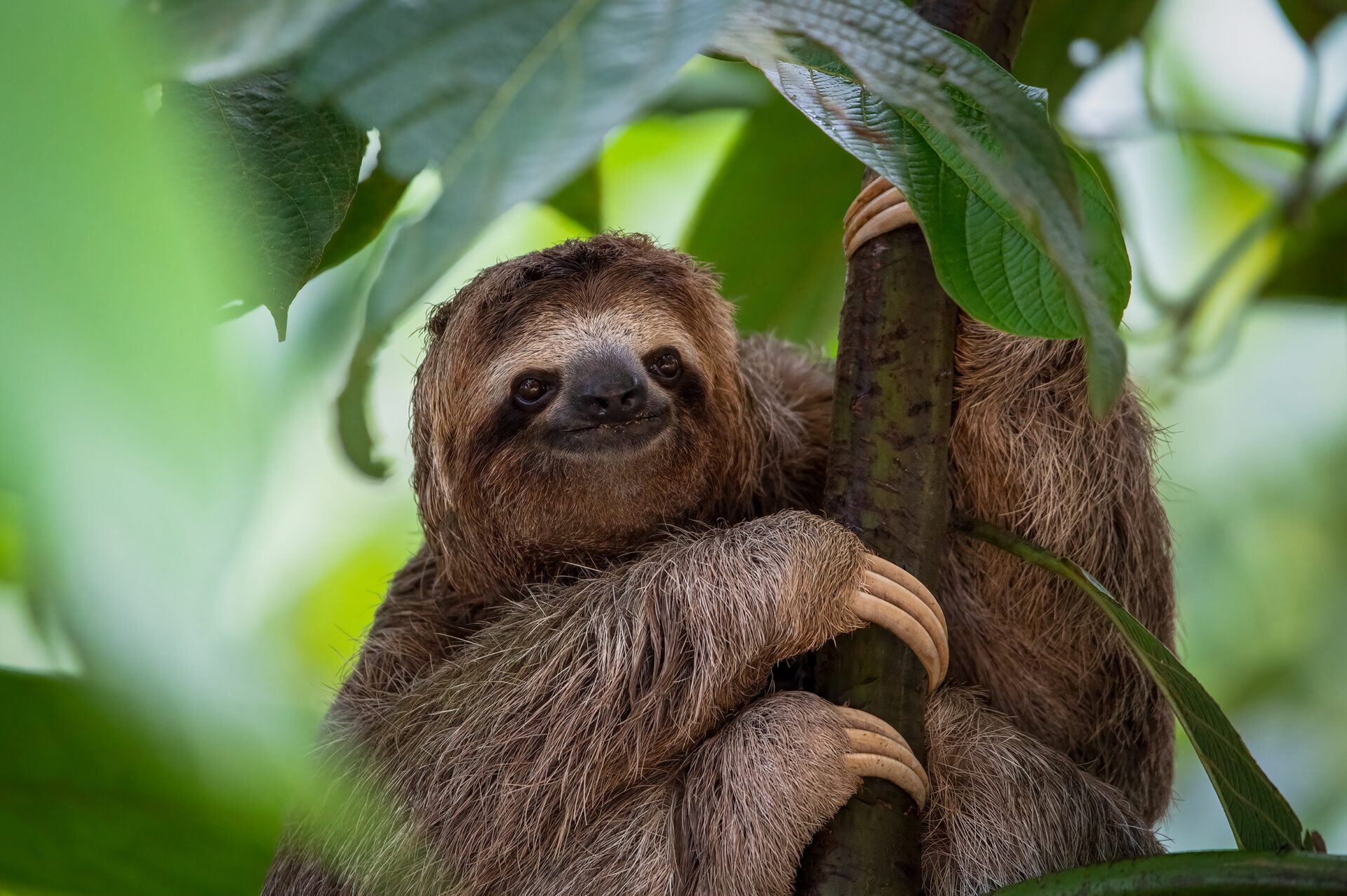
A national symbol of Costa Rica, the slow-moving sloth has become a tragic victim of the wildlife selfie craze that’s fuelling the poaching of baby sloths by illegal loggers in parts of the Amazon. Sham ‘sanctuaries’ and disreputable wildlife tours in regions like Brazil’s Manaus and Peru’s Puerto Alegria have taken to using placid sloths as photo props.
Passed from person to person like toys, these arboreal creatures – who sleep up to 10-hours a day in the wild – are stressed by any kind of touch. Tourists may think the ‘snuggling’ sloth is smiling back at them, unaware that these nocturnal mammals’ mouths naturally turn up, and that their powerful teeth are capable of breaking bones. According to World Animal Protection, petted sloths struggle to survive beyond six-months in captivity.
Ethical Alternative: Treetop-dwelling sloths are notoriously difficult to spot in their natural habitat. For a guaranteed sighting, visit Costa Rica’s 320-acre Sloth Sanctuary in Cahuita, which rescues injured and orphaned sloths.
Starfish Handling
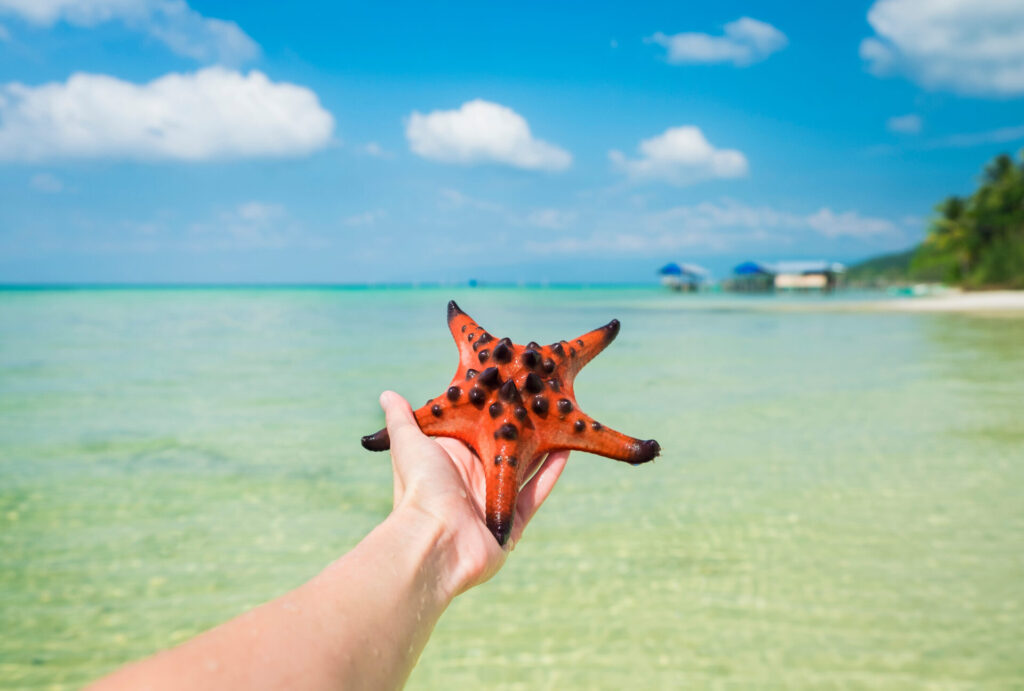
Those pretty Instagram snaps of tourists holding starfish in shallow water come at a serious cost. Starfish breathe through tiny pores on their skin, and removing them from the ocean, even for a few seconds, can cause suffocation, stress, and sometimes death. Handling also stresses their immune systems, making them prone to infection, while natural oils, sunscreen, and bacteria on human hands can burn or sicken these fragile creatures.
Ethical Alternative: Admire starfish where they belong, underwater, without touching. In the Malaysian state of Sabah, authorities this year issued strict warnings that touching starfish could lead to stern consequences. It’s after a viral case of 30 starfish were removed by a paddleboarder, underscoring how seriously such harmful behaviour is viewed.
Civet Coffee
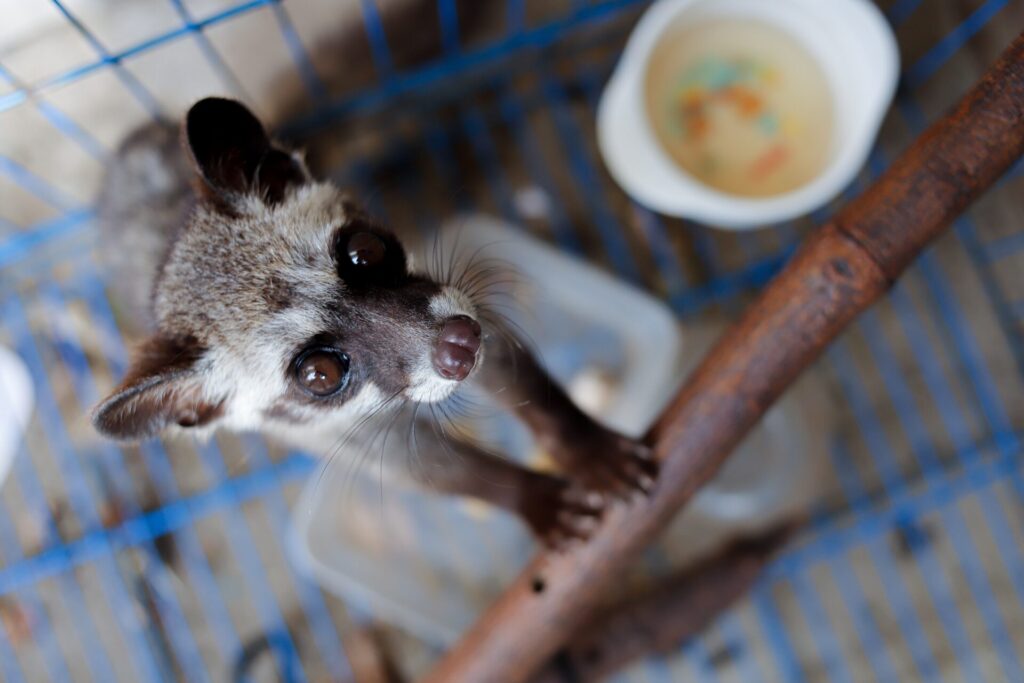
Merely tasting the world’s priciest coffee on a tour of one of Bali’s central highland coffee plantations can make you complicit in animal abuse. Known as Kopi luwak, the novelty brew is made from partially digested coffee beans excreted by the Asian Palm Civet (Luwak). Poached from the wild to be factory-farmed for their faeces, these small, shy and solitary nocturnal mammals have a miserable existence.
Crammed into filthy cages, they’re force-fed caffeine-rich coffee cherries which in the wild constitute just 10 per cent of the luwak’s diet.Undercover reporting by animal rights non-profit PETA has revealed that 80 per cent of kopi luwak that’s labelled ‘wild-harvested’ from the forest floor, is actually from captive civets.
Ethical Alternative: See civets at the Bali Wildlife Rescue Centre, which rehabilitates Indonesian species.
Elephant Bathing
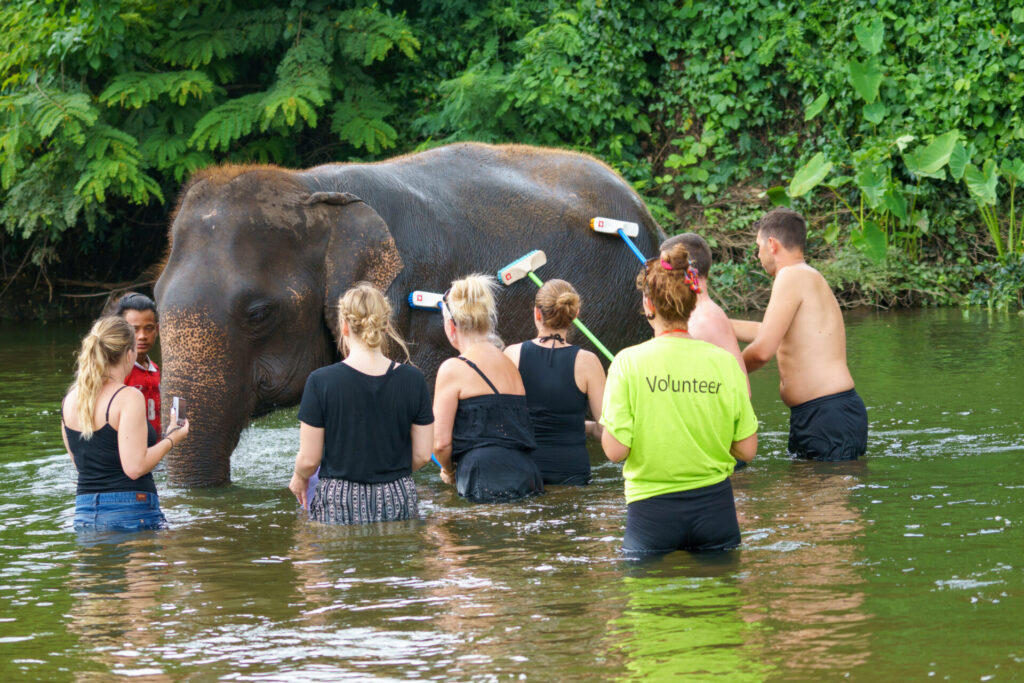
Pouring buckets of water over frolicking eles before slathering them in sun-protective mud may seem harmless, helpful even, but in reality, it’s exploitative. Much like riding, this forced interaction relies on putting chain-bound calves through ‘the crush’: a torturous training which breaks elephants’ wild instinct to make them submissive. Concerningly, ‘washing venues’ in Thailand have increased three-fold over the last five years according to World Animal Protection.
Repeated bathing from hourly tour groups can damage the skin of these gentle giants making them more susceptible to infection. Beyond welfare concerns, elephant bathing can pose real safety risks. In early 2025, a Spanish tourist was tragically killed while bathing an elephant at a Thai sanctuary, highlighting that such seemingly benign interactions can become dangerous on rare, but serious, occasions
Ethical Alternative: The only truly humane elephant encounter is a ‘no-touch’ one. In Chiang Rai, guests of Anantara’s Golden Triangle Elephant Camp & Resort can walk with rescued gentle giants through a protected jungle sanctuary.
Horse-drawn Carriages
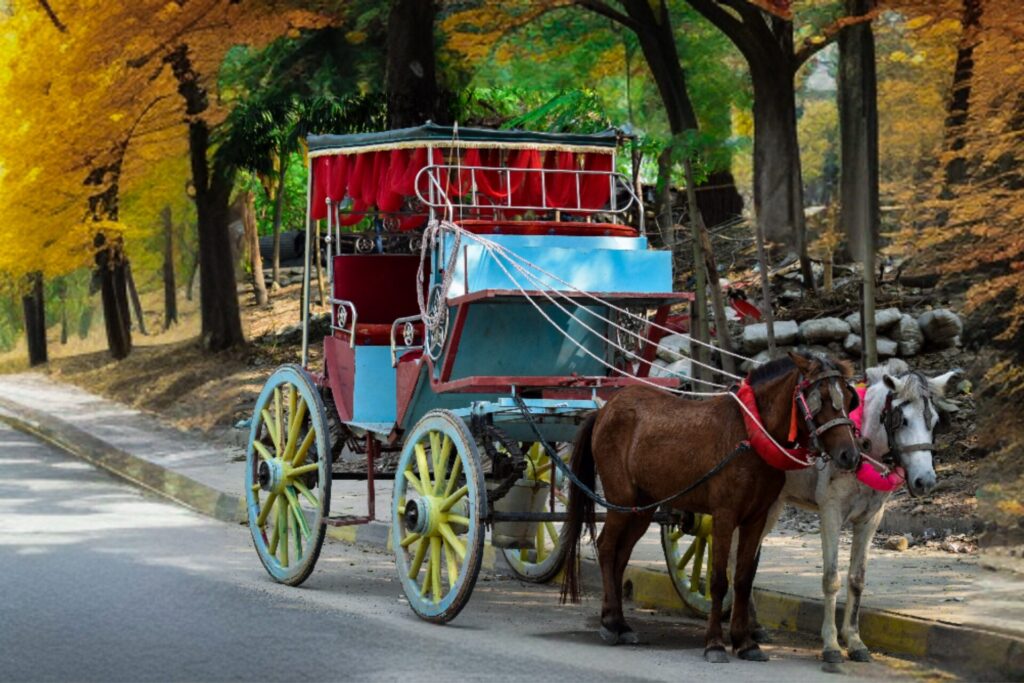
Despite horse-drawn carriage rides breaching the most basic animal welfare, they’re touted as a romantic and nostalgic way for holidaymakers to explore cities like Vienna, New York and Marrakesh. Horses do not belong on traffic-choked streets, where they chance collisions with motorised vehicles, daily. Everything from police sirens to flashing lights can spook and cause these ‘flight animals’ to bolt, whilst toxic exhaust fumes contribute to debilitating respiratory conditions. Carriage ride horses are often forced to pull up to six times their own body weight for up to nine hours a day on cobbles, concrete and asphalt – which can heat up to 15°C more than the air temperature – eventually leading to lameness.
Overworked and overheated – especially during busier summer periods – these sensitive and intelligent animals are vulnerable to heat stroke, that’s only exacerbated by climate change. This August, yet another working carriage mare collapsed and died in Manhattan. Sadly, the cruelty continues off the streets too, with horses more than often stabled in overcrowded, unclean and windowless stalls, with no access to pasture.
Ethical Alternative: Say neigh to horse-drawn carriage rides and tour cities such as NYC and Vienna on more ethical (and clean) modes of transport like e-rickshaws.