

Climate change is no longer a distant concern. Flooding, stronger storms, prolonged heat waves, and wildfires are affecting communities across the world at an alarming rate. These events don’t just test emergency services; they test people, infrastructure, and decision-making under pressure. As the challenges grow more complex, it’s becoming clear that disaster preparedness is not only a technical issue but a leadership one.
You can have early warning systems, response plans, and resources in place, yet still struggle if leadership is unclear or unprepared. Environmental and disaster preparedness today requires people who can think ahead, coordinate across sectors, and make choices about long-term community well-being. Leadership shapes how risks are understood, how plans are made, and how communities recover after disruption.
This shift has changed how disaster preparedness is viewed. It’s no longer just about reacting when something goes wrong; it’s about building resilience before disaster strikes and ensuring that responses are thoughtful, inclusive, and sustainable.
Why Leadership is Central to Disaster Preparedness
Leadership plays its most important role long before an emergency ever happens. Preparedness depends on planning, communication, and coordination across many moving parts. Environmental risks develop over time, and leaders are responsible for identifying them early and guiding communities toward proactive solutions.
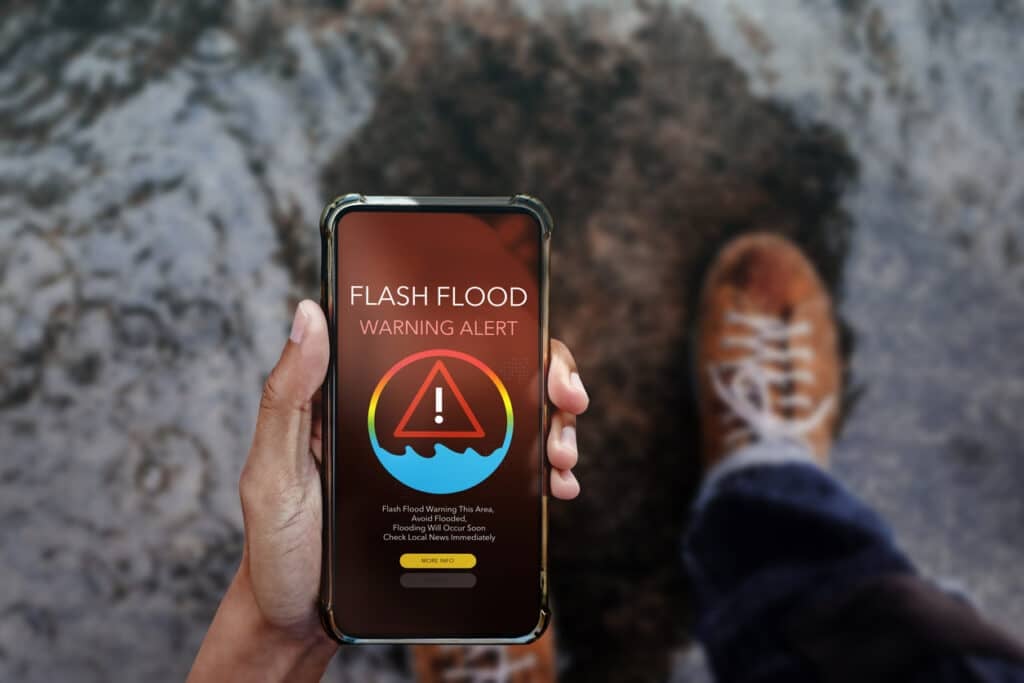
Strong leadership ensures that preparedness plans are not just written documents but living strategies that adapt as conditions change. It also helps communities move away from reactive approaches and toward resilience.
As environmental challenges grow more interconnected, programs like MS DRL help prepare leaders to address disaster resilience from a systems-based perspective. This kind of education focuses on understanding how social, environmental, and organisational factors overlap during disasters, and how leadership decisions influence outcomes before, during, and after an event.
Instead of responding in isolation, trained leaders are better equipped to coordinate efforts, manage uncertainty, and support long-term recovery.
Environmental Challenges Need More Than Emergency Response
Traditional emergency response remains essential, but it’s no longer enough on its own. Environmental catastrophes such as flooding or extreme heat don’t appear overnight. They build gradually, shaped by climate patterns, development decisions, and social conditions.
Effective leadership recognises that disaster preparedness starts with prevention and education. This includes assessing vulnerabilities, investing in mitigation efforts, and ensuring communities understand the risks they face. Leaders who focus only on response miss opportunities to reduce harm before disasters occur.
By shifting attention upstream, leadership helps turn awareness into action. Disaster preparedness becomes part of planning processes rather than a last-minute scramble when conditions worsen.
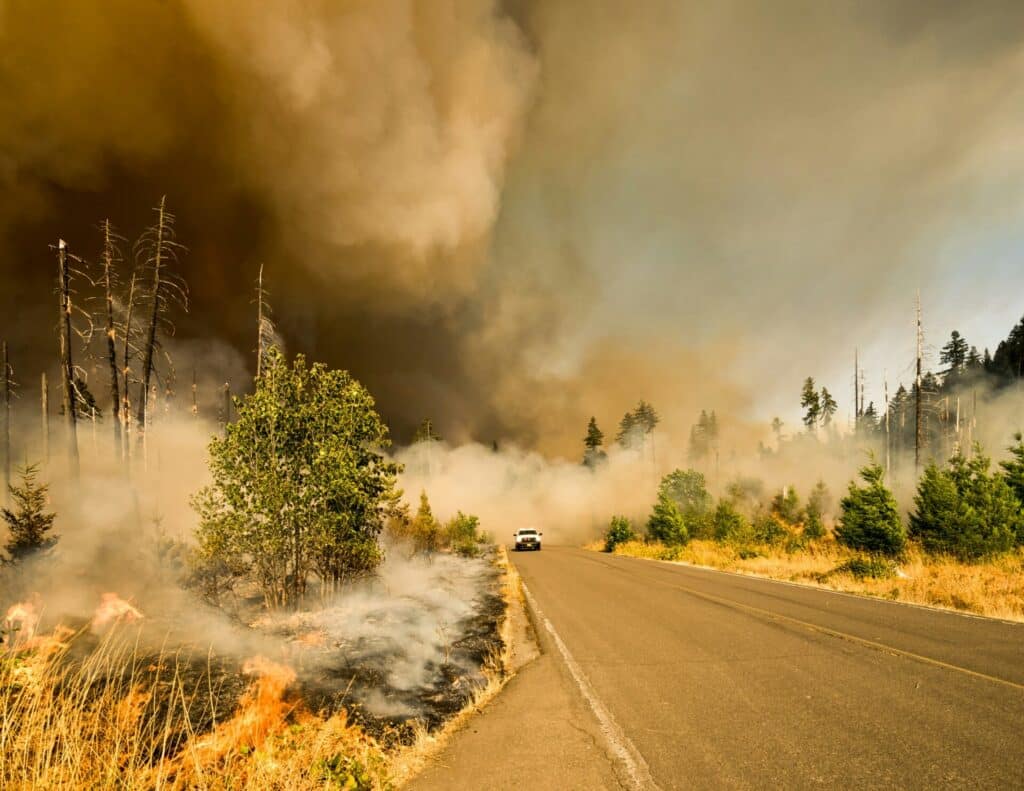
No single organisation can manage disaster preparedness alone. Communities rely on collaboration between local governments, nonprofits, healthcare systems, schools, and residents. Leadership plays a key role in bringing these groups together and aligning their efforts.
Clear communication builds trust, which is essential during emergencies. When people understand who is responsible for what and feel included in planning, responses are smoother and more effective. Leaders help ensure that preparedness efforts reach everyone, not just those with the most resources or visibility.
Inclusive leadership also recognises that different groups face different risks. Addressing these differences openly strengthens community resilience and reduces the long-term impact of disasters.
Ethical Decision-Making During Environmental Crises
Disasters often force difficult choices. Resources may be limited, time is short, and decisions can have lasting consequences. Leadership in these moments carries an ethical responsibility to protect the most vulnerable while balancing broader community needs.
Preparation helps leaders make more thoughtful decisions. When ethical frameworks are built into planning, leaders are less likely to rely solely on instinct, and communities are more likely to cooperate when they trust that decisions are made fairly.

Environmental and disaster challenges rarely exist in isolation. A flood affects housing, transportation, healthcare, and employment simultaneously. Systems thinking helps leaders understand these connections and avoid solutions that fix one problem while creating another. Instead, it considers how decisions ripple across communities and supports more sustainable solutions that reduce the risk of repeated crises.
Education as a Foundation for Resilient Leadership
Leadership in disaster preparedness is not something most people learn through experience alone. It requires training, reflection, and exposure to real-world challenges.
Through education, leaders develop skills in planning, coordination, and evaluation and how to interpret risk data, engage communities, and manage complex responses. This preparation helps leaders act with confidence rather than uncertainty.
Education also creates a shared language among professionals working in preparedness, making collaboration easier and more effective during high-pressure situations.

Every disaster leaves behind lessons. Effective leadership involves taking time to reflect on what worked, what didn’t, and why. This learning process strengthens future preparedness and reduces the likelihood of repeating mistakes.
Leaders who value reflection encourage open discussion and continuous improvement. Instead of assigning blame, they focus on adaptation. This mindset supports resilience not just in systems, but in people as well.
Building Long-Term Resilience Beyond Recovery
Leadership focused solely on rebuilding what was lost may overlook opportunities to create stronger, more sustainable communities. Resilient leadership considers how rebuilding can reduce future risks, support environmental balance, and improve quality of life. This might involve changes in land use, infrastructure design, or community engagement.
Environmental uncertainty is likely to remain a defining feature of the future. How communities prepare for and respond to that uncertainty depends largely on leadership. Preparedness is not just about plans and resources. It’s about people who can guide others through complexity with clarity, ethics, and purpose. Leadership shapes how risks are understood, how responses are coordinated, and how recovery leads to resilience rather than repetition.