
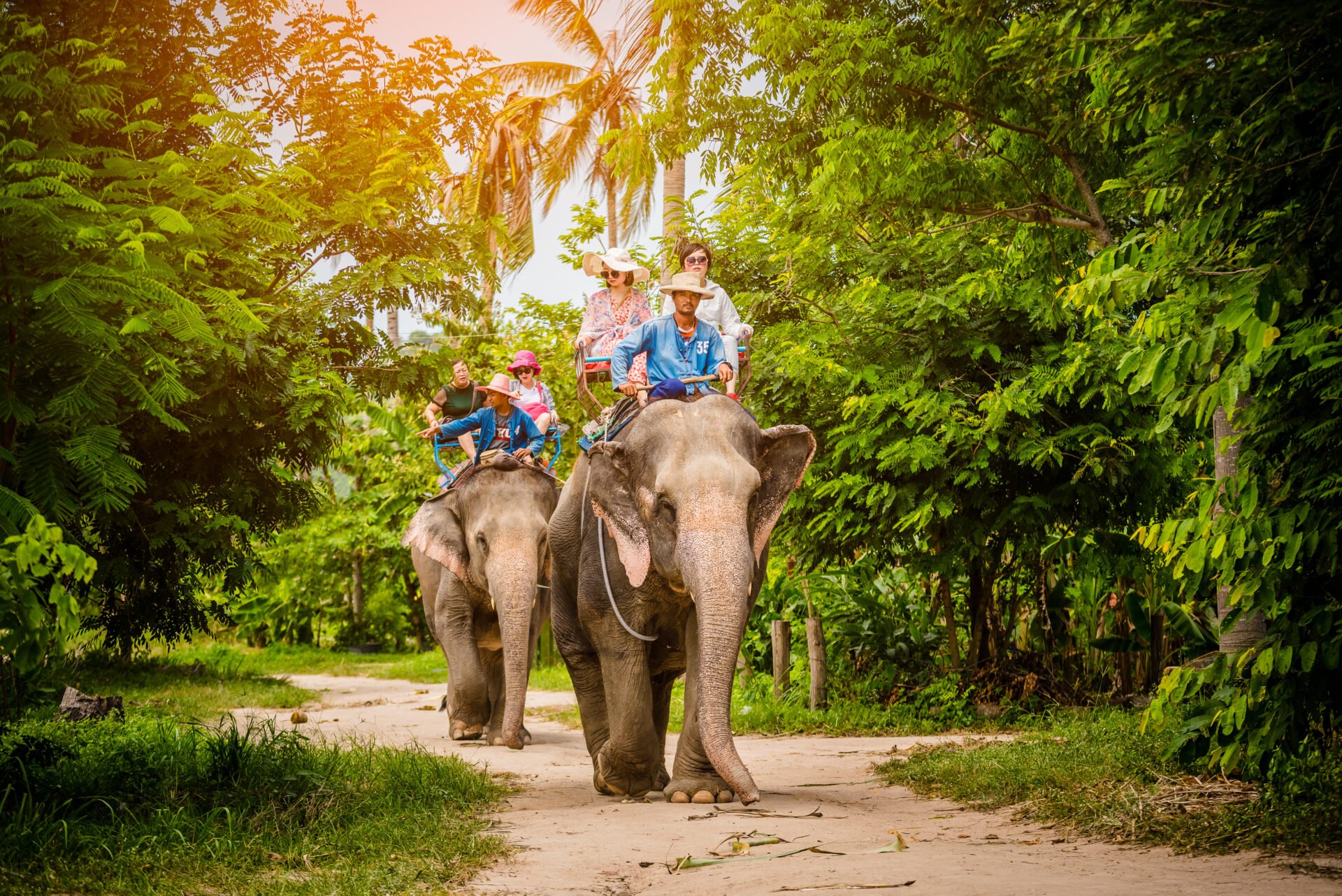
Indonesia has officially banned tourists from riding elephants, a major victory for animal welfare.
Centres that previously offered the rides are being directed to shift toward ethical, observation-based experiences and any who fail to comply risk having their government operating permits revoked.
Indonesia’s Ministry of Forestry’s Directorate General of Natural Resources and Ecosystem Conservation issued the directive formally ending elephant riding at all conservation and tourism facilities across the country.
‘We congratulate the Indonesian Government on taking this world-leading step to safeguarding the dignity of wild animals,’ said Suzanne Milthorpe, head of campaigns for World Animal Protection (WAP).
‘The ending of elephant rides in Indonesia sends a strong signal to the wider tourism industry that we’re entering a new chapter of more responsible wildlife tourism.
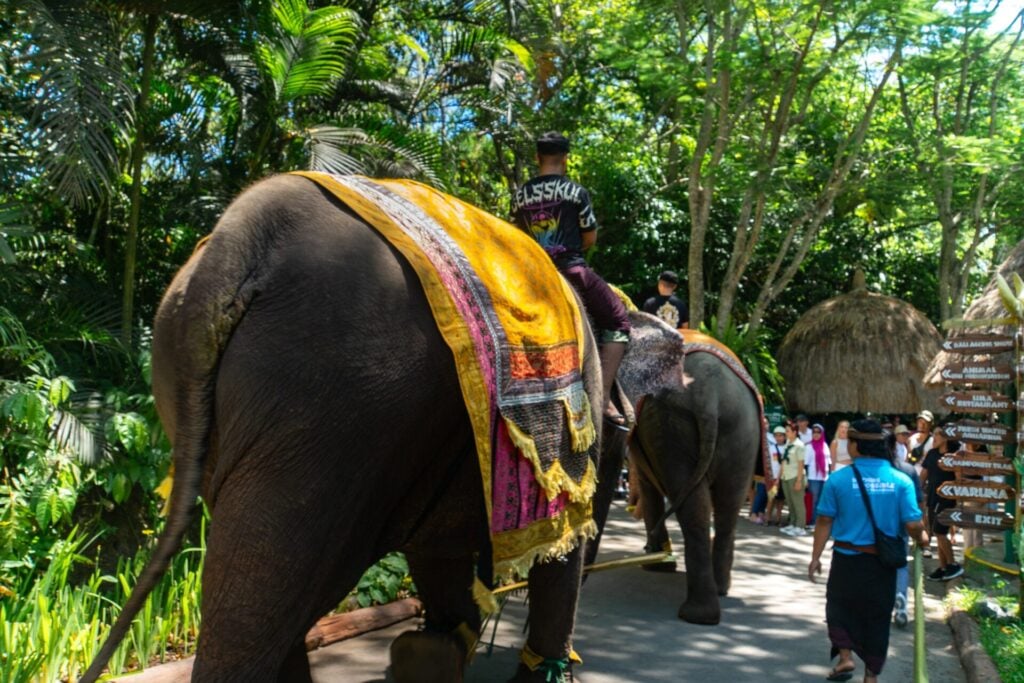
Indonesia’s Cruel Tourism Trade
WAP and other animal rights organisations, such as PETA, have issued numerous reports over the years detailing harmful treatment and training practices behind elephant rides. These tactics have ranged from physical abuse to the withholding of food and veterinary care.
‘Elephants are too often on the losing end of the tourism industry,’ President of PETA Asia Jason Baker said.
‘PETA investigations have found elephants routinely chained and beaten with sharp bull-hooks to force them to obey for tourist rides, while babies are frequently subjected to brutal training methods designed to break their spirits.
‘We now urge Nepal, Thailand, India, and other countries to follow Indonesia’s lead, and we call on travel agencies worldwide to stop selling packages that include elephant rides anywhere in the world.’
WAP issued a statement saying that it is important that harmful practices are not simply replaced with new ones.
The group explained: ‘Elephant bathing, feeding, circus-style shows and close-up encounters may look kinder, but they still involve control and restraint and continue to cause suffering.
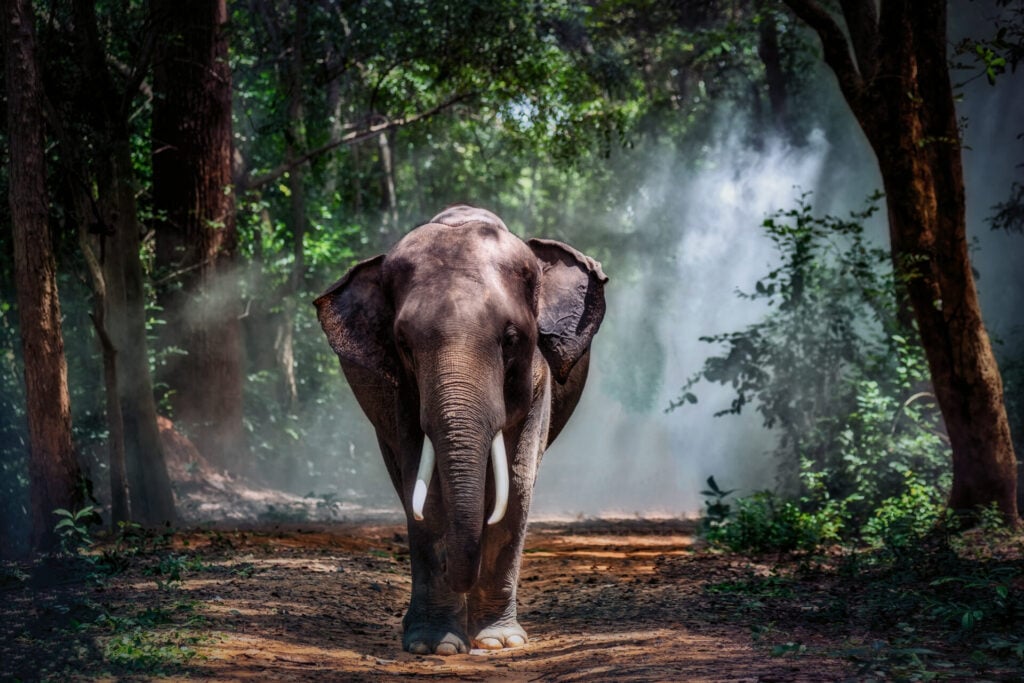
‘A genuine welfare-first future for elephants means observation-only experiences, where animals are given space, autonomy and the opportunity to express natural behaviours. For most elephants currently held in captivity, release back into the wild is not possible, so a transition to high-welfare, observation-only venues is the best option.’