You don’t have to live through a wildfire, flood or heatwave to feel overwhelmed by climate change. For many people, climate anxiety arrives through news alerts, conversations with children, late-night scrolling, or a growing sense that the future feels uncertain in a way it didn’t before.
Once considered a niche or emerging concept, climate anxiety is now firmly mainstream. A 2021 global study published in The Lancet found that nearly 60 per cent of young people feel very or extremely worried about climate change, while more than 45 per cent say it affects their daily life and functioning. Among adults, therapists report sharp rises in climate-related stress, grief and burnout, not just by those directly affected, but by people watching it unfold from afar.
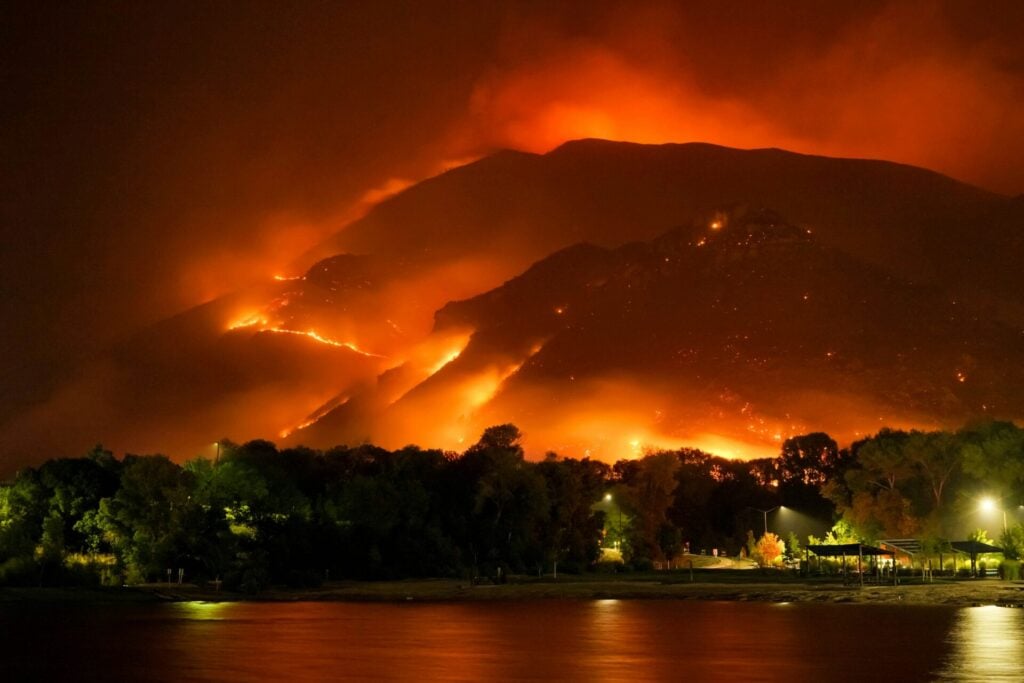
And those events feel increasingly close to home. Record-breaking heatwaves across Europe. Wildfires sweeping through Greece, Spain and California. Catastrophic floods in Asia, Germany and Italy. Storms and flooding hitting parts of the UK once considered ‘safe’. Climate change is no longer a distant threat affecting other places; it is happening across landscapes many of us know.
Against this backdrop, it’s hardly surprising that more people are feeling overwhelmed. Yet many still hesitate to name what they’re experiencing, unsure whether their anxiety is justified or whether they should simply ‘cope better’.
In psychology, anxiety is usually a signal that we’re perceiving danger or uncertainty, and with climate change, that signal is coming from our awareness of what’s happening in the world, not from something going wrong inside us’
Dr Thomas Doherty, Environmental Psychologist and author
According to Dr Thomas Doherty, an environmental psychologist and author of Surviving Climate Anxiety – A Guide to Coping, Healing and Thriving, who has spent over 15 years studying the mental health impacts of climate change, hesitation is part of the problem.
‘Climate anxiety is not a disorder,’ he explains. ‘It’s a response. It’s the sign that something you care about — your family, your home, the places and ecosystems that matter to you — feels under threat. In psychology, anxiety is usually a signal that we’re perceiving danger or uncertainty, and with climate change, that signal is coming from our awareness of what’s happening in the world, not from something going wrong inside us.’
So what exactly is climate anxiety?
Climate anxiety, also called eco-anxiety, refers to the chronic fear, grief or distress associated with environmental breakdown and climate change. It can manifest in different ways: persistent worry about the future, sadness over damaged landscapes or species loss, anger at political inaction, or a sense of helplessness when trying to imagine what lies ahead.
Crucially, Doherty stresses that this climate anxiety doesn’t require personal exposure to disaster. ‘One of the unique things about climate change,’ he says, ‘is that you can experience its psychological effects even when you are physically safe.’
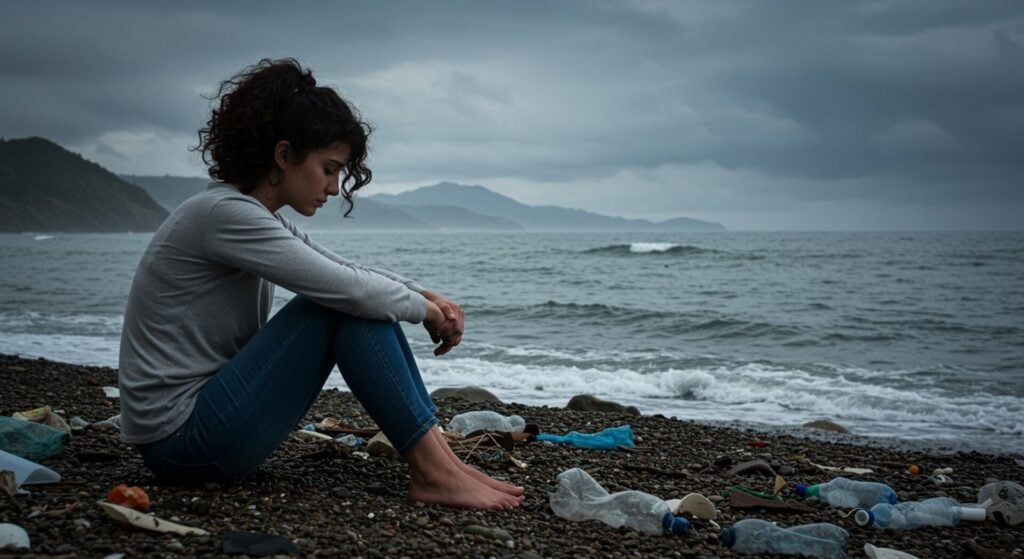
In earlier decades, mental health research focused largely on trauma caused by direct events — floods, fires, hurricanes. Doherty’s work helped identify something different: the emotional toll of anticipation. Knowing what is coming, witnessing its progression, and feeling powerless to stop it can be deeply destabilising.
‘That anticipatory grief – the sense of loss before something is fully gone – is very real,’ he explains. ‘It’s what happens when people begin to emotionally register what climate change threatens to take away, and it’s becoming increasingly common.’
‘That anticipatory grief – the sense of loss before something is fully gone – is very real. It’s what happens when people begin to emotionally register what climate change threatens to take away’
Dr Thomas Doherty, Environmental Psychologist and author
Not everyone experiences climate anxiety in the same way. Some people appear relatively untroubled, while others feel it acutely. According to Doherty, a key factor lies in something many of us have never been taught to name: environmental identity.
‘We all have multiple identities — cultural, familial, professional,’ he says. ‘Environmental identity is your sense of who you are in relation to the natural world.’
That identity is shaped early. Childhood landscapes, time spent outdoors, grandparents’ gardens, pets, forests, beaches, farms, even the climate of the place you grew up – all of these form part of how we understand ourselves in relation to nature. For people with a strong environmental identity, damage to ecosystems can feel personal.
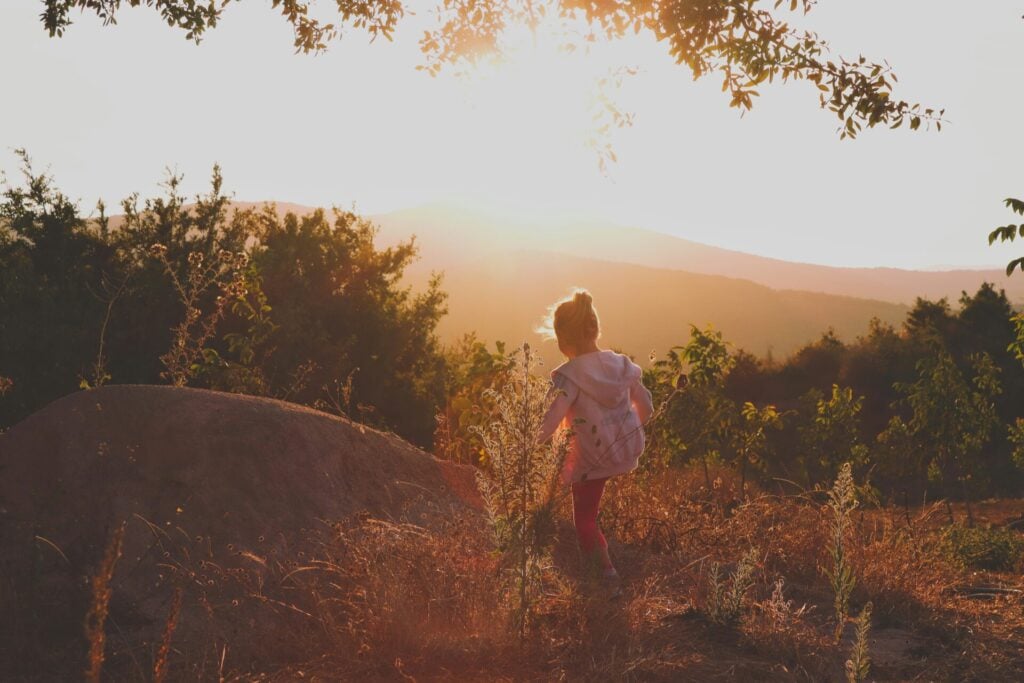
‘There’s a simple idea in psychology,’ Doherty explains. ‘We hurt where we care.’
This doesn’t mean those people are fragile. In fact, it often means the opposite. A deep connection to nature can bring joy, meaning and resilience, but it also opens the door to grief when what we love feels threatened.
A framework for coping — without switching off
In his therapeutic work, Doherty often returns to a deceptively simple framework: validate, elevate, create. It’s not a quick fix, but a way of staying emotionally engaged without becoming overwhelmed.
That reaction is totally normal and totally healthy. The problem isn’t the anxiety; it’s when people feel ashamed of it or think they’re broken because they’re having a human response to what’s happening in the world
Dr Thomas Doherty, Environmental Psychologist and author
Validation comes first. For many people, climate anxiety is compounded by the belief that they shouldn’t be feeling this way — that they’re overreacting, catastrophising or failing to cope.
‘How could you not feel overwhelmed at times?’ Doherty says. ‘I get overwhelmed myself. I don’t know how anyone paying attention could avoid it. That reaction is totally normal, totally sane, totally healthy. The problem isn’t the anxiety — it’s when people feel ashamed of it, or think they’re broken because they’re having a human response to what’s happening in the world.’
Rather than trying to push those feelings away, Doherty argues that acknowledging them openly is the first step towards resilience. When anxiety is validated, it often loses some of its intensity.
The second step, elevation, is about allowing environmental concern to take up space, rather than constantly relegating it behind work, productivity or everyday pressures.
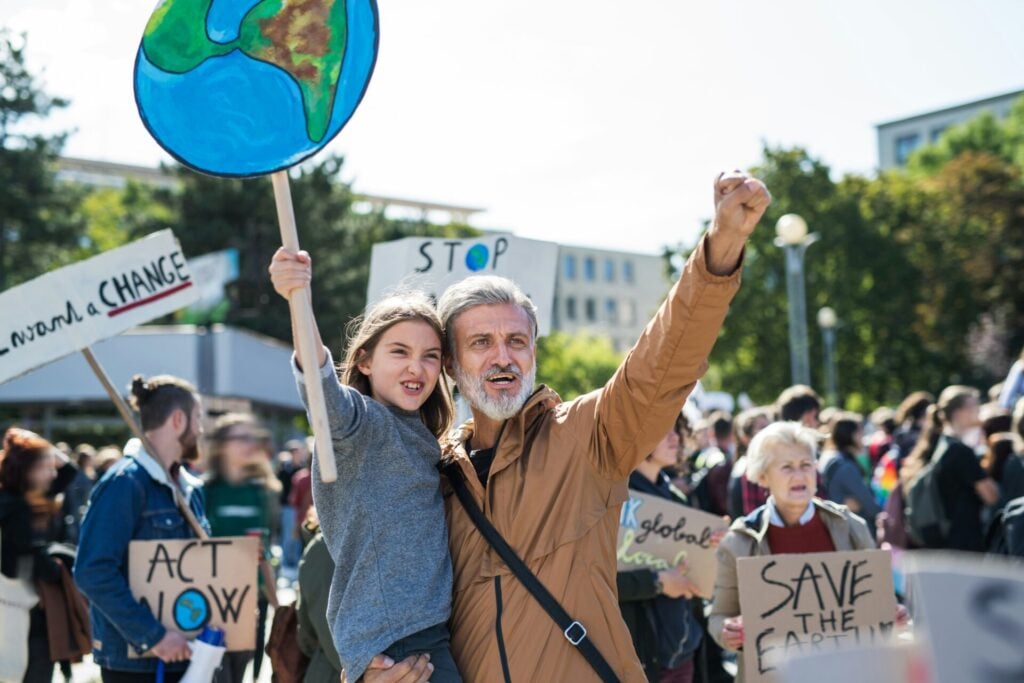
‘For most people, their concerns about nature and the environment are always treated as secondary,’ he explains. ‘They’re pushed aside in favour of economic goals, deadlines, or what we’re told matters more. But for many people, these concerns are actually central to their values. So part of the work is saying: no, this matters. Let’s stay with it. Let’s make it important.’
This is where climate anxiety shifts from something to be managed quietly into something that deserves attention and care.
Creation, the final stage, is where movement begins. Doherty emphasises that anxiety and grief narrow our emotional and sensory world, pulling us into a tight loop of threat and fear. Creativity, in its broadest sense, helps loosen that grip.
‘They’re pushed aside in favour of economic goals, deadlines, or what we’re told matters more. But for many people, these [climate] concerns are actually central to their values. So part of the work is saying, “No, this matters.” Let’s stay with it. Let’s make it important’
Dr Thomas Doherty, Environmental Psychologist and author
‘When we’re anxious or grieving, our focus becomes very narrow,’ he says. ‘We’re slumped, we’re tense, we’re scanning for danger. Creativity opens the senses again — literally and metaphorically. It might be art, music, gardening, writing, or conversation. It doesn’t matter what form it takes. What matters is that it introduces some positive emotional energy and helps us relate to these issues in a fuller, more human way.’
Over time, this process can become something people practise for themselves, a way of responding when troubling news resurfaces, rather than being knocked off balance every time it does.
Talking to children without passing on the fear
For parents, climate anxiety often sharpens when children begin asking questions. Conversations about melting ice caps, endangered animals or extreme weather can feel impossibly heavy when they’re coming from a six-year-old.

Doherty is careful here. Honesty matters, he says, but so does containment.
‘Children shouldn’t feel they have to carry this on their own, and they certainly shouldn’t feel they’re leading the adults,’ he explains. ‘What really helps is when children know that the grown-ups around them understand what’s happening, take it seriously, and are doing the best they can. That creates a sense of safety.’
Rather than striving for perfection, he encourages families to focus on modelling calm, engaged behaviour: spending time outdoors, caring for plants or animals, talking openly but age-appropriately, and showing that concern doesn’t have to mean panic.
‘What really helps is when children know that the grown-ups around them understand what’s happening, take it seriously, and are doing the best they can. That creates a sense of safety’
‘If parents don’t yet have a sense of their own environmental identity, then that’s their work to do,’ he says. ‘Because children are born into an environmental identity shaped by their family. When adults do that work themselves, they create a container in which children can develop their own relationship with nature without being overwhelmed by fear.’
In this way, climate awareness becomes something shared and held collectively not a burden placed on young shoulders.
And if those closest to you don’t share your concern?
One of the most emotionally draining aspects of climate anxiety can be relational particularly when partners, family members or close friends are dismissive, indifferent or openly in denial.
Doherty’s response is unexpectedly freeing: stop investing so much energy in trying to persuade the most resistant people in your life.
‘When someone tells me they don’t care about climate change, I don’t hear that as indifference,’ he says. ‘It tells me they believe in something else even more strongly. So instead of trying to change them, I get curious about what that is.’
At the same time, he urges people to be strategic with their emotional energy.
‘In most countries, around 90 per cent of people care about climate change to some degree,’ he explains. ‘So don’t spend all your time arguing with the ten per cent who are the most recalcitrant. That’s a thankless task. Spend your time with people who share your values, because connection is what actually protects mental health.’
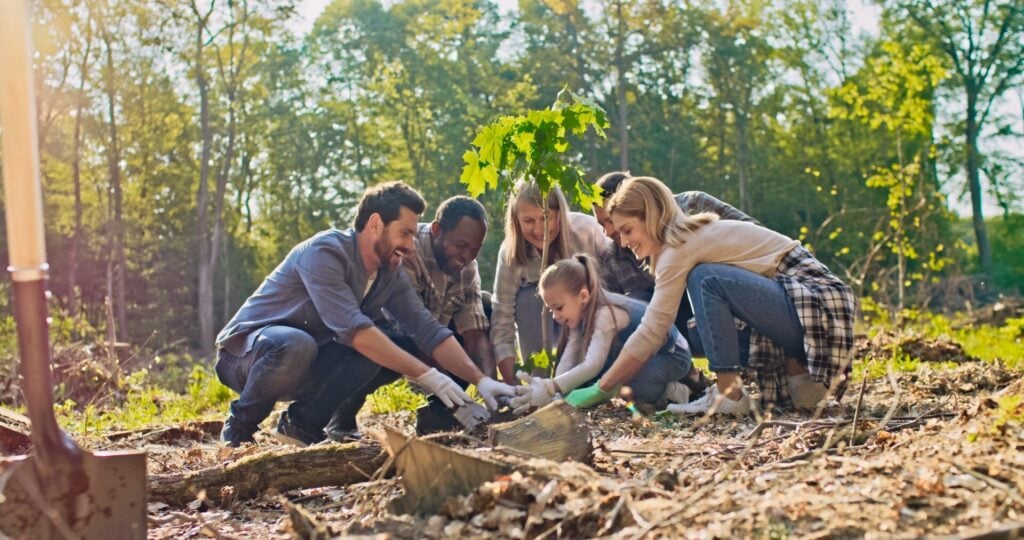
Isolation, he adds, is one of the strongest predictors of distress. Community, whether through friendships, shared interests or collective action, is one of the most powerful antidotes.
Ultimately, surviving climate anxiety isn’t about becoming numb, nor about carrying the weight of the world on your shoulders. It’s about learning how to live ethically, emotionally and relationally in a changing world, without burning out.
‘The goal isn’t to eliminate anxiety,’ Doherty says. ‘It’s to understand it, work with it, and recognise it as part of a cycle. You engage with the world, you get stressed, you come back to yourself, and then you re-enter again. That’s just what it means to be alive and paying attention right now.’
Dr Thomas Doherty is an environmental psychologist and a leading expert on climate anxiety. He is the author of Surviving Climate Anxiety.