
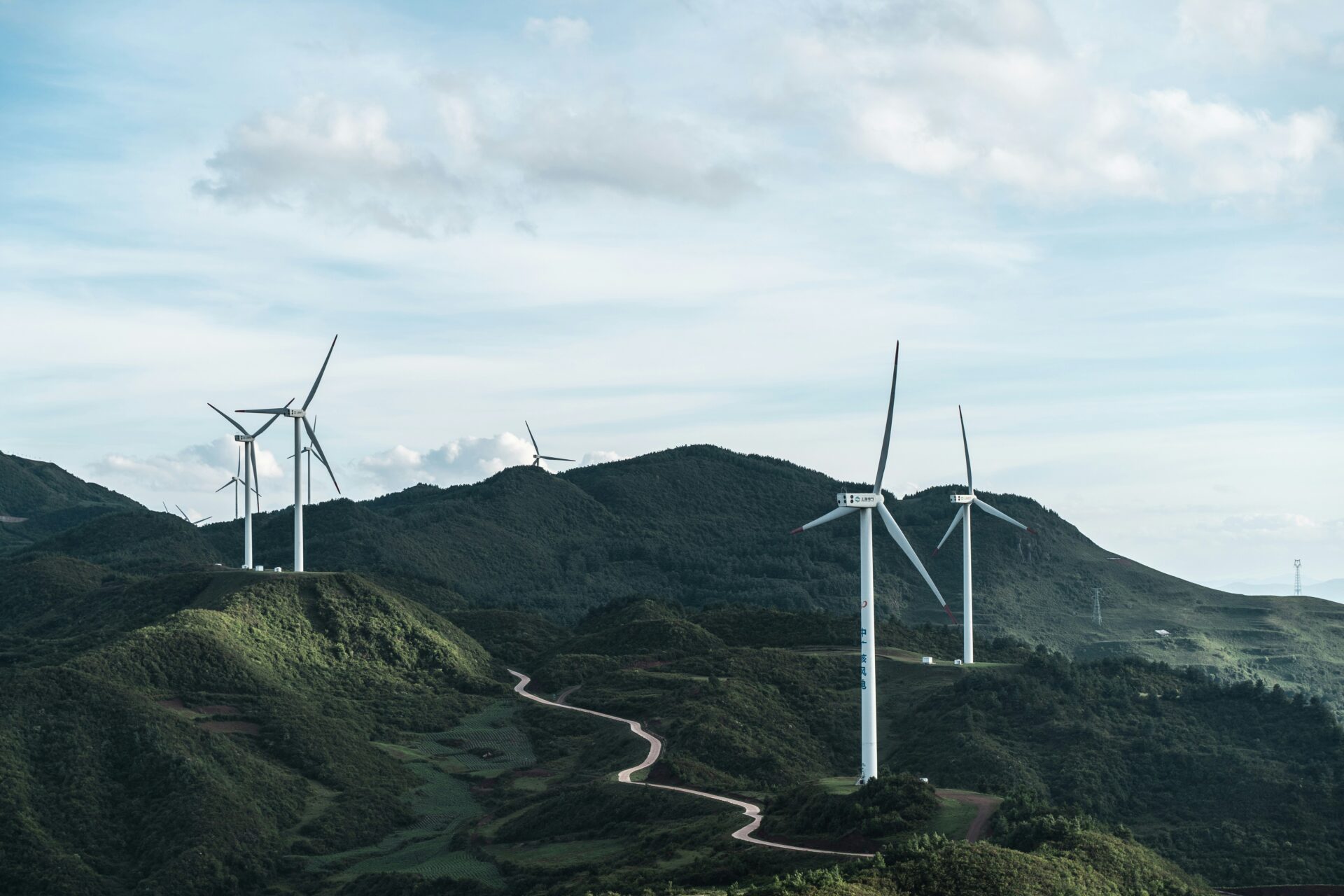
China’s carbon dioxide emissions have plateaued or fallen for almost two consecutive years, a significant development in the fight against global warming.
Solar power, electric vehicles and other clean-energy technologies were responsible for more than a third of China’s economic growth in 2025, and accounted for over 90 per cent of the increase in investment.
Carbon emissions dropped by one per cent year-on-year in the final quarter of 2025 and are estimated to have edged down by around 0.3 per cent across the year overall. That leaves them slightly below the record high in early 2024, when China’s emissions peaked.
China’s clean-energy sectors nearly doubled in real value between 2022-25 and, if they were a country, would now be the eighth-largest economy in the world.
The figures come from new analysis by the Centre for Research on Energy and Clean Air for Carbon Brief, which tracks monthly energy production, fuel use, and industrial output to estimate near real-time emissions trends.
This study, based on official figures, industry data, and analyst reports, shows that China’s clean-energy sectors nearly doubled in real value between 2022-25 and, if they were a country, would now be the eighth-largest economy in the world.
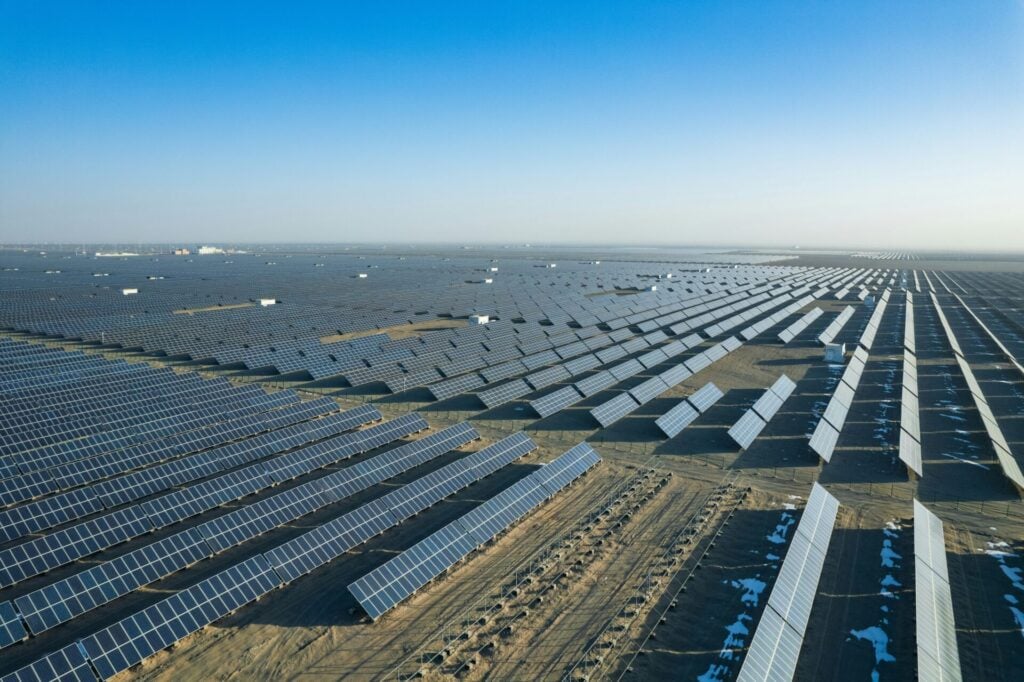
This is equivalent to the entire output of Brazil or Canada or the US state of California.
Has China’s Carbon Peak Already Happened?
The decline in emissions is the longest such stretch on record that has not been driven by an economic slowdown in China, the world’s largest generator of carbon dioxide.
‘I think it’s clear that emissions have plateaued, but there is a question mark about the next couple of years since the government is officially only targeting a peak in coal consumption around 2027, and in general even a plateau means there could be year-to-year ups and downs due to seasonal factors,’ Lauri Myllyvirta, the centre’s lead analyst, told The Indepedent.
The stabilisation has come despite continued growth in electricity demand. Power consumption rose by 520 terawatt hours (TWh) in 2025.
However, new clean-energy generation more than offset that rise in demand. Solar output jumped 43 per cent year-on-year, wind power increased by 14 per cent and nuclear by eight per cent, together delivering around 530TWh of additional electricity, slightly exceeding the total growth in consumption.
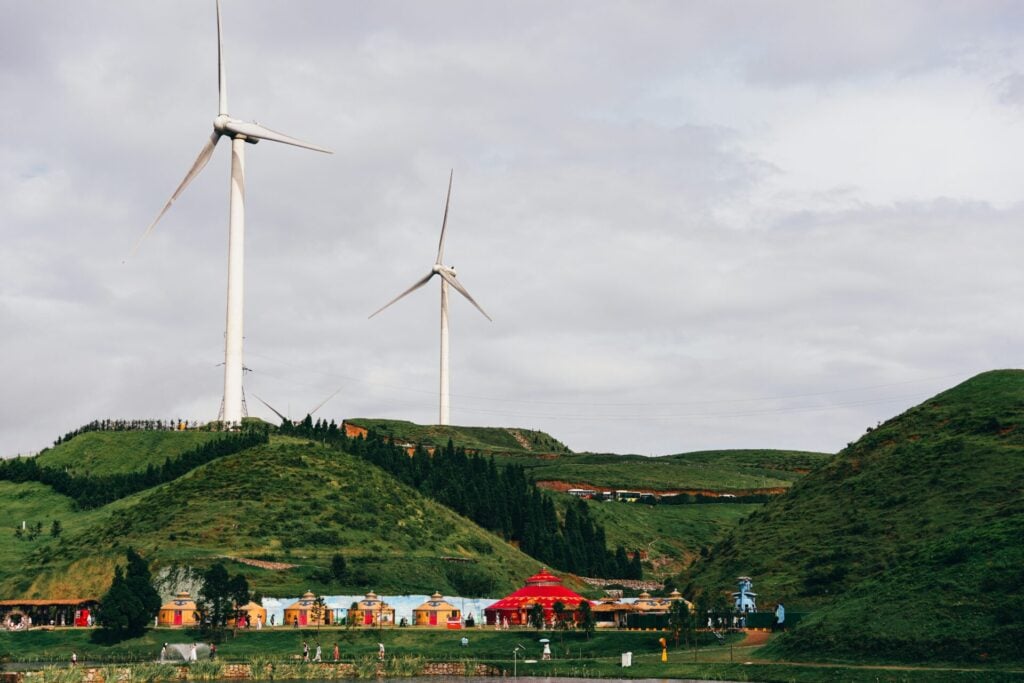
As a result, coal-fired generation fell by 1.9 per cent and overall power-sector emissions dropped by 1.5 per cent.
Emissions from transport sources declined by three per cent, while cement and other building materials fell by seven per cent. Metals also recorded a three per cent decline.
Myllyvirta said: ‘Rapid growth in clean energy and electrified transport are the key factor. Declining demand for cement and steel is also significant, and the drop in steel emissions should accelerate if the structural shift to more recycled steel and electric arc steelmaking happens as targeted.’
Energy storage also reached a turning point. China installed 75GW of new storage capacity in 2025, while peak demand rose by 55GW. For the first time, storage growth exceeded the increase in peak demand, a development that could reduce reliance on new coal and gas plants during periods of high usage.
Whether the current plateau becomes a sustained decline will depend largely on decisions in the next five-year plan, which is due next month.
Myllyvirta said: ‘Since policymakers do not appear ready to commit to cutting emissions over the next five years, the most important thing would be removing barriers to continued growth in clean energy, especially making the operation of power grids and coal power plants more flexible and using energy storage to accommodate much higher shares of solar and wind in the grid.
‘It will also be necessary to start limiting the growth of coal power capacity.’
While Chinese President Xi Jinping didn’t attend the UN’s climate conference in Brazil, COP30, a Chinese delegation was present for the talks.
COP30 President André Corrêa do Lago has now praised the country for its climate commitments.
‘China is coming up with solutions that are for everyone, not just China,’ he said. ‘Solar panels are cheaper, they’re so competitive that they are everywhere now. If you’re thinking of climate change, this is good.’
China’s official position remains that carbon dioxide emissions will peak ‘before 2030’.