
What touches a baby’s skin matters more than most of us realise and not everything in their wardrobe is as harmless as it looks. In a world of hyper-speed fashion cycles and next-day deliveries, the baby clothes we wrap around our children are rarely questioned. Soft? Yes. Cute? Of course. But are they safe, ethical, and sustainable?
In 2025, Greenpeace released a report that should make every parent pause. After testing 56 garments from ultra-fast-fashion giant SHEIN, researchers found that 32 per cent of garments contained hazardous chemicals exceeding EU safety limits, including children’s clothing. Among the substances identified were:
- Phthalates – linked to impaired development
- PFAS – associated with cancer and persistence in the environment
- Heavy metals such as lead and cadmium – harmful to brain development
- Formaldehyde – a skin irritant and potential carcinogen
These chemicals don’t just sit in the fabric of baby clothes. Infants can absorb them through their skin, inhale them, or ingest them simply by doing what babies do: touching, chewing and exploring. At a stage when their bodies are still developing, that matters.
Baby clothes for sensitive skin
The problem is, most baby clothes don’t raise red flags. They’re often labelled as ‘natural’ or ‘safe’. But those words aren’t always regulated, and they don’t necessarily reflect how a fabric has been produced or treated.
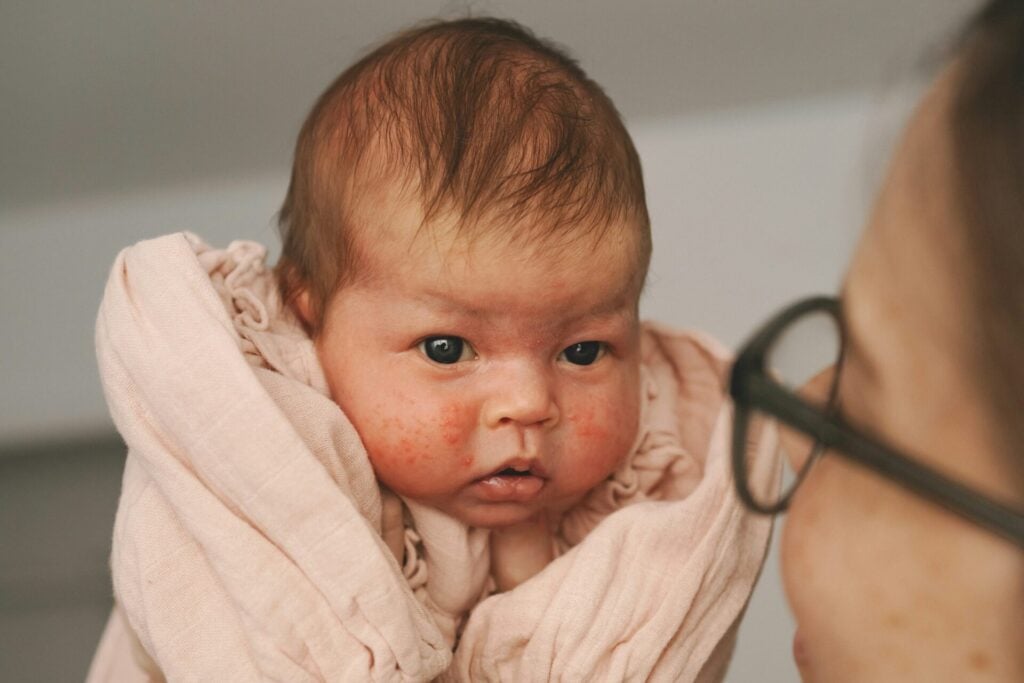
Babies are also far more vulnerable than adults. Their skin is thinner and more permeable, meaning substances can pass through more easily. Their immune systems are still developing, so even something as simple as a synthetic fabric that traps heat and moisture, or clothing treated with harsh dyes, can contribute to irritation, overheating or eczema flare-ups.
Most baby clothes don’t raise red flags. They’re often labelled as ‘natural’ or ‘safe’. But those words aren’t always regulated, and they don’t necessarily reflect how a fabric has been made
The choice of material matters.
Natural fibres like organic cotton, muslin, linen and TENCEL™ tend to be more breathable, allowing heat to escape and moisture to evaporate. This helps regulate a baby’s temperature and reduces irritation. However, baby clothes made from synthetic fabrics like polyester can trap heat and moisture against their sensitive skin.
But even here, the picture isn’t always straightforward. Cotton, for example, is often seen as a safe default. Yet conventional cotton is one of the most chemically intensive crops in the world, relying heavily on pesticides and processing treatments. Bamboo, another popular ‘eco’ fabric, is frequently marketed as sustainable but, in many cases, is chemically processed into viscose unless its tightly controlled.
That’s where certifications begin to play a role. Standards such as GOTS (Global Organic Textile Standard) help ensure that fibres are grown without harmful chemicals and processed under strict environmental and social criteria. OEKO-TEX® Standard 100 focuses on the finished product, testing fabrics for the presence of harmful substances. Together, they offer a clearer benchmark in a space where marketing language often outpaces regulation.
The same systems that produce ultra-cheap adult clothing are often responsible for children’s ranges too, meaning the most vulnerable consumers are exposed to the same risks
And that matters, because fast fashion continues to prioritise speed and scale over transparency. The same systems that produce ultra-cheap adult clothing are often responsible for children’s ranges too, meaning the most vulnerable consumers are exposed to the same risks.
For parents, the shift should start with small, conscious choices: asking what a garment is made from and how it’s been treated. Choose fewer, better-quality pieces over volume, and look for certifications where possible, rather than relying on vague claims.
About Lullaby Bloom
At Lullaby Bloom, baby clothing is made from 100 per cent GOTS® certified organic cotton, ensuring the fibres are grown without harmful chemicals and produced under strict standards.
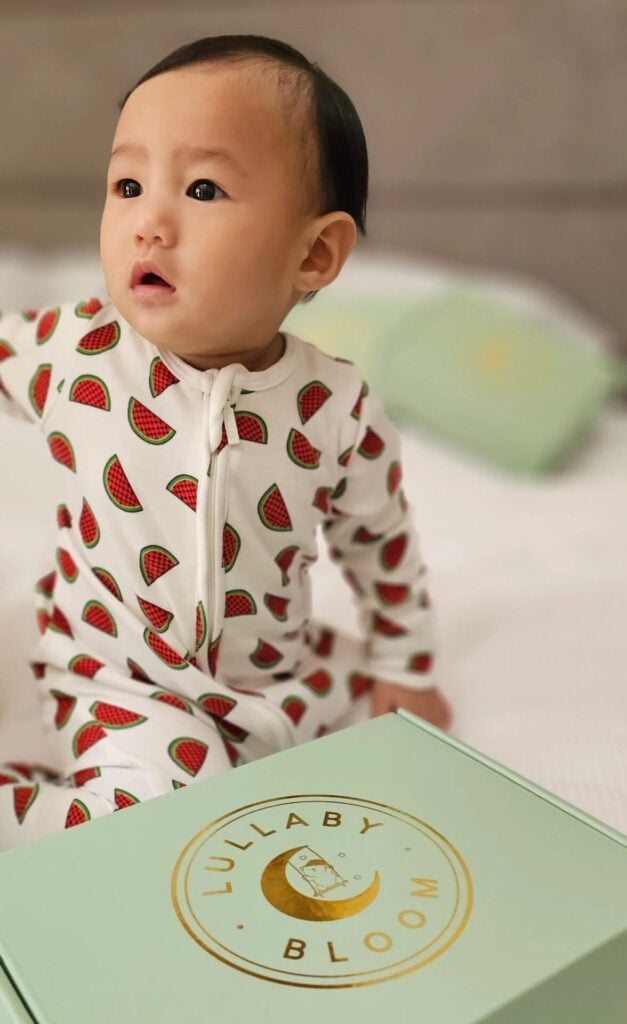
Each garment is tested to OEKO-TEX® Standard 100, confirming it is free from harmful substances and safe for sensitive skin. Manufacturing partners also follow amfori BSCI® standards, supporting fair wages and safe working conditions.