The world’s most endangered great ape population is being further threatened by the reopening of a gold mine and hydro-electric dam in the remote Sumatran rainforest, closed last year after a devastating storm.
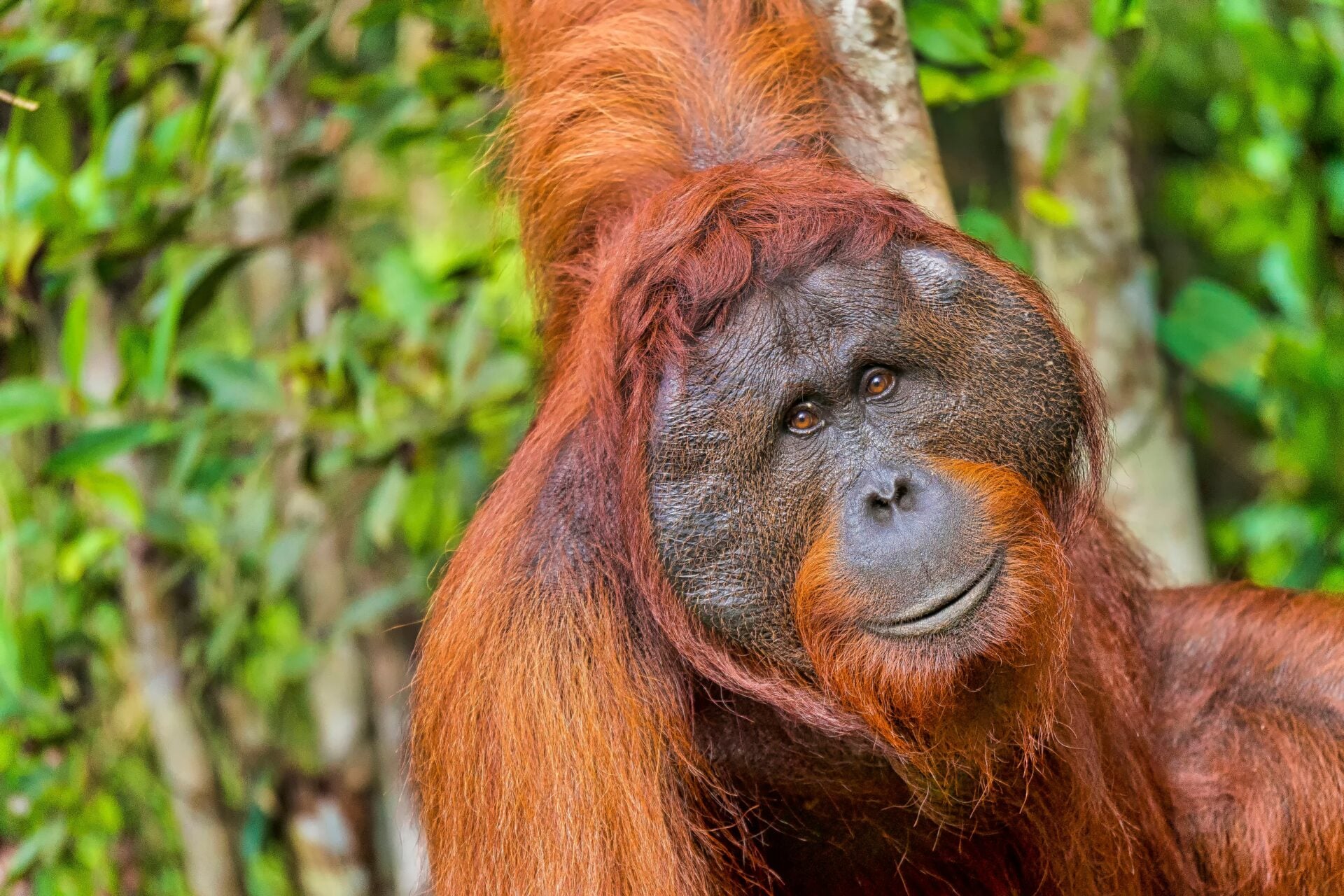
The Tapanuli orangutan was only identified less than a decade ago when 800 were discovered living in the Batang Toru area of the Indonesian island.

More than 1,100 people were killed when Cyclone Senyar hit Sumatra in November of last year, causing devastating flood and landslides, which government officials said were made worse by corporate-led deforestation in the vulnerable region.
The Tapanuli orangutan was estimated to have lost between four and 10 per cent of its population, as the landslides destroyed its key habitat.
It is estimated between 33 and 54 individuals were lost, leading primatologists to describe it as an ‘extinction-level disturbance’ for the species. The entire population now stands at anything between 577 and 760.
Following the disaster, the Indonesian government revoked the permits of 28 companies operating in the area, including the US$280 million Martabe gold mine, operated by PT Agincourt Resources, part of the UK conglomerate Jardine-Matheson, and the Batang Toru hydropower dam operated by PT North Sumatra Hydro Energy (NSHE), and owned by Chinese investment company SDIC Power Holdings.
The Indonesian government’s decision to allow the Martabe mine and Batang Toru dam to resume operations makes no sense and completely contradicts President Prabowo’s stated goal to end deforestation and protect nature, in the wake of the devastating Sumatran landslides.
Amanda Hurowitz, Forest Commodities lead, Mighty Earth
Indonesia’s President Pradowo Subianto pledged to introduce new environmental laws protecting nature and halting deforestation, while taking both the mine and power complex into state control. However they are both now set to resume operations without these regulations coming into force
Amanda Hurowitz, Forest Commodities lead at Mighty Earth, said: ‘The Indonesian government’s decision to allow the Martabe mine and Batang Toru dam to resume operations makes no sense and completely contradicts President Prabowo’s stated goal to end deforestation and protect nature, in the wake of the devastating Sumatran landslides.
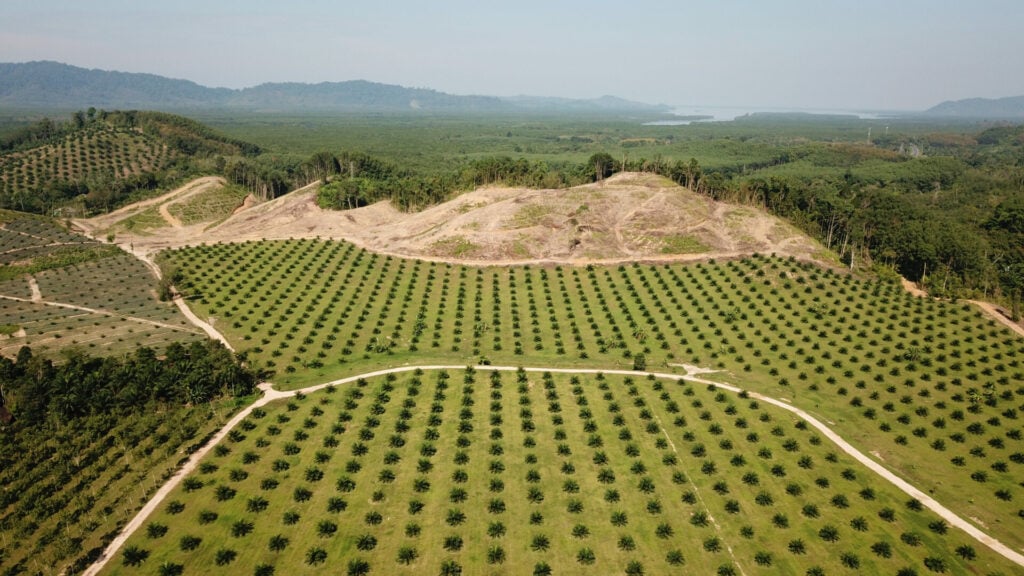
‘The expansion of mining and dam construction in this vulnerable rainforest habitat has left a great ape species, one of our closest relatives, on the brink of extinction. We don’t yet know how many Tapanuli orangutans are likely to be left, which is why there needs to be an IUCN-led survey to determine the impact of the flooding and landslides on the population.
‘We urge President Prabowo to keep his promise and put a permanent stop to the threats looming not just for the Tapanuli orangutan, but for the shattered communities of Sumatra who have lost so much.
‘In a year when a ‘Godzilla El Niño‘ is predicted with more extreme weather for Southeast Asia, protecting life in all its forms must come before any corporate interests.’
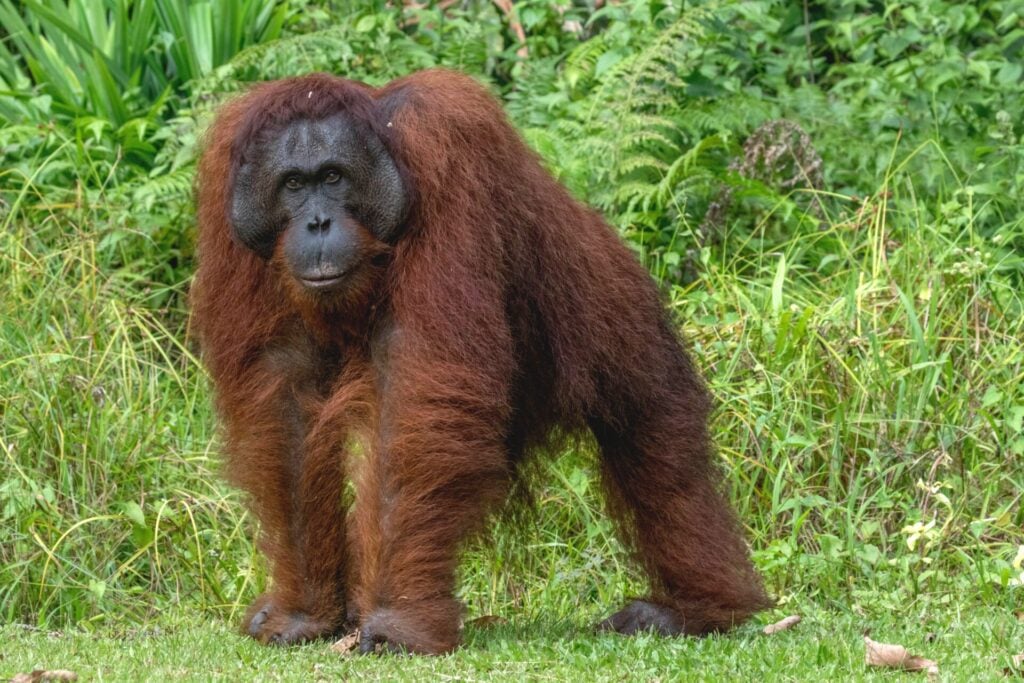
The shaggy-coated copper coloured Tapanuli orangutans, identified in 2017, have frizzier hair, smaller heads, and flatter and wide faces, than other Sumatran great apes with males having prominent moustaches and large flat cheek pads, known as flanges, covered in downy hair.
Hurowitz said: ‘The Tapanuli orangutan was only discovered as a distinct species a few years ago, but due to deforestation and habitat loss, it’s already the world’s most endangered great ape.
‘There must be greater protection for the Tapanuli and the Batang Toru ecosystem in Sumatra. We cannot let one of our closest relatives be wiped off the face of the Earth.’