
Fabric choice shapes nearly everything about a suit – the way it falls, how it ages, and whether it still looks polished at the end of a long day. Colour and silhouette tend to grab attention first, but experienced tailors consistently say fabric is the call that matters most.
Get it right, and the suit practically dresses itself. Get it wrong, and even flawless construction won’t save you. Knowing how to choose the right fabric for a suit means understanding what each material actually does – and how that connects to your lifestyle and where you’re headed when you put it on.
Choosing fabric is also a chance to ask what went into making it. Where were the fibres grown, how were they processed, and, for wool or cashmere, what independently verified animal welfare standards were met? Ask your tailor about traceable sourcing and recycled options, and look for evidence behind any sustainability claims. These questions belong alongside colour, comfort and fit when choosing a suit you intend to wear for years.
Why Fabric Is the Foundation of a Suit
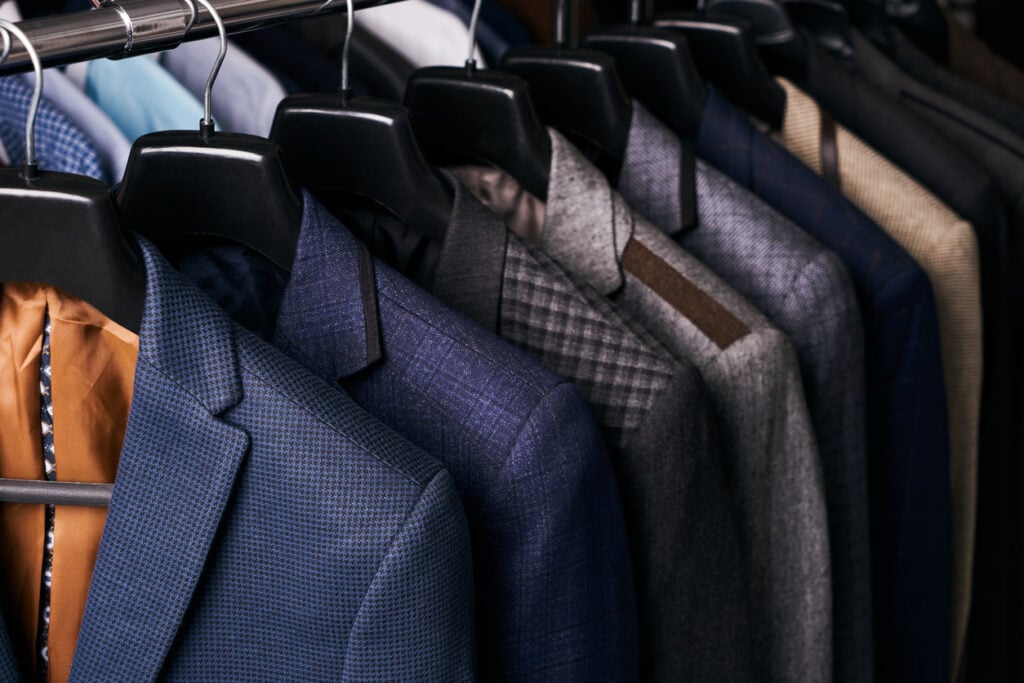
Fabric selection is one of the first and most important decisions in the custom suit process. Different mills, fibers, weights, and weave structures can affect how a suit feels, drapes, breathes, and performs in different climates. A fabric that works well in mild weather, for example, may feel too heavy in a hot and humid environment.
This is why tailors typically consider where the suit will be worn, how often it will be used, and whether it needs to travel well before recommending a cloth. It can also be helpful to compare established options such as Alan David’s bespoke tailoring with other similar tailors to see how their fabric selection, fitting process, construction, and level of customisation differ. These practical considerations usually come before details such as lapel width, buttons, or other styling choices.
Ask Where Your Fabric Comes From
The fabric conversation should cover more than appearance and price. Ask your tailor which mill produced the cloth, where the fibres come from and what information is available about their sourcing and processing. If a fabric is described as ‘sustainable’, ask what supports that claim. Natural fibre content alone doesn’t tell you how a material was produced, while a bespoke label says little about its environmental credentials.
It is also worth asking whether your tailor has existing lengths of cloth available. You may find a fabric that meets your needs without commissioning a new order, although availability alone is no guarantee of responsible production.
Weight Tells You When to Wear It

Fabric weight is measured in grams per linear meter, written as g/m or sometimes expressed in ounces. Lightweight cloths – typically 200 to 260 g/m – breathe well and suit spring through early fall, especially in warmer cities. Midweight fabrics, roughly 270 to 310 g/m, cover a broader seasonal range and hold up in most business environments where air conditioning keeps interiors cool even through summer.
Heavier cloths from 320 g/m upward are built for real cold. Many clients in temperate climates do well with a midweight Super 120s or Super 130s wool, which holds its shape without becoming stifling in a heated office. If you commute outside but spend most hours indoors, midweight is almost always the right call. The catch is that very lightweight fabrics, while they feel luxurious, tend to show wear sooner and demand more careful handling.
Weave Structure and How It Affects Daily Performance
The way threads interlock in a fabric – its weave – affects both appearance and how the cloth survives regular use. Plain weave produces a smooth, even surface that photographs cleanly and reads as formal. Twill weaves, including herringbone and houndstooth, create a diagonal rib that adds subtle texture and resists creasing better than plain weave cloths do. That makes twill a practical pick if you spend long hours seated or travel frequently.
A sharkskin weave – tight, fine, with a faint two-tone shimmer – holds its appearance well through a demanding day and suits formal professional settings. Open weaves like hopsack allow more airflow and often appear in summer-weight suits, though they’re less forgiving of heavy daily use. Understanding these differences moves you past ‘I like the look’ toward ‘this cloth will actually work for my life.’ Both things matter, but six months in, it’s the second one you’ll feel.
The Most Common Suit Fabrics and Their Characteristics
Not every fabric category performs the same way, and the differences go well beyond price. Knowing what each major fiber type actually does for you and against you makes the selection conversation with your tailor far more productive.
Wool and Why It Dominates Custom Tailoring
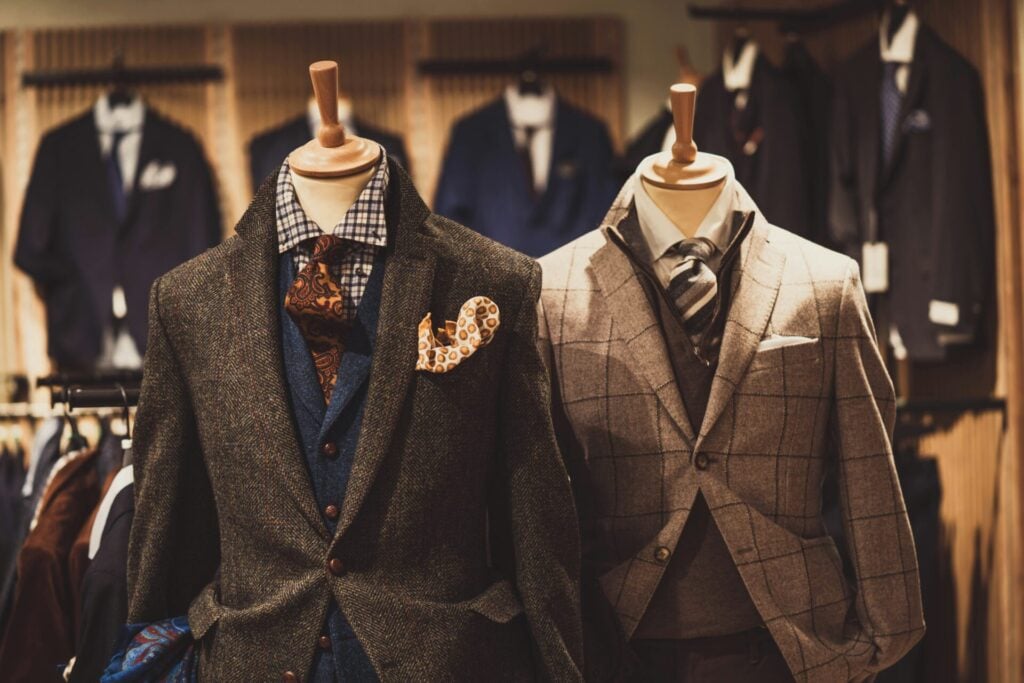
Wool is the standard for custom suits, and the reason isn’t complicated – no other natural fiber matches its combination of drape, resilience, and breathability. It regulates temperature better than most synthetics, resists odor, and bounces back from a full day of movement in ways cotton and linen simply don’t. Choosing a sustainable wool suit however requires looking for certified animal welfare standards, eco-friendly processing methods, and durable construction that ensures long-term wear.
Within wool, the “Super” number – Super 100s, 120s, 150s – refers to fiber fineness. Higher numbers mean softer, finer cloth, but also more delicate fabric that needs more careful handling. A Super 100s or 110s wool is a sensible daily-wear choice for most: soft enough to feel genuinely luxurious, tough enough to tolerate a real schedule. Super 150s and above are beautiful, but they suit someone who wears a suit occasionally rather than five days a week.
Merino wool, cashmere blends, and flannel all belong to the broader wool family, and each brings its own character. For a more conscious choice, ask about recycled wool or traceable fibres from farms with verified animal-welfare standards, and choose a cloth you’ll wear for years.
Linen, Cotton, and Blended Fabrics
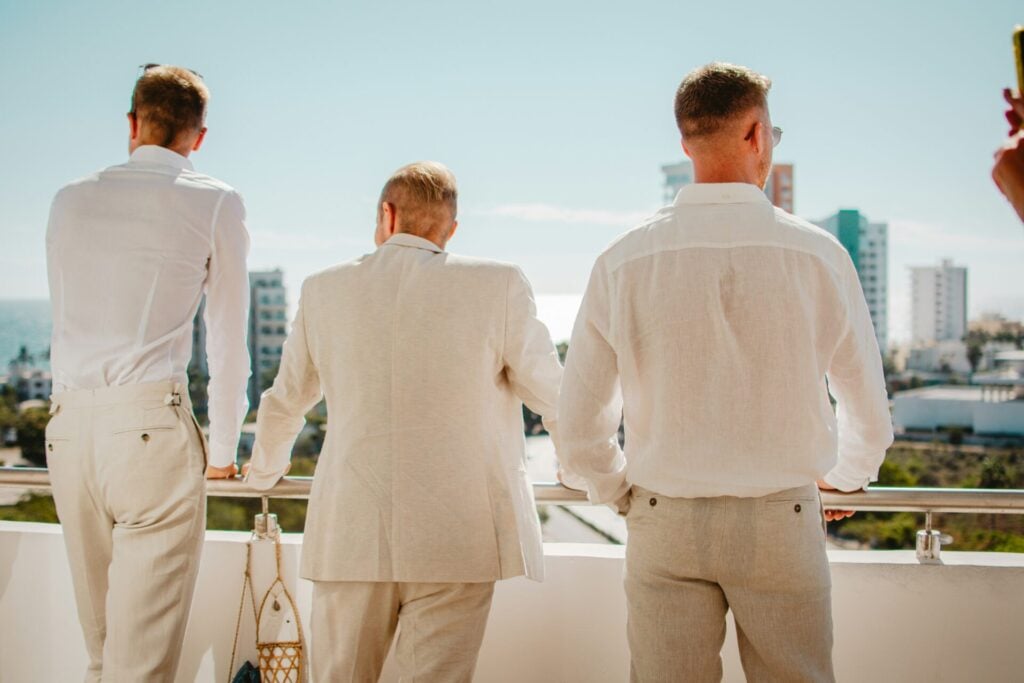
Linen makes a strong case for warm-weather suiting. It breathes exceptionally well, carries a natural texture that looks relaxed and intentional, and works for outdoor events, summer weddings, or warm-climate business settings. Its environmental credentials are another attraction: Linen is made from the flax plant, which requires very little water, no harmful pesticides, and breaks down completely at the end of its life
The honest trade-off is creasing – linen wrinkles quickly, and that’s simply part of its character. Some people embrace it; others can’t. Cotton suits sit somewhere between linen and wool: less prone to deep creasing than linen, less adaptable across seasons than wool, but genuinely comfortable in mild heat.
They’re a reasonable option for someone who needs a suit for occasional warm-weather wear without investing in multiple cloths. Blended fabrics – typically wool combined with silk, cashmere, or linen, aim to capture the best of each fiber. A wool-silk blend produces a subtle sheen and a lighter hand than pure wool. A wool-linen blend breathes better in summer without surrendering the shape retention that linen alone can’t deliver. Blends are worth considering, but ask your tailor about durability, since some blended yarns wear unevenly over time.
Dress Code, Frequency of Use, and the Right Cloth for Each

A suit worn to board meetings five days a week needs a different cloth than one worn to three weddings a year. For heavy professional use, durability matters as much as aesthetics. A midweight tropical wool or a tightly woven twill in Super 110s or 120s holds up to repeated cleaning and daily wear without losing its surface. For formal occasions like black-tie events or weddings, you have more freedom to choose cloths that look extraordinary but wouldn’t survive everyday conditions, such as a fine barathea for a tuxedo or a lightweight Super 150s for a statement suit.
Geographic context matters, too. If you’re in the American South or Southwest, you’ll want clothes that breathe. If you’re in the Northeast or Midwest, seasonal layering matters and a heavier flannel or tweed might earn a place in the rotation. And if you travel constantly, a tightly woven worsted wool is a strong choice, since it will look considerably better by the time you reach your destination than a loosely woven alternative. Tell your tailor the truth about your schedule, and they’ll help you land on the right cloth.
The right fabric is one you’ll enjoy wearing often and can realistically look after. Choose a weight suited to your climate, a cloth robust enough for your routine and a colour that works with what you already own. Ask, too, whether the suit’s construction leaves room for future alterations and whether your tailor offers repairs.
A considered purchase doesn’t end at the fitting. Following the care instructions, addressing damage early and adjusting the fit when needed can help keep a well-chosen suit in use for years.