
What if the ink used to print our clothes could help tackle climate change? Or the water needed by drought-stricken communities could be harvested directly from the air? What if our washing machines could stop microplastics entering waterways, and children’s school uniforms could grow alongside them?
These aren’t far-fetched ideas dreamed up by environmentalists. They’re among the innovations recognised in TIME’s Best Inventions of 2026, its annual celebration of products, technologies and breakthroughs changing the way we live. This year’s selection encompasses everything from advances in artificial intelligence and medical science to technologies tackling some of the world’s most pressing environmental challenges.
We’ve combed through the list to find 15 that particularly caught our attention at The Ethicalist.
Alvéole Aura: Making Urban Biodiversity Visible

Cities are not generally the first places that spring to mind when we think about protecting biodiversity. Yet parks, gardens, rooftops and even roadside planting can provide valuable habitats for pollinators and other wildlife. Alvéole Aura is designed to help us better understand biodiversity in urban environments by tracking it. For businesses, property developers and urban planners increasingly expected to demonstrate their environmental commitments, measuring changes in biodiversity could provide useful evidence of whether their efforts are working. aura.alveole.com
AMSilk Yarn: The Sustainable Silk Inspired by Spiderwebs
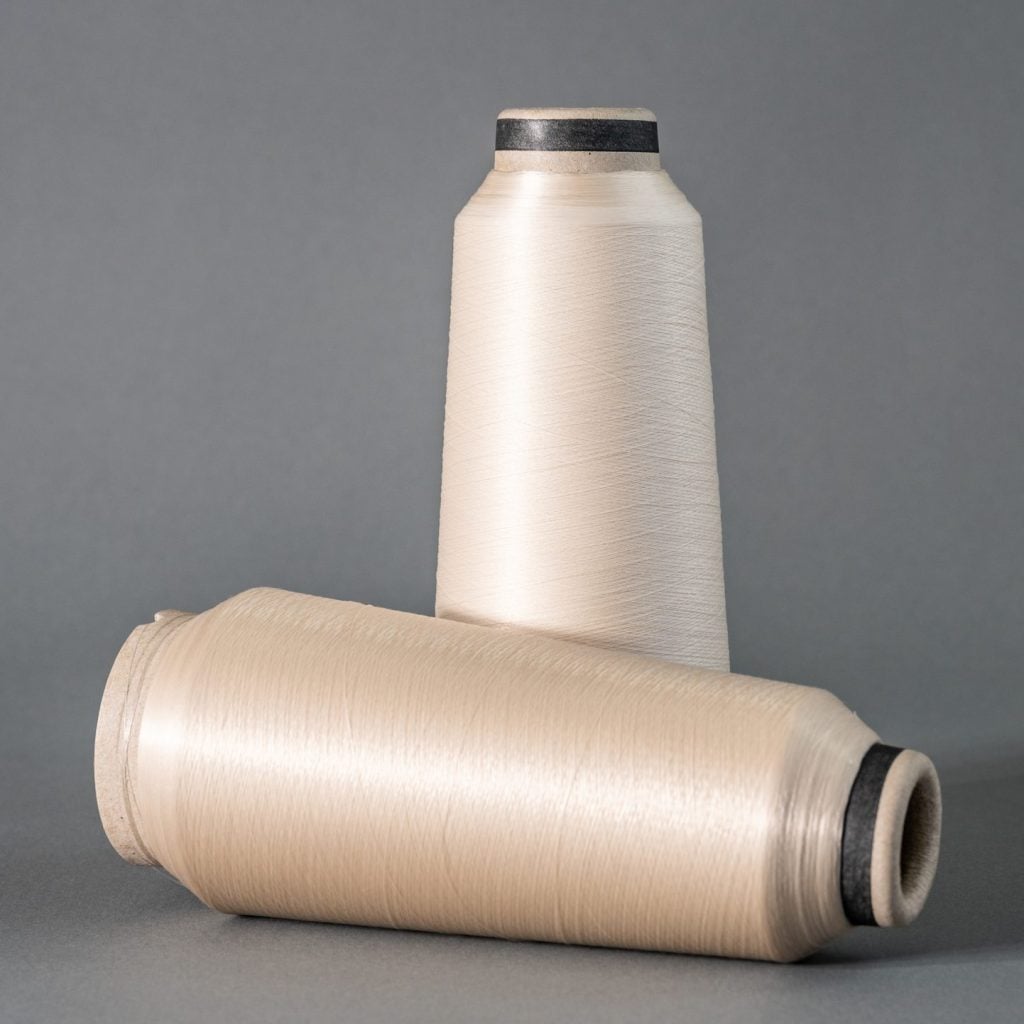
Spider silk has fascinated scientists for decades and for good reason. It’s incredibly strong for its weight, flexible and produced by nature without the industrial processes associated with many synthetic fibres. AMSilk is bringing that inspiration into the fashion industry with a bioengineered, cruelty-free, silk-like yarn. Rather than relying on silkworms, it uses biotechnology to produce silk-inspired proteins that can be turned into fibres. For an industry struggling with textile waste, overconsumption and a dependence on petroleum-derived fibres, innovations like this could help shape the future of clothing. amsilk.com
AORA México: Beauty Without the Plastic Packaging
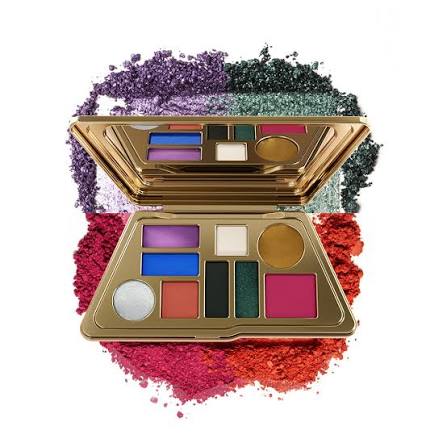
From lipstick tubes to compacts and mascara wands, cosmetics frequently rely on plastic and other unsustainable materials but clean beauty brand AORA México is attempting to change that. Recognised in TIME’s Best Inventions of 2026 for its plastic-free cosmetics, the company uses traceable ingredients and packaging made from materials such as tin, aluminium and wood. Its emphasis on single-material packaging is intended to make recycling easier. The brand also partners with rePurpose Global, funding the removal of plastic waste from the environment equivalent to nine times the weight of every product sold. AORA is also the first entirely plastic-free cosmetics brand available at Sephora. aoramakeup.com
Atoco Reticular Materials: Harvesting Drinking Water From Thin Air

For millions of people living in arid regions, access to clean drinking water is an increasingly urgent concern. Desalination provides one solution, but it can require substantial amounts of energy and infrastructure. So Atoco extracts water directly from the atmosphere using Nobel Prize-winning science developed by its founder, Professor Omar Yaghi, who shared the 2025 Nobel Prize in Chemistry.
The technology relies on highly porous materials capable of capturing water molecules from the air, even in extremely dry conditions, before releasing them for collection. Even more remarkably, Atoco is developing systems that harness waste heat from energy-hungry data centres to power the process, potentially producing clean water while also reducing the facilities’ cooling demands. For regions such as the Middle East, where water scarcity and rising temperatures are very real and growing challenges, the potential is considerable. atoco.com
Bosch Microplastic Filter: Catching Pollution Before It Reaches Our Waterways
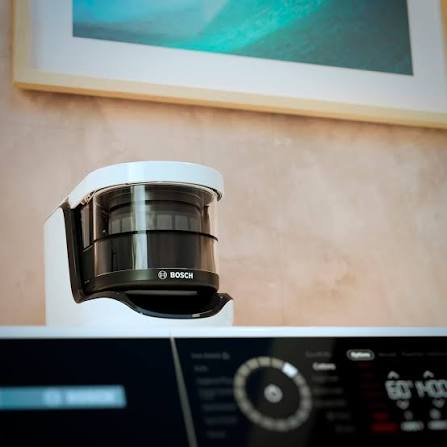
Synthetic fibres are found in everything from sportswear and swimwear to fleece jackets and household textile, and every time you wash them, tiny fibres break away from the material and enter wastewater. These microplastics are difficult to remove completely and can eventually find their way into rivers, lakes and oceans, affecting the health of marine life. Bosch’s Microplastic Filter is designed to intercept this pollution at source. Rather than allowing shed fibres to travel straight into wastewater systems, the technology captures microplastics during the laundry process.
ClarosTechUV: A Potential Solution to Forever Chemicals
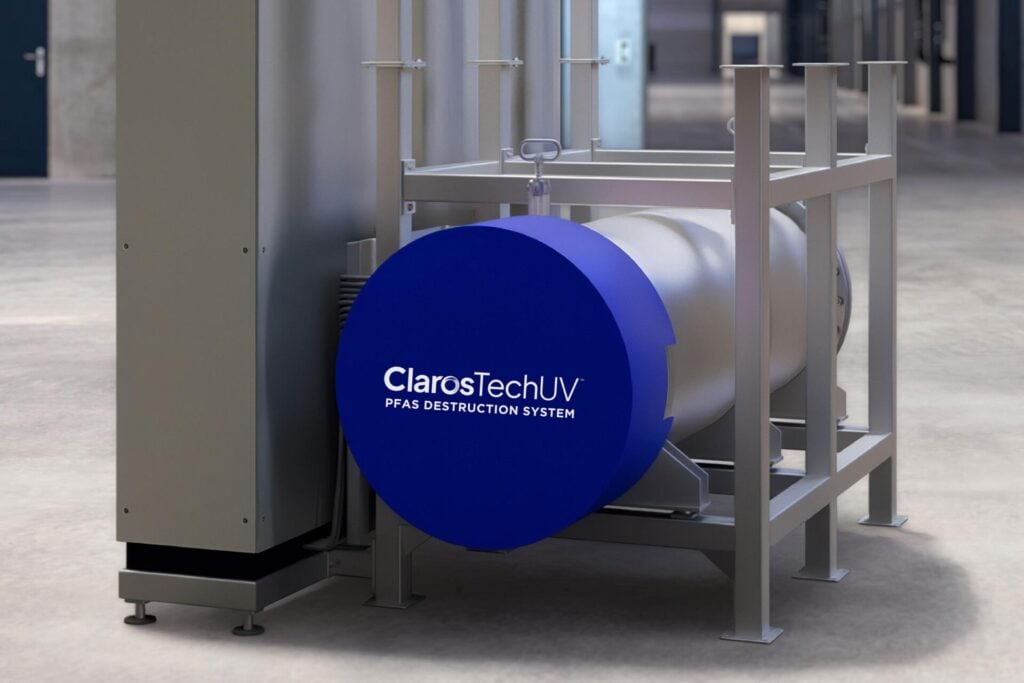
Few environmental contaminants have attracted as much attention in recent years as PFAS – synthetic substances known as forever chemicals. Used in everything from water-resistant clothes to non-stick pans, PFAS are damaging to the environment and have been associated with health concerns. Removing them from contaminated water is challenging enough, but destroying them is another matter entirely. That’s what the ClarosTechUV PFAS Destruction System is designed to do. Unlike conventional filters, which capture PFAS but leave behind some contamination, this system breaks down the chemicals using ultraviolet technology. As CEO Michelle Bellanca says, ‘We want to take the ‘forever’ out of ‘forever chemicals’. ‘ clarostechnologies.com
Excelsa Coffee: Protecting Our Cuppa in a Changing Climate
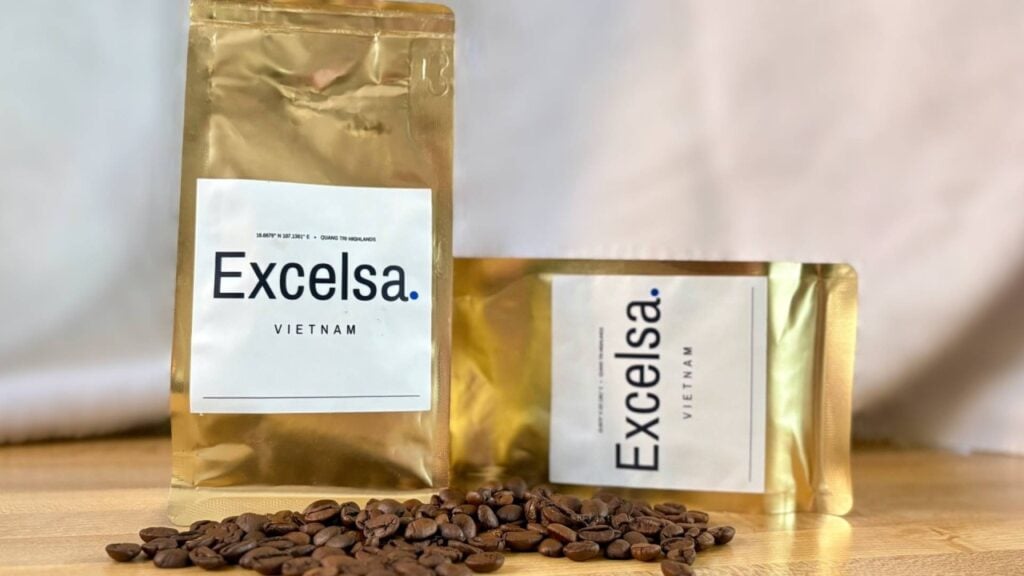
Rising temperatures, unpredictable rainfall, drought and disease are placing pressure on coffee-growing regions around the world. Arabica – which, alongside Robusta, makes up 99 per cent of consumption – is particularly sensitive to changing growing conditions, with reports suggesting that by 2050, half of the world’s arabica-growing land could be unsuitable. One answer may be commercialising a third bean. Excelsa coffee – which was discovered in South Sudan more than 100 years ago and grown primarily in Southeast Asia today- is drought-tolerant and disease-resistant. Dismissed by the speciality industry for decades, Excelsa Coffee Company is here to prove that was a mistake and to give farmers a viable path through the climate crisis. excelsacoffee.com
HiveKeepers Micro Honey Harvester: Bringing Honey Production Closer to Home
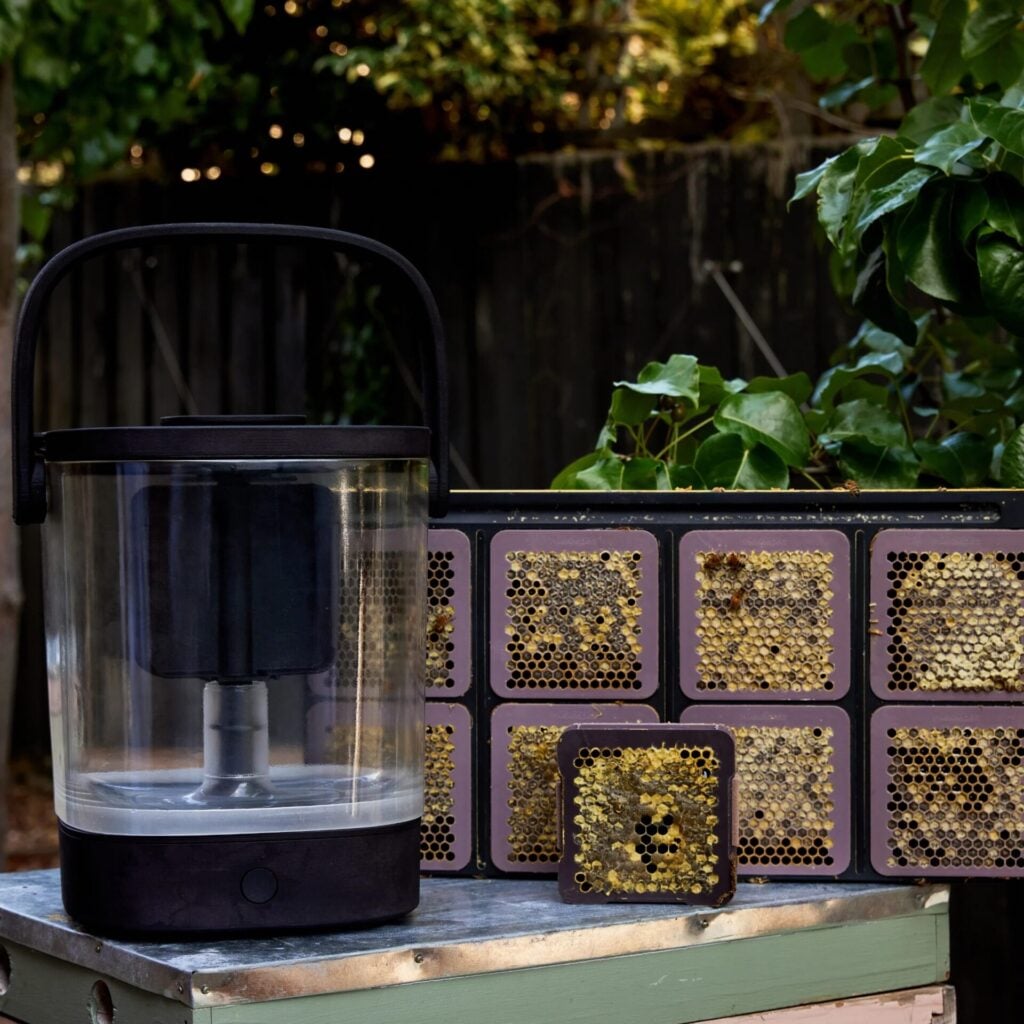
Harvesting honey is often associated with specialist equipment, a lot of experience and access to managed hives. The HiveKeepers Micro Honey Harvester wants to make beekeeping more accessible to all. The HiveKeepers Micro Honey Harvester is a compact, rechargeable device. Specially designed honeycomb cassettes fit into standard beehives and can then be transferred directly into the harvester, where they’re spun to release the honey. By eliminating the need for bulky, expensive equipment, the clever little device reduces a process that traditionally takes hours to just minutes. Recognised in TIME’s Best Inventions of 2026 for simplifying small-scale beekeeping, it is opening up opportunities for smaller producers while reconnecting consumers with the natural processes behind a jar of honey. hivekeepers.com
Hoymiles HiFlow Pro: Solar Power for Appartments
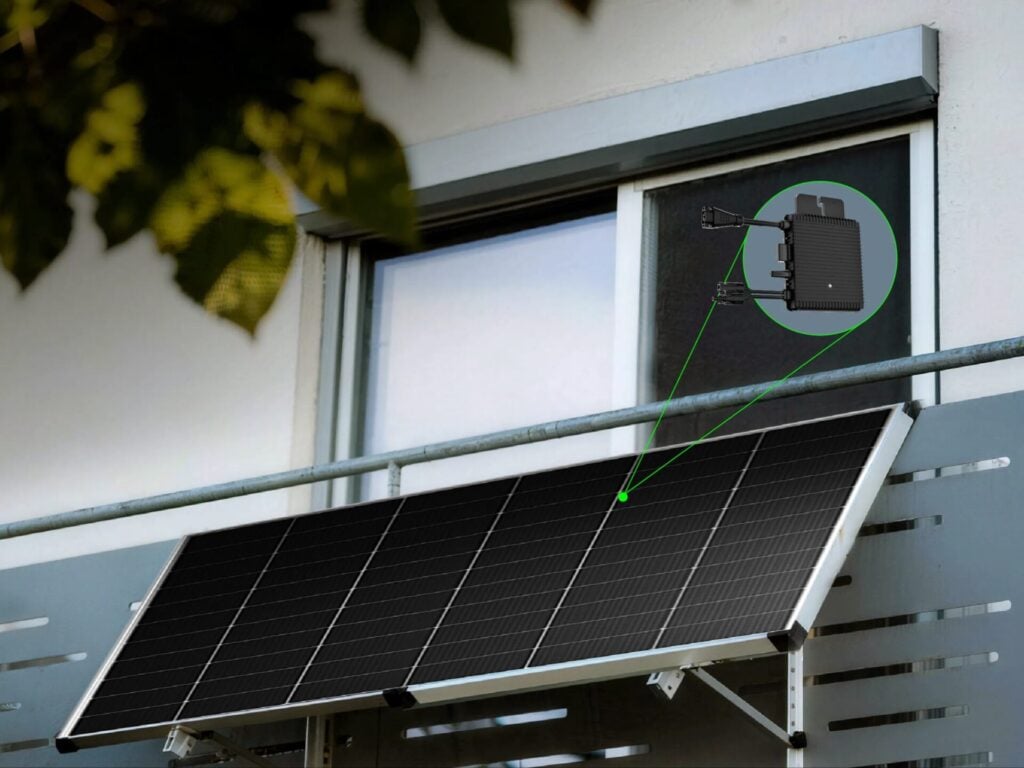
Installing rooftop solar panels is often presented as one of the most effective ways households can reduce their dependence on fossil-fuel electricity. But what happens if you’re renting or live in an apartment? Hoymiles HiFlow Pro, a tablet-sized device that connects to small solar panels you can put on a balcony or terrace, has been recognised in TIME’s Best Inventions of 2026 for its ability to easily generate power for household appliances. Instead of requiring a permanent rooftop installation, it plugs directly into a wall socket, so households can potentially reduce their energy bills. Up to four units can be connected to increase output, and a companion app lets users monitor how much electricity they’re producing.. hoymiles.com
Inertia Prism Pads: Rethinking Plastic in Period Products
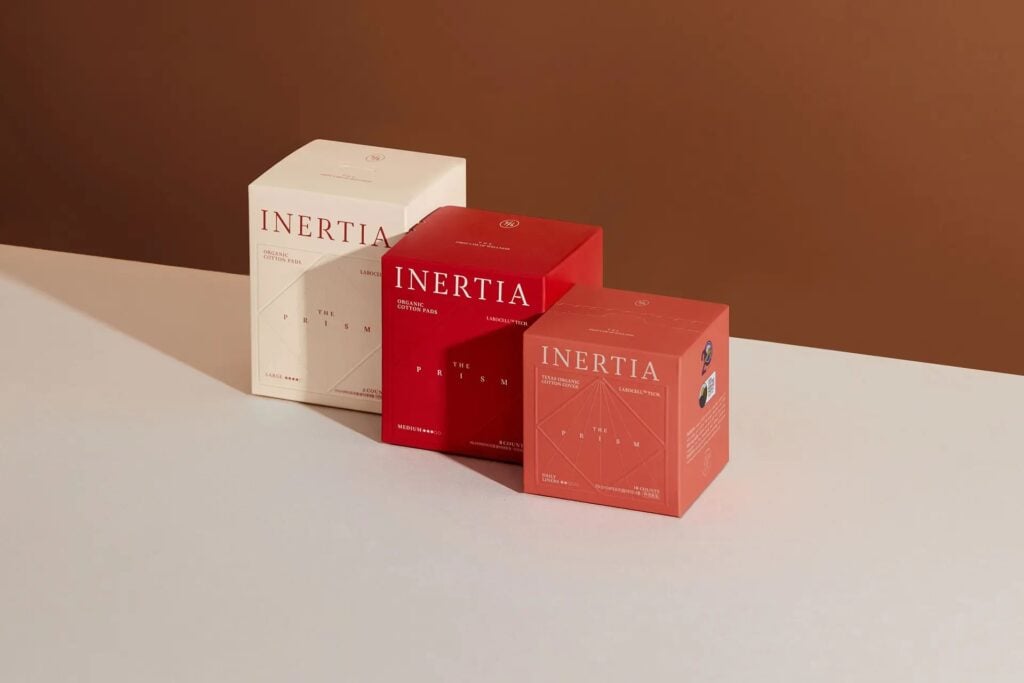
Conventional sanitary pads often contain plastic-based components and PFAS, known as ‘forever chemicals,’ which have been linked to a range of health risks. Given the number of products used over a lifetime, the cumulative health impacts – and waste – can be substantial. Inertia Prism Pads are among TIME’s Best Inventions of 2026 for their approach to plastic-free menstrual care. The product, created by four female scientists from the Korea Advanced Institute of Science and Technology (KAIST), incorporates a proprietary material called Labocell, a plant-based cellulose that’s extremely absorbent and biodegradable, topped with a thin organic cotton layer. Theyre also free from plastic, fragrance, chlorine, and dyes. inertiaofficial.com
Living Ink Algae Black: A New Shade of Sustainable
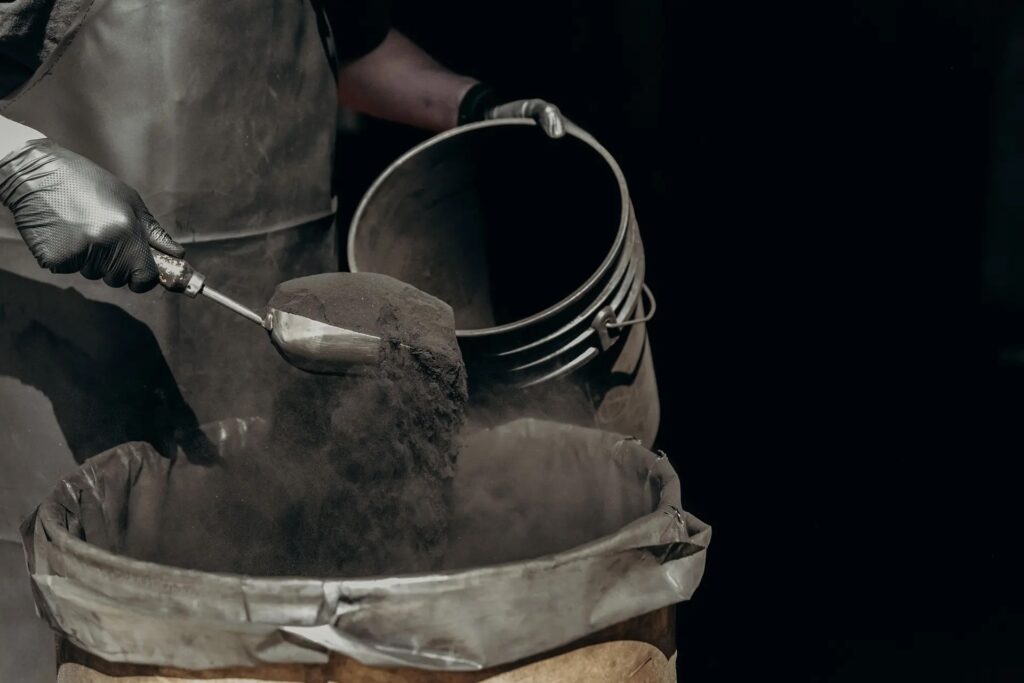
Black is everywhere. It’s printed on packaging, woven into fashion collections, used in cosmetics and applied to countless everyday products. Yet typical black ink comes from burning petroleum at roughly 2,700°F, a process that emits up to 79 million metric tonnes of CO₂ each year. Living Ink Technologies has developed Algae Black, an alternative pigment made using waste algae biomass that’s not only petroleum-free but also carbon-negative (it traps algae-absorbed CO₂). Recognised in TIME’s Best Inventions of 2026 for its carbon-negative credentials, its potential uses are wide-ranging, from printing and packaging to textiles and consumer products. livingink.co
Royal Robbins Salathé Sun Hoodie: Mosquito Protection Without Chemical Treatments
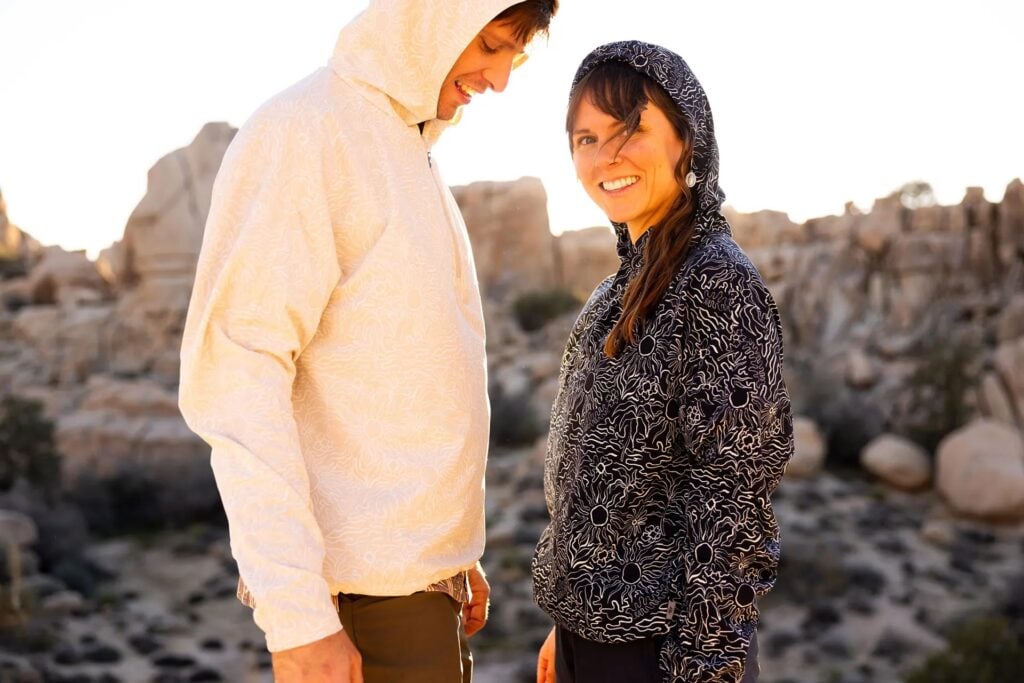
Anyone who has travelled to a mosquito-prone destination will be familiar with the routine: long sleeves, insect repellent and the constant search for ways to avoid being bitten. Outdoor clothing brand Royal Robbins has taken a different approach with its Salathé Sun Hoodie, recognised in TIME’s Best Inventions of 2026 for offering mosquito protection without relying on chemical insect-repellent treatments. Instead it is made from a tightly woven ripstop fabric that offers around 92 per cent protection against mosquito bites, without chemical treatments that wear off over time. Lightweight and breathable, it also provides UPF 40+ sun protection. Royal Robbins also use third-party standards such as the Responsible Wool Standard and the Global Recycled Standard for material decisions. royalrobbins.com
Style Her Empowered Uniform That Grows: School Clothes Designed to Last Longer

The cost of school uniforms can still keep girls in parts of Africa out of the classroom, especially given how quickly they outgrow them. Style Her Empowered has developed a school uniform designed to grow with the child wearing it. Recognised in TIME’s Best Inventions of 2026 for helping reduce school costs for girls, the innovation addresses affordability and the problem of clothing being replaced before the fabric has worn out. styleherempowered.org
Vital Lyfe Access: Turning Seawater Into Drinking Water
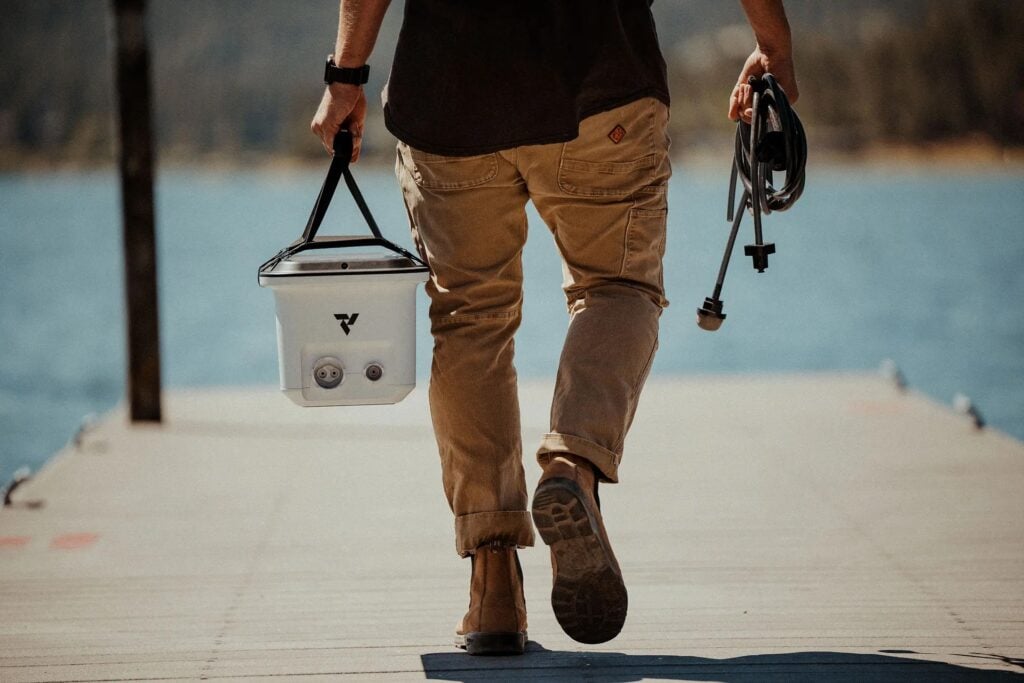
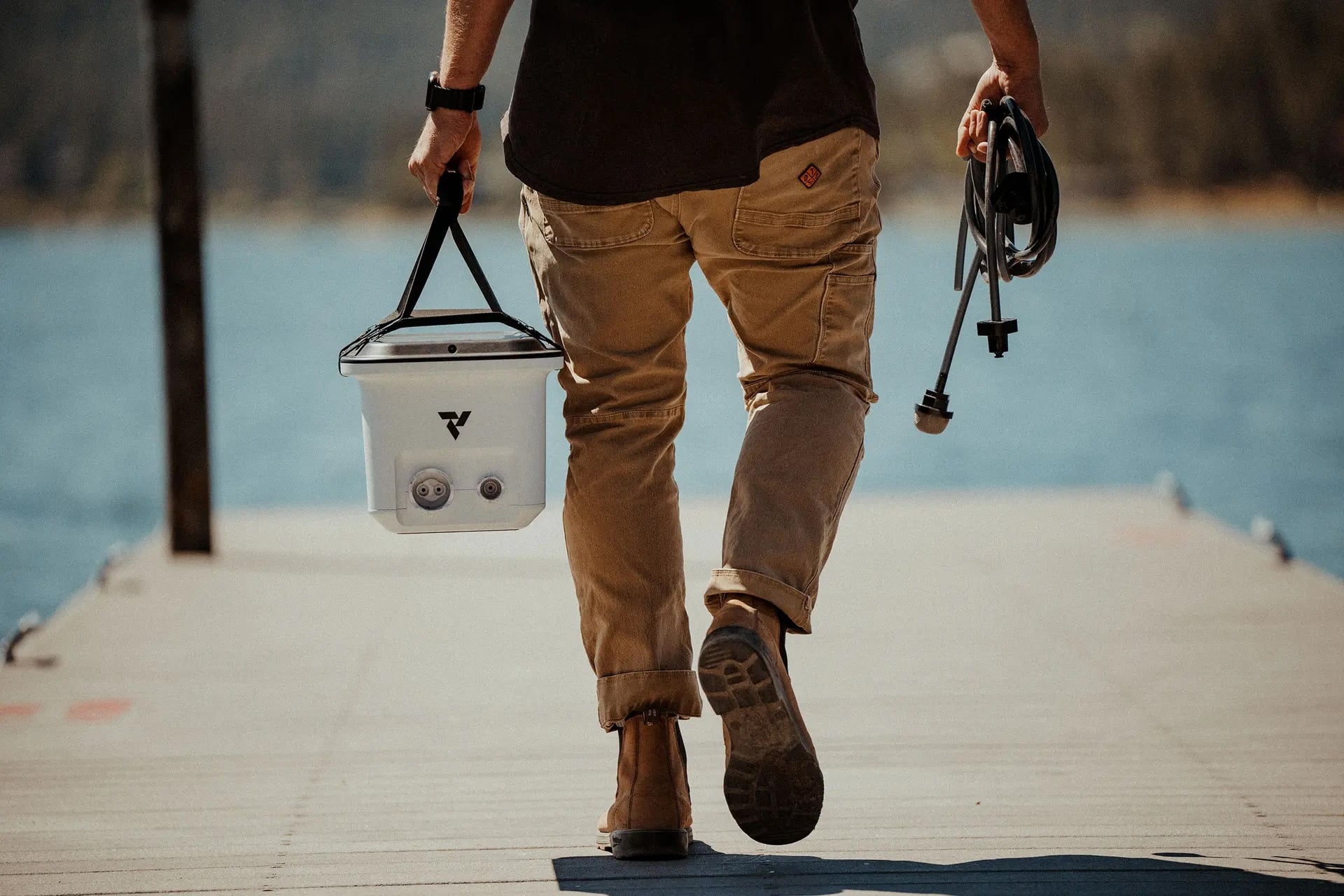
Although water covers 71 per cent of the Earth’s surface, more than 96 per cent of it is salty and undrinkable. Vital Lyfe Access offers a portable solution: a reverse-osmosis desalination and purification device roughly the size of a cool box that turns seawater into drinking water. Weighing just 25 pounds (11kg), it requires little more than submerging a hose and pressing start to produce up to six gallons (23 litres) of fresh water per hour. vitallyfe.com
Von Holzhausen Liquidplant: Reimagining Plastics
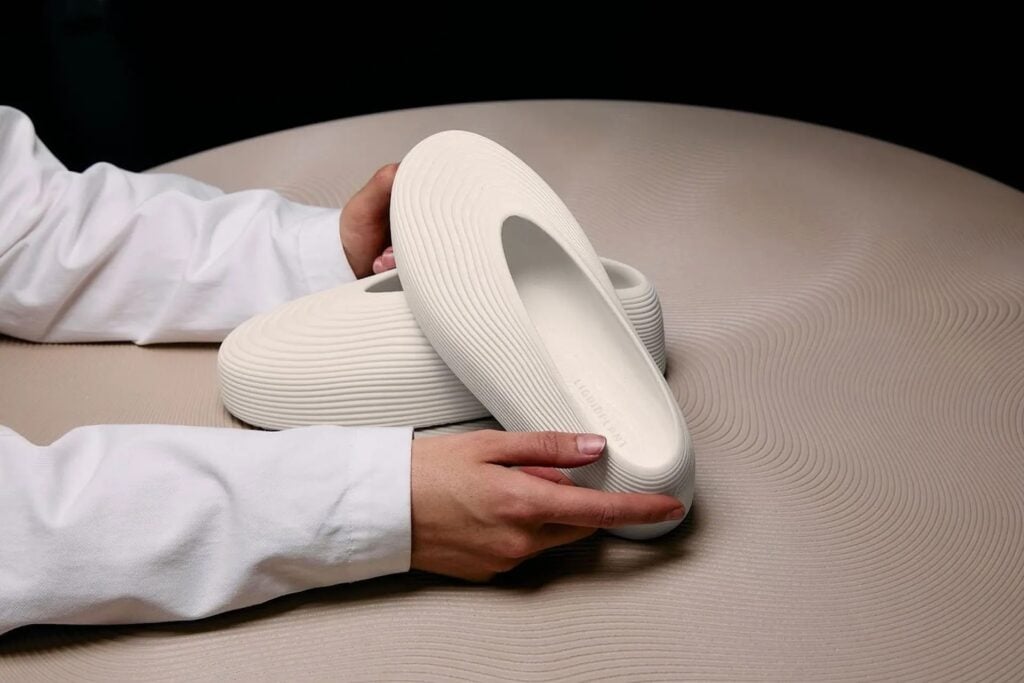
Your next pair of running shoes could be biodegradable, thanks to Liquidplant, an innovative bioplastic made from fermented sugars and seed oils. Developed by Von Holzhausen, the material is designed to rival conventional plastics in durability and flexibility while being fully biodegradable and recyclable. Already used in footwear foam and tech accessories, Liquidplant can withstand temperatures from -40°C to 100°C, with commercial production of its performance foam expected to begin in Georgia in 2027. vonholzhausen.com