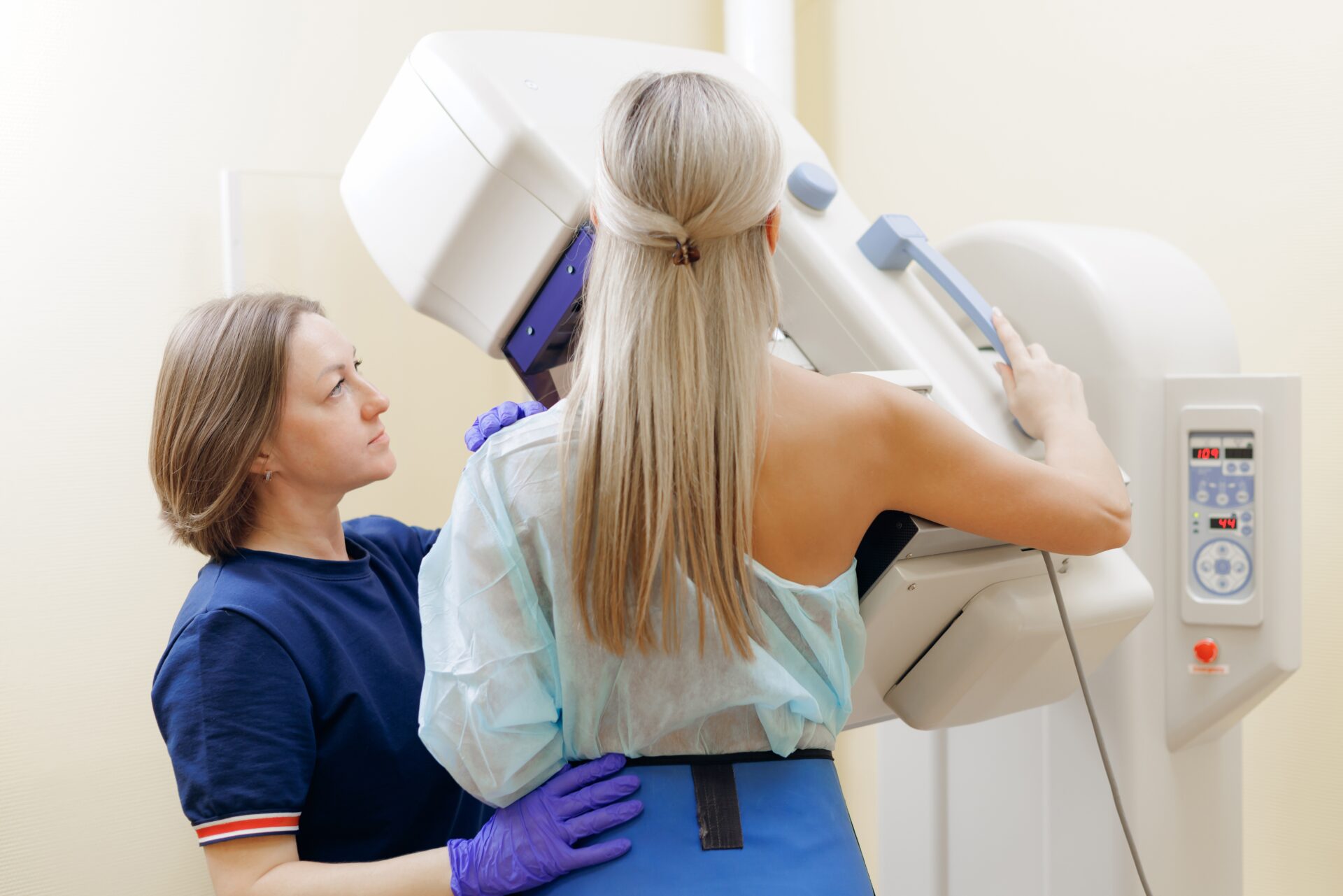
Imagine going for a routine mammogram, getting dressed afterwards and heading home, relieved to have another health check ticked off your list. Days pass, then weeks, and you hear nothing. Naturally, you assume there’s nothing to worry about.
But what if the mammogram had revealed something suspicious? What if further tests were recommended, but nobody ever told you?
It’s an unsettling thought, particularly when early detection can make such an important difference to breast cancer treatment. Yet abnormal screening results can sometimes get lost somewhere between the radiologist, the doctor’s surgery and the patient, leaving potentially serious findings without the follow-up they need.
So whose responsibility is it to make sure those results don’t fall through the cracks? And what can you do if you discover that a recommended test was never arranged?
An Abnormal Mammogram Requires Follow-Up
First, an abnormal mammogram doesn’t necessarily mean cancer. Many findings turn out to be harmless, but further investigation may be needed to establish what’s happening.
Radiologists use a classification system called BI-RADS to assess mammogram findings. A BI-RADS 0 result means additional imaging or comparison with previous scans is needed. Category 3 indicates a finding is probably benign but generally requires follow-up imaging, while Category 5 suggests a high likelihood of cancer and calls for a biopsy.

The important thing is understanding what your result means and what happens next.
A 2026 study examining screening mammograms at one US institution found that just 63.3 per cent of patients with BI-RADS 0 results in 2023 received further diagnostic evaluation within 30 days. Although this isn’t a national figure, it highlights how easily delays can arise.
So, after you get a mammogram, who makes sure you get the follow-up? If you feel like you may not have recieved a follow-up after an abnormal result, learn more about breast cancer misdiagnosis claims at Verdict Victory. There are multiple parties that could be responsible, so it’s important to figure out what happened after the mammogram was performed.
Who Is Responsible for Your Follow-Up?
The answer isn’t always straightforward. Several healthcare professionals may be involved in arranging further tests, and responsibility depends on what happened and the applicable laws.
The radiologist and screening facility
Radiologists interpret mammograms and identify findings requiring further investigation. In the US, federal rules require mammography facilities to provide patients with a written summary of their results in plain language within 30 calendar days. For results classified as suspicious or highly suggestive of malignancy, that summary must be provided within seven calendar days of the final interpretation.
The doctor who ordered your mammogram
Your GP, gynaecologist or other referring clinician may also have responsibilities for explaining results and arranging additional tests. Problems can arise when a referral is made but never reaches the patient, or when everyone assumes someone else has organised the appointment. A failure to communicate or arrange needed follow-up may be relevant to a malpractice claim if it fell below the applicable standard of care and caused harm. Sometimes doctors order a second test, and that never reaches you.

The clinic or hospital
Healthcare organisations need reliable systems for communicating results and managing follow-up. A report sitting unread in an electronic inbox, for example, may have serious consequences if nobody checks whether the patient has received the information. You may need to determine whether the clinic or hospital did what was required to ensure you got your test.
How Do Results Get Missed?
Sometimes the problem is surprisingly mundane. A message goes to the wrong address, a referral isn’t processed or an appointment is never scheduled. Electronic patient portals have made medical records more accessible, but uploading a result doesn’t guarantee that someone has read or understood it.
Healthcare professionals call the process of ensuring results are communicated and acted upon closing the loop. That means more than sending a notification. Someone needs to establish what further action is required and make sure the appropriate arrangements are in place.
Is a Delayed Diagnosis Medical Malpractice?
Not every delayed diagnosis amounts to medical malpractice. Some conditions are difficult to detect, and an abnormal mammogram may ultimately reveal nothing concerning.
In most medical malpractice cases, you need to prove duty, breach of duty, damages, and causation. Did someone owe you a duty, did they not follow the standard of care, and did that cause you harm?
The hard part may be proving causation. If cancer was later diagnosed, the key question is whether timely follow-up testing could have found it earlier and whether the delay caused a legally recognised injury. That takes a review of the records and, often, expert evidence. There are ways to help with this, but you will want to know what tests were ordered, when they were ordered, and when you got them done.
The legal requirements and time limits also vary between US states.
What Should You Do If Nobody Contacts You?
One of the most important things to remember is that silence doesn’t necessarily mean everything is fine. If you haven’t received your mammogram results, contact the screening facility or the doctor who ordered the test. Ask for a copy of the report and an explanation of any findings you don’t understand.

If additional imaging or a biopsy is recommended, establish who will arrange it and when you should expect an appointment. Keep a record of relevant conversations, referrals and test dates.
If you notice changes in your breasts, seek medical advice even if your most recent mammogram was normal. And if you’re struggling to arrange recommended follow-up testing, contact your healthcare provider promptly rather than waiting indefinitely.
Closing the Loop
Patients can play an active role in managing their health, but they shouldn’t have to become medical detectives to find out whether something is wrong.
A reliable screening system depends on clear communication between healthcare professionals and patients, with everyone understanding what needs to happen next.
After all, identifying an abnormality is only the first step. Making sure it receives the attention it deserves is just as important.