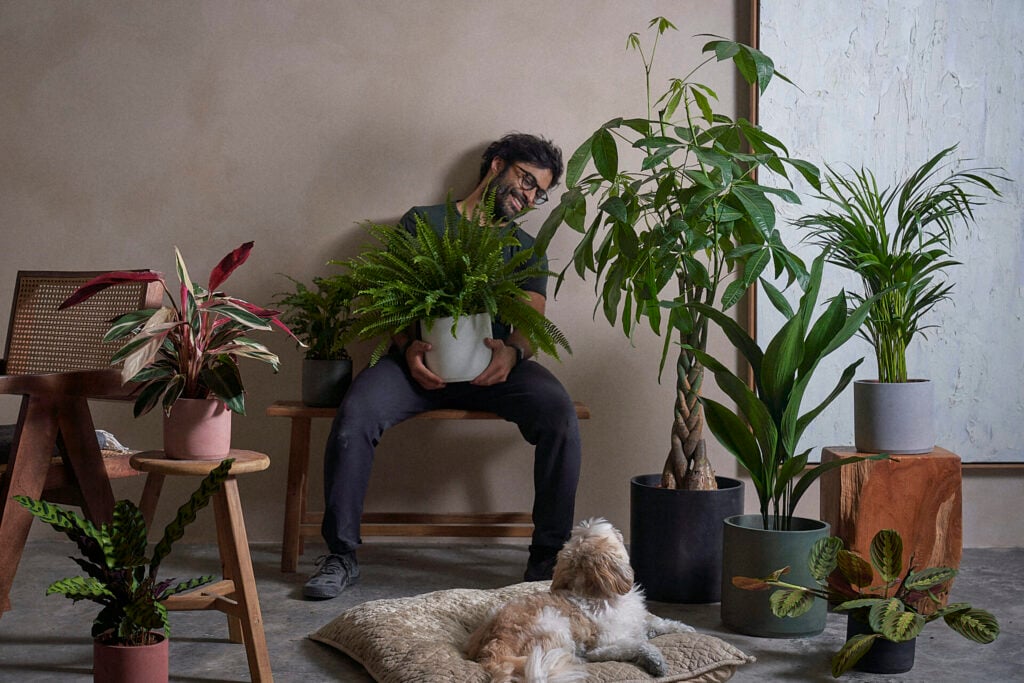
A house can be full of things and still feel like there isn’t enough room for anything. There are clothes in the wardrobe that haven’t been worn in years, a drawer full of old receipts and random things nobody wants to throw away and kitchen appliances that have been sitting in a drawer ever since you bought them. And most of this stuff doesn’t even get noticed anymore. It’s just there gathering dust. But could the principles of financial Feng Shui help us clear out the clutter and rethink our relationship with money at the same time?
After all, it’s not just our cupboards that accumulate things we don’t need. Our spending habits can be just as cluttered, from subscriptions we forgot to cancel to things bought simply because they were on sale. Individually, these purchases might not seem like much, but over time they can really add up. Feng Shui has been used for centuries to bring balance and harmony into the home, and while there’s no evidence that moving your furniture around will make you richer, perhaps having a good clear-out is as good a place as any to start.
The Things That Never Seem to Leave
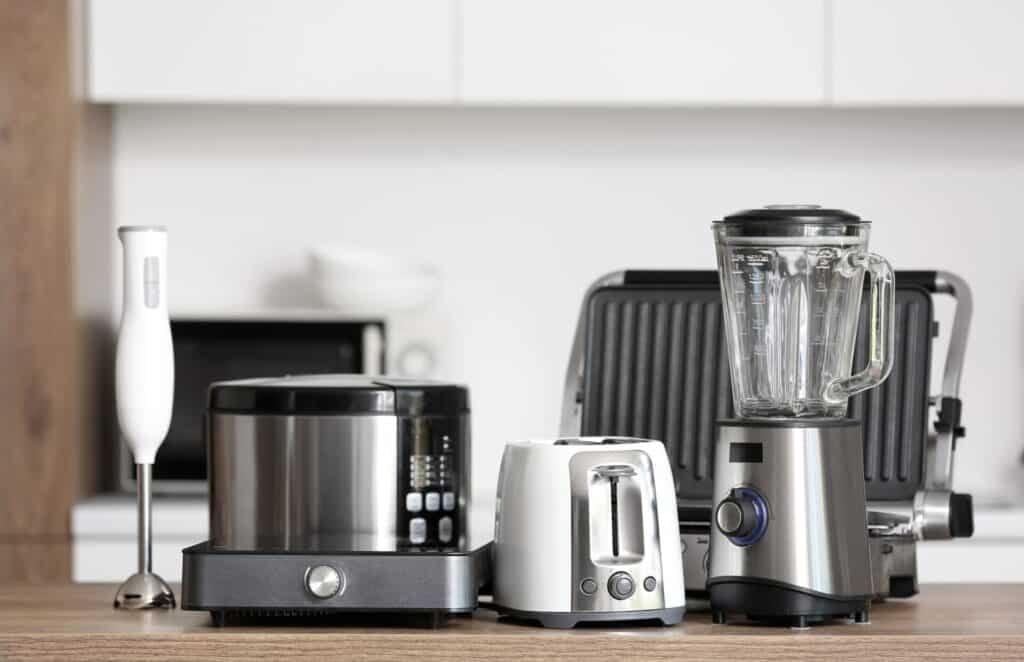
Ever held on to clothes that don’t fit or an appliance that hasn’t worked in years? You’re likely finding reasons to keep them, including a niggling in the back of your mind that just maybe they’ll be useful one day. The trouble is, the money has already been spent, and keeping something that isn’t useful doesn’t bring it back. The same goes for subscriptions you no longer use or a bargain that stays untouched; it’s still money spent.
A Little Clear-Out Can Go a Long Way
One of the best things about financial Feng Shui is that you don’t need to tackle everything at once. Start with clothes you haven’t worn in ages and see what you can donate, sell, or repair. Start with clothes you haven’t worn in ages and do the same with kitchen appliances that are taking up space but rarely get used. What about the drawers full of old paperwork?
Even the phone could do with a bit of attention. Unused apps, old screenshots, duplicate photos, and subscriptions that still charge every month can easily be overlooked. A few minutes when there’s time is better than putting everything off because the job feels too big.
And there’s no need to get rid of things simply for the sake of it. If something is useful or matters, then keep it. The point isn’t to turn a home into an empty room with a sofa in the middle; it’s to make space for the things that belong there.
Money Has a Way of Slipping Through the Cracks
The financial side of this deserves just as much attention as the physical clutter. Take a look at the last couple of months of bank transactions, not just the rent, bills and groceries. Look at the smaller payments, like monthly charges, which might be easy to ignore because they seem insignificant, but a few of those, repeated over a year, can add up to money that could have gone somewhere far more useful. Spending money on something enjoyable isn’t automatically a bad decision; it’s when payments continue without much thought that things can get messy.

And while reviewing finances, it makes sense to think about more than personal spending. For Muslim households, zakat may be one of the household expenses that needs to be accounted for during the year. Setting aside money to give zakat can be part of that planning, although how much someone gives depends on their individual financial circumstances.
The Last Thing Anyone Needs Is More Stuff
One of the ironies of financial Feng Shui is that decluttering can quickly turn into another reason to shop. The wardrobe gets cleared, so you need new storage boxes. The kitchen gets organised, so a matching set of containers suddenly seems very important. Before long, more money has been spent trying to manage the things already in the house.
Repair things instead of replacing them, pass on clothes you no longer wear, and use what’s already at home. The United Nations Environment Programme encourages reducing waste, so before buying something new, ask yourself: do you really need it? Could something be borrowed instead? Not every purchase needs to be analysed to death, but buying less of what you don’t need can save money and resources.
Financial Feng Shui Means Letting a Few Things Go

Of course, there’s no need to get everything right, and what works for you now might not work a year down the line. Homes get cluttered, expenses change and things we once thought were useful can end up gathering dust. The idea behind financial Feng Shui is simply to take stock every so often, whether that means clearing out a drawer, going through your bank statements or cancelling subscriptions you no longer use. And before buying something new, it’s always worth asking yourself whether you really need it or if it’s just going to end up forgotten at the back of a cupboard.
Financial Feng Shui won’t magically improve a bank balance, and clearing clutter doesn’t guarantee prosperity. But paying attention to what is being kept, bought and paid for can make life a little easier.
Sometimes, the problem isn’t that there isn’t enough. It’s that too much is being held on to without much thought. And that’s worth looking at, whether it’s a crowded cupboard or money quietly leaving a bank account every month.