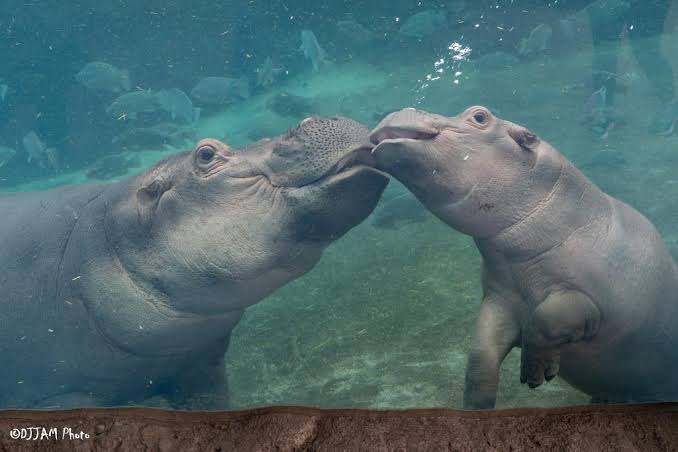
Fiona, the hippo whose remarkable fight for survival captured hearts around the world, has died at the Cincinnati Zoo in the United States after swallowing a visitor’s knitted hat.
The nine-year-old much-loved Nile hippopotamus died on Thursday, November 19, following an 11-day medical emergency during which veterinarians worked around the clock to help her pass the foreign object through her digestive system.
The Cincinnati Zoo & Botanical Garden confirmed the news in an emotional statement, describing Fiona’s death as a devastating loss for staff and the millions of people who had followed her extraordinary journey since birth.
‘We are in shock at the moment,’ said zoo director Dave Jenike. ‘We did not expect this outcome. She fought until she couldn’t anymore.’
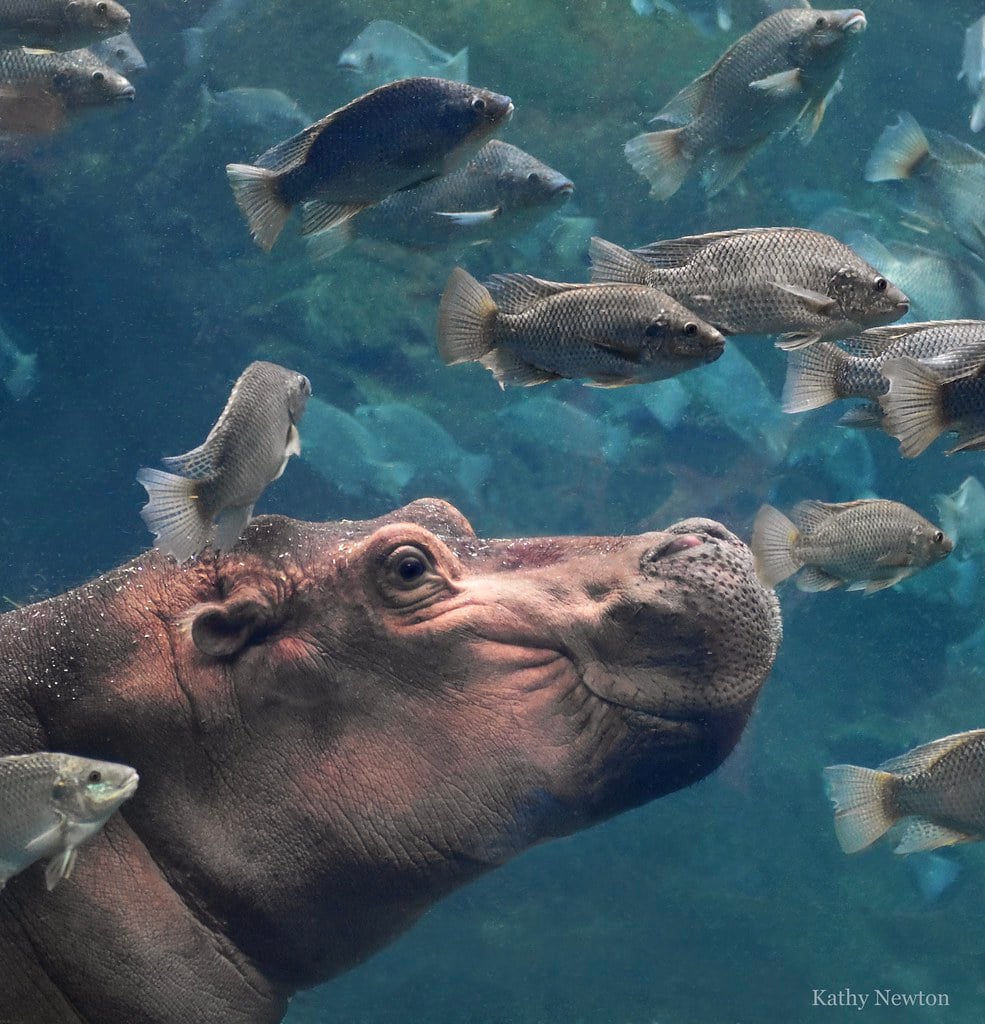
The zoo said its veterinary team had exhausted every available treatment option, but Fiona’s condition ultimately proved impossible to overcome. Cincinnati Zoo & Botanical Garden+1
A tragic accident
The incident began on November 8 when a visitor tossed a knitted hat into the air near Fiona’s enclosure. The hat struck a ceiling fan and was propelled through a small opening above the habitat’s viewing windows, landing inside.
Fiona swallowed the hat before the keepers could retrieve it. Zoo spokesperson Michelle Curley confirmed that the incident was accidental, although its consequences would prove fatal.
Initially, Fiona showed no obvious signs of distress. However, as the days passed, her appetite declined and veterinary staff became increasingly concerned that the hat was obstructing her digestive system.
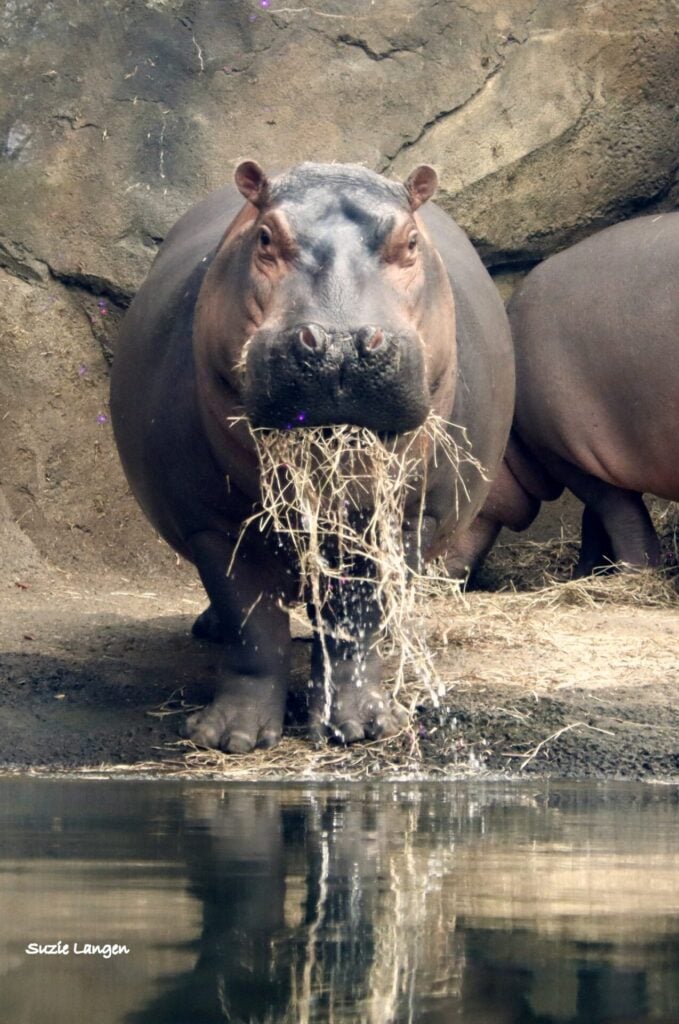
The zoo placed her under continuous observation, monitoring her hydration, providing medication and encouraging her to eat in the hope that the object would move naturally through her body.
Veterinarians sedated Fiona twice to examine her condition. An ultrasound revealed bunching in her intestines, while a colonoscopy using a 2.7-metre scope failed to locate the hat.
In an unusual attempt to stimulate her digestive system, the team borrowed a vibration plate from a nearby horse farm, encouraging Fiona to stand on it several times a day. The hope was that the gentle vibrations would help the hat move through her intestines.
Surgery was considered too dangerous because of Fiona’s size and the complexity of hippopotamus anatomy. Adult hippos have multi-chambered stomachs, making it extremely difficult to locate and remove foreign objects.
Despite the team’s efforts, Fiona’s condition deteriorated.
‘Our animal care team was heroic in their efforts to save her,’ Jenike said. ‘They did everything possible, but her body couldn’t fight anymore.’
The miracle hippo who defied the odds
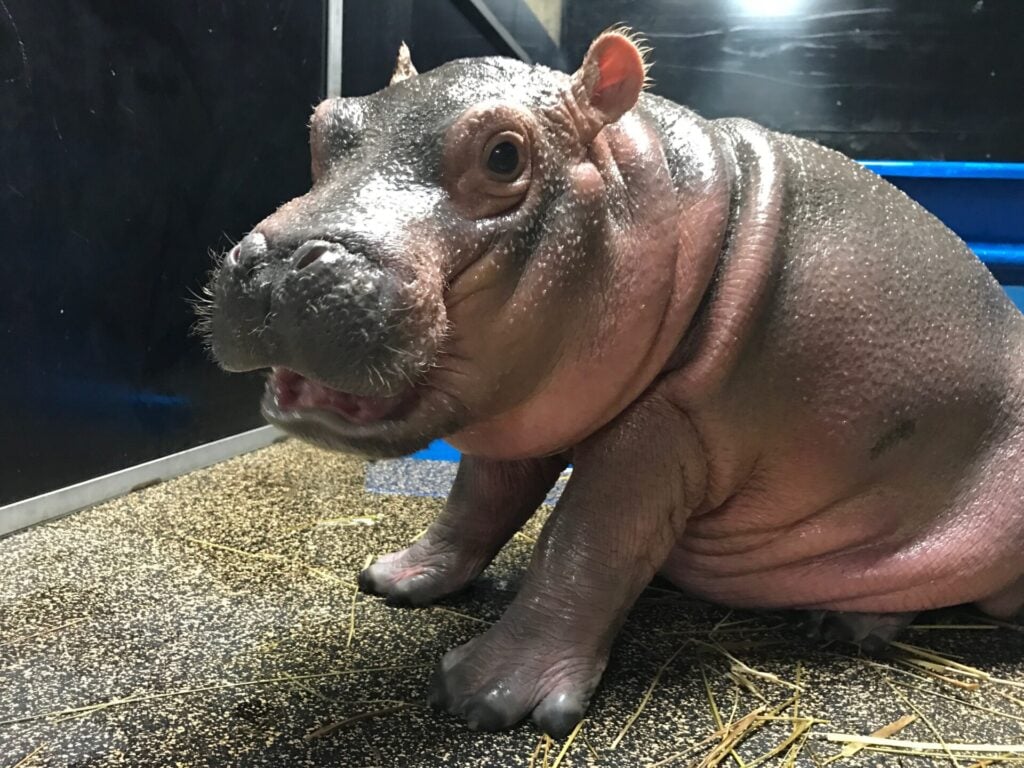
Fiona’s story began in January 2017, when she was born six weeks prematurely to parents Bibi and Henry.
Weighing just 13 kilograms, less than half the normal birth weight for a newborn hippopotamus, she was so small and weak that she could neither stand nor nurse independently.
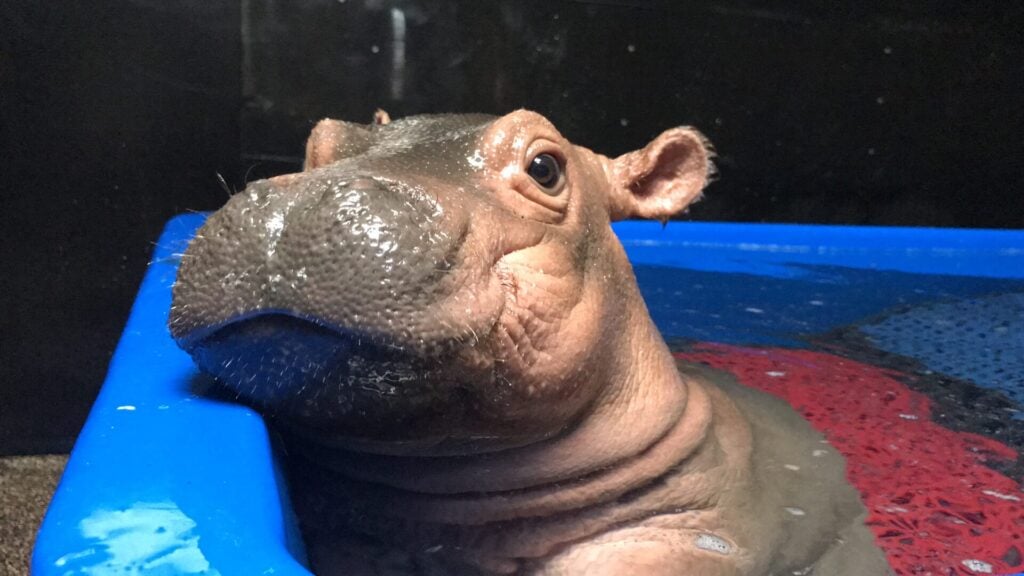
Keepers and veterinarians provided intensive care, including hand-feeding her milk expressed from her mother, while documenting her progress through photographs and videos shared online.
As Fiona gradually gained strength, learned to swim and began interacting with her surroundings, she became an unlikely internet celebrity. Millions followed her development, celebrating each milestone as the tiny hippo grew into a healthy, playful youngster.
Her story inspired children’s books, merchandise and a devoted international following, transforming her into one of the world’s most recognisable zoo animals.
She was also credited with bringing renewed public affection to Cincinnati Zoo following the controversy surrounding the death of Harambe, a gorilla shot in 2016 after a child entered his enclosure.
A lasting legacy for conservation
Beyond her internet fame, Fiona helped introduce millions of people to a species facing serious conservation challenges in the wild.
The common hippopotamus (Hippopotamus amphibius), also known as the Nile hippopotamus, is classified as Vulnerable on the International Union for Conservation of Nature’s (ICUN) Red List.
Native to sub-Saharan Africa, hippos face increasing pressure from habitat loss, human-wildlife conflict and illegal hunting for their meat and ivory-like canine teeth.
Fiona’s popularity helped raise awareness of these threats, demonstrating how an individual animal can inspire public interest in wildlife conservation.
Cincinnati Zoo, which supports conservation programmes both locally and internationally, said Fiona had done an extraordinary amount to encourage people to care about her species.
Her death has also renewed attention on the dangers posed by foreign objects entering animal enclosures, even accidentally. Wildlife facilities have repeatedly warned visitors that discarded food, clothing and other personal belongings can cause serious injuries or death when swallowed by animals.
An outpouring of grief
Within hours of the announcement, visitors began leaving flowers, cards and messages beside a hippopotamus statue outside Cincinnati Zoo. Cincinnati Mayor Aftab Pureval paid tribute to Fiona, describing her as a symbol of perseverance and joy who had brought happiness to families around the world.
Fiona, who would have celebrated her tenth birthday in January, leaves behind her mother Bibi and younger brother Fritz, born in 2022. For the keepers who cared for her from her fragile first days, the loss is particularly profound.
‘Fiona was such a gift,’ said Thane Maynard, executive chair of the zoo’s board. ‘I have never known an animal so beloved in all my life.’