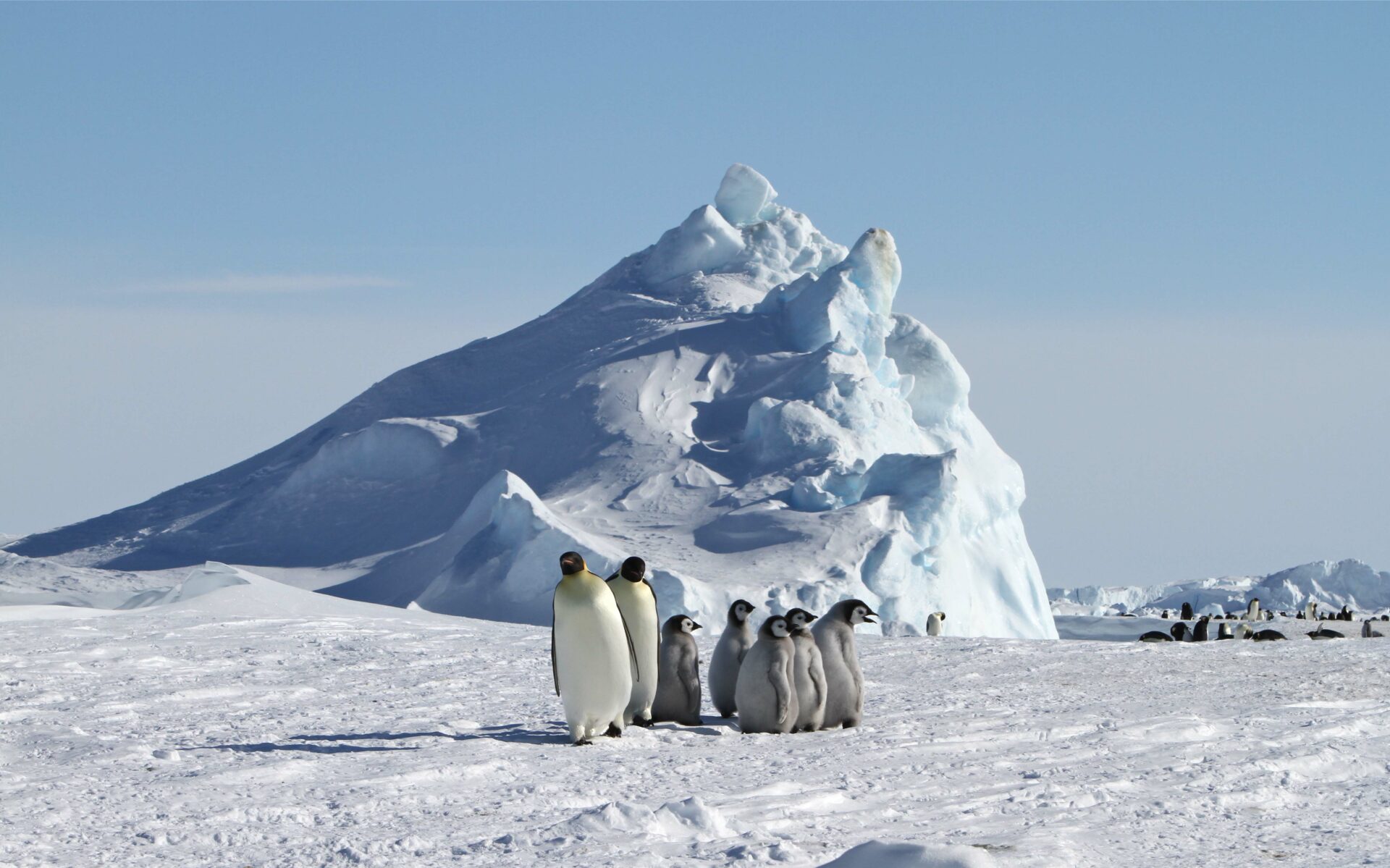
The climate crisis is causing the mass drowning of emperor penguin chicks as sea ice melts, putting the species at serious risk of extinction, according to alarming new reports.
The International Union for Conservation of Nature (IUCN) has now declared emperor penguins endangered. Its Red List is widely regarded as the most comprehensive global assessment of the conservation status of animal, fungus and plant species.
Emperor penguins rely on sea ice that is firmly attached to the Antarctic coast for up to nine months of the year. This stable platform allows chicks to hatch and grow until they develop waterproof feathers. Adults also depend on the ice during their annual moulting period, when they must remain out of the water while their feathers regrow.
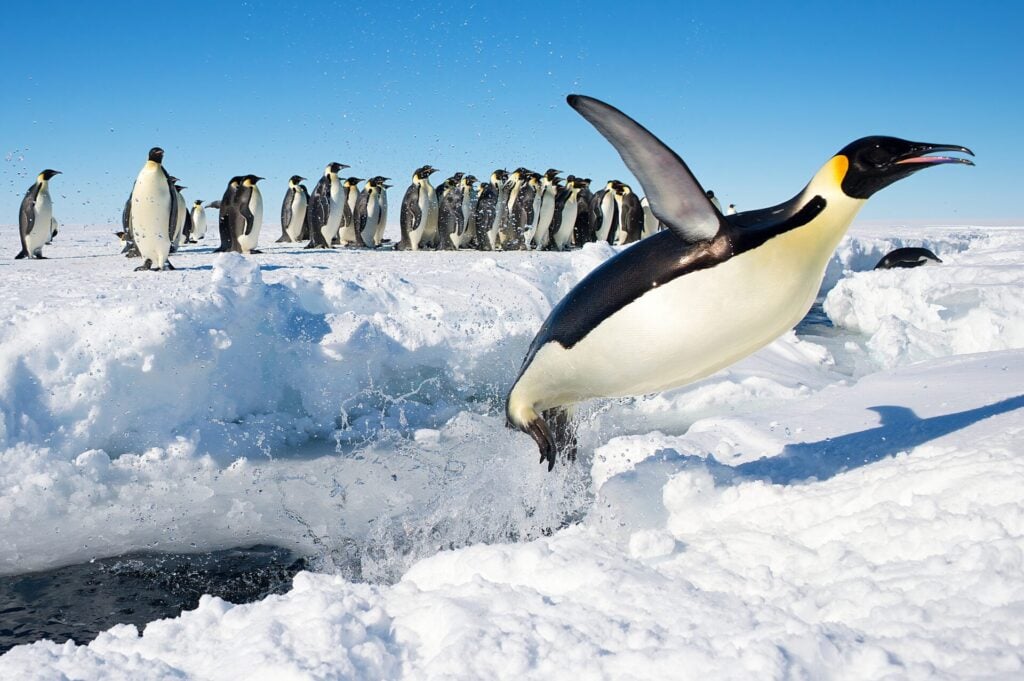
However, global heating has led to record lows in Antarctic sea ice since 2016. As ice forms later and breaks up earlier, entire colonies can collapse into the ocean, leaving chicks to drown or freeze to death.
In 2022, four of the five known emperor penguin breeding sites in the Bellingshausen Sea collapsed, resulting in the loss of thousands of chicks. A similar event occurred in the Weddell Sea in 2016.
‘The emperor penguin’s move to Endangered is a stark warning: climate change is accelerating the extinction crisis before our eyes. Governments must act now to urgently decarbonise our economies,’
Martin Harper, CEO of BirdLife International,
The IUCN assessment projects that the emperor penguin population could halve by the 2080s due to continued sea ice loss. The current population is estimated at around 595,000 adults, having already declined by approximately 10 per cent between 2009 and 2018.
Emperor penguins sound alarm
The species, the largest of all penguins, has moved up two categories on the Red List from ‘near threatened’ to ‘endangered’.
‘Penguins are already among the most threatened birds on Earth. The emperor penguin’s move to Endangered is a stark warning: climate change is accelerating the extinction crisis before our eyes. Governments must act now to urgently decarbonise our economies,’ said Martin Harper, CEO of BirdLife International, which coordinated the emperor penguin assessment as the authority for birds on the IUCN Red List.
Marine ecologist Dr Philip Trathan, who also worked on the assessment, said: ‘Human-induced climate change poses the most significant threat. Early sea ice breakup is already affecting colonies around the Antarctic, and further changes in sea ice will continue to affect their breeding, feeding and moulting habitat.
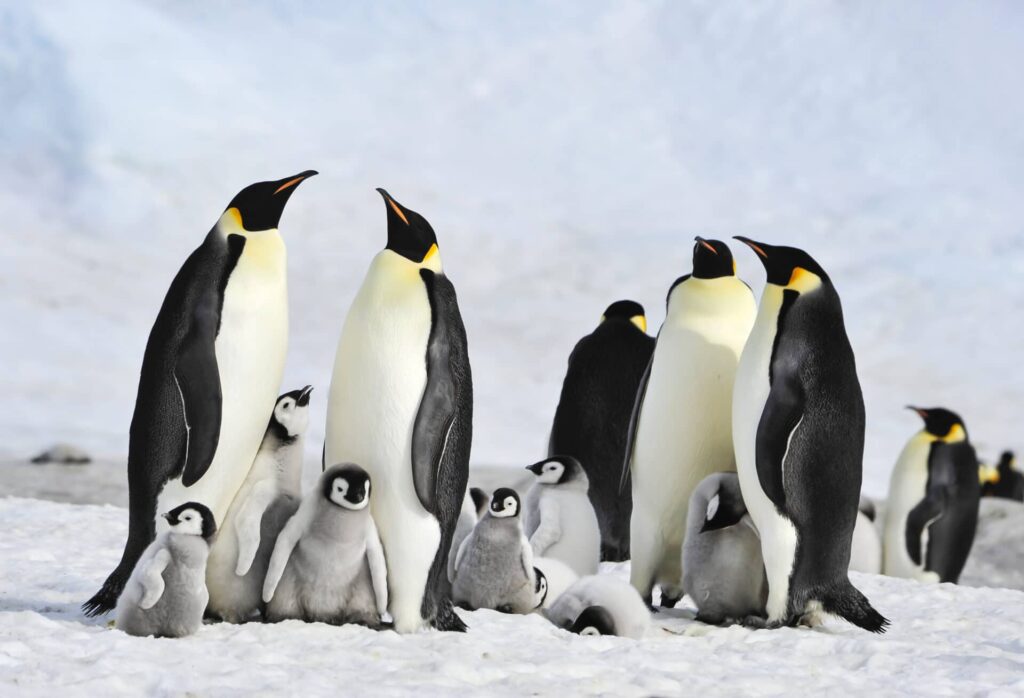
‘Emperor penguins are a sentinel species that tell us about our changing world and how well we are controlling greenhouse gas emissions that lead to climate change.’
Beyond the immediate loss of sea ice, scientists warn that emperor penguins are facing a cascade of longer-term challenges. Changes in ocean conditions are affecting the availability of key food sources such as krill and fish, forcing adults to travel further to feed and reducing the chances of chicks surviving their first months.
At the same time, more frequent and intense weather events are increasing the vulnerability of already unstable breeding grounds. Taken together, these pressures are reshaping one of the most extreme ecosystems on Earth — and the species that have evolved to depend on it.
The World Wide Fund for Nature (WWF) says phasing out fossil fuels is essential to halt global heating. It is also calling for emperor penguins to be listed as a ‘specially protected species’ at the upcoming Antarctic Treaty meeting in Japan.
This designation could help reduce additional pressures on their habitat, including tourism and shipping.
Rod Downie, Chief Advisor for Polar and Oceans at WWF-UK, added: ‘With the shocking decline in Antarctic sea ice we are currently witnessing, these icons on ice may well be heading down the slippery slope towards extinction by the end of this century – unless we act now. The fate of these magnificent birds is in our hands.’