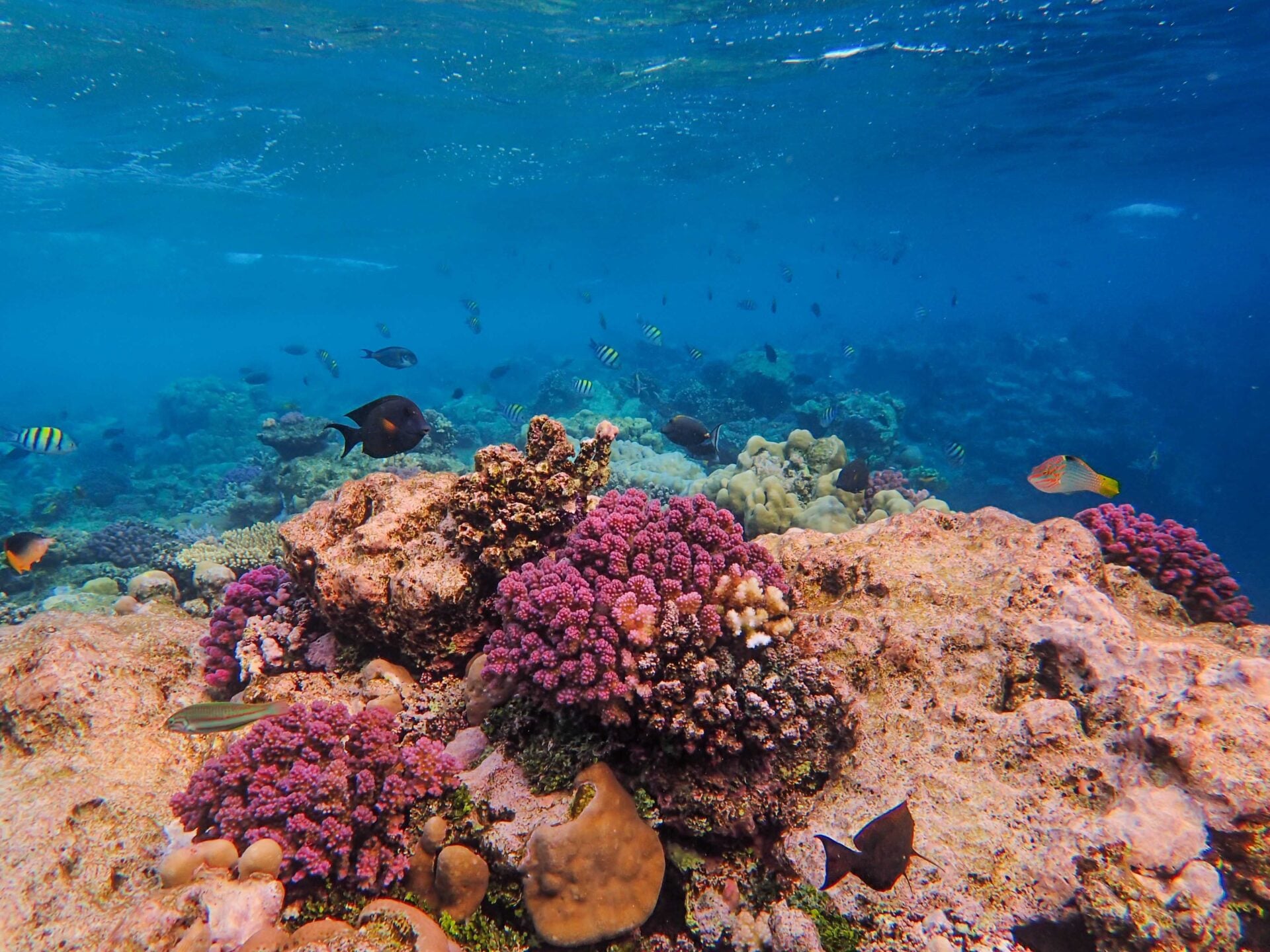
The Arabian Gulf is one of the hottest marine environments on Earth, yet coral reefs continue to survive in waters that would prove fatal to many of their counterparts elsewhere.
These unusually resilient corals are offering scientists a valuable glimpse into how marine organisms respond to extreme heat and what may happen to tropical reefs as climate change drives ocean temperatures higher.
Speaking at the inaugural Dubai Environment Conference and Exhibition (DECE 2026), Professor John Burt, Director of the Mubadala Arabian Center for Climate and Environmental Sciences and Professor of Biology at NYU Abu Dhabi, described the Arabian Gulf as ‘one of the world’s most interesting seas’.
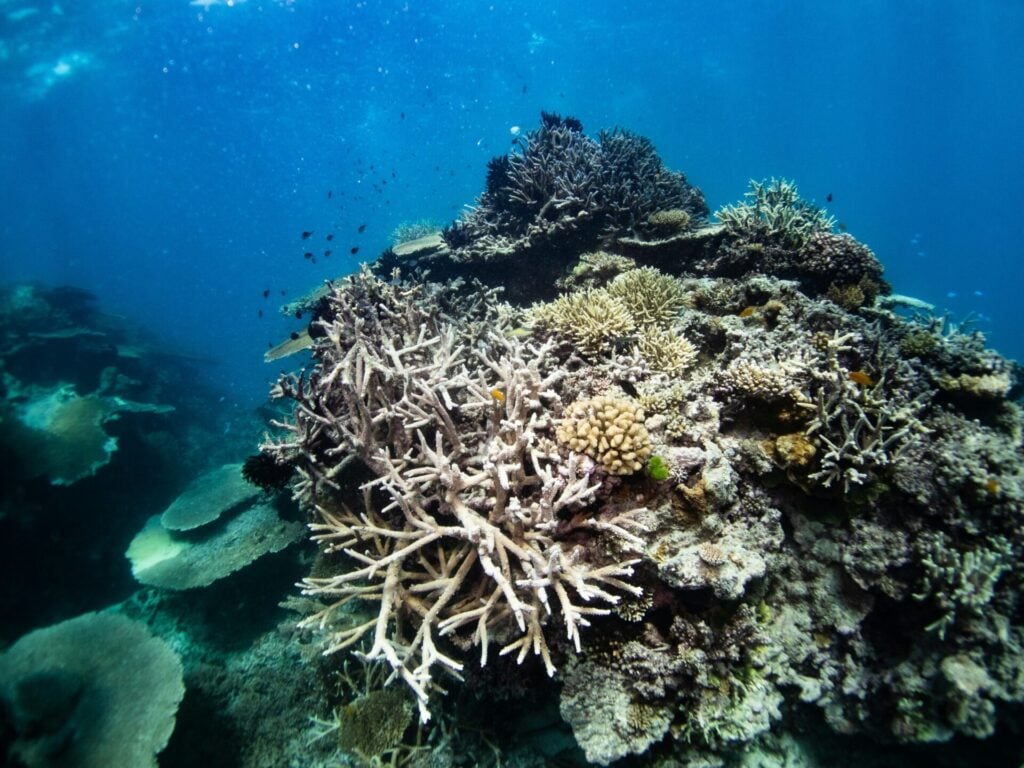
The Gulf is home to some of the planet’s most heat-tolerant coral reefs, capable of surviving water temperatures of up to 36°C. It also contains approximately four per cent of the world’s seagrass beds, making the region important not only for biodiversity but also for climate research.
‘For us, the Arabian Gulf represents an important natural laboratory to try and understand how organisms cope with and respond to extreme environmental conditions,’ said Professor Burt. ‘Questions that are incredibly important as our climate continues to change globally.’
‘We can look at the systems here and use the insights to try and forecast what might happen in other parts of the tropics as the water there becomes more Gulf-like in the coming decades,’
Professor John Burt, Director of the Mubadala Arabian Center for Climate and Environmental Sciences
Rising sea temperatures are causing widespread coral bleaching, which occurs when heat-stressed corals expel the microscopic algae living in their tissues. Without these algae, corals lose a major source of nourishment, turn white and become more vulnerable to disease and death.
The ability of Gulf corals to endure far higher temperatures could therefore help researchers understand the biological mechanisms that make certain reefs more resilient than others.
‘We can look at the systems here and use the insights to try and forecast what might happen in other parts of the tropics as the water there becomes more Gulf-like in the coming decades,’ Professor Burt explained.
Resilient but not invincible
Their tolerance of extreme temperatures does not make the Arabian Gulf’s corals immune to environmental damage, however.
The Gulf is a shallow, semi-enclosed sea subject to intense coastal development, pollution, dredging and rapidly changing temperatures. Its marine ecosystems have to deal with unusually warm water during summer as well as sharp seasonal fluctuations.
That makes protecting the habitats surrounding the reefs equally important. Seagrass meadows, mangroves and coral systems support one another, providing food, shelter and breeding grounds for marine species, including dugongs and sea turtles.
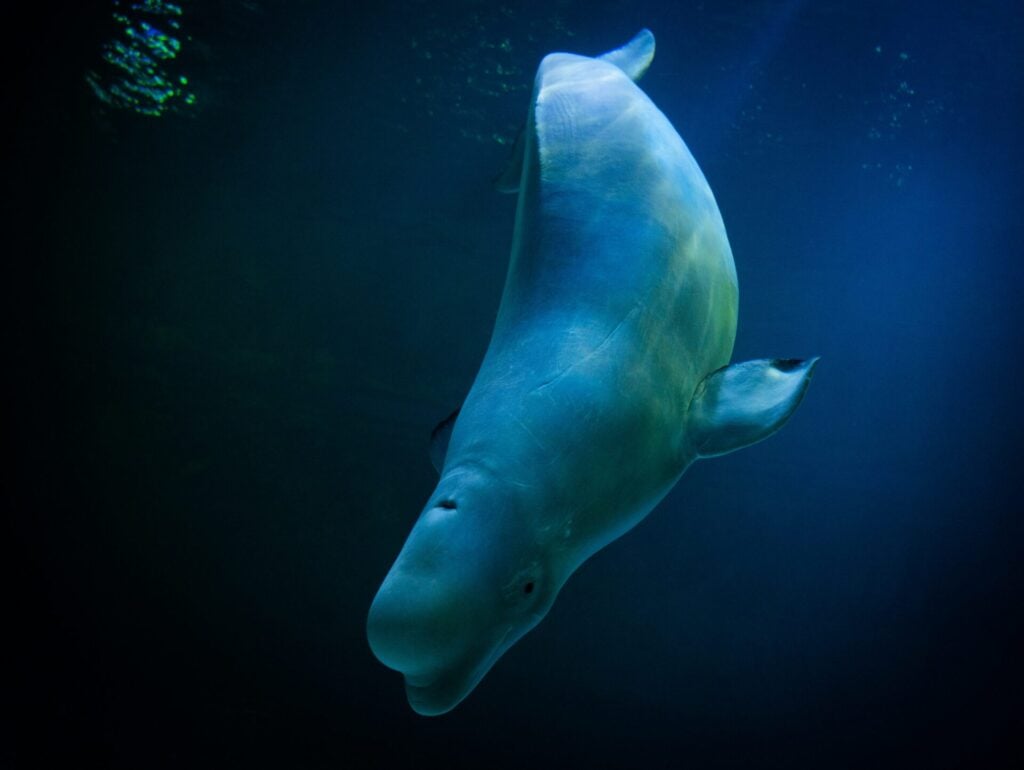
Discussions at DECE consequently emphasised the importance of international cooperation in protecting migratory wildlife and connected marine habitats. Animals do not remain within national boundaries, and damage to one section of an ecosystem can have consequences across the wider region.
Dubai Reef also presented its work to support marine life in Dubai’s waters, while other exhibitors demonstrated technologies including drones designed to monitor marine and terrestrial environments.
A warning as well as an opportunity
Scientists may be able to learn from the Gulf’s heat-adapted corals, but their existence should not be interpreted as evidence that reefs elsewhere will simply adjust to rising temperatures.
Coral resilience is shaped by genetics, local conditions and generations of adaptation. Even the Gulf’s exceptionally robust reefs remain exposed to the combined effects of warming, habitat destruction and declining water quality.
Their greatest value may therefore lie in helping researchers identify which coral populations are most resilient, understand how that resilience develops and improve forecasts for reefs in other parts of the world.
DECE 2026 brought together more than 60 speakers from government, academia, conservation organisations and the private sector for discussions spanning marine conservation, biodiversity, air quality, water scarcity and climate resilience.
Yet among the event’s many subjects, the Gulf’s extraordinary corals provided one of its clearest reminders: some species are already living in the extreme conditions that climate change threatens to bring elsewhere.
Understanding how they survive could prove crucial. Protecting them while scientists still have the opportunity to do so may be even more important.