
When shopping for clothes, it’s easy to focus on the price tag. A lower price often feels like the better deal, but the cheapest option isn’t always the most affordable – or the most sustainable – in the long run.
Cost per wear is one of the simplest ways to make smarter purchasing decisions. Rather than judging an item by its upfront price, it measures its true value based on how often you actually wear it. The more you wear a piece, the lower its cost per wear becomes, making it a more worthwhile investment for both your wallet and the environment.
For anyone looking to embrace sustainable fashion, build a timeless wardrobe, or reduce unnecessary consumption, cost per wear offers a practical way to shop with confidence.
What Is Cost Per Wear?
Cost per wear is a simple calculation that helps you understand the long-term value of your clothing.
Instead of asking, ‘Is this item cheap?‘, ask:
‘Will I wear this enough for it to be worth the money, resources, and wardrobe space?‘
This small change in thinking encourages better purchases and prevents impulse buying.

How to Calculate Cost Per Wear
The formula is straightforward:
Cost Per Wear = Purchase Price ÷ Number of Times Worn
For example:
- Dress price: £150
- Worn: 30 times
Cost Per Wear = £150 ÷ 30 = £5 per wear
A garment that costs more initially may actually become the better investment if it lasts longer and is worn frequently.
Why Cost Per Wear Matters for Sustainable Fashion
Cost per wear is about much more than saving money.
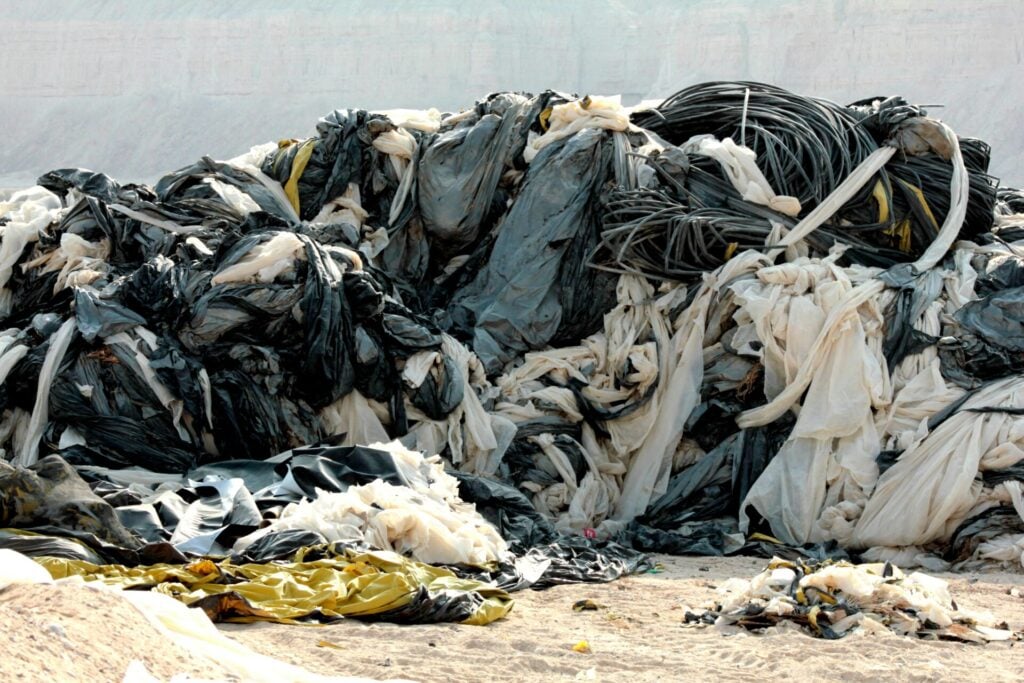
Every piece of clothing requires raw materials, water, energy, and labour to produce. Wearing garments for longer helps maximise those resources while reducing unnecessary waste.
According to WRAP, extending the life of clothing by just nine months can reduce its carbon, water, and waste footprint by up to 20 per cent.
Choosing fewer, better-made garments also supports the principles of slow fashion, encouraging quality over quantity and helping create a wardrobe built around longevity rather than trends.
Why Cheap Clothing Can Cost More
Low-priced clothing often appears to offer better value, but poor-quality garments frequently lose their shape, fade, stretch, pill, or fall apart after relatively little wear. If you repeatedly replace the same item, the cheaper option can quickly become the more expensive one.
Trend-driven purchases can have the same effect. Clothing bought for a single season or occasion often sits unworn afterwards, increasing its cost per wear and its environmental impact. Investing in quality clothing that you’ll continue reaching for year after year usually delivers greater long-term value.
What Makes Clothing Worth Wearing Again and Again?
Before buying any new piece, consider the following qualities.
Fit
Clothing that fits comfortably is far more likely to become a regular part of your wardrobe. If an item feels restrictive or constantly needs adjusting, you’ll probably stop wearing it.
Comfort
The best clothing feels effortless. If something becomes uncomfortable after only a few hours, it may never become one of your wardrobe essentials.

Fabric Quality
Quality fabrics generally hold their shape better and withstand repeated washing. Before purchasing, check the thickness, texture, and overall feel of the material.
Construction
Before purchasing an item, turn it inside out. The seams should lie flat with no loose threads or puckering. On swimwear specifically, check that the lining is fully stitched at every edge rather than only at the hem. Press the stitching between your fingers. If it feels secure, not like it would unravel with pressure. Check where straps attach to the body of the piece. This is where cheap construction fails first.
Versatility
Ask yourself whether the item works with at least three other pieces already in your wardrobe. Clothing that mixes easily with existing outfits naturally gets worn more often.
Timeless Design
Classic silhouettes, neutral colours, and clean lines usually outlast seasonal trends. Choosing timeless wardrobe staples helps reduce unnecessary shopping.
Multi-Purpose Wear
Can the piece transition between different occasions?
For example, a linen shirt might work for sightseeing, lunch, evenings out, or as a beach cover-up. The more situations it suits, the lower its cost per wear becomes.
Easy Care
Check the care label before you buy an item. If it says dry clean only or hand wash in lukewarm water with specialist detergent, ask yourself if you will be able to manage the upkeep. Because items that require special care may be worn less if you aren’t okay with the maintenance they require. For example, a well-made swimwear item that can go multiple places with you throughout your day might be more enticing to take care of than an item requiring constant upkeep with limited payoff.
Questions to Ask Before Buying Clothes
Before making a purchase, ask yourself:
- Where will I wear this?
- Can I style it in multiple ways?
- Will I still enjoy wearing it next year?
- Does it work with clothes I already own?
- Is it comfortable enough that I’ll genuinely reach for it?
- Will I wear it at least 30 times?
- Is this replacing something I already own, or simply adding more?
If you answer yes to most of these questions, there’s a good chance the garment will become a worthwhile investment.
Cost Per Wear Is About More Than Looks – Choose Your Items Accordingly
Cost per wear helps shift the focus from price to the long-term value of your wardrobe. A more sustainable closet begins with choosing pieces that you will genuinely use. Buying less, wearing more, and choosing carefully can make style feel more practical and less wasteful at the end of the day. Shop accordingly.
Frequently Asked Questions
What is cost per wear?
Cost per wear measures the value of a garment by dividing its purchase price by the number of times it is worn. It helps shoppers make more informed and sustainable purchasing decisions.
How do you calculate cost per wear?
Simply divide the purchase price of a garment by the number of times you expect to wear it.
For example, a £120 jacket worn 60 times has a cost per wear of £2.
Why is cost per wear important?
Cost per wear encourages people to invest in clothing they will genuinely wear for years, reducing waste and supporting a more sustainable approach to fashion.
Does expensive clothing always have a lower cost per wear?
Not necessarily. A more expensive item only offers better value if it is worn regularly. Clothing that sits unworn in your wardrobe will always have a high cost per wear, regardless of its quality.
How does cost per wear support sustainable fashion?
By encouraging fewer, more thoughtful purchases, cost per wear helps reduce overconsumption, supports clothing longevity, and promotes a more sustainable wardrobe built around quality rather than quantity.