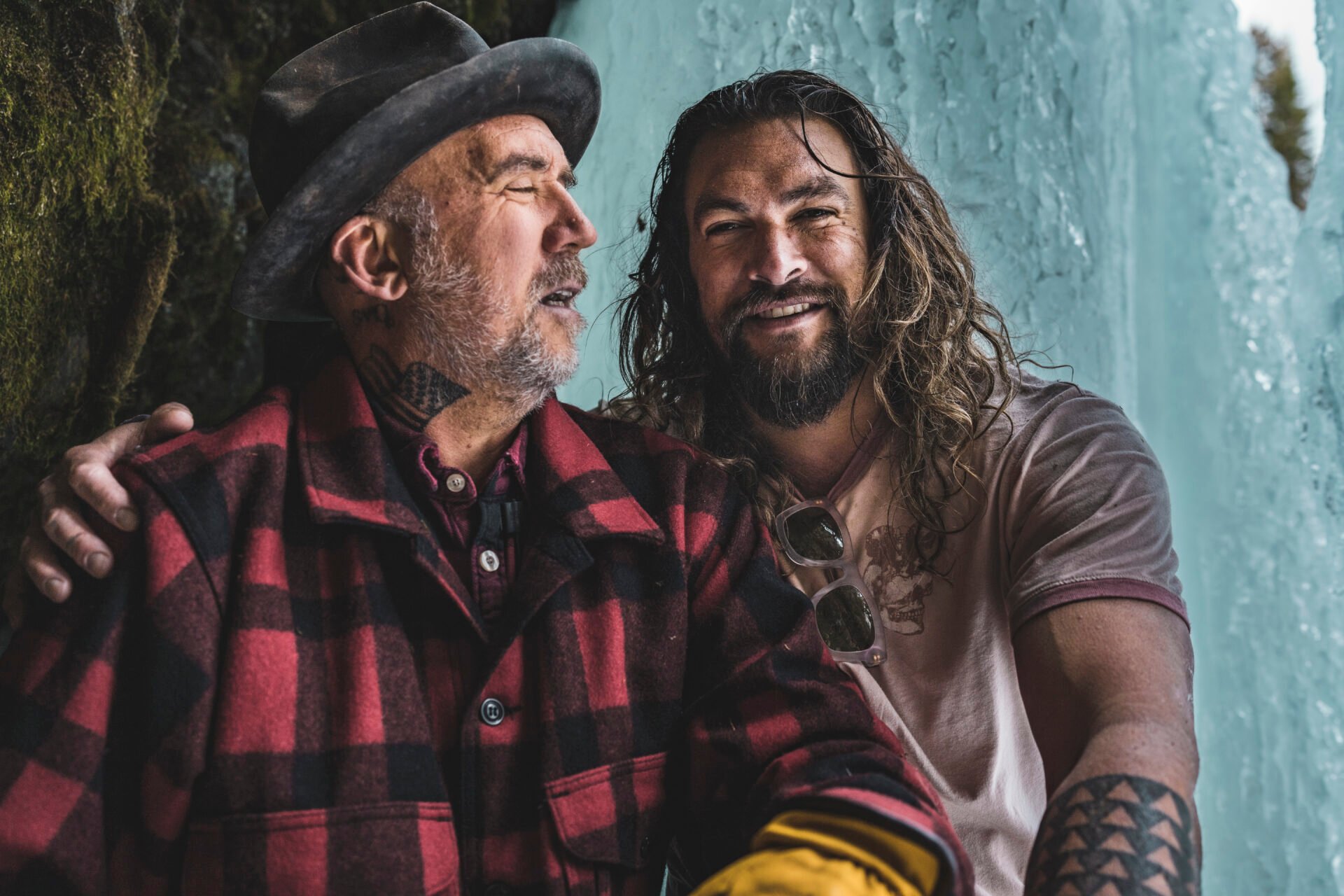
Dubai has never been short on celebrity launches. What makes Meili Vodka different is that it didn’t start with a brand deal — it started with a dislike.
Jason Momoa didn’t like vodka, and he didn’t drink it either. To him and his longtime business partner Blaine Halvorson, vodka wasn’t a spirit so much as an ingredient meant to be hidden inside a cocktail rather than enjoyed in its own right. Mezcal, whisky and scotch were for sipping; vodka, they felt, lacked depth, story and soul.
This month, after nine years in the making, Jason Momoa arrived in the city to launch Meili Vodka, his Montana-made spirits brand, through a multi-venue experiential partnership with Hilton Dubai Palm Jumeirah. The activation rolled out across Barfly by Buddha-Bar, Trader Vic’s Palm, CLAW BBQ and McGettigan’s Factory, offering masterclasses, cocktail showcases and a launch night.
While it reads like a textbook hospitality collaboration, in person, it felt less about celebrity endorsements and more about fixing what Momoa sees as a broken category.
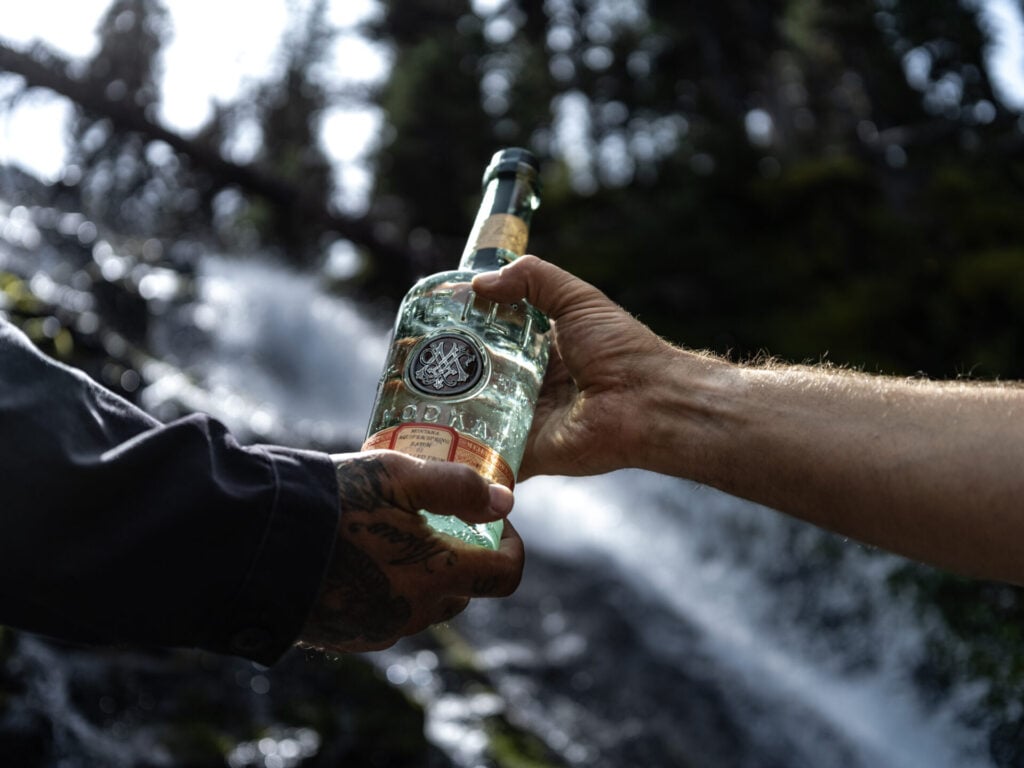
‘Vodka is supposed to be neutral,’ he tells The Ethicalist. ‘But most of it burns. It smells. It’s harsh , so no one drinks it neat. We wanted to make something you could actually sip’.
Meili Vodka is distilled just once, made from American corn and water drawn from a 300-million-year-old aquifer in Montana. The water is the point. Natural, unfiltered and sodium-free, it is one of the purest available in the United States, according to the EPA standards. This preserves the grain profile rather than masking it, resulting in a softer finish that works just as comfortably neat as it does in a cocktail. It’s why Meili Vodka is positioned as a ‘sipping vodka’ rather than a mixer-first spirit, and why it has racked up platinum and gold awards since launch.
‘The juice has to stand on its own,’ he says. ‘I don’t want this to be treated like a celebrity brand. If it’s good, people will choose it, sustainability just becomes part of that choice.’
Taste is Only Half the Story
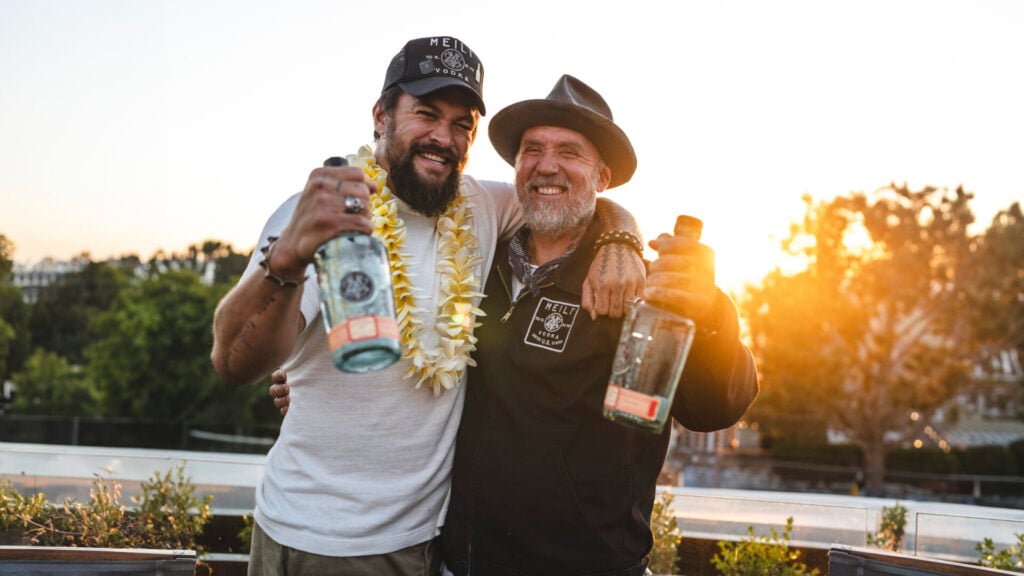
What sets Meili apart from the growing. A pile of celebrity spirits is that its eco-credentials don’t begin and end with recycled packaging or vague carbon claims. The brand sits within a broader environmental worldview that Momoa has been building for over a decade, on screen, behind the camera, and in business.
‘I just love nature,’ Momoa says candidly. ‘I’m a dirt-bag, tree-hugger – not a hippie – but I celebrate our water and our land.’
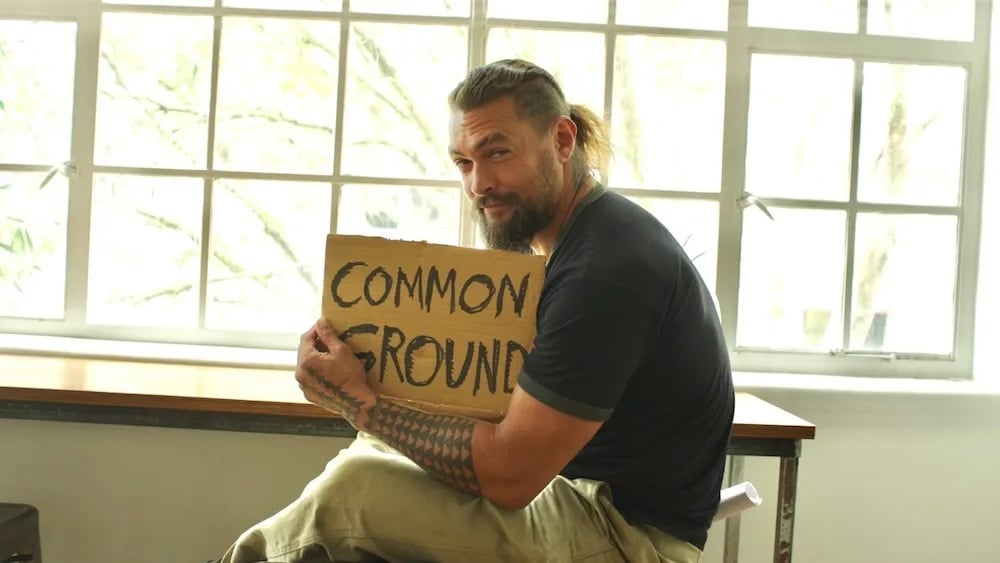
Momoa is an official Advocate for Life Below Water with the United Nations Environment Programme, using his platform to campaign against plastic pollution and for ocean protection. While his documentary Common Ground, which explores regenerative farming as a response to soil degradation, biodiversity loss and climate instability, is a clear expression of his beliefs. The film argues that environmental repair doesn’t require radical innovation so much as a return to systems that already work.
‘None of this is new,’ Momoa says. ‘We’ve known this for generations. Regenerative farming, soil health…this is how we used to work with the land. We’ve just forgotten it.’
The same thinking underpins Meili’s production and Mananalu, Momoa’s water brand, which he created to eliminate single-use plastic.
‘It’s archaic that we’re still drinking water from single-use plastic bottles,’ he says. ‘The technology already exists to eliminate that waste completely, especially in hospitality.’
Hotels are among the world’s largest consumers of single-use plastic, particularly bottled water. Momoa’s company, Mananalu, uses infinitely recyclable aluminium bottles and has since evolved into a closed-loop system for hotels, schools, and hospitality venues: refilling, sterilising, and reusing bottles on site rather than shipping plastic across oceans.
‘The idea is to eliminate waste completely,’ he explains. ‘You use the water source that’s already there, filter it, sterilise it twice, refill the same aluminium bottles and reuse them like plates in a restaurant. There’s literally no reason for single-use plastic water bottles anymore.’
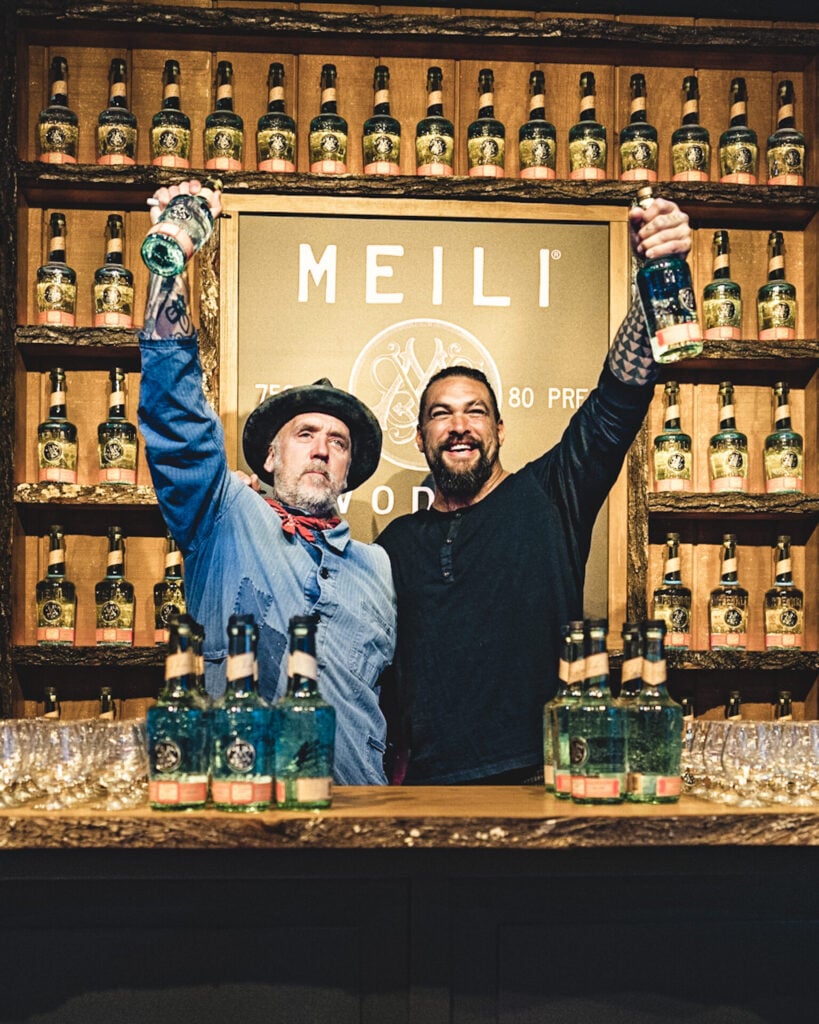
That same refusal to compromise runs through Meili Vodka. The brand is privately owned.
‘We could have sold out years ago,’ he says. ‘We could have gone with a big conglomerate, let them design the bottle and throw any vodka inside it. But that’s never been what this is about.’
Instead, Meili is positioned as what Momoa calls ‘affordable luxury’ priced accessibly, designed beautifully, to prove that sustainability doesn’t need to feel like a sacrifice. If people choose it because it tastes better, the environmental benefits follow naturally.
The Hilton partnership leans into that idea of experience over messaging. Guests encounter the vodka through craft, flavour and atmosphere first, and only then discover the thinking behind it.
For Momoa, that may be the most effective form of advocacy. ‘If you make something beautiful,’ he says, ‘people don’t feel like they’re changing their behaviour. They’re just choosing better.’