
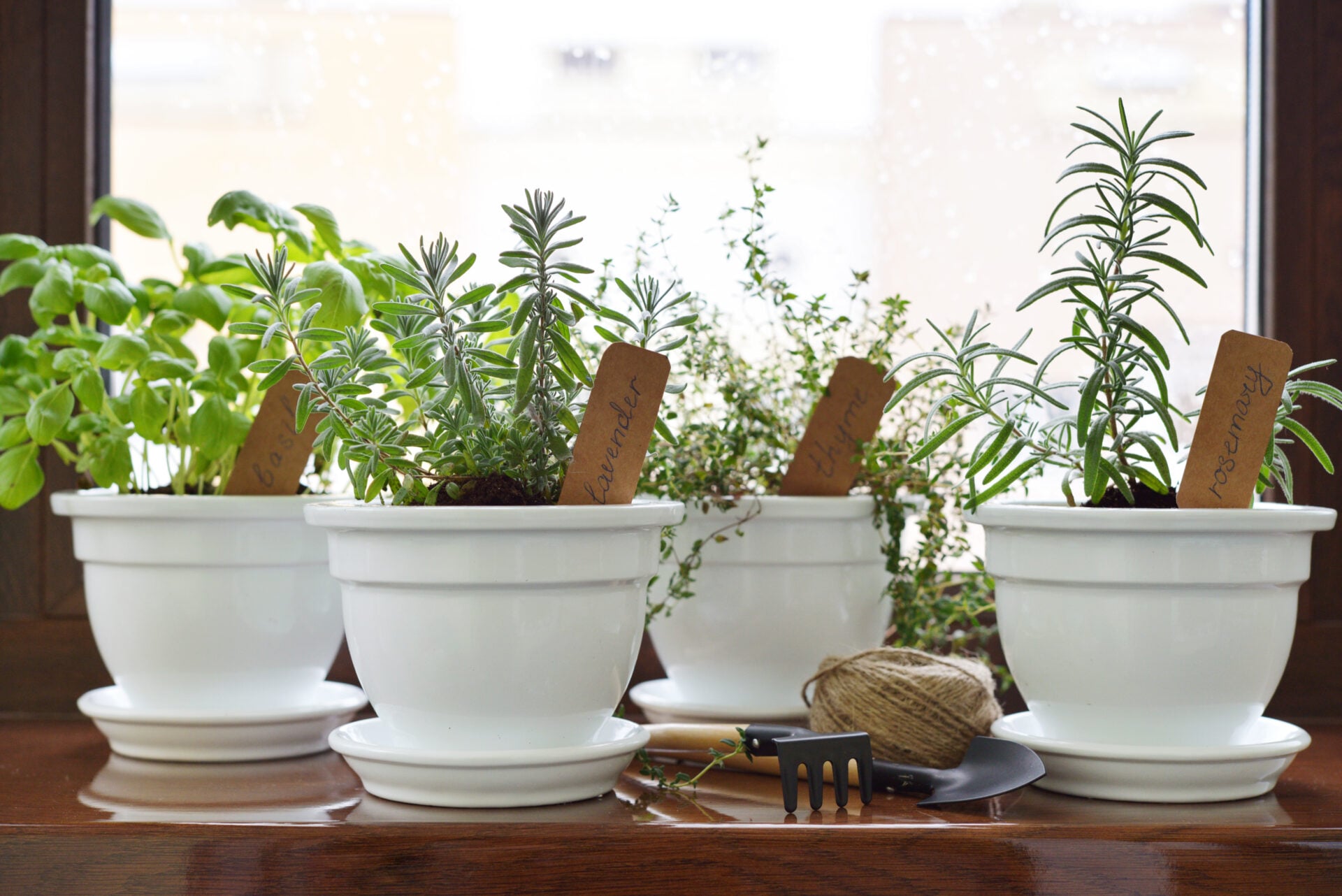
There’s a good chance your local coffee shop throws away a small mountain of coffee grounds every day, but did you know that some of that waste could end up helping your windowsill garden? Used coffee grounds can add organic matter to soil and give plant lovers an easy way to use something that would otherwise end up in the bin.
What Are the Benefits of Coffee Grounds for Plants?
If you’re hoping coffee grounds will act like a secret superfood for your plants, there’s a little myth-busting to do first. They contain up to 2 per cent nitrogen, plus small amounts of phosphorus, magnesium, calcium and potassium. Plus, you get trace amounts of iron, zinc, manganese and copper. Although that sounds impressive on a label, the quantities aren’t enough to cover all your plants’ nutritional needs.
Many people also think that coffee grounds are highly acidic. However, once brewed, they’re typically at a pH of 6.5 to 6.8, which makes them much closer to neutral than fresh coffee. Any change they cause to the soil pH is temporary. Therefore, you shouldn’t use them as a way to create permanently acidic soil.
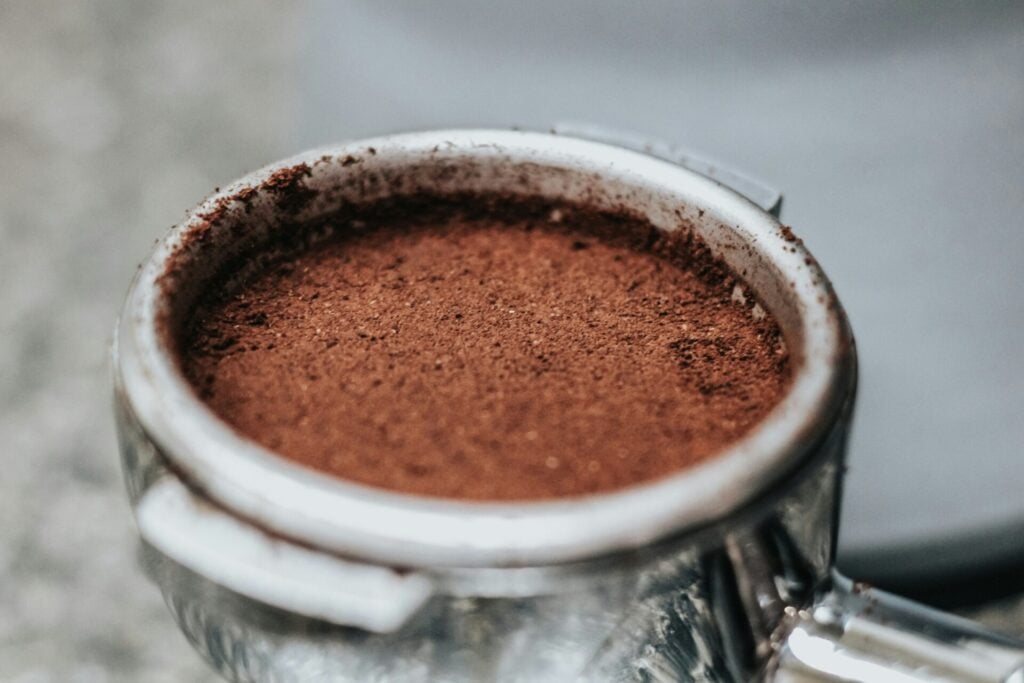
Their real value lies in what they can do for the soil in your windowsill garden. Once microbes get to work breaking down the grounds, they produce compounds that help soil particles form more stable aggregates. In practical terms, that can mean better structure and drainage, so roots get a more comfortable place to grow.
Where Can You Get Used Coffee Grounds?
Your best source of used coffee grounds for your windowsill garden may be sitting right behind the counter of the cafe you already visit. The next time you order a coffee, simply ask if the shop is willing to give you some of its used grounds. You may find that the staff already have a system for passing them on, or that they’re happy to let you take a portion away.
The next time you order a coffee, simply ask if the shop is willing to give you some of its used grounds. You may find that the staff already have a system for passing them on, or that they’re happy to let you take a portion away.
There’s plenty to go around. Spent coffee grounds are considered the largest source of waste in the coffee industry worldwide, with some research estimating that the industry produces up to 60 million tons — or over 54 million metric tons — of them annually. That makes your little container of grounds seem a bit insignificant, but small-scale reuse is still a great place to help reduce waste.
When collecting them, look for plain, used grounds without rubbish, sweeteners, milk or other ingredients mixed in. You don’t need to take home a giant sack, either. A modest amount is more practical for a windowsill garden, where pots have limited space and too much organic material can cause problems.
Doing this can turn your regular coffee run into a neat little local cycle. You pick up your coffee, the cafe avoids sending some of its waste straight to the bin, and you take home a useful material for your plants. Your coffee gets finished, but the grounds get another assignment.
How to Use Coffee Grounds for Plants
There are several ways to put used coffee grounds to work in your windowsill garden, but your pots certainly don’t need a coffee mountain. For a soil amendment, you can work grounds into the growing medium at up to 25 per cent of the soil volume.
A more conservative approach is to work about 1.25 cm of grounds into the top 10 cm of soil to give the material room to break down without forming a dense crust. If you prefer mulch, keep the layer light and cover it with leaves or bark. The extra layer may help stop the surface from drying out and becoming water-repellent.
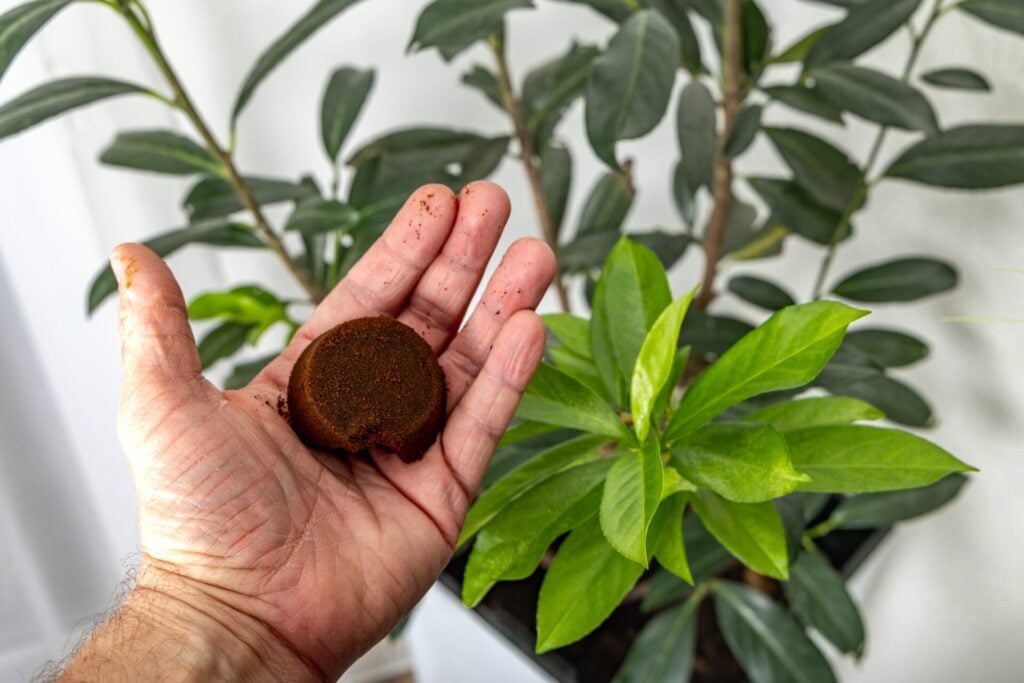
There’s a good reason to resist going overboard. A 2024 study found that raw spent coffee grounds, when used at 35 per cent or more of the growing medium, significantly reduced sunflower germination and early growth. The same research found that composted grounds for six months were no longer toxic to sunflower seedlings and could serve effectively as a soil amendment.
If you collect more grounds than your windowsill plants need, use them for composting. A compost pile containing coffee grounds, leaves and grass clippings can take around three to six months to mature. Once the compost has matured, you can mix it into potting soil or use it to enrich your growing medium.
How to Use Coffee Grounds as Fertiliser
You can use coffee grounds as an addition to your regular fertilising routine, but they shouldn’t be your windowsill garden plants’ only source of nutrients. Keep in mind that the amounts they contribute are relatively small, so they cannot provide everything your plants need for healthy growth.
Which Plants Are Most Likely to Benefit?
If you’re planning what to grow in your windowsill garden, some plants have shown more promising responses to coffee grounds than others.
If you’re growing radishes at home, you can try adding a small amount of spent coffee grounds to the surface of the soil around your plants. A study in the UAE found promising results using this method. When researchers added 0.5 g of spent coffee grounds to the soil surface, the radishes reached an average length of 18.47 cm and a fresh weight of 27.54 g. This is the strongest result among the coffee-ground treatments tested in the study.

You can also find promising uses for coffee grounds with strawberries and blueberries. Strawberries can benefit from grounds incorporated into their growing soil, including in containers. On the other hand, you can use the grounds as amendments to improve drainage for blueberries. Roses are great options as well, with coffee grounds providing organic material and nitrogen as they break down.
Don’t Let Good Grounds Go to Waste
There’s plenty you can do with coffee grounds in your garden instead of letting them go to waste. Your plants may appreciate the organic material, and your garden gets a little help from something that would otherwise end up in the bin.